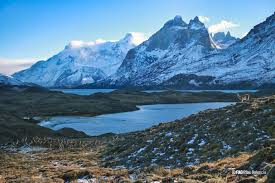
Andean Glacial Retreat: Impacts on Water Resources and Communities in South America
Updated at: 2023-08-27 10:22:44 (2 years ago by Melkisedeck Leon Shine)
Andean Glacial Retreat: Impacts on Water Resources and Communities in South America
Introduction: The Andean glacial retreat has become a pressing issue in South America, with far-reaching impacts on water resources and local communities.
Overview of the Andean Glacial Retreat: The Andean region is home to numerous glaciers that have been melting at an alarming rate over the past few decades. This retreat is primarily attributed to global climate change.
Importance of Glaciers for Water Resources: Glaciers in the Andean region serve as natural water reservoirs, providing a vital source of freshwater for surrounding communities. Their decline jeopardizes the availability of clean water for drinking, irrigation, and hydropower generation.
Impact on Agriculture: Agriculture is a significant economic sector in South America, and the reduction in glacial meltwater affects irrigation practices. Farmers face challenges in maintaining crop yields and may have to adopt alternative water management strategies.
Hydropower Generation: Glacial meltwater also plays a crucial role in hydropower production, which is an important source of clean energy for South American countries. The decline in glacial reserves poses a threat to energy security.
Increased Water Scarcity: As glacial meltwater diminishes, South American countries, particularly those heavily reliant on glacial runoff, experience increased water scarcity. This can lead to conflicts over water resources and hinder economic development.
Impact on Ecosystems: The retreat of Andean glaciers disrupts the delicate balance of ecosystems in the region. Species that depend on glacial meltwater for their survival are at risk of extinction, leading to a loss of biodiversity.
Risk of Natural Disasters: The loss of glaciers also increases the vulnerability of communities to natural disasters such as floods and landslides. Glacial melting contributes to the formation of glacial lakes, which can burst and cause devastating floods downstream.
Community Adaptation: Local communities in the Andean region are forced to adapt to the changing climate and the loss of glacial resources. They must find innovative ways to manage water resources effectively and mitigate the impacts of glacial retreat.
International Cooperation: Addressing the challenges posed by the Andean glacial retreat requires international cooperation. South American countries must work together to develop sustainable water management strategies and adapt to a changing climate.
Promoting North and South America Unity: The Andean glacial retreat is a regional issue that affects countries in both North and South America. By recognizing the shared challenges and collaborating, we can foster unity and find collective solutions.
Building Climate Resilience: Through education and awareness, individuals can develop skills to understand and address contemporary climate and environmental issues. By equipping ourselves with knowledge, we become empowered to make a positive impact.
Taking Action: It is crucial for individuals to take action in their own lives to combat climate change. Simple steps like reducing water consumption, supporting renewable energy, and advocating for sustainable policies can contribute to the larger collective effort.
Engaging in Dialogue: Initiating conversations about the Andean glacial retreat and its implications helps raise awareness and encourages others to join the cause. By sharing this article and discussing the topic with friends and family, we can create a ripple effect of change.
Conclusion: The Andean glacial retreat poses significant challenges to water resources and communities in South America. However, by promoting unity, building climate resilience, and taking individual action, we can address these issues and create a sustainable future for North and South America. Let's come together and #SaveOurGlaciers for generations to come.
Updated at: 2025-02-20 04:42:14 (1 year ago by Melkisedeck Leon Shine)
The escalating urgency of climate change and the growing awareness of environmental degradation underscore the critical need for robust biodiversity conservation strategies in North America. Balancing the demands of development with the imperative of ecosystem protection is no longer a choice, but a necessity. This article explores the multifaceted challenges and opportunities inherent in this pursuit, advocating for a unified, continent-wide approach to securing a thriving future for North American ecosystems.
Biodiversity, the intricate web of life encompassing species, habitats, and ecological processes, forms the bedrock of healthy ecosystems. North America's exceptional biodiversity, boasting a vast array of unique flora and fauna, makes it a global conservation priority. The preservation of this natural heritage is not merely an environmental concern; it underpins economic stability, human well-being, and the overall health of the planet.
However, this invaluable biodiversity faces unprecedented threats. Rapid urbanization continues to encroach upon natural habitats, leading to habitat fragmentation and species displacement. Deforestation, driven by agricultural expansion and logging, further diminishes crucial ecosystems. Pollution, stemming from various industrial and agricultural sources, contaminates air, water, and soil, impacting species health and survival. And looming large is the pervasive influence of climate change.
Climate change, arguably the most significant threat to biodiversity, manifests in rising temperatures, more frequent extreme weather events, and escalating sea levels. These impacts reverberate across North America, from the melting glaciers of Alaska to the intensified hurricane seasons in the Caribbean. The consequences are far-reaching, affecting species distribution, migratory patterns, and the overall resilience of ecosystems.
Effective conservation strategies are crucial for mitigating these threats and securing a sustainable future. Establishing protected areas, restoring degraded habitats, and promoting sustainable land-use practices are essential steps. Transitioning to renewable energy sources is paramount in reducing greenhouse gas emissions and mitigating the impacts of climate change. Crucially, success hinges on collaboration: governments, non-governmental organizations, businesses, and individuals must work in concert to achieve these goals.
Sustainable development is not antithetical to conservation; rather, it represents a pathway toward achieving both economic progress and environmental stewardship. Integrating green infrastructure into urban planning, promoting eco-tourism that benefits both local communities and ecosystems, and investing in renewable energy are all vital components of this approach. This balanced perspective emphasizes that progress and preservation are not mutually exclusive.
Local communities are indispensable partners in conservation efforts. Raising awareness about biodiversity loss, providing educational resources, and actively involving communities in conservation initiatives fosters a sense of ownership and shared responsibility. This participatory approach is pivotal in ensuring the long-term success of any conservation project.
Indigenous communities hold invaluable traditional ecological knowledge and practices honed over generations. Integrating this knowledge into modern conservation strategies is crucial, recognizing the deep connection Indigenous peoples have with the land and their expertise in sustainable resource management. This collaboration not only strengthens conservation efforts but also respects and celebrates Indigenous cultures.
Strong policy frameworks and legislation are essential to provide a legal and regulatory foundation for effective biodiversity conservation. Governments must enact and enforce laws that protect natural areas, regulate pollution, and incentivize sustainable practices. A unified, continent-wide approach, harmonizing policies across North America, would significantly enhance conservation efforts.
Investing in education and research is foundational for long-term success. Integrating climate and environmental studies into school curricula empowers future generations to become responsible stewards of the environment. Supporting scientific research on biodiversity, climate change, and sustainable solutions is crucial for informed decision-making and the development of innovative approaches.
International cooperation is vital, given the transnational nature of biodiversity and climate change. North American nations, collaborating with South American counterparts, can leverage shared knowledge, resources, and expertise to address common challenges and achieve common goals. This unified approach significantly enhances the impact of conservation initiatives.
Technological innovation is transforming the field of conservation. Satellite monitoring provides valuable data on habitat changes and species distributions. DNA analysis aids in identifying threatened species and understanding genetic diversity. These and other technological advancements empower more effective and targeted conservation strategies.
Businesses and industries have a significant role to play. Adopting eco-friendly policies, investing in green technologies, and embracing corporate social responsibility demonstrate a commitment to environmental sustainability and can drive broader societal change. Integrating sustainability into business models fosters both economic success and environmental protection.
Ultimately, the responsibility for biodiversity conservation rests with each individual. Reducing our carbon footprint, supporting local conservation organizations, and participating in community initiatives, no matter how small, contribute to a collective impact. Every action, multiplied across millions of individuals, creates a powerful force for positive change.
In conclusion, safeguarding North America's biodiversity requires a comprehensive and collaborative effort. By embracing sustainable practices, fostering community engagement, implementing robust policies, and leveraging technological innovation, we can secure a healthy and resilient future for our planet. The time for action is now. Let us join together to protect our shared natural heritage for generations to come. #BiodiversityConservation #ClimateAction #NorthAmericanUnity
Updated at: 2023-08-27 10:21:50 (2 years ago by Melkisedeck Leon Shine)
Climate-induced Migration: North American Perspectives on Environmental Refugees
Introduction: In recent years, the issue of climate change has increasingly become a pressing concern for North and South America. The adverse effects of global warming, such as rising sea levels, extreme weather events, and prolonged droughts, have led to the displacement of many individuals, giving rise to the term "environmental refugees." This article aims to shed light on this contemporary issue and provide valuable insights for the people of North and South America.
Understanding Climate-induced Migration: Climate-induced migration refers to the forced displacement of people due to the adverse impacts of climate change on their homes and livelihoods. It is a complex issue that requires attention and action from governments, organizations, and individuals alike.
Regional Challenges: Both North and South America face unique challenges when it comes to climate-induced migration. In North America, coastal communities are particularly vulnerable to rising sea levels and hurricanes. In South America, deforestation and droughts threaten the livelihoods of indigenous communities and rural populations.
Environmental Refugees: The term "environmental refugees" refers to those who are forced to leave their homes and seek refuge elsewhere due to the harmful effects of climate change. These individuals face numerous challenges, including the loss of their homes, livelihoods, and social networks.
The Role of Governments: Governments in North and South America play a crucial role in addressing climate-induced migration. They must develop comprehensive strategies to mitigate climate change, invest in sustainable infrastructure, and provide support to affected communities.
International Cooperation: Addressing climate-induced migration requires international cooperation. North and South American countries must work together to share knowledge, resources, and best practices to tackle this pressing issue effectively.
Sustainable Development: Promoting sustainable development is essential for mitigating the impacts of climate change and reducing the need for climate-induced migration. This includes adopting renewable energy sources, implementing eco-friendly policies, and prioritizing the preservation of natural resources.
The Importance of Education: Educating individuals about climate change and its impacts is vital in empowering them to take action. By raising awareness and promoting education, we can foster a sense of responsibility and inspire collective efforts to combat climate change.
Community Resilience: Building resilient communities is crucial in preparing for and adapting to the impacts of climate change. This includes investing in early warning systems, improving infrastructure, and providing resources to empower communities to withstand environmental challenges.
Sustainable Agriculture: Agriculture plays a significant role in both North and South America, and ensuring its sustainability is imperative. Implementing eco-friendly farming practices, promoting organic agriculture, and supporting small-scale farmers can help mitigate the impacts of climate change on food security.
Conservation Efforts: Protecting natural habitats and biodiversity is essential for maintaining a healthy environment. Governments and individuals must support conservation efforts, such as reforestation projects and the creation of protected areas, to preserve ecosystems and mitigate climate change.
Building Resilient Cities: As urbanization continues to grow, building resilient cities becomes paramount. Incorporating green infrastructure, implementing climate-smart urban planning, and promoting sustainable transportation are crucial steps in creating cities that can withstand climate-induced challenges.
Empowering Indigenous Communities: Indigenous communities in North and South America have valuable traditional knowledge and practices that can contribute to climate change mitigation and adaptation. Empowering these communities and involving them in decision-making processes is essential for sustainable solutions.
Youth Engagement: Engaging youth in climate change initiatives is crucial for building a sustainable future. Encouraging young individuals to participate in environmental programs, providing education opportunities, and supporting youth-led initiatives can create a powerful force for change.
Take Action: To address climate-induced migration and promote unity in North and South America, we must each take action. Educate yourself about climate change, reduce your carbon footprint, support local initiatives, and advocate for sustainable policies. Together, we can make a difference.
Conclusion: Climate-induced migration is a contemporary issue that demands our attention and action. By understanding the challenges faced in North and South America, promoting sustainable practices, and engaging in collaborative efforts, we can mitigate the impacts of climate change and work towards a united and resilient future. Let us come together and be the change we wish to see. Share this article and join the movement for a sustainable and united North and South America. #ClimateAction #UnityForChange #SustainabilityMatters
Updated at: 2025-03-01 18:45:37 (1 year ago by Melkisedeck Leon Shine)
South America's vast mangrove forests are indispensable for coastal protection and resilience in the face of escalating climate change impacts. These unique and vital ecosystems, however, are under increasing threat from human activities and the accelerating effects of a changing climate. Understanding their crucial role and implementing effective, large-scale conservation strategies are paramount for the future well-being of South American coastal communities and the global environment.
The Inestimable Value of Mangrove Ecosystems
Mangrove ecosystems serve as natural coastal defenses, shielding coastlines from the erosive power of waves and tides, significantly reducing the destructive force of storm surges, and offering a vital buffer against rising sea levels. Their intricate root systems stabilize sediments, preventing coastal erosion and protecting crucial infrastructure. Beyond their physical protective functions, mangroves support a remarkable diversity of marine and terrestrial life, acting as essential nurseries, breeding grounds, and habitats for countless species. This rich biodiversity underpins healthy fisheries and contributes significantly to the overall ecological integrity of coastal regions. Furthermore, mangroves are exceptionally effective carbon sinks, sequestering substantial amounts of atmospheric carbon dioxide, playing a critical role in global carbon cycling and climate change mitigation. Their contribution to carbon sequestration is a vital service in the fight against climate change, offering a natural and effective solution.
The Growing Threat of Climate Change to South American Coastlines
The intensifying effects of climate change pose severe risks to South America's coastal communities and the delicate balance of its mangrove ecosystems. Rising sea levels are inundating low-lying areas, while more intense and frequent storms are causing increased coastal erosion and flooding. These extreme weather events, exacerbated by climate change, endanger lives, livelihoods, and vital infrastructure. The situation is further complicated by human actions, including deforestation, pollution from agricultural runoff and industrial discharge, and unsustainable coastal development practices, which degrade mangrove ecosystems and increase the vulnerability of coastal regions to climate change impacts. These combined pressures severely challenge the capacity of these crucial ecosystems to provide their essential services to both the environment and the people who depend on them.
Safeguarding Coastal Communities Through Comprehensive Mangrove Conservation
Effective mangrove conservation is not simply an environmental imperative; it is essential for the economic and social well-being of coastal communities throughout South America. Governments, local communities, and international organizations must collaborate to prioritize the protection and restoration of these vital ecosystems. This requires the implementation of robust regulations to control coastal development, prohibit unsustainable resource extraction, and significantly reduce pollution. Sustainable fishing practices are equally crucial to ensure the long-term health of both the mangrove ecosystems and the communities that rely on them. Importantly, the active participation and empowerment of local communities in conservation efforts are vital to the success of these initiatives. By fostering a sense of ownership and responsibility, community-based conservation programs promote sustainable practices and enhance the long-term effectiveness of protection measures. This participatory approach ensures that conservation efforts are both effective and sustainable, benefiting both the environment and the people.
Illustrative Examples of Successful Mangrove Conservation in South America
Numerous successful mangrove restoration and conservation projects across South America demonstrate the potential for positive and lasting change. In Brazil's Baixada Maranhense region, large-scale restoration projects have not only revitalized degraded mangrove areas but have also created significant economic opportunities for local communities through sustainable tourism and improved fisheries management. Similarly, in Colombia's Gulf of Morrosquillo, focused conservation efforts have protected the coastline from erosion, improved water quality, and significantly boosted tourism revenue, providing a compelling example of the economic benefits of mangrove protection. These success stories highlight the importance of integrated approaches that effectively combine ecological restoration with sustainable socioeconomic development, demonstrating the mutual benefits of such collaborations.
A Collective Call to Action for Enhanced Coastal Resilience
The protection and restoration of South America's mangrove ecosystems are not merely environmental concerns; they are fundamental to building resilient coastal communities capable of withstanding the intensifying impacts of climate change. Individual actions, from raising awareness and supporting local initiatives to advocating for robust environmental policies, all play a crucial role in safeguarding these vital ecosystems. By fostering collaboration across sectors and national borders, we can ensure the long-term health of South America's coastal regions and build a more sustainable and resilient future for all. This requires a multi-faceted approach involving governments, local communities, international organizations, and individuals working together towards a common goal.
Let's join forces in our commitment to protecting these invaluable ecosystems. Support local initiatives, advocate for strong environmental policies, and spread awareness about the importance of mangrove conservation and coastal resilience. #MangroveConservation #CoastalResilience #ClimateAction #SouthAmerica
Updated at: 2025-02-20 05:48:22 (1 year ago by Melkisedeck Leon Shine)
South America, a continent brimming with unparalleled biodiversity and breathtaking landscapes, stands as a pivotal player in the global sustainable tourism movement. The growing awareness of environmental conservation necessitates a careful balance between economic growth and the preservation of this invaluable natural heritage. This article explores the critical environmental challenges facing South America and examines how responsible tourism can contribute to solutions, fostering unity and inspiring global action.
The impacts of climate change are profoundly felt across the continent, from the melting glaciers of the Andes to rising sea levels along its extensive coastlines. Sustainable tourism practices offer a powerful response. Promoting low-carbon transportation options, such as electric vehicles and efficient public transit, alongside energy-efficient accommodations, significantly reduces carbon emissions and mitigates climate change impacts. Investing in renewable energy sources within tourism infrastructure further strengthens this commitment to environmental stewardship.
The Amazon rainforest, the planet's vital "lungs," faces relentless pressure from deforestation driven by agriculture and logging. Ecotourism initiatives that prioritize forest conservation and sustainable resource management are crucial. Supporting businesses committed to responsible logging practices, reforestation projects, and sustainable agricultural techniques directly contributes to the preservation of this invaluable ecosystem. Choosing tour operators and accommodations that actively participate in these initiatives makes every trip a contribution to conservation.
South America's extraordinary biodiversity is under siege from habitat destruction and wildlife trafficking. By choosing to visit protected areas and supporting local conservation projects, tourists actively participate in safeguarding endangered species and promoting biodiversity. Supporting community-based conservation efforts empowers local communities to become stewards of their natural heritage, ensuring the long-term protection of these invaluable resources. This direct engagement enhances both conservation and community development.
Water scarcity, exacerbated by climate change and increasing demands, is a growing concern across the Americas. Sustainable tourism practices address this challenge by implementing water conservation measures in hotels and encouraging responsible water usage among tourists. Promoting awareness of water conservation techniques and supporting initiatives focused on water management and responsible water sourcing are vital steps in securing this precious resource for future generations.
The tourism industry's growth generates significant waste, placing immense pressure on local infrastructure and ecosystems. Responsible waste management practices, including comprehensive recycling programs and the reduction of plastic consumption, are essential. Choosing accommodations and tour operators committed to sustainable waste management practices actively contributes to minimizing the environmental footprint of tourism.
Indigenous communities often face significant challenges related to land rights and cultural preservation. Sustainable tourism can provide vital economic opportunities while respecting their traditions and empowering them as custodians of their ancestral lands. Supporting community-based tourism initiatives ensures that local communities benefit directly from tourism, preserving cultural heritage and fostering sustainable development.
Coastal erosion, driven by rising sea levels and extreme weather events, threatens fragile beach ecosystems and coastal communities. Sustainable coastal tourism initiatives raise awareness of this issue and support efforts to protect and restore vulnerable coastal areas. Choosing responsible coastal tourism operators who engage in beach cleanups and coastal restoration projects directly contributes to these conservation efforts.
The oceans surrounding South America harbor incredibly diverse marine life, yet overfishing, pollution, and habitat destruction pose serious threats. Responsible diving and snorkeling practices, coupled with support for marine conservation projects, protect these vital ecosystems. Choosing tour operators committed to responsible marine practices and avoiding activities that harm marine life ensures the health of the ocean's biodiversity.
Agriculture is a major driver of deforestation and environmental degradation. Supporting sustainable farming practices and promoting local, organic food options contributes to a more sustainable food system and supports local communities. Choosing locally sourced, organic food options minimizes environmental impact and directly supports local farmers and sustainable agricultural practices.
South America possesses vast renewable energy potential. Promoting and investing in renewable energy projects within the tourism sector reduces reliance on fossil fuels and actively combats climate change. Supporting businesses committed to using renewable energy sources minimizes the carbon footprint of travel and accommodation.
National parks and protected areas are vital for preserving fragile ecosystems and promoting biodiversity. Visiting and supporting these areas directly contributes to their maintenance and conservation efforts. Choosing to visit national parks and supporting their conservation initiatives contributes to the long-term health of these vital ecosystems.
Environmental education is crucial for fostering a sustainable mindset. Seeking out educational opportunities, such as guided tours and workshops, increases awareness of local environmental issues and encourages responsible behavior. Actively engaging in educational opportunities enhances understanding of environmental challenges and promotes more sustainable travel choices.
Sustainable tourism prioritizes community engagement and empowerment. Supporting community-based tourism initiatives and engaging with local culture and traditions contributes to the region's social and economic development. Choosing community-based tourism initiatives ensures that local communities benefit directly from tourism, promoting cultural preservation and sustainable development.
Responsible wildlife tourism is essential. Avoiding interactions with captive animals and supporting sanctuaries and rehabilitation centers ensures ethical treatment of animals and protects their natural habitats. Choosing responsible wildlife tourism operators who prioritize animal welfare ensures ethical and sustainable wildlife tourism experiences.
Empowering the next generation is key to a sustainable future. Educational programs and volunteer opportunities inspire young people to become environmental stewards, ensuring the long-term sustainability of South America. Supporting initiatives that educate and empower the next generation ensures a future commitment to sustainable practices.
Sustainable tourism in South America presents a unique opportunity to balance economic growth with environmental preservation. By addressing environmental challenges, promoting unity, and inspiring individuals to take action, we can forge a more sustainable and resilient future for this magnificent continent. Let's embrace this opportunity and work collaboratively to protect and conserve the natural wonders of South America for generations to come.
Updated at: 2023-08-27 10:19:56 (2 years ago by Melkisedeck Leon Shine)
Water Pollution Challenges: Industrial and Agricultural Sources in South American Rivers
Introduction: Water pollution is a pressing issue that affects both North and South America. Industrial and agricultural activities play a significant role in the contamination of rivers in South America, leading to severe environmental and health consequences. In this article, we will shed light on the contemporary challenges posed by these sources of water pollution and emphasize the importance of unity in safeguarding our climate and environment.
Industrial Pollution: Industrial activities, such as mining, manufacturing, and energy production, contribute to water pollution in South American rivers. Unregulated discharge of toxic chemicals, heavy metals, and untreated wastewater from these industries can contaminate water sources, endangering aquatic life and human health.
Agricultural Pollution: Intensive agricultural practices, including the use of chemical fertilizers and pesticides, also contribute to water pollution. Runoff from agricultural fields can carry excess nutrients and harmful chemicals into rivers, leading to the growth of harmful algal blooms and negatively impacting the ecosystem.
Health Implications: Water pollution poses significant health risks to both humans and wildlife. Consuming contaminated water can lead to various waterborne diseases, including cholera, dysentery, and hepatitis. Additionally, aquatic species suffer from habitat destruction and decline in population due to the toxic effects of pollution.
Environmental Impact: South American rivers, known for their rich biodiversity, have been adversely affected by water pollution. The contamination of these water sources disrupts the delicate balance of ecosystems, impacting flora and fauna and threatening their long-term survival. It is crucial to address these challenges to protect the unique biodiversity of our continent.
Unity for Solutions: Water pollution is a shared challenge that requires the cooperation and unity of North and South America. By joining forces, we can implement effective regulations, promote sustainable industrial practices, and encourage responsible agricultural practices to mitigate pollution and preserve our water resources.
Regulatory Measures: Governments and regulatory bodies should play an active role in ensuring that industries comply with environmental standards. Strict regulations on the discharge of pollutants, regular monitoring, and enforcement of penalties for non-compliance are essential to reduce water pollution from industrial sources.
Sustainable Industrial Practices: Industries must adopt sustainable practices that minimize their environmental footprint. The implementation of advanced wastewater treatment technologies, recycling and reuse of water, and the adoption of cleaner production processes are crucial steps to reduce industrial pollution in South American rivers.
Responsible Agriculture: Farmers and agricultural stakeholders should prioritize sustainable farming methods that minimize the use of chemical inputs. Promoting organic farming, precision agriculture, and agroecological practices can help reduce nutrient runoff and pesticide contamination, protecting our rivers and the broader ecosystem.
Strengthening Monitoring Systems: To effectively address water pollution, robust monitoring systems need to be established. Regular assessment of water quality, biodiversity, and ecosystem health provides crucial data to identify sources of pollution, track progress, and inform targeted interventions.
Education and Awareness: Raising public awareness about the impacts of water pollution is essential. Educational campaigns, community engagement, and the integration of environmental topics into school curricula can help cultivate a sense of responsibility and inspire individuals to take action to protect our rivers.
Collaboration and Knowledge Exchange: North and South America can benefit from collaborative efforts and knowledge exchange. Sharing best practices, successful case studies, and research outcomes can accelerate progress in addressing water pollution challenges in both regions.
Empowering Individuals: Every individual has a role to play in combating water pollution. By adopting sustainable practices in our daily lives, such as conserving water, properly disposing of hazardous waste, and supporting environmentally responsible businesses, we can collectively contribute to cleaner rivers.
Developing Skills and Expertise: To tackle the complex challenges of water pollution, it is crucial to develop skills and expertise in environmental management, water treatment technologies, and sustainable agriculture. By investing in education and research, we can empower individuals and institutions to become leaders in addressing these critical issues.
Conclusion and Call to Action: Water pollution from industrial and agricultural sources in South American rivers is a significant concern that requires immediate attention. By working together, implementing effective regulations, adopting sustainable practices, and promoting awareness, we can safeguard our rivers and ensure a healthier future for North and South America. Join us in the fight against water pollution and share this article to inspire others to take action. Together, we can make a difference! #CleanRivers #WaterPollutionAwareness #NorthSouthAmericaUnity
Updated at: 2023-08-27 10:22:10 (2 years ago by Melkisedeck Leon Shine)
Circular Economy Strategies: Promoting Sustainable Consumption in North America
Introduction: The contemporary issues in climate and environment have brought about a sense of urgency for North and South America to unite in promoting sustainable consumption. By adopting circular economy strategies, we can address these challenges while fostering economic growth and preserving our natural resources.
Understanding the Circular Economy: The circular economy is an innovative approach that focuses on reducing waste, reusing materials, and recycling products. It aims to create a regenerative system where resources are used efficiently, minimizing environmental impact and promoting sustainable consumption.
Benefits of Circular Economy Strategies: Implementing circular economy strategies in North and South America can yield multiple benefits. Not only will it reduce waste and greenhouse gas emissions, but it can also create new job opportunities, stimulate innovation, and enhance the resilience of our economies.
Sustainable Consumption Practices: To promote sustainable consumption, individuals can start by making conscious choices in their daily lives. This can include opting for eco-friendly products, reducing single-use items, and supporting local, sustainable businesses. By doing so, we contribute to the circular economy and help build a more sustainable future.
Government Initiatives: Governments play a crucial role in promoting sustainable consumption. They can implement policies and regulations that encourage businesses to adopt circular economy practices. Tax incentives for eco-friendly businesses, promoting sustainable manufacturing processes, and investing in research and development can all contribute to a more circular economy.
Collaboration between Businesses: Businesses can also play a vital role in driving the circular economy. By adopting circular business models, such as product-as-a-service or recycling programs, companies can reduce waste and create new revenue streams. Collaboration between businesses, including sharing resources and knowledge, can further accelerate the transition to a circular economy.
Innovation and Technology: Innovation and technology are key drivers of the circular economy. By investing in research and development, North and South American countries can develop new technologies and solutions that optimize resource use, minimize waste generation, and facilitate the transition to a circular economy. For example, advancements in renewable energy and sustainable transportation can significantly reduce our carbon footprint.
Education and Awareness: Educating and raising awareness among the public is crucial for promoting sustainable consumption. By providing information and resources about the benefits of the circular economy, individuals can make informed choices and actively participate in the transition. Schools, universities, and community organizations can play a vital role in spreading awareness and inspiring action.
Circular Economy in Different Sectors: The circular economy can be applied across various sectors, including manufacturing, agriculture, and construction. For instance, implementing sustainable farming practices, such as regenerative agriculture, can help restore degraded soils and reduce the use of synthetic fertilizers. In the construction industry, the adoption of circular design principles and the use of recycled materials can minimize waste and promote resource efficiency.
Case Study: North America's Transition to Renewable Energy: North America has made significant progress in transitioning to renewable energy sources, such as wind and solar power. By investing in clean energy infrastructure and supporting renewable energy projects, the region has reduced its reliance on fossil fuels and decreased its carbon emissions. This serves as an inspiring example of how circular economy strategies can drive sustainable consumption.
Individual Actions with Collective Impact: While governments, businesses, and institutions play a crucial role in promoting sustainable consumption, individual actions also have a collective impact. By adopting a circular mindset and making conscious choices, we can contribute to a more sustainable future. Recycling, repurposing items, and supporting eco-friendly initiatives are small but meaningful steps in the right direction.
Taking Action and Getting Involved: To develop skills and knowledge about contemporary issues in climate and environment in North and South America, it is essential to get involved in local initiatives and organizations. Joining environmental groups, attending workshops and conferences, and participating in sustainability projects can help individuals actively contribute to the circular economy movement.
Questions to Consider: What steps can you take in your daily life to promote sustainable consumption? How can businesses in your community embrace circular economy practices? What policies and regulations do you believe the government should implement to accelerate the transition to a circular economy?
Share and Inspire: Share this article with your friends and family to inspire more people to take action towards a circular economy. Together, we can create a more sustainable and resilient North and South America. #CircularEconomy #SustainableConsumption #ClimateAction
Conclusion: By promoting circular economy strategies and embracing sustainable consumption practices, North and South America can address contemporary issues in climate and environment while fostering economic growth and unity. Let us take action and work towards building a more sustainable future for generations to come.
Updated at: 2025-05-14 12:19:17 (10 months ago by Melkisedeck Leon Shine)
The Amazon rainforest, a globally significant ecosystem, faces unprecedented threats jeopardizing its biodiversity, climate regulation functions, and the livelihoods of its indigenous inhabitants. This article analyzes the complex interplay of ecological, socio-economic, and political factors contributing to the rainforest's degradation, proposing a framework for collaborative strategies based on established environmental and social theories. Key concepts explored include the Tragedy of the Commons, illustrating the challenges of collective resource management; the theory of planned behavior, which explains individual actions towards environmental conservation; and the socio-ecological systems framework, highlighting the interconnectedness of human and natural systems.
1. Deforestation and its cascading effects: The rampant deforestation driven by agricultural expansion, illegal logging, and infrastructure development constitutes a primary threat. This process not only diminishes biodiversity but also disrupts the rainforestโs crucial role as a carbon sink, exacerbating climate change. This aligns with the Tragedy of the Commons, where the lack of clearly defined property rights and effective regulation leads to overexploitation of a shared resource. The resulting loss of ecosystem services has profound economic and social consequences, impacting regional and global climate patterns.
2. Climate Change Impacts and Feedback Loops: Climate change, in turn, intensifies deforestation through increased droughts and wildfires, creating a dangerous feedback loop. Rising temperatures and altered precipitation patterns stress the rainforest's resilience, potentially pushing it towards a tipping point, beyond which recovery becomes extremely difficult. Understanding these dynamic interactions is crucial for effective intervention strategies.
3. Biodiversity Loss and Ecosystem Services: The Amazon's unparalleled biodiversity is threatened by habitat loss and fragmentation. The extinction of numerous plant and animal species undermines the ecosystemโs resilience and diminishes its ability to provide crucial services, such as clean water, pollination, and climate regulation. Conservation efforts must prioritize protecting both individual species and entire ecosystems, recognizing the intricate web of life within the rainforest.
4. Indigenous Rights and Knowledge: Indigenous communities, possessing invaluable traditional ecological knowledge, play a critical role in rainforest stewardship. Their land rights and self-determination must be respected and actively supported. Empowering indigenous communities and incorporating their perspectives into conservation planning is essential for long-term success, aligning with principles of environmental justice and promoting sustainable development goals.
5. Collaborative Governance and Sustainable Development: Addressing these interconnected challenges necessitates a multi-faceted approach involving collaborative governance. This includes strengthening environmental legislation, fostering partnerships between governments, non-governmental organizations (NGOs), indigenous communities, and the private sector to develop and implement sustainable solutions. Applying the theory of planned behavior, initiatives should focus on influencing attitudes, subjective norms, and perceived behavioral control to promote pro-environmental actions among diverse stakeholders.
6. Sustainable Agricultural Practices: Sustainable agricultural techniques, such as agroforestry and reduced deforestation agriculture, can reduce the pressure on the rainforest while ensuring food security. Promoting these methods through education, incentives, and policy support is vital for transitioning towards environmentally friendly farming practices.
7. Responsible Ecotourism and Economic Diversification: Ecotourism can provide a sustainable alternative to destructive economic activities, generating income for local communities while preserving the rainforest. This requires careful planning and regulation to minimize environmental impact and maximize benefits for local populations.
8. Education, Awareness, and Behavioral Change: Raising public awareness about the importance of the Amazon rainforest and its vulnerability is crucial. Educational campaigns can inform and empower individuals to make responsible choices, supporting organizations committed to rainforest protection. This aligns with the theory of planned behavior, aiming to shift attitudes and behaviors towards environmental stewardship.
9. Technological Innovations and Monitoring: Technological advancements play a significant role in monitoring deforestation, tracking illegal activities, and developing innovative solutions. Investing in remote sensing technologies, data analytics, and early warning systems allows for timely and effective intervention.
10. International Collaboration and Funding: The protection of the Amazon rainforest is a global responsibility. International cooperation, including knowledge sharing, financial support, and coordinated policy action, is crucial for achieving meaningful progress. This requires establishing clear mechanisms for collaboration and resource mobilization across nations.
The multifaceted challenges facing the Amazon rainforest demand a holistic and collaborative approach grounded in scientific understanding and social equity. Effective strategies must address the root causes of deforestation, promote sustainable development, and empower local communities. Applying the socio-ecological systems framework, we can better understand the complex interactions between human activities and the environment, guiding the development of integrated policies. Future research should focus on refining methods for monitoring deforestation, evaluating the effectiveness of diverse conservation strategies, and improving our understanding of the Amazonโs resilience to climate change. The success of Amazon rainforest protection hinges on a commitment to collaborative governance, sustainable practices, and the long-term well-being of its inhabitants and biodiversity.
Reader Pool: What innovative policy mechanisms could effectively incentivize sustainable land management practices and discourage deforestation in the Amazon region, considering the complexities of local communities, national interests, and global markets?
Updated at: 2025-06-22 02:24:52 (9 months ago by Melkisedeck Leon Shine)
```htmlThe escalating climate crisis necessitates immediate and concerted global action, with a particular focus on North and South America, regions grappling with a complex interplay of environmental challenges. The demonstrable impacts of climate changeโincluding accelerated sea-level rise and the increased frequency and intensity of extreme weather eventsโhighlight the urgent need for widespread public awareness and robust advocacy initiatives to foster a more sustainable and resilient continent. This article analyzes key climate and environmental issues prevalent in the Americas, examines effective advocacy strategies informed by relevant theories, and emphasizes the imperative for collective action. We will explore key areas requiring urgent attention and propose concrete actions individuals and organizations can undertake to contribute to a more environmentally conscious and sustainable future. Key concepts such as the Tragedy of the Commons, the Environmental Kuznets Curve, and the concept of resilience will be applied throughout the analysis.
The Amazon rainforest, a vital carbon sink often termed the "lungs of the Earth," faces alarming rates of deforestation. Raising public awareness regarding the catastrophic consequences of deforestation is crucial. This requires understanding the Tragedy of the Commons, where the lack of clear property rights leads to unsustainable resource exploitation. Simultaneously, coastal communities across the Americas confront the escalating threat of rising sea levels. Effective responses necessitate robust adaptation strategies and community-led resilience initiatives grounded in resilience theory, which emphasizes the capacity of systems to adapt and thrive in the face of change. This includes strengthening infrastructure, developing early warning systems, and providing communities with the knowledge and resources to enhance their adaptive capacity.
The increasing frequency and intensity of extreme weather events, such as hurricanes, wildfires, and droughts, demand proactive mitigation strategies. Comprehensive climate education programs, incorporating the principles of systems thinking, empower individuals and communities to understand the interconnectedness of these events and adopt protective measures. Critically, these programs must integrate and respect indigenous knowledge, representing centuries of accumulated sustainable land management practices. This integration is essential for developing culturally sensitive and effective solutions, acknowledging the profound understanding of ecological systems held by Indigenous communities.
The Americas possess abundant renewable energy resources. Advocating for a rapid transition from fossil fuels to solar, wind, and hydroelectric power is paramount for curbing greenhouse gas emissions. This transition aligns with the concept of the Environmental Kuznets Curve, which suggests an inverted U-shaped relationship between economic growth and environmental degradation, implying that increased wealth can lead to improved environmental outcomes, provided appropriate policies are implemented. Urban areas, major contributors to resource consumption, require a fundamental shift toward sustainable practices, encompassing energy-efficient buildings, effective public transportation systems, and efficient waste management programs based on principles of circular economy. Educating urban populations about these sustainable alternatives is crucial for fostering environmentally friendly urban centers.
The Americas boast remarkable biodiversity, yet numerous species are facing extinction due to habitat loss and climate change. Advocacy efforts must prioritize biodiversity conservation, encouraging active protection of endangered species and their habitats. Climate change disproportionately impacts vulnerable communities, underscoring the critical importance of promoting climate justice. This necessitates ensuring marginalized communities have a meaningful voice in decision-making processes. Engaging youth, the future stewards of the planet, through comprehensive climate education programs is crucial for securing a sustainable future.
Integrating climate and environmental education into school curricula is imperative. This empowers future generations with the knowledge and skills to effectively address the climate crisis. The promotion and widespread adoption of sustainable agricultural practices, designed to minimize greenhouse gas emissions and deforestation, are essential. Water conservation initiatives are vital given regional water scarcity challenges. Transitioning to a circular economy, emphasizing reuse and recycling, significantly reduces waste and minimizes environmental impact.
Addressing the climate crisis demands robust collaborations among governments, businesses, civil society organizations, and individuals. Effective advocacy showcases successful partnerships, inspiring wider engagement in climate action. Climate education and public awareness are foundational; individuals must be empowered to take concrete actionsโreducing their carbon footprint, advocating for policy changes, and supporting sustainable businesses. Providing concrete examples and readily accessible resources is vital for facilitating meaningful change.
Addressing the climate and environmental challenges facing the Americas requires a multi-pronged approach informed by theoretical frameworks such as resilience theory, the Environmental Kuznets Curve, and systems thinking. Public awareness campaigns, coupled with policy changes incentivizing sustainable practices, are essential. Furthermore, integrating indigenous knowledge and promoting climate justice are vital for equitable and effective solutions. Future research should focus on developing tailored strategies for specific regions, considering unique environmental and socio-economic contexts, and evaluating the long-term effectiveness of various climate action initiatives. The development of robust monitoring and evaluation frameworks is crucial for assessing the impact of implemented strategies and informing adaptive management approaches. Collaboration among stakeholders across sectors is paramount for driving significant and lasting change. This collaborative approach should also involve fostering effective communication strategies to engage diverse audiences and encourage widespread participation in climate action.
Reader Pool: What additional theoretical frameworks or practical strategies could enhance the effectiveness of climate action in the Americas, considering the diverse geographical and socio-economic contexts of the region?
```
Updated at: 2025-03-01 11:29:58 (1 year ago by Melkisedeck Leon Shine)
South America, a continent boasting unparalleled biodiversity and breathtaking landscapes, is at the forefront of the global sustainable tourism movement. Balancing economic growth with the preservation of its invaluable natural heritage is paramount, demanding a thoughtful approach to tourism development. This article explores the significant environmental challenges facing South America and demonstrates how responsible tourism can offer effective solutions, fostering collaboration and inspiring global action towards a more sustainable future.
Climate change significantly impacts South America, from the melting Andean glaciers to rising sea levels along its extensive coastlines. Sustainable tourism offers a powerful antidote. Promoting low-carbon transportationโelectric vehicles and efficient public transitโalongside energy-efficient accommodations, significantly reduces carbon emissions and mitigates climate change's effects. Investing in renewable energy sources within tourism infrastructure further reinforces this environmental commitment.
The Amazon rainforest, a critical global ecosystem, faces persistent threats from deforestation driven by agriculture and logging. Ecotourism initiatives prioritizing forest conservation and sustainable resource management are essential. Supporting businesses dedicated to responsible logging, reforestation, and sustainable agricultural methods directly contributes to preserving this vital ecosystem. Choosing tour operators and accommodations actively involved in these initiatives transforms each trip into a contribution to conservation.
South America's extraordinary biodiversity is threatened by habitat destruction and wildlife trafficking. Visiting protected areas and supporting local conservation projects actively safeguards endangered species and promotes biodiversity. Community-based conservation empowers local communities to become stewards of their natural heritage, ensuring long-term protection of these invaluable resources. This direct engagement enhances both conservation and community development, creating a win-win scenario.
Water scarcity, exacerbated by climate change and increasing demands, is a growing concern. Sustainable tourism practices address this through water conservation measures in hotels and promoting responsible water usage among tourists. Raising awareness of water conservation techniques and supporting water management initiatives are crucial steps in securing this precious resource for future generations.
The tourism industry's growth generates substantial waste, placing significant pressure on local infrastructure and ecosystems. Responsible waste managementโcomprehensive recycling programs and reduced plastic consumptionโis essential. Choosing accommodations and tour operators committed to sustainable waste management practices actively minimizes the environmental impact of tourism.
Indigenous communities often face challenges regarding land rights and cultural preservation. Sustainable tourism can offer vital economic opportunities while respecting their traditions and empowering them as custodians of their ancestral lands. Supporting community-based tourism initiatives ensures that local communities directly benefit from tourism, preserving cultural heritage and fostering sustainable development.
Coastal erosion, driven by rising sea levels and extreme weather, threatens fragile beach ecosystems and coastal communities. Sustainable coastal tourism initiatives raise awareness and support efforts to protect and restore vulnerable coastal areas. Responsible coastal tourism operators engaged in beach cleanups and coastal restoration projects directly contribute to these vital conservation efforts.
South America's surrounding oceans harbor incredibly diverse marine life, yet overfishing, pollution, and habitat destruction pose serious threats. Responsible diving and snorkeling practices, coupled with support for marine conservation projects, are vital for protecting these ecosystems. Choosing tour operators committed to responsible marine practices and avoiding activities harming marine life ensures the ocean's biodiversity remains healthy.
Agriculture significantly contributes to deforestation and environmental degradation. Supporting sustainable farming practices and promoting local, organic food options contributes to a more sustainable food system and supports local communities. Choosing locally sourced, organic food minimizes environmental impact and directly supports local farmers and sustainable agricultural practices.
South America possesses abundant renewable energy potential. Promoting and investing in renewable energy projects within the tourism sector reduces reliance on fossil fuels and actively combats climate change. Supporting businesses committed to renewable energy sources minimizes the carbon footprint of travel and accommodation.
National parks and protected areas are crucial for preserving fragile ecosystems and promoting biodiversity. Visiting and supporting these areas directly contributes to their maintenance and conservation efforts. Supporting national parks and their conservation initiatives contributes to the long-term health of these vital ecosystems.
Environmental education is crucial for fostering a sustainable mindset. Educational opportunities, such as guided tours and workshops, increase awareness of local environmental issues and encourage responsible behavior. Actively engaging in educational opportunities enhances understanding of environmental challenges and promotes more sustainable travel choices.
Sustainable tourism prioritizes community engagement and empowerment. Supporting community-based tourism initiatives and engaging with local culture and traditions contributes to the region's social and economic development. Choosing community-based tourism initiatives ensures local communities benefit directly from tourism, promoting cultural preservation and sustainable development.
Responsible wildlife tourism is essential. Avoiding interactions with captive animals and supporting sanctuaries and rehabilitation centers ensures ethical animal treatment and protects their natural habitats. Choosing responsible wildlife tourism operators who prioritize animal welfare ensures ethical and sustainable wildlife tourism experiences.
Empowering the next generation is key to a sustainable future. Educational programs and volunteer opportunities inspire young people to become environmental stewards, ensuring the long-term sustainability of South America. Supporting initiatives that educate and empower the next generation ensures a future commitment to sustainable practices.
Sustainable tourism in South America offers a unique opportunity to balance economic growth with environmental preservation. By addressing environmental challenges, fostering unity, and inspiring individual action, we can create a more sustainable and resilient future for this magnificent continent. Let's embrace this opportunity and collaborate to protect and conserve the natural wonders of South America for generations to come.