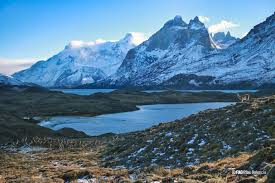
Andean Glacial Retreat: Impacts on Water Resources and Communities in South America
Updated at: 2023-08-27 10:22:44 (2 years ago by Melkisedeck Leon Shine)
Andean Glacial Retreat: Impacts on Water Resources and Communities in South America
Introduction: The Andean glacial retreat has become a pressing issue in South America, with far-reaching impacts on water resources and local communities.
Overview of the Andean Glacial Retreat: The Andean region is home to numerous glaciers that have been melting at an alarming rate over the past few decades. This retreat is primarily attributed to global climate change.
Importance of Glaciers for Water Resources: Glaciers in the Andean region serve as natural water reservoirs, providing a vital source of freshwater for surrounding communities. Their decline jeopardizes the availability of clean water for drinking, irrigation, and hydropower generation.
Impact on Agriculture: Agriculture is a significant economic sector in South America, and the reduction in glacial meltwater affects irrigation practices. Farmers face challenges in maintaining crop yields and may have to adopt alternative water management strategies.
Hydropower Generation: Glacial meltwater also plays a crucial role in hydropower production, which is an important source of clean energy for South American countries. The decline in glacial reserves poses a threat to energy security.
Increased Water Scarcity: As glacial meltwater diminishes, South American countries, particularly those heavily reliant on glacial runoff, experience increased water scarcity. This can lead to conflicts over water resources and hinder economic development.
Impact on Ecosystems: The retreat of Andean glaciers disrupts the delicate balance of ecosystems in the region. Species that depend on glacial meltwater for their survival are at risk of extinction, leading to a loss of biodiversity.
Risk of Natural Disasters: The loss of glaciers also increases the vulnerability of communities to natural disasters such as floods and landslides. Glacial melting contributes to the formation of glacial lakes, which can burst and cause devastating floods downstream.
Community Adaptation: Local communities in the Andean region are forced to adapt to the changing climate and the loss of glacial resources. They must find innovative ways to manage water resources effectively and mitigate the impacts of glacial retreat.
International Cooperation: Addressing the challenges posed by the Andean glacial retreat requires international cooperation. South American countries must work together to develop sustainable water management strategies and adapt to a changing climate.
Promoting North and South America Unity: The Andean glacial retreat is a regional issue that affects countries in both North and South America. By recognizing the shared challenges and collaborating, we can foster unity and find collective solutions.
Building Climate Resilience: Through education and awareness, individuals can develop skills to understand and address contemporary climate and environmental issues. By equipping ourselves with knowledge, we become empowered to make a positive impact.
Taking Action: It is crucial for individuals to take action in their own lives to combat climate change. Simple steps like reducing water consumption, supporting renewable energy, and advocating for sustainable policies can contribute to the larger collective effort.
Engaging in Dialogue: Initiating conversations about the Andean glacial retreat and its implications helps raise awareness and encourages others to join the cause. By sharing this article and discussing the topic with friends and family, we can create a ripple effect of change.
Conclusion: The Andean glacial retreat poses significant challenges to water resources and communities in South America. However, by promoting unity, building climate resilience, and taking individual action, we can address these issues and create a sustainable future for North and South America. Let's come together and #SaveOurGlaciers for generations to come.
Updated at: 2023-08-27 10:21:01 (2 years ago by Melkisedeck Leon Shine)
Title: Mangrove Ecosystems and Coastal Resilience in South America: Mitigating Climate Impacts
Introduction:
The Importance of Mangrove Ecosystems:
Climate Change Threats in North and South America:
Mitigating Climate Impacts through Mangrove Conservation:
South American Success Stories:
Conclusion:
Are you ready to join the movement and protect our coastal regions? Share this article and let's inspire others to take action! #MangroveConservation #CoastalResilience #ClimateAction #NorthAndSouthAmericaUnity
Updated at: 2025-06-22 02:24:52 (9 months ago by Melkisedeck Leon Shine)
```htmlThe escalating climate crisis necessitates immediate and concerted global action, with a particular focus on North and South America, regions grappling with a complex interplay of environmental challenges. The demonstrable impacts of climate changeβincluding accelerated sea-level rise and the increased frequency and intensity of extreme weather eventsβhighlight the urgent need for widespread public awareness and robust advocacy initiatives to foster a more sustainable and resilient continent. This article analyzes key climate and environmental issues prevalent in the Americas, examines effective advocacy strategies informed by relevant theories, and emphasizes the imperative for collective action. We will explore key areas requiring urgent attention and propose concrete actions individuals and organizations can undertake to contribute to a more environmentally conscious and sustainable future. Key concepts such as the Tragedy of the Commons, the Environmental Kuznets Curve, and the concept of resilience will be applied throughout the analysis.
The Amazon rainforest, a vital carbon sink often termed the "lungs of the Earth," faces alarming rates of deforestation. Raising public awareness regarding the catastrophic consequences of deforestation is crucial. This requires understanding the Tragedy of the Commons, where the lack of clear property rights leads to unsustainable resource exploitation. Simultaneously, coastal communities across the Americas confront the escalating threat of rising sea levels. Effective responses necessitate robust adaptation strategies and community-led resilience initiatives grounded in resilience theory, which emphasizes the capacity of systems to adapt and thrive in the face of change. This includes strengthening infrastructure, developing early warning systems, and providing communities with the knowledge and resources to enhance their adaptive capacity.
The increasing frequency and intensity of extreme weather events, such as hurricanes, wildfires, and droughts, demand proactive mitigation strategies. Comprehensive climate education programs, incorporating the principles of systems thinking, empower individuals and communities to understand the interconnectedness of these events and adopt protective measures. Critically, these programs must integrate and respect indigenous knowledge, representing centuries of accumulated sustainable land management practices. This integration is essential for developing culturally sensitive and effective solutions, acknowledging the profound understanding of ecological systems held by Indigenous communities.
The Americas possess abundant renewable energy resources. Advocating for a rapid transition from fossil fuels to solar, wind, and hydroelectric power is paramount for curbing greenhouse gas emissions. This transition aligns with the concept of the Environmental Kuznets Curve, which suggests an inverted U-shaped relationship between economic growth and environmental degradation, implying that increased wealth can lead to improved environmental outcomes, provided appropriate policies are implemented. Urban areas, major contributors to resource consumption, require a fundamental shift toward sustainable practices, encompassing energy-efficient buildings, effective public transportation systems, and efficient waste management programs based on principles of circular economy. Educating urban populations about these sustainable alternatives is crucial for fostering environmentally friendly urban centers.
The Americas boast remarkable biodiversity, yet numerous species are facing extinction due to habitat loss and climate change. Advocacy efforts must prioritize biodiversity conservation, encouraging active protection of endangered species and their habitats. Climate change disproportionately impacts vulnerable communities, underscoring the critical importance of promoting climate justice. This necessitates ensuring marginalized communities have a meaningful voice in decision-making processes. Engaging youth, the future stewards of the planet, through comprehensive climate education programs is crucial for securing a sustainable future.
Integrating climate and environmental education into school curricula is imperative. This empowers future generations with the knowledge and skills to effectively address the climate crisis. The promotion and widespread adoption of sustainable agricultural practices, designed to minimize greenhouse gas emissions and deforestation, are essential. Water conservation initiatives are vital given regional water scarcity challenges. Transitioning to a circular economy, emphasizing reuse and recycling, significantly reduces waste and minimizes environmental impact.
Addressing the climate crisis demands robust collaborations among governments, businesses, civil society organizations, and individuals. Effective advocacy showcases successful partnerships, inspiring wider engagement in climate action. Climate education and public awareness are foundational; individuals must be empowered to take concrete actionsβreducing their carbon footprint, advocating for policy changes, and supporting sustainable businesses. Providing concrete examples and readily accessible resources is vital for facilitating meaningful change.
Addressing the climate and environmental challenges facing the Americas requires a multi-pronged approach informed by theoretical frameworks such as resilience theory, the Environmental Kuznets Curve, and systems thinking. Public awareness campaigns, coupled with policy changes incentivizing sustainable practices, are essential. Furthermore, integrating indigenous knowledge and promoting climate justice are vital for equitable and effective solutions. Future research should focus on developing tailored strategies for specific regions, considering unique environmental and socio-economic contexts, and evaluating the long-term effectiveness of various climate action initiatives. The development of robust monitoring and evaluation frameworks is crucial for assessing the impact of implemented strategies and informing adaptive management approaches. Collaboration among stakeholders across sectors is paramount for driving significant and lasting change. This collaborative approach should also involve fostering effective communication strategies to engage diverse audiences and encourage widespread participation in climate action.
Reader Pool: What additional theoretical frameworks or practical strategies could enhance the effectiveness of climate action in the Americas, considering the diverse geographical and socio-economic contexts of the region?
```
Updated at: 2025-06-22 10:05:43 (9 months ago by Melkisedeck Leon Shine)
```htmlSustainable Agriculture Innovations: Securing North America's Food Future
Introduction:
The escalating impacts of climate change and environmental degradation necessitate a transformative shift towards sustainable agricultural practices to ensure long-term food security in North America. This article examines fifteen key strategies, analyzing their application within the North American context and emphasizing the potential for regional synergy in creating a more sustainable and resilient food system. We will define core concepts: agro-ecological intensification (integrating ecological principles into farming for enhanced productivity and minimized environmental impact); precision agriculture (site-specific input management using technology for optimized resource use); and integrated pest management (IPM) (combining biological, cultural, and chemical methods for pest control). These concepts provide a framework for understanding the innovative practices discussed.
Precision Agriculture and Technological Innovation:
Utilizing technologies such as Geographic Information Systems (GIS), remote sensing, and sensor networks enables precise application of inputs like fertilizers, pesticides, and water. This approach, grounded in systems engineering principles, optimizes resource use efficiency, minimizes waste, and enhances yield. Data-driven decision-making reduces environmental risks, as demonstrated by successful implementations across various North American farms. This aligns with the principles of optimization and efficiency in agricultural production systems.
Agro-ecological Intensification:
This strategy, adhering to the principles of sustainable intensification, integrates ecological principles to boost productivity while minimizing environmental harm. Key components include biodiversity enhancement through crop diversification and intercropping, nutrient cycling through cover cropping, and natural pest control. This approach directly addresses challenges posed by resource scarcity and climate variability. Specific examples include the increased resilience observed in diversified cropping systems compared to monocultures.
Organic Farming and Sustainable Production Systems:
This approach, consistent with ecological principles and sustainable development goals, excludes synthetic inputs (pesticides, fertilizers, GMOs). It relies on natural pest control, soil fertility enhancement through composting and cover cropping, and crop rotation. This method reduces pollution, promotes biodiversity, and enhances nutritional value, aligning with the principles of ecological integrity and sustainable resource management.
Water Resource Management:
Efficient irrigation techniques (drip irrigation, rainwater harvesting) are crucial for optimizing water use and mitigating drought impacts, particularly in arid and semi-arid regions. This aligns with the principles of water conservation and responsible resource management. Implementing such techniques significantly reduces water stress on agricultural systems, enhancing overall sustainability.
Agroforestry Systems:
Integrating trees into agricultural landscapes provides multiple benefits. Trees enhance soil health, offer shade, sequester carbon dioxide (mitigating climate change), improve biodiversity, and provide additional income streams. This aligns with the concept of ecosystem services, where biodiversity and carbon sequestration are considered essential ecosystem functions. The selection of appropriate tree species is crucial for optimizing benefits.
Crop Diversification and Integrated Pest Management (IPM):
Diversifying crops reduces the risk of pest and disease outbreaks, enhancing ecosystem resilience. IPM integrates biological control, cultural practices, and targeted pesticide use to minimize environmental impact. This reflects the principles of ecological balance and sustainable intensification, emphasizing biological control over solely chemical approaches.
Conservation of Biodiversity and Native Species:
Protecting native species and preventing the introduction of invasive species enhances ecosystem services (pollination, pest control) and preserves genetic diversity. This aligns with biodiversity management principles, acknowledging the crucial role of biodiversity in maintaining healthy and productive agricultural ecosystems.
Hydroponics and Aquaponics:
These soilless farming methods offer water-efficient and productive alternatives. Hydroponics uses nutrient-rich water solutions, while aquaponics integrates fish farming, creating a closed-loop system that recycles nutrients. This represents the circular economy principles, minimizing water consumption and reliance on chemical fertilizers. These techniques are particularly relevant in regions with limited water resources.
Urban and Peri-urban Agriculture:
Cultivating food in urban areas reduces transportation emissions and increases access to fresh produce, addressing food deserts. Innovative vertical farming and rooftop gardens maximize space utilization. This strategy addresses food accessibility issues and promotes community engagement, reflecting principles of sustainable urban development.
Agritourism and Community Engagement:
Agritourism enhances public awareness of sustainable practices and strengthens farmer-consumer relationships, generating additional revenue and fostering community involvement. This builds social capital and supports the adoption of sustainable practices through participatory decision-making.
Farmer Education and Extension Services:
Investing in farmer education and extension services is critical for knowledge transfer, innovation, and informed decision-making. Capacity building is essential for successful implementation of sustainable practices, fostering a more resilient and informed farming community.
Policy and Governance for Sustainable Agriculture:
Supportive policies (incentives, subsidies, standards) are crucial for driving the transition. This involves enacting policies that promote environmentally friendly practices and assist farmers in adopting sustainable methods. Effective policy frameworks are essential for sustainable agricultural development and should consider both environmental and economic factors.
Collaboration and Knowledge Sharing:
Collaboration among farmers, researchers, and policymakers accelerates innovation and addresses common challenges through the exchange of best practices. This aligns with principles of knowledge management and collaborative problem-solving. Networking facilitates the scaling up of successful initiatives.
Value Chain Development and Market Access:
Developing sustainable value chains ensures fair pricing, market access, and traceability for sustainably produced food. This supports the economic viability of sustainable practices and promotes fair trade principles. Transparent supply chains are crucial for connecting producers with consumers.
Consumer Awareness and Sustainable Consumption Patterns:
Educating consumers and encouraging informed purchasing decisions drives demand for sustainably produced food. Reducing food waste is also essential for maximizing resource use efficiency and minimizing environmental impact. Consumer behavior plays a significant role in shaping the market for sustainable agricultural products.
Conclusion and Recommendations:
Achieving food security while addressing climate change and environmental degradation demands a comprehensive, collaborative approach. The fifteen strategies presented provide a roadmap towards a more resilient and environmentally sound food system for North America. Future research should prioritize integrating these strategies across diverse agro-ecological regions, rigorously assessing their economic viability, and creating effective policy mechanisms to incentivize adoption. Developing robust monitoring and evaluation frameworks is also essential for tracking progress and adapting strategies to changing conditions. A multi-stakeholder approachβintegrating farmers, researchers, policymakers, and consumersβis pivotal for transitioning towards a truly sustainable agricultural future in North America. A key element of this transition is implementing effective incentive programs that reward the adoption of sustainable practices and provide equitable access to resources and markets for all farmers.
Reader Pool:
Considering the multifaceted challenges and opportunities presented, how can we best integrate economic incentives and social support systems to effectively promote the adoption of sustainable agriculture practices throughout diverse farming communities across North America, while simultaneously ensuring equitable distribution of benefits and mitigating potential risks?
```
Updated at: 2025-07-07 10:34:46 (9 months ago by Melkisedeck Leon Shine)
The burgeoning field of ecotourism presents a unique opportunity to reconcile economic growth with environmental stewardship, particularly in biodiversity-rich regions such as South America. This article analyzes the complex interplay between sustainable tourism practices and the preservation of South America's unique ecosystems, focusing on key environmental and socio-economic challenges. Central concepts guiding this analysis include the carrying capacity of ecosystems (the maximum population size an environment can sustainably support), the ecological footprint (the impact of human activities on the environment), and the principles of stakeholder engagement, crucial for ensuring equitable benefits from tourism development. The lens of the Triple Bottom Line (TBL) β considering environmental, social, and economic sustainability β informs the discussion throughout.
1. Climate Change Mitigation and Adaptation: Climate change significantly impacts South American ecosystems, from Andean glacial melt to coastal erosion. Sustainable tourism strategies, informed by the Intergovernmental Panel on Climate Change (IPCC) reports, necessitate a reduction in carbon emissions through promoting low-carbon transportation (e.g., electric vehicles, cycling infrastructure) and energy-efficient accommodations (e.g., renewable energy sources, green building standards). This aligns with the principles of mitigation (reducing greenhouse gas emissions) and adaptation (adjusting to the impacts of climate change) in climate change policy.
2. Biodiversity Conservation and Habitat Protection: The Amazon rainforest and other South American ecosystems are biodiversity hotspots under pressure from deforestation and habitat fragmentation. Applying the principles of island biogeography and habitat connectivity, ecotourism initiatives can support conservation efforts by promoting responsible wildlife viewing practices, supporting protected area management, and reducing the ecological footprint of tourism activities. This involves integrating conservation biology principles into tourism planning and management.
3. Equitable Community Development and Indigenous Rights: Sustainable tourism offers significant economic potential for local communities, including indigenous groups. However, ensuring equitable benefits requires careful planning and implementation, informed by theories of community-based tourism and participatory development. This means prioritizing community participation in tourism development, ensuring fair wages and employment opportunities, and respecting indigenous knowledge and cultural heritage, guided by principles of self-determination and cultural preservation.
4. Water Resource Management and Conservation: Water scarcity is a growing concern in many parts of South America, exacerbated by climate change. Applying principles of integrated water resource management, sustainable tourism practices necessitate water conservation measures in hotels, responsible water usage by tourists, and support for local water management initiatives. This requires integrating hydrological modeling and water accounting into tourism planning.
5. Waste Management and Circular Economy Principles: The tourism industry generates substantial waste. Adopting a circular economy approach, emphasizing waste reduction, reuse, and recycling, is crucial. This entails promoting sustainable waste management practices among tourists and tourism businesses, supporting waste reduction and recycling infrastructure in tourist destinations, and reducing reliance on single-use plastics, aligning with principles of industrial ecology.
6. Sustainable Agriculture and Food Systems: Sustainable agricultural practices are vital to reducing environmental impacts associated with food production. Ecotourism can support sustainable farming methods, promote local food sourcing, and encourage agro-tourism initiatives, aligning with principles of agroecology and sustainable food systems.
7. Marine Ecosystem Conservation: South America's marine environments face threats from overfishing and pollution. Implementing the precautionary principle in marine resource management is essential. Responsible diving and snorkeling practices, supporting marine protected areas, and combating marine pollution are crucial components of sustainable marine tourism.
8. Renewable Energy Transition and Energy Efficiency: Promoting renewable energy sources (solar, wind, hydro) and energy efficiency in tourism infrastructure is crucial for mitigating climate change and reducing the carbon footprint of tourism. This involves adopting green building standards, investing in renewable energy projects, and promoting the use of sustainable transportation options.
9. Environmental Education and Awareness: Raising environmental awareness among tourists and local communities is fundamental to the long-term success of sustainable tourism. Educational programs, interpretive centers, and responsible travel guides can empower individuals to become responsible travelers and advocates for environmental protection.
10. Responsible Wildlife Tourism and Animal Welfare: Wildlife tourism can have positive economic impacts, but it must prioritize animal welfare and conservation. This requires adherence to ethical guidelines for wildlife interactions, supporting sanctuaries and rehabilitation centers, and avoiding interactions with captive animals, adopting principles of wildlife management and conservation.
Sustainable tourism in South America offers a powerful tool for achieving both economic development and environmental protection. However, successful implementation requires a multi-faceted approach, integrating ecological principles, socio-economic considerations, and robust governance structures. Further research should focus on developing effective monitoring and evaluation frameworks for measuring the environmental and socio-economic impacts of sustainable tourism initiatives. This should incorporate qualitative and quantitative methodologies, including ecological footprint assessments, social impact assessments, and economic analyses of tourism revenue streams and their distribution within communities. Strengthening partnerships between governments, local communities, and the private sector is essential to ensure the long-term success of sustainable tourism initiatives. By embracing these strategies, South America can forge a path towards a more sustainable and equitable future for its people and its incredible natural resources. The concept of resilience, the ability of a system to withstand shocks and adapt to change, should be central in planning and management of tourism activities in this context.
Reader Pool: What are the most significant barriers to implementing truly sustainable tourism practices in South American ecotourism destinations, and how can these challenges be effectively addressed?
Updated at: 2025-03-02 18:08:36 (1 year ago by Melkisedeck Leon Shine)
South America's ecotourism destinations stand at a critical juncture. The global emphasis on environmental stewardship positions these diverse, biologically rich regions as crucial players in the future of sustainable tourism. The challenge lies in harnessing the economic potential of tourism while safeguarding the very ecosystems that attract visitors. This article explores the urgent environmental concerns facing the Americas and illustrates how responsible tourism can be a powerful catalyst for positive change, fostering unity and inspiring individual action.
The Urgency of Environmental Action: The impact of climate change is undeniable, from Andean glaciers shrinking to rising sea levels threatening coastal communities. Deforestation continues to ravage the Amazon rainforest, jeopardizing global biodiversity and climate regulation. Beyond these large-scale issues, the interconnected challenges of water scarcity, waste management, and biodiversity loss demand immediate attention. The delicate balance of these ecosystems requires a proactive, multifaceted approach.
Sustainable tourism offers a pragmatic pathway to address these multifaceted challenges. It's not merely about reducing environmental impact; it's about actively contributing to conservation and community well-being. Consider these key areas:
1. Climate Change Mitigation: By prioritizing low-carbon transportation (e.g., promoting trains, buses, and electric vehicles), investing in energy-efficient accommodations, and supporting initiatives that reduce carbon footprints, the tourism sector can lessen its environmental impact and contribute to broader climate action goals.
2. Protecting the Amazon and Beyond: Supporting ecotourism initiatives that champion forest conservation and sustainable resource management is crucial for preserving the Amazon and other vital ecosystems. This includes promoting responsible logging practices, combating illegal deforestation, and supporting community-led conservation efforts.
3. Safeguarding Biodiversity: South Americaβs unparalleled biodiversity is under threat from habitat destruction and wildlife trafficking. Visiting protected areas, supporting local conservation projects, and choosing tour operators committed to responsible wildlife viewing practices are essential steps in safeguarding endangered species and promoting biodiversity conservation.
4. Water Conservation and Management: Water scarcity is a growing concern across the Americas. Sustainable tourism requires implementing water conservation measures in hotels and encouraging responsible water usage amongst tourists. This includes investing in water-efficient technologies and promoting awareness campaigns focused on mindful water consumption.
5. Responsible Waste Management: The tourism industry generates substantial waste. Travelers can minimize their impact by practicing responsible waste management, including recycling, reducing plastic consumption, and choosing accommodations and tour operators that prioritize sustainable waste practices. Supporting local initiatives focusing on waste reduction and recycling is crucial.
6. Upholding Indigenous Rights: Sustainable tourism must prioritize the rights and well-being of Indigenous communities. This involves supporting community-based tourism initiatives that respect their traditions, empower them economically, and recognize their role as stewards of their ancestral lands.
7. Coastal and Marine Conservation: Coastal erosion and marine degradation threaten vital ecosystems and communities. Sustainable coastal tourism involves supporting initiatives to protect and restore vulnerable coastal areas, promoting responsible diving and snorkeling practices, and combating overfishing and pollution.
8. Promoting Sustainable Agriculture and Food Systems: Sustainable agriculture is key to reducing deforestation and environmental degradation. Supporting sustainable farming practices and choosing local, organic food options contributes to a more sustainable food system and supports local communities.
9. Transitioning to Renewable Energy: The Americas possess vast renewable energy potential. Promoting and investing in renewable energy projects reduces reliance on fossil fuels and combats climate change. This includes supporting hotels and tour operators that utilize renewable energy sources.
10. Investing in Environmental Education: Raising awareness and promoting environmental education is crucial for fostering a sustainable mindset. Travelers can actively participate in educational opportunities such as guided tours and workshops to learn about local environmental issues and spread awareness.
11. Empowering Local Communities: Sustainable tourism should prioritize community engagement and empowerment. Supporting community-based tourism initiatives, engaging with local cultures, and ensuring that tourism benefits local communities economically and socially are critical components.
12. Ethical Wildlife Tourism: Responsible wildlife tourism minimizes negative impacts on animal welfare. Avoidance of interactions with captive animals, support for sanctuaries and rehabilitation centers, and adherence to ethical wildlife viewing guidelines ensure the well-being of animals and the preservation of their habitats.
13. Investing in the Future: The success of sustainable tourism hinges on the engagement of future generations. Educational programs and volunteer opportunities that empower young people to become environmental stewards are vital for ensuring a sustainable future.
Conclusion: Sustainable tourism in South America presents an extraordinary opportunity to balance economic growth with environmental preservation. By proactively addressing environmental challenges, fostering unity across communities, and inspiring individuals to take action, we can pave the way for a more resilient and sustainable future for the entire continent. Let us collectively embrace this responsibility and work together to safeguard this invaluable natural heritage.
Updated at: 2023-08-27 10:19:34 (2 years ago by Melkisedeck Leon Shine)
Title: Wildfire Crisis Management: Lessons from North American Approaches
Introduction: As the climate crisis escalates, wildfires have become a pressing issue in North and South America. The devastating impact of these fires on our environment, communities, and wildlife cannot be ignored. In order to effectively address this crisis, we must learn from the experiences and approaches of North American countries. This article aims to provide professional advice and insights on how we can manage the wildfire crisis, promote unity, and encourage individuals to develop skills in addressing contemporary climate and environmental issues in North and South America.
Understand the scale and urgency of the problem: Wildfires have become increasingly prevalent and destructive in recent years. It is crucial to recognize the gravity of this situation and the urgent need for action in order to protect our ecosystems and communities.
Enhance proactive measures: Preventing wildfires is more effective than fighting them. Invest in measures such as controlled burns, improved land management practices, and public education campaigns to reduce the risk of fires.
Strengthen interagency collaboration: Collaboration between government agencies, firefighting services, and local communities is paramount. Establish effective communication channels to ensure a coordinated response to wildfire incidents.
Invest in research and technology: Continuously advancing research and technology can significantly improve our ability to predict, detect, and combat wildfires. Explore innovative solutions such as early warning systems and aerial firefighting technologies.
Foster community resilience: Engage and empower local communities to actively participate in wildfire prevention and response efforts. Educate individuals on fire-safe practices, evacuation plans, and community-based fire response teams.
Prioritize indigenous knowledge and practices: Learn from the wisdom and practices of indigenous communities, who have long-standing expertise in managing fire-prone landscapes. Incorporate indigenous knowledge into wildfire management strategies.
Improve evacuation procedures: Enhance evacuation plans and ensure they are accessible to all residents, including those with disabilities or language barriers. Regularly conduct drills and educate the public about evacuation routes and safety protocols.
Establish regional cooperation: Promote cross-border collaboration between North and South American countries to share resources, expertise, and best practices in wildfire management. By working together, we can address this crisis more effectively.
Strengthen firefighting capacity: Invest in training and equipping firefighting personnel with the necessary resources and tools to effectively combat wildfires. Regularly update firefighting equipment and vehicles to ensure optimal performance.
Emphasize long-term ecosystem restoration: After a wildfire, focus on restoring damaged ecosystems and biodiversity. Implement reforestation programs and support organizations that specialize in ecological recovery.
Raise public awareness: Educate the public about the causes and consequences of wildfires, emphasizing the role of climate change. Encourage individuals to adopt sustainable practices and reduce their carbon footprint to mitigate the risk of future fires.
Support legislation and policies: Advocate for stronger legislation and policies that prioritize wildfire prevention, management, and ecosystem protection. Engage with elected officials and contribute to initiatives promoting environmental sustainability.
Cultivate a culture of resilience: Inspire individuals to develop skills and knowledge in addressing climate and environmental issues. Encourage participation in workshops, training programs, and volunteering opportunities related to wildfire management and ecological restoration.
Share knowledge and experiences: Actively share experiences, success stories, and lessons learned across North and South America. Utilize digital platforms, conferences, and community events to foster collaboration and exchange ideas.
Spread the word: Share this article with others to raise awareness and inspire action. Together, we can make a difference in managing the wildfire crisis and promoting unity in North and South America.
Conclusion: The wildfire crisis requires immediate attention, collective action, and innovative approaches. By learning from North American approaches and experiences, we can develop effective strategies to manage wildfires in both North and South America. Let us unite in our efforts to protect our environment, communities, and future generations. Are you ready to take on the challenge? Share this article and join the movement for a sustainable future. #WildfireCrisis #ClimateAction #NorthSouthUnity.
Updated at: 2023-08-27 10:22:31 (2 years ago by Melkisedeck Leon Shine)
Arctic Meltdown: North American Responses to Changing Polar Environments
The Arctic is experiencing an unprecedented meltdown, and the consequences of this environmental crisis are not limited to the polar regions alone. North and South America are directly affected by the changing polar environments, and it is crucial that we understand and respond to these contemporary climate issues in a unified manner. In this article, we will explore the challenges faced by North and South America in the face of the Arctic meltdown and discuss the importance of promoting unity and taking action.
The Arctic meltdown is accelerating at an alarming rate, leading to rising sea levels, extreme weather events, and the loss of vital wildlife habitats. These changes have widespread consequences for North and South America, including increased flooding, coastal erosion, and the disruption of ecosystems.
The melting ice in the Arctic has the potential to significantly disrupt ocean currents, which play a crucial role in regulating global climate patterns. This disruption can lead to unpredictable weather patterns, affecting agriculture, water resources, and even human health.
It is important for North and South America to come together and address these challenges collectively. By sharing knowledge, resources, and expertise, we can develop effective strategies to mitigate the impact of the Arctic meltdown and build resilience in our communities.
Governments, businesses, and individuals all have a role to play in responding to the changing polar environments. Governments can implement policies to reduce greenhouse gas emissions and promote sustainable practices. Businesses can invest in renewable energy and adopt environmentally-friendly practices. Individuals can make small changes in their daily lives, such as reducing energy consumption and supporting local initiatives.
Collaboration between North and South America is crucial in addressing the Arctic meltdown. By working together, we can pool our resources, share best practices, and develop innovative solutions to protect our environment and ensure a sustainable future for generations to come.
Education and awareness are key in motivating individuals to take action. By informing ourselves about the causes and consequences of the Arctic meltdown, we can better understand the urgency of the situation and make informed decisions in our personal and professional lives.
It is important to recognize the interconnectedness of our planet. The effects of the Arctic meltdown are not confined to the polar regions alone but have far-reaching impacts worldwide. By promoting unity and cooperation, we can collectively work towards finding solutions that benefit all.
North and South America are home to diverse ecosystems and unique wildlife. The Arctic meltdown poses a threat to these natural treasures, and it is our responsibility to protect and preserve them for future generations.
Investing in renewable energy sources such as wind, solar, and hydroelectric power can help reduce our dependency on fossil fuels and mitigate climate change. By supporting clean energy initiatives, we can contribute to a greener and more sustainable future.
Sustainable agriculture practices are essential in ensuring food security in the face of changing climate patterns. By promoting organic farming, reducing food waste, and supporting local farmers, we can build resilient food systems that are less vulnerable to the impacts of the Arctic meltdown.
The Arctic meltdown presents opportunities for innovation and technological advancements. By investing in research and development, we can find new solutions to mitigate the impacts of climate change and build a sustainable future for North and South America.
It is important to engage in dialogue and exchange ideas with indigenous communities who have long-standing knowledge of the Arctic and its ecosystems. Their traditional practices and wisdom can offer valuable insights into how we can adapt and respond to the changing polar environments.
Governments should prioritize the protection and conservation of natural areas, including national parks and protected areas. By preserving these spaces, we can safeguard biodiversity and provide habitats for wildlife, helping to mitigate the impacts of the Arctic meltdown.
As individuals, we can make a difference by reducing our carbon footprint, supporting sustainable initiatives, and advocating for change. Small actions, such as using public transportation, recycling, and conserving water, can have a significant positive impact when multiplied across communities.
In conclusion, the Arctic meltdown poses significant challenges for North and South America, but by working together, we can overcome them. It is essential to promote unity, take action, and develop skills to address contemporary issues in climate and environment. Let us come together, share this article, and inspire others to join the movement for a sustainable future. Together, we can make a difference! #ArcticMeltdown #ClimateAction #NorthSouthUnity
Updated at: 2023-08-27 10:19:56 (2 years ago by Melkisedeck Leon Shine)
Water Pollution Challenges: Industrial and Agricultural Sources in South American Rivers
Introduction: Water pollution is a pressing issue that affects both North and South America. Industrial and agricultural activities play a significant role in the contamination of rivers in South America, leading to severe environmental and health consequences. In this article, we will shed light on the contemporary challenges posed by these sources of water pollution and emphasize the importance of unity in safeguarding our climate and environment.
Industrial Pollution: Industrial activities, such as mining, manufacturing, and energy production, contribute to water pollution in South American rivers. Unregulated discharge of toxic chemicals, heavy metals, and untreated wastewater from these industries can contaminate water sources, endangering aquatic life and human health.
Agricultural Pollution: Intensive agricultural practices, including the use of chemical fertilizers and pesticides, also contribute to water pollution. Runoff from agricultural fields can carry excess nutrients and harmful chemicals into rivers, leading to the growth of harmful algal blooms and negatively impacting the ecosystem.
Health Implications: Water pollution poses significant health risks to both humans and wildlife. Consuming contaminated water can lead to various waterborne diseases, including cholera, dysentery, and hepatitis. Additionally, aquatic species suffer from habitat destruction and decline in population due to the toxic effects of pollution.
Environmental Impact: South American rivers, known for their rich biodiversity, have been adversely affected by water pollution. The contamination of these water sources disrupts the delicate balance of ecosystems, impacting flora and fauna and threatening their long-term survival. It is crucial to address these challenges to protect the unique biodiversity of our continent.
Unity for Solutions: Water pollution is a shared challenge that requires the cooperation and unity of North and South America. By joining forces, we can implement effective regulations, promote sustainable industrial practices, and encourage responsible agricultural practices to mitigate pollution and preserve our water resources.
Regulatory Measures: Governments and regulatory bodies should play an active role in ensuring that industries comply with environmental standards. Strict regulations on the discharge of pollutants, regular monitoring, and enforcement of penalties for non-compliance are essential to reduce water pollution from industrial sources.
Sustainable Industrial Practices: Industries must adopt sustainable practices that minimize their environmental footprint. The implementation of advanced wastewater treatment technologies, recycling and reuse of water, and the adoption of cleaner production processes are crucial steps to reduce industrial pollution in South American rivers.
Responsible Agriculture: Farmers and agricultural stakeholders should prioritize sustainable farming methods that minimize the use of chemical inputs. Promoting organic farming, precision agriculture, and agroecological practices can help reduce nutrient runoff and pesticide contamination, protecting our rivers and the broader ecosystem.
Strengthening Monitoring Systems: To effectively address water pollution, robust monitoring systems need to be established. Regular assessment of water quality, biodiversity, and ecosystem health provides crucial data to identify sources of pollution, track progress, and inform targeted interventions.
Education and Awareness: Raising public awareness about the impacts of water pollution is essential. Educational campaigns, community engagement, and the integration of environmental topics into school curricula can help cultivate a sense of responsibility and inspire individuals to take action to protect our rivers.
Collaboration and Knowledge Exchange: North and South America can benefit from collaborative efforts and knowledge exchange. Sharing best practices, successful case studies, and research outcomes can accelerate progress in addressing water pollution challenges in both regions.
Empowering Individuals: Every individual has a role to play in combating water pollution. By adopting sustainable practices in our daily lives, such as conserving water, properly disposing of hazardous waste, and supporting environmentally responsible businesses, we can collectively contribute to cleaner rivers.
Developing Skills and Expertise: To tackle the complex challenges of water pollution, it is crucial to develop skills and expertise in environmental management, water treatment technologies, and sustainable agriculture. By investing in education and research, we can empower individuals and institutions to become leaders in addressing these critical issues.
Conclusion and Call to Action: Water pollution from industrial and agricultural sources in South American rivers is a significant concern that requires immediate attention. By working together, implementing effective regulations, adopting sustainable practices, and promoting awareness, we can safeguard our rivers and ensure a healthier future for North and South America. Join us in the fight against water pollution and share this article to inspire others to take action. Together, we can make a difference! #CleanRivers #WaterPollutionAwareness #NorthSouthAmericaUnity
Updated at: 2025-07-14 13:38:16 (8 months ago by Melkisedeck Leon Shine)
```htmlIn the 21st century, the global community faces unprecedented challenges from climate change and environmental degradation. These impacts are acutely felt across the Americas, from escalating sea levels to increasingly severe weather patterns. However, amidst these challenges lies a significant opportunity: the expansion of renewable energy in South America, particularly through the strategic deployment of wind and solar power. This transition is not merely an environmental imperative, but also a catalyst for sustainable economic growth and enhanced energy security.
To fully understand the potential, it's crucial to define key concepts. Renewable energy refers to energy derived from natural processes that are replenished at a higher rate than they are consumed. This includes solar, wind, hydro, geothermal, and biomass. Sustainable development, as defined by the Brundtland Report, is development that meets the needs of the present without compromising the ability of future generations to meet their own needs. With these concepts as foundational, we can explore the strategic avenues for renewable energy expansion in South America.
Harnessing Wind Resources: South America possesses abundant, largely untapped wind resources. Countries like Brazil, Argentina, and Chile benefit from geographically advantageous conditions for wind farm development, characterized by consistently strong winds across vast expanses. Applying Porter's Five Forces model, investing in wind power infrastructure can reduce reliance on fossil fuels, mitigate carbon emissions, foster technological innovation, and stimulate competitive advantages in the energy sector.
Optimizing Solar Energy Production: Given its high solar irradiance levels, South America is poised to become a global leader in solar energy production. Nations like Peru, Colombia, and Ecuador can leverage solar power to generate clean, sustainable electricity. Employing strategic spatial planning, solar installations can be optimized across rooftops, dedicated solar farms, and even floating platforms on reservoirs. Such diversification enhances energy resilience and maximizes land-use efficiency.
Stimulating Economic Growth: Renewable energy expansion offers substantial economic benefits. Investing in wind and solar projects generates employment opportunities, attracts foreign direct investment (FDI), and fosters the growth of a nascent industry, contributing to sustainable economic development. This aligns with the principles of ecological economics, which emphasize the interdependence of economic and ecological systems.
Achieving Energy Independence: By prioritizing renewable energy sources, South American nations can reduce their dependence on imported fossil fuels, thereby enhancing energy security and reducing vulnerability to global oil price fluctuations. This strategic shift aligns with the concept of resource sovereignty, empowering nations to control their energy destinies.
Advancing Sustainable Development Goals: Renewable energy expansion is integral to achieving sustainable development goals (SDGs). By transitioning to clean energy sources, South American countries can simultaneously pursue development objectives and minimize environmental impacts, ensuring a sustainable future for subsequent generations. This is particularly relevant for nations committed to the Paris Agreement and its targets for greenhouse gas emissions reduction.
Driving Technological Innovation: The development of renewable energy technologies in South America will spur innovation and technological advancements. Collaboration between research institutions, industry stakeholders, and international partners can foster breakthroughs in energy storage, grid management, and smart energy solutions, positioning the region as a hub for green technology.
Mitigating Climate Change Impacts: Expanding wind and solar power in South America plays a pivotal role in mitigating climate change. By reducing greenhouse gas emissions, these nations contribute to global efforts to limit global warming and protect the planet. This is consistent with the principles of climate justice, which recognize the disproportionate impact of climate change on vulnerable populations and ecosystems.
Championing Environmental Stewardship: South America boasts some of the world's most diverse ecosystems. By embracing renewable energy, countries can demonstrate their commitment to protecting their natural heritage and preserving biodiversity. This approach aligns with the principles of conservation biology and ecosystem management, emphasizing the intrinsic value of nature.
Empowering Community Engagement: Renewable energy projects provide an opportunity for local communities to actively participate in the transition to clean energy. Community-owned wind and solar initiatives can empower individuals and ensure that the benefits of renewable energy are equitably distributed. This participatory approach fosters social inclusion and strengthens community resilience.
Fostering International Collaboration: Pursuing renewable energy expansion in South America encourages collaboration among nations in the region. Sharing knowledge, resources, and expertise fosters a sense of unity and common purpose. International partnerships can leverage financial resources, technology transfer, and capacity building to accelerate the transition to clean energy.
Promoting Education and Awareness: To fully realize the potential of renewable energy, it's essential to educate and raise awareness among the population. Promoting the benefits of clean energy and providing training opportunities equips individuals with the skills needed to contribute to the renewable energy sector. Educational initiatives can target schools, universities, and vocational training programs, fostering a culture of sustainability.
Strengthening Government Support: Governments play a crucial role in driving renewable energy expansion. Implementing favorable policies, providing incentives, and establishing a supportive regulatory framework encourages investment in wind and solar projects. Policy instruments such as feed-in tariffs, tax credits, and renewable portfolio standards can stimulate private sector participation and accelerate project deployment.
Investing in Research and Development: Continued investment in research and development is vital for advancing renewable energy technologies. South American countries can collaborate with academic institutions and industry leaders to innovate and improve the efficiency of wind and solar power generation. This includes exploring advanced materials, smart grid technologies, and energy storage solutions.
Enhancing Climate Change Adaptation: Expanding renewable energy in South America is not only about mitigation but also about adaptation to the impacts of climate change. Diversifying the energy mix enhances resilience to extreme weather events and ensures a stable energy supply. This adaptive capacity is particularly important for regions vulnerable to droughts, floods, and other climate-related disasters.
The Vital Role of Communication: Effective communication and feedback are crucial in all areas, including promoting renewable energy. Building consensus and support for renewable energy projects requires clear and open dialogue with all stakeholders. Consider exploring the principles outlined in The Feedback Advantage: 15 Principles for Growth-Oriented Communication to ensure effective engagement and collaboration.
In conclusion, the expansion of renewable energy in South America presents a transformative opportunity to address climate change, promote sustainable development, and enhance energy security. By strategically harnessing wind and solar potential, nations in the region can unlock significant economic benefits, foster technological innovation, and protect their natural heritage. However, realizing this vision requires concerted efforts across multiple fronts, including supportive government policies, community engagement, international collaboration, and investments in research and development.
To accelerate the transition to clean energy, we recommend the following:
The successful implementation of these recommendations will have far-reaching impacts, including reduced greenhouse gas emissions, improved air quality, enhanced energy security, and increased employment opportunities. Furthermore, it will position South America as a global leader in the transition to a low-carbon economy. Further research should focus on the socio-economic impacts of renewable energy projects, the potential for energy storage technologies, and the role of smart grids in optimizing energy management.
Moreover, remember that well-being, including environmental consciousness, is often connected to an optimistic outlook. Cultivating a sense of hope and purpose can contribute to a more proactive approach to sustainable living. Learning how optimism extends life can be beneficial in promoting a positive mindset towards renewable energy initiatives and their long-term impact.
By embracing a holistic approach that integrates environmental, economic, and social considerations, South American nations can unlock their renewable energy potential and create a more sustainable and prosperous future for all.
Reader Pool: How can South American nations best balance economic development with the imperative of expanding renewable energy infrastructure, ensuring both prosperity and environmental sustainability?