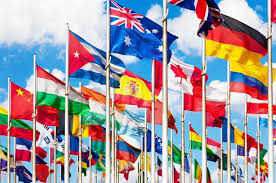
Promoting Tolerance and Inclusivity: Striving for Unity on a Global Level
Updated at: 2023-08-13 17:23:32 (2 years ago by Melkisedeck Leon Shine)
Promoting Tolerance and Inclusivity: Striving for Unity on a Global Level
In a world that is becoming increasingly interconnected, it is crucial to promote tolerance and inclusivity in order to achieve unity on a global level. By embracing diversity, fostering understanding, and working towards common goals, we can build a more peaceful and harmonious world. In this article, we will explore 15 key points on promoting global cooperation for peace and unity.
Embrace diversity: Recognize that our differences make us unique and valuable. Embracing diversity allows us to learn from one another and appreciate the richness of different cultures, religions, and perspectives.
Foster understanding: Take the time to listen and understand others' viewpoints. Engage in open and respectful dialogue, seeking common ground and finding solutions that benefit all parties involved.
Educate yourself: Expand your knowledge about different cultures, religions, and global issues. Read books, watch documentaries, and engage in conversations with people from different backgrounds. This will help break down stereotypes and promote understanding.
Be inclusive: Create spaces and opportunities for everyone to participate and contribute. Ensure that diverse voices are heard and valued in decision-making processes, whether at the local, national, or international level.
Challenge prejudice: Stand up against discrimination, prejudice, and stereotypes. Be an ally to those who are marginalized or oppressed. Use your voice to promote tolerance and inclusivity.
Promote empathy: Put yourself in someone else's shoes and try to understand their experiences and struggles. By cultivating empathy, we can develop a deeper appreciation for the challenges faced by others and work towards meaningful solutions.
Support peacebuilding initiatives: Peace can only be achieved through proactive efforts. Support organizations and initiatives that promote peace, conflict resolution, and reconciliation. Volunteer your time, donate resources, or raise awareness about their work.
Practice active listening: Truly listen to others without judgment or interruption. Show interest in their stories and experiences. This simple act of active listening can foster trust, understanding, and unity.
Collaborate across borders: Engage in international collaborations and partnerships. By working together, we can address global challenges such as poverty, climate change, and inequality. Remember, unity knows no boundaries.
Celebrate cultural exchange: Organize events, festivals, and workshops that celebrate different cultures and traditions. Encourage people to share their customs, music, dance, and cuisine. These exchanges promote understanding and appreciation for diversity.
Advocate for human rights: Stand up for the rights of all individuals, regardless of their race, gender, religion, or sexual orientation. Support organizations that work towards eliminating discrimination and ensuring equality for all.
Support sustainable development: Promote social, economic, and environmental sustainability. Recognize the importance of preserving natural resources, reducing inequality, and creating opportunities for all to thrive.
Engage in diplomacy: Support diplomatic efforts to resolve conflicts peacefully. Advocate for dialogue and negotiation, rather than resorting to violence or aggression. Diplomacy is a powerful tool in promoting global cooperation and unity.
Lead by example: Be a role model in your community by embodying the values of tolerance, inclusivity, and unity. Inspire others through your actions, words, and deeds.
Empower others: Encourage those around you to develop skills and knowledge on promoting global cooperation for peace and unity. Share this article and invite them to join the conversation. Together, we can create a more inclusive and harmonious world.
In conclusion, promoting tolerance and inclusivity is vital for achieving unity on a global level. By embracing diversity, fostering understanding, and working towards common goals, we can build a more peaceful and harmonious world. Let us all strive to promote global cooperation for peace and unity.
What steps will you take to promote tolerance and inclusivity in your community? Share your ideas and experiences in the comments below and inspire others to join the movement for global unity. Together, we can make a difference! #PromotingUnity #GlobalCooperation #PeacefulWorld
Updated at: 2025-06-22 02:32:59 (7 months ago by Melkisedeck Leon Shine)
```htmlIn an increasingly interconnected world, characterized by rapid technological advancements, fostering global peace and cooperation necessitates innovative strategies. This article explores digital diplomacy, defining it as the utilization of digital technologies to enhance international relations and promote global stability. Key concepts underpinning this approach include network theory, which examines the structure and dynamics of interconnected relationships between actors, and the constructivist perspective in international relations, emphasizing the role of shared ideas and norms in shaping state behavior. This analysis will demonstrate how digital diplomacy applies these concepts to create a more peaceful and unified world.
Accelerated Communication and Expanded Reach: The speed and global reach of digital communication platforms significantly amplify the impact of diplomatic initiatives. This enhanced connectivity, analyzed through the lens of network theory, allows for near-instantaneous dissemination of information and facilitates rapid responses to evolving global challenges. The immediacy inherent in digital communication, as opposed to traditional diplomatic channels, reduces response times during crises, thereby enhancing crisis management and potentially mitigating conflict escalation. This aligns with the concept of "real-time diplomacy," a dynamic approach that adapts to the speed of information flow in the digital age.
Bridging Geographical Divides and Fostering Cross-Cultural Understanding: Digital diplomacy transcends geographical barriers, enabling seamless communication and interaction between geographically disparate nations. This enhanced connectivity fosters mutual understanding between diverse cultures and societies, aligning with the constructivist approach which emphasizes the role of shared understanding in fostering cooperation. The increased exposure to different cultures facilitated by digital platforms challenges existing stereotypes and promotes empathy, a key element in conflict resolution. This process of intercultural dialogue contributes to building bridges between different societies and reducing tensions.
Promoting Transparency and Accountability in International Relations: Digital platforms provide opportunities for governments to engage directly with their citizens and the international community, enhancing transparency and accountability in diplomatic processes. This increased openness, a cornerstone of good governance, fosters trust and strengthens international relationships. The accessibility of information, readily available through digital channels, empowers citizens to scrutinize diplomatic actions, fostering a more accountable and responsive international system. This aligns with the growing emphasis on democratic principles and citizen engagement in global governance.
Enhancing Crisis Management and Conflict Prevention: During crises, digital diplomacy plays a pivotal role. It facilitates real-time information sharing, coordinates relief efforts, and ensures seamless communication between nations, leading to more efficient emergency responses. Moreover, the capacity to monitor social media and analyze large datasets enables early identification of potential conflicts, facilitating proactive intervention and conflict prevention strategies. This predictive capacity leverages the power of big data analytics to anticipate and mitigate potential crises, representing a significant advancement in proactive diplomacy.
Empowering Citizen Participation and Track II Diplomacy: Digital platforms facilitate broader participation in diplomatic efforts, empowering citizens and non-governmental organizations (NGOs) to actively engage in international dialogue. This inclusion of diverse voices, including those often marginalized in traditional diplomacy ("Track II diplomacy"), enriches the conversation and leads to more comprehensive solutions. The enhanced participation of civil society, often acting as mediators, contributes to building trust and fostering collaboration between states.
Driving Sustainable Economic Growth and Addressing Global Challenges: Digital platforms streamline cross-border trade, investment, and collaboration, fostering sustainable economic growth and cooperation among nations. This interconnectedness enhances global economic development, particularly within the framework of globalization. Furthermore, digital diplomacy offers a crucial tool for addressing shared challenges such as climate change, facilitating international cooperation on sustainable practices and knowledge sharing. The collaborative nature of digital platforms allows for the rapid dissemination of best practices and innovative solutions, accelerating progress on global environmental issues.
Developing Essential Diplomatic Skills for the Digital Age: The rise of digital diplomacy necessitates continuous professional development for diplomats and foreign service officers. Effective navigation of the digital landscape requires specialized training in areas such as digital communication strategies, cybersecurity, and data analytics. Investment in digital literacy among diplomatic personnel is crucial for successful engagement in the digital sphere.
Shaping Public Perception and Combating Misinformation: Digital diplomacy provides governments with tools to manage their public image and counter misinformation campaigns. Active engagement on digital platforms allows governments to shape narratives, promote understanding, and build trust. The ability to effectively counter disinformation is a crucial element of modern diplomacy.
Conclusion: A Collective Commitment to Peaceful Global Cooperation
Digital diplomacy offers unprecedented potential to foster global cooperation, peace, and unity. By integrating network theory, constructivism, and the principles of effective communication, transparency, and accountability into diplomatic practices, nations can leverage digital technologies to address global challenges, promote mutual understanding, and build a more peaceful and prosperous future. Further research should explore the ethical implications of digital diplomacy, specifically regarding data privacy and security, and the development of best practices for ensuring inclusivity and equitable access to digital technologies in all nations. Continued investment in digital literacy training for diplomats, as well as collaboration between governments, NGOs, and the private sector, is vital for realizing the full potential of digital diplomacy. The success of this approach hinges on a collective commitment to harnessing the transformative power of technology for the betterment of humanity.
Reader Pool: Considering the multifaceted nature of digital diplomacy discussed in this article, what are the most significant ethical challenges associated with its application, and how can these challenges be effectively addressed?
Updated at: 2025-05-24 10:34:43 (8 months ago by Melkisedeck Leon Shine)
Digital Diplomacy: Leveraging Technology for Global Peaceful Coexistence
In an increasingly interconnected world characterized by rapid technological advancements, the pursuit of global peace and cooperation necessitates innovative approaches. Digital diplomacy, defined as the utilization of digital technologies and platforms to conduct diplomacy and foster international relations, emerges as a pivotal instrument for achieving this goal. This article examines the multifaceted applications of digital diplomacy in promoting global harmony, analyzing its impact through key theoretical lenses.
Facilitating Transnational Communication and Understanding: Digital diplomacy transcends geographical limitations, employing communication technologies to bridge cultural divides and foster mutual understanding among nations. This aligns with the principles of constructivism in international relations, which emphasizes the role of ideas and shared norms in shaping state behavior. By facilitating direct communication between governments and citizens, digital platforms can create a sense of shared identity and purpose, thereby reducing the potential for conflict as predicted by the interdependence theory. Real-world examples include the use of social media by diplomats to engage in public diplomacy and build relationships with foreign audiences.
Enhancing Transparency and Accountability: The application of digital technologies promotes transparency in governmental processes and enhances accountability within international relations. This resonates with the tenets of liberal institutionalism, which posits that international cooperation can be fostered through the creation of international institutions and norms. Open-source data and online platforms allow for greater scrutiny of diplomatic efforts, fostering trust and mitigating the risks associated with opaque decision-making. Examples include the use of online platforms to publish diplomatic documents and engage in public consultations.
Optimizing Crisis Response and Management: Digital diplomacy proves particularly crucial during times of crisis. The speed and reach of digital communication allow for efficient dissemination of information, coordination of relief efforts, and maintenance of crucial communication channels among nations. This is consistent with the principles of realism in international relations, which underscore the importance of national security and the role of power dynamics. However, the speed and reach also introduce challenges in terms of verifying information and mitigating misinformation campaigns. Effective crisis response mechanisms, including robust fact-checking procedures, are essential.
Promoting Cultural Exchange and Understanding: Digital platforms provide a powerful medium for promoting cultural exchange and understanding between nations. This ties into the concept of cosmopolitanism, which emphasizes shared human values and the importance of global cooperation. Virtual museums, online cultural events, and interactive digital platforms can foster appreciation for diverse cultures, contributing to global harmony. Examples include the use of online platforms to showcase national heritage and promote intercultural dialogue.
Empowering Citizen Diplomacy and Track II Engagements: Digital diplomacy empowers individuals and non-governmental organizations (NGOs) to actively engage in international affairs. This aligns with the concept of transnationalism, which recognizes the increasing influence of non-state actors in shaping global politics. Social media, online forums, and citizen diplomacy initiatives allow for greater public participation in shaping foreign policy, fostering a sense of shared responsibility towards global peace. Examples include online advocacy campaigns and virtual dialogues between civil society organizations.
Facilitating Economic Cooperation and Sustainable Development: Digital platforms facilitate cross-border trade, investment, and technological collaboration, fostering economic interdependence and shared prosperity. This supports the tenets of interdependence theory, which emphasizes the interconnectedness of global economies and the need for international cooperation. Additionally, digital diplomacy can be leveraged to address global environmental challenges through the promotion of collaborative initiatives and knowledge-sharing. Examples include the use of digital technologies to monitor environmental changes and facilitate international climate agreements.
Leveraging Data Analytics for Conflict Prevention: Sophisticated data analytics and social media monitoring can aid in early identification of potential conflicts and threats. This preemptive approach, informed by realist principles of anticipating threats, allows for timely interventions and mitigation of escalations. The early warning capabilities of digital platforms are significant for conflict prevention.
Enhancing Diplomatic Training and Skill Development: The dynamic digital landscape necessitates continuous skill enhancement for diplomats and foreign service officers. The use of simulation exercises, online training modules, and virtual diplomacy platforms prepares diplomats to navigate the complexities of digital diplomacy effectively.
Conclusion and Recommendations: Digital diplomacy holds transformative potential for building a more peaceful and collaborative global order. Its effectiveness, however, depends on the strategic deployment of technology, coupled with robust mechanisms for verifying information, preventing misinformation, and ensuring equitable access. Further research is needed to evaluate the long-term impacts of digital diplomacy on international relations and to develop best practices for leveraging technology to foster global peace. Governments and international organizations should invest in digital literacy initiatives for diplomats, promote ethical guidelines for online engagement, and foster collaboration among state and non-state actors to harness the full potential of digital diplomacy. The potential for positive impact is significant, but careful consideration of its limitations and potential risks is crucial for effective implementation.
Reader Pool: Considering the inherent challenges of information control and the potential for mis/disinformation in the digital sphere, how can the ethical and responsible use of digital diplomacy be ensured to maximize its positive impact on global peace and unity?
Updated at: 2025-05-24 12:21:28 (8 months ago by Melkisedeck Leon Shine)
This article examines the pivotal role of international partnerships in fostering global peace and unity within a complex geopolitical landscape characterized by persistent conflict and social unrest. We will analyze the multifaceted contributions of these collaborations, drawing upon relevant theories of international relations and conflict resolution to illustrate their practical application. Key concepts include: functionalism (the idea that cooperation on specific issues leads to broader peace), liberalism (emphasizing the role of international institutions and norms), constructivism (highlighting the importance of shared norms and identities), and realism (acknowledging the persistent role of power dynamics), all of which provide different lenses through which to understand international partnerships.
1. Diplomacy and Conflict Resolution through Collaborative Platforms: International partnerships provide structured avenues for diplomatic engagement, facilitating dialogue and negotiation between nations. The establishment of joint task forces, multilateral forums, and mediation initiatives, drawing on principles of conflict resolution, enables the peaceful resolution of disputes, reducing reliance on coercive measures. This aligns with functionalist theory, where collaborative problem-solving on specific issues fosters broader cooperation and trust.
2. Resource Mobilization and Capacity Building: Collective action enables the efficient pooling of resources, expertise, and technological advancements to address transnational challenges such as climate change, poverty, and pandemics. This collaborative approach, rooted in liberal institutionalism, leverages the comparative advantages of participating nations, strengthening collective capacity and enhancing developmental outcomes. For instance, the Global Fund to Fight AIDS, Tuberculosis and Malaria demonstrates successful resource pooling for a global health challenge.
3. Norm Diffusion and the Promotion of Shared Values: International partnerships play a critical role in disseminating norms and values supportive of peace and security. Constructivist theory highlights how interactions within these partnerships can shape state identities and interests, leading to a convergence of values and a shared understanding of acceptable behavior in international relations. The establishment of international criminal courts and human rights treaties exemplify the promotion of shared norms through collaborative efforts.
4. Economic Interdependence and Mutual Gain: By fostering economic cooperation through trade agreements, investment partnerships, and shared infrastructure projects, international collaborations generate economic interdependence, creating incentives for peaceful relations and discouraging conflict. This aligns with liberal economic theories promoting free trade and mutually beneficial relationships. The European Union's economic integration serves as a real-world illustration of the positive correlation between economic interdependence and peaceful coexistence.
5. Enhanced Global Security and Counter-Terrorism Cooperation: International partnerships are vital for addressing transnational security threats, including terrorism, cybercrime, and weapons proliferation. Sharing intelligence, coordinating law enforcement actions, and establishing joint security initiatives, informed by realist considerations of power balancing and threat mitigation, significantly enhance the collective security of participating states. The success of international counter-terrorism efforts largely depends on the efficacy of these collaborative mechanisms.
6. Empowerment of Civil Society and Grassroots Initiatives: International partnerships increasingly involve collaborations with non-governmental organizations (NGOs) and civil society actors, empowering local communities and promoting bottom-up approaches to peacebuilding. This approach recognizes the importance of local ownership and participation in achieving sustainable peace, aligning with theories that emphasize the critical role of civil society in democratization and conflict resolution. Supporting grassroots initiatives directly contributes to long-term stability and reconciliation.
7. Strengthening Multilateral Institutions and the Rule of Law: International partnerships reinforce the authority and legitimacy of global governance institutions, promoting adherence to international law and norms. This strengthens the international rules-based order, which is fundamental for maintaining peace and preventing conflicts. By working within established frameworks and upholding their commitments, participating states demonstrate their commitment to a just and peaceful world order. The United Nations' role in peacekeeping and conflict resolution illustrates this principle.
Conclusions and Recommendations: International partnerships represent a critical instrument in the pursuit of global peace and security. By fostering dialogue, resource mobilization, norm diffusion, and shared security arrangements, these collaborations offer a powerful means to address the root causes of conflict and promote sustainable peace. However, the effectiveness of these partnerships hinges on factors such as political will, commitment to shared norms, and the equitable distribution of power and resources. Future research should focus on identifying optimal strategies for facilitating effective collaboration, addressing power imbalances, and ensuring the equitable distribution of benefits from international partnerships. Further research into the effectiveness of different models of collaboration and the role of specific actors (e.g., NGOs, regional organizations) is also warranted. The overarching goal is to refine and enhance the capacity of international partnerships to effectively address the complex challenges of global peace and security.
Reader Pool: Considering the multifaceted nature of international partnerships discussed, what specific strategies would most effectively address power imbalances and ensure equitable participation in such collaborations to achieve sustainable global peace?
Updated at: 2025-08-21 10:57:13 (5 months ago by Melkisedeck Leon Shine)
```htmlIn our increasingly interconnected world, the concept of citizenship transcends geographical boundaries. Global citizenship emerges as a crucial framework, advocating for a shared sense of responsibility towards global harmony and sustainability. This article delves into the core tenets of global citizenship, illustrating its potential to empower individuals as active participants in fostering a more peaceful and equitable world. We will explore how embracing this perspective can lead to concrete actions that contribute to a more united and harmonious global community.
Defining Global Citizenship: A Paradigm Shift
Global citizenship extends beyond the traditional notion of national identity. It embodies the recognition of our shared humanity and interconnectedness, fostering a sense of belonging to a global community. At its core, it necessitates embracing diversity, cultivating cross-cultural collaboration, and acknowledging the far-reaching impact of our actions. This aligns with the principles of cosmopolitanism, which emphasizes universal moral standards and the importance of transcending local affiliations. This perspective is crucial in addressing global challenges that require collective action and shared responsibility.
The Imperative of Global Cooperation: A Collective Approach
Many global challenges, ranging from climate change and poverty to conflict and inequality, demand collaborative, multilateral solutions. Global citizenship highlights the critical need for international cooperation, echoing the principles of collective security where the security of one is linked to the security of all. By recognizing our shared humanity and interdependence, we can work together to develop sustainable solutions and foster a more resilient global society. This involves engaging in diplomatic efforts, supporting international organizations, and promoting policies that address global issues in a coordinated manner.
Cultivating Empathy and Understanding: Bridging Divides
Empathy, the capacity to understand and share the feelings of others regardless of their background, lies at the heart of global citizenship. As highlighted in studies of social psychology, empathy fosters compassion, tolerance, and bridges cultural divides, creating a fertile ground for peaceful coexistence and collaborative problem-solving. Developing empathy requires active listening, perspective-taking, and a willingness to engage with diverse viewpoints, creating a foundation for mutual respect and understanding.
Tolerance, Respect, and Peaceful Coexistence: Embracing Diversity
Appreciating and valuing the world's rich diversity is fundamental to global citizenship. This necessitates promoting tolerance and respect for different cultures, religions, beliefs, and perspectives, laying the groundwork for a harmonious global community free from discrimination and conflict. This aligns with the principles of pluralism, which recognizes the legitimacy and value of diverse perspectives and encourages dialogue and cooperation among different groups. Promoting intercultural dialogue and exchange programs can help foster understanding and break down stereotypes.
Active Participation in Peacebuilding: Empowering Agents of Change
Global citizenship empowers individuals to become active agents of change, encouraging active engagement in peacebuilding initiatives through dialogue, advocacy, and promoting understanding within communities. Every individual has the potential to contribute to creating a more peaceful and inclusive world. This active participation can take various forms, from volunteering in community projects to advocating for policy changes that promote peace and justice. The concept of Uniting for Peace: A Global Call to Action is crucial in empowering individuals and communities to take proactive roles in peacebuilding.
Environmental Stewardship: A Shared Global Responsibility
Recognizing the interconnectedness of the planet and the impact of our actions on the environment is critical. Global citizenship demands a commitment to environmental sustainability, protecting our planet's resources for current and future generations. This involves adopting sustainable practices, supporting environmentally conscious initiatives, and advocating for policies that promote environmental protection. This is in line with the concept of the "tragedy of the commons," which highlights the need for collective action to manage shared resources sustainably.
Bridging Divides and Fostering Unity: Building Connections
Global citizenship actively works to dismantle barriers, whether physical, psychological, or social, that divide us. It fosters connections, builds bridges between communities, and promotes understanding, thereby paving the way for a more united and harmonious world. This involves promoting dialogue and collaboration across different groups, addressing systemic inequalities, and fostering a sense of shared identity and purpose. Initiatives such as sister city programs and international exchange programs can help bridge divides and foster unity.
Education: The Cornerstone of Global Citizenship
Education plays a pivotal role in nurturing global citizens. Incorporating global issues, intercultural understanding, and skills for active participation into curricula equips individuals with the necessary knowledge and tools to effectively contribute to peacebuilding and global cooperation. This includes promoting critical thinking, problem-solving, and communication skills, as well as fostering an understanding of global challenges and the interconnectedness of different societies. Education for Sustainable Development (ESD) is a key framework for integrating global citizenship into educational curricula.
Grassroots Initiatives: Driving Change from the Ground Up
Global citizenship isn't limited to policymakers or international organizations; it begins with individuals and their communities. Grassroots initiativesβcommunity projects, social entrepreneurship, and volunteeringβcreate positive change and inspire others to take action, demonstrating the power of collective engagement. These initiatives often address local issues with a global perspective, promoting sustainable development, social justice, and peace within their communities. They serve as a powerful example of how individuals can make a difference in their own spheres of influence.
Empowering Women: A Catalyst for Peace and Development
Women play a vital role in promoting global cooperation and peace. Empowering women and ensuring their equal participation in decision-making processes is crucial for achieving sustainable peace and development, as their insights and experiences enrich collaborative efforts. Studies have shown that societies with greater gender equality tend to be more peaceful and prosperous. Initiatives that promote women's education, economic empowerment, and political participation are essential for fostering global citizenship.
Leveraging Technology for Global Connectivity: A Digital Bridge
The digital age provides unprecedented opportunities for global citizens to connect and collaborate. Social media, online forums, and virtual networks facilitate the exchange of ideas, the sharing of experiences, and the mobilization of individuals towards positive change on a global scale. Digital Diplomacy: Tech for Global Peace and Cooperation is transforming how we approach international relations, enabling real-time communication and collaboration across borders. However, it is crucial to address the challenges of digital inequality and ensure that everyone has access to these technologies and the skills to use them effectively.
Youth: The Vanguard of Global Citizenship
Young people represent the future of global citizenship, bringing fresh perspectives, energy, and innovative approaches to peacebuilding. Empowering youth through education, mentorship, and platforms for youth-led initiatives unlocks their potential as change-makers and strengthens global cooperation. This involves providing them with opportunities to participate in decision-making processes, supporting their initiatives, and fostering a sense of agency and responsibility.
Peaceful Dialogue and Mediation: Constructive Conflict Resolution
Global citizenship emphasizes peaceful dialogue and mediation as crucial tools for conflict resolution. Promoting open, inclusive, and respectful conversations helps bridge differences, fosters understanding, and facilitates the finding of common ground. This requires developing skills in active listening, empathy, and non-violent communication, as well as creating safe spaces for dialogue and promoting the use of mediation and arbitration to resolve disputes.
Corporate Social Responsibility: A Shared Commitment to a Better World
Businesses have a significant role to play in promoting global cooperation and peace. Adopting sustainable practices, promoting ethical values, and engaging in corporate social responsibility initiatives contribute to a more equitable and peaceful world. This involves integrating environmental and social considerations into business operations, promoting fair labor practices, and supporting community development initiatives. The concept of "creating shared value" emphasizes the importance of businesses creating economic value in a way that also creates value for society.
Taking Action: From Individual Efforts to Global Impact
Global citizenship is not passive; it requires action. Whether through small acts of kindness, community involvement, or advocating for policy changes, every individual can contribute to promoting global cooperation and peace. Collective action amplifies individual efforts, creating a powerful wave of positive change. This involves identifying opportunities to make a difference in your own community, supporting organizations that are working to address global challenges, and advocating for policies that promote peace, justice, and sustainability.
Conclusion and Recommendations
In conclusion, global citizenship serves as a transformative framework for fostering peace, equity, and sustainability in an increasingly interconnected world. By embracing our shared humanity, promoting empathy, and actively engaging in peacebuilding initiatives, we can collectively address global challenges and create a more harmonious global community. The principles of global citizenship align with various theoretical frameworks, including cosmopolitanism, collective security, and pluralism, providing a solid foundation for understanding and promoting global cooperation.
To further advance the principles of global citizenship, the following recommendations are proposed:
The applicability of global citizenship extends to various domains, including education, business, and governance. By embracing the principles of global citizenship, individuals, organizations, and governments can contribute to a more sustainable and equitable future. Further research is needed to explore the challenges and opportunities of promoting global citizenship in different contexts and to develop effective strategies for fostering global cooperation and peace.
Related Articles
Reader Pool: How can educational institutions effectively integrate global citizenship into their curricula to foster a deeper understanding of interconnectedness and global responsibility among students?
```
Updated at: 2025-05-15 12:14:21 (8 months ago by Melkisedeck Leon Shine)
The escalating interconnectedness of our globalized world necessitates a paradigm shift towards global cooperation, transcending the merely aspirational and becoming a critical imperative for navigating complex socio-economic and environmental challenges. This necessitates a unified global response, demanding a concerted effort to foster empathy, celebrate diversity, and collaboratively pursue shared objectives. Achieving a harmonious global society requires a multifaceted approach, as elaborated in the following strategies grounded in relevant theoretical frameworks.
1. Promoting Global Equity and Collaborative Governance: This strategy aligns with Rawls's Theory of Justice, advocating for equitable access to resources (healthcare, education, economic opportunities) irrespective of nationality or background. Addressing global inequalities, a core tenet of distributive justice, is crucial for fostering unity and building a just world order. Furthermore, the application of collaborative governance models, emphasizing multi-stakeholder partnerships between governments, organizations, and civil society, facilitates the achievement of shared goals (e.g., poverty reduction, environmental sustainability) β a key principle of effective collective action. Real-world examples include the Sustainable Development Goals (SDGs), showcasing collaborative efforts towards global challenges.
2. Bridging Cultural Divides Through Intercultural Dialogue and Education: This strategy draws upon theories of intercultural communication and conflict resolution. Meaningful cross-cultural dialogue, facilitated by exchange programs and initiatives promoting mutual understanding, dismantles cultural barriers. Employing a constructivist approach to education, actively challenging personal biases and fostering critical engagement with diverse cultures, religions, and ideologies is crucial. This approach promotes tolerance and dismantles preconceived notions, facilitating the development of a more inclusive and understanding global community. Successful examples include the implementation of multicultural education programs in schools and universities.
3. Leveraging Technology for Global Connectivity and Peacebuilding: This leverages the principles of network theory and the diffusion of innovation. Harnessing technology (social media, online platforms) connects individuals globally, fostering dialogue and promoting understanding. This creates interconnected networks that facilitate the dissemination of information and promote collaborative problem-solving. The concept of "global village" is realized through technological advancements, enabling rapid information exchange and fostering empathy by showcasing diverse perspectives. Examples include online peacebuilding initiatives and digital diplomacy.
4. Empowering Grassroots Initiatives and Fostering a Shared Global Identity: This aligns with community-based participatory research and social identity theory. Supporting grassroots initiatives that promote dialogue and unity recognizes their transformative potential in fostering local ownership and engagement. Highlighting shared values (peace, well-being) strengthens our collective identity and purpose, promoting a sense of global citizenship. Successful examples include locally-led peacebuilding efforts and community-based environmental initiatives.
5. Promoting Peaceful Conflict Resolution and Environmental Stewardship: This strategy is underpinned by conflict resolution theory and environmental ethics. Advocating for peaceful conflict resolution mechanisms (dialogue, negotiation, mediation) prevents violence and fosters stability, aligning with restorative justice principles. Recognizing the interconnectedness of environmental issues and global security requires promoting sustainable practices and policies to combat climate change, crucial for ensuring a livable future for all. Examples range from international environmental agreements to local community-based conservation projects.
6. Cultivating Empathy and Inclusive Leadership Through Intergenerational Dialogue: This strategy incorporates principles of social learning theory and leadership studies. Meaningful intergenerational dialogue, acknowledging generational perspectives, enhances understanding and collaboration. Promoting diverse leadership (gender equality, racial diversity, inclusion of marginalized groups) builds belonging and unity, enhancing the effectiveness and legitimacy of global governance structures. Successful examples include intergenerational mentorship programs and the promotion of diversity within international organizations.
7. Integrating Peace Education and Fostering Individual Responsibility: This strategy utilizes concepts from transformative learning and social responsibility theory. Integrating peace education into curricula shapes future generations as agents of positive change, equipped with skills in conflict resolution, empathy, and social justice. Each individual has a role to play in global unity, whether through volunteer work, advocating for policy change, or respectful dialogue. This collective action, amplified by individual contributions, collectively achieves impactful progress toward global cooperation for peace and unity. Successful examples include the implementation of peace education programs in schools and universities.
Conclusions and Recommendations: Achieving global unity requires a multifaceted approach that integrates theoretical frameworks from various disciplines. Addressing global inequalities, fostering intercultural understanding, utilizing technology for connectivity, empowering grassroots initiatives, promoting peaceful conflict resolution, and fostering inclusive leadership are essential components. Recommendations include increased investment in peace education, intercultural dialogue programs, and sustainable development initiatives. The impact of such initiatives would be a more just, peaceful, and sustainable world, enhanced by increased collaboration, reduced conflict, and improved environmental stewardship. Further research should focus on evaluating the effectiveness of different strategies in diverse contexts and identifying best practices for promoting global unity. Longitudinal studies examining the impact of various peacebuilding initiatives on societal cohesion and conflict resolution are crucial. The integration of these findings into policy and practice is necessary to accelerate progress toward a more unified and harmonious world. A cross-disciplinary approach, including contributions from political science, sociology, psychology, and environmental studies, will yield the most comprehensive understanding of this complex issue.
Reader Pool: How can we effectively measure the impact of global cooperation initiatives on fostering peace and unity, considering the diverse contextual factors and the long-term nature of such endeavors?
Updated at: 2025-06-23 01:25:01 (7 months ago by Melkisedeck Leon Shine)
The contemporary global landscape is characterized by a complex interplay of geopolitical tensions and socio-economic disparities, necessitating a concerted international effort to cultivate a more peaceful and unified world order. This necessitates a paradigm shift towards robust international partnerships, acting as crucial conduits bridging diverse nations, cultures, and ideologies, fostering mutual understanding and cooperation where conflict previously prevailed. This collaborative approach is not merely aspirational; it represents a fundamental cornerstone of a sustainable global peace framework. This article analyzes the critical significance of these partnerships and their transformative potential in unifying the global community, leveraging relevant theoretical frameworks such as the constructivist theory of international relations, which emphasizes the role of shared norms and ideas in shaping state behavior, and the interdependence theory, which highlights the interconnectedness of nations and the benefits of cooperation.
Promoting Diplomacy and Peaceful Conflict Resolution: International partnerships serve as vital platforms for promoting diplomacy and peaceful conflict resolution. Through open dialogue and a steadfast commitment to finding common ground, nations can navigate disagreements without resorting to armed conflict. This proactive approach to conflict management, underpinned by principles of communicative rationality, is crucial for preventing escalation and fostering trust and cooperation. The success of the Oslo Accords between Israel and the Palestine Liberation Organization exemplifies the potential of collaborative diplomacy in achieving breakthroughs in seemingly intractable conflicts.
Resource Pooling and Synergistic Problem-Solving: A significant advantage of international partnerships lies in their capacity to pool resources and expertise. By combining capabilities, nations can more effectively tackle complex transnational challenges such as poverty, climate change, and economic inequality. This synergistic approach, in line with the principles of collective action, maximizes efficiency and impact, exceeding the potential of individual national efforts. The success of the Paris Agreement on climate change demonstrates the effectiveness of multilateral cooperation in addressing global environmental issues.
Enhancing Global Security through Collective Action: Global security is significantly augmented through the collaborative framework established by international partnerships. By collectively addressing transnational threats such as terrorism and cybercrime, nations safeguard their citizens and reinforce collective security. This unified front against global threats, reflecting a realist perspective on the importance of state power, is vital for maintaining a stable and secure international order. The effectiveness of NATO in countering threats to member states illustrates the benefits of collective security arrangements.
Cultivating Empathy and Mutual Understanding: International partnerships play a crucial role in fostering empathy and mutual understanding amongst nations. Collaborative efforts directed towards addressing shared challenges and pursuing common goals promote a deeper appreciation for diverse perspectives and lived experiences, establishing the bedrock of enduring peace. This process aligns with the liberal institutionalist approach which highlights the positive role of international institutions and norms in fostering cooperation and mitigating conflict.
Facilitating Cross-Cultural Exchange and Knowledge Sharing: Beyond practical collaboration, global partnerships enrich the world through vibrant cultural exchange and knowledge sharing. Sharing customs, traditions, and innovations fosters mutual appreciation and understanding of the richness of human experience. This cross-cultural understanding, consistent with the principles of cosmopolitanism, breaks down stereotypes and prejudices, contributing to a more inclusive and harmonious global environment. Furthermore, the exchange of best practices and lessons learned empowers informed decision-making, leading to more effective policies and improved governance structures. The sharing of best practices in public health responses, such as those witnessed during the COVID-19 pandemic, highlights the value of global cooperation in tackling shared challenges.
Promoting Economic Growth and Stability: International partnerships contribute significantly to global economic stability and growth. Open markets and increased trade foster economic prosperity, generating a win-win situation for participating nations. This interconnected economic landscape, consistent with the principles of free trade theory, strengthens global stability and reduces the potential for conflict stemming from economic disparities. The growth of international trade and investment since the end of the Cold War illustrates this positive interdependence.
Addressing Environmental Sustainability: Environmental sustainability presents another arena where international partnerships are indispensable. Collaborative efforts in renewable energy, conservation, and sustainable development enable nations to collectively tackle pressing environmental challenges. This collaborative approach is vital for mitigating climate change and preserving the environment for future generations. The success of international collaborations in addressing ozone depletion provides a compelling example of effective global environmental governance.
Empowering Marginalized Communities and Upholding the Rule of Law: International partnerships empower individuals and communities by providing resources and tools to address their unique challenges. Supporting grassroots movements and local organizations fosters sustainable development, ensuring that the benefits of global cooperation reach even the most marginalized populations. This commitment to equitable distribution aligns with development ethics principles emphasizing social justice and inclusivity. Simultaneously, the strengthening of international institutions and adherence to the rule of law, aligning with the liberal internationalist perspective, further strengthens the framework for peaceful conflict resolution.
Conclusion and Recommendations: International partnerships represent an indispensable mechanism for promoting global cooperation, peace, and unity. Through collaborative action, empathy, and a shared vision of a better future, we can overcome conflict and establish a more sustainable peace framework. This requires a multifaceted approach emphasizing diplomacy, resource pooling, knowledge sharing, and inclusive governance. Future research should focus on evaluating the effectiveness of different partnership models, analyzing the influence of power dynamics on cooperative outcomes, and exploring innovative approaches to bridging existing institutional gaps and fostering a sense of global citizenship. The ultimate success depends not just on structural reforms but also on fostering a shared commitment to global cooperation and shared responsibility.
Reader Pool: Considering the multifaceted challenges facing the global community, how can we effectively measure the impact of international partnerships in achieving sustainable global peace, moving beyond merely qualitative assessments to quantitative measures of success?
Updated at: 2025-06-22 01:59:11 (7 months ago by Melkisedeck Leon Shine)
The contemporary global landscape is characterized by multifaceted challenges, including escalating conflicts, widening socio-economic inequalities, and environmental degradation. These interconnected issues necessitate a paradigm shift towards global solidarity, transcending national boundaries and fostering a unified approach to peacebuilding. This pursuit is not merely idealistic; it is a pragmatic imperative for the sustainable well-being of humanity. This article explores key strategies for achieving global peace, drawing upon relevant theories and models of conflict resolution and international relations.
1. Cultivating Shared Identity and Mutual Understanding: The foundational principle for global peace rests on the recognition and celebration of shared humanity. This involves embracing the diverse tapestry of cultures, languages, and traditions that enrich our global community. Applying the concept of social identity theory, we can understand how fostering a sense of collective identity, encompassing diverse sub-groups, can mitigate intergroup conflict and promote cooperation. This necessitates promoting intercultural dialogue and understanding through educational initiatives and cultural exchange programs, thereby strengthening social cohesion on a global scale. This approach mirrors the principles of peacebuilding efforts that emphasize inclusivity and the creation of a shared narrative of belonging.
2. Bridging Divides through Constructive Dialogue and Diplomacy: The successful implementation of global peace initiatives requires dismantling physical, cultural, and ideological barriers that obstruct global cooperation. This involves embracing strategies of communicative action, as described in Habermas's theory of communicative rationality, promoting open, respectful dialogue and fostering empathetic understanding. Effective diplomacy, based on principles of reciprocity and mutual respect, becomes a critical tool in navigating conflict situations and achieving mutually beneficial outcomes. The application of conflict resolution models, such as transformative mediation, can facilitate constructive dialogue and empower stakeholders in finding lasting solutions. Successful examples of this approach are evident in international negotiations, such as the Oslo Accords or the Paris Agreement on Climate Change.
3. Peaceful Conflict Resolution and Non-violent Conflict Management: Conflict is an inherent aspect of human interaction. However, the method of conflict resolution is paramount. Employing the principles of nonviolent conflict management, including negotiation, mediation, and arbitration, is crucial. Investing in robust diplomatic mechanisms and promoting strategies of non-violent conflict transformation, guided by insights from peace psychology, can mitigate violence and facilitate sustainable peace. Real-world case studies of successful conflict resolution, such as the end of the Cold War or the peace process in Northern Ireland, exemplify the importance of diplomacy and negotiated settlements.
4. Integrating Peace Education and Promoting Intercultural Competence: Education plays a pivotal role in cultivating a culture of peace. By incorporating peace education within curricula, emphasizing values of empathy, cooperation, and mutual respect, we can foster a generation committed to peaceful conflict resolution. This education would incorporate training in intercultural communication and conflict resolution skills, building on theories of social learning and cognitive development. Educational initiatives should actively promote critical thinking and problem-solving skills to empower future generations to contribute effectively to peacebuilding endeavors. This aligns with the broader educational goals of creating globally-minded citizens who understand and engage with diverse perspectives.
5. Addressing Socio-economic Inequalities and Promoting Sustainable Development: Socio-economic disparities often exacerbate conflict and instability. Addressing these inequalities through global economic cooperation is essential for fostering peace. The application of modernization theory and dependency theory helps analyze the root causes of global inequality, offering insights into how to implement sustainable development initiatives, targeted poverty reduction strategies, and fair trade practices. A commitment to global economic justice, informed by principles of distributive justice, is crucial for building a more equitable and harmonious world order.
6. Environmental Stewardship and Sustainable Resource Management: Environmental sustainability is inextricably linked to global peace. Climate change and environmental degradation trigger resource conflicts and mass migrations, thus posing significant threats to global stability. Applying ecological modernization theory, we can identify strategies for promoting sustainable practices, combating climate change, and protecting our planet. International cooperation on environmental protection, encompassing both mitigation and adaptation strategies, is essential for mitigating conflict risks associated with resource scarcity and environmental displacement.
7. Gender Equality and Women's Empowerment: Empowering women is a fundamental human rights imperative and a catalyst for peace. When women are granted equal opportunities and participate fully in all spheres of society, they significantly contribute to peacebuilding. Research consistently demonstrates the positive correlation between women's empowerment and reduced levels of conflict. Promoting gender equality and investing in women's leadership are critical for building a more peaceful and inclusive world, aligned with the principles of feminist peacebuilding.
8. Youth Engagement and Intergenerational Collaboration: Youth possess an unparalleled potential for positive change. Engaging and empowering young people in peacebuilding initiatives is crucial for building a sustainable movement for peace. Utilizing participatory approaches to peacebuilding, we can harness the energy and creativity of young people, fostering their leadership potential. Providing platforms for youth voices and supporting youth-led initiatives are essential for creating a truly inclusive and effective peace movement. This resonates with the concept of generational equity, ensuring the voices of all generations are heard in shaping the future.
9. Global Alliances and Civil Society Partnerships: Building alliances across borders is critical for amplifying the call for global peace. Collaborating with like-minded individuals and organizations globally strengthens the collective voice and expands its impact. Creating strong networks between civil society organizations, governments, and international organizations is crucial for mobilizing collective action. This approach leverages the principles of network governance and collaborative action to achieve impactful results in advancing global peace.
10. Leveraging Technology for Peacebuilding: Social media and digital platforms provide powerful tools for disseminating messages of peace and unity, fostering global dialogue, and promoting effective communication. This involves using technology strategically to create virtual spaces for intercultural exchange, facilitate collaboration, and empower marginalized communities. Effective strategies must address potential downsides, such as the spread of misinformation and hate speech, underscoring the importance of digital literacy and responsible online engagement.
11. Promoting Human Rights and Accountability: Human rights form the bedrock of a just and peaceful society. Advocating for their protection and promotion is fundamental to achieving global peace. Establishing strong international legal frameworks, robust monitoring mechanisms, and commitment to accountability for human rights violations are essential components of a peace-oriented global order. This approach mirrors the principles of international human rights law and mechanisms for its enforcement.
12. Effective Crisis Response and Humanitarian Assistance: Providing timely assistance to those affected by conflicts or disasters is crucial for mitigating suffering and fostering trust. Well-coordinated international relief efforts and robust humanitarian response mechanisms are essential for alleviating adversity and preventing further conflict escalation. This necessitates proactive planning, coordinated response mechanisms, and a commitment to equitable resource allocation in the face of crises.
Conclusions and Recommendations:
Achieving global peace requires a multifaceted, synergistic approach that addresses the root causes of conflict while promoting positive peace. This necessitates a shift away from a reactive, conflict-centric approach towards a proactive, peace-building paradigm. Recommendations include strengthening international cooperation mechanisms, prioritizing diplomacy and peaceful conflict resolution, integrating peace education into national curricula, promoting sustainable development and environmental stewardship, and empowering marginalized groups, particularly women and youth. Further research is needed to refine the conceptual models used in peacebuilding, evaluate the effectiveness of various interventions, and explore innovative approaches to fostering global cooperation. The impact of such a holistic approach will be far-reaching, fostering more just, equitable, and sustainable societies globally. The successful implementation of these strategies will require a renewed commitment from governments, international organizations, and civil society actors, fostering a collaborative effort towards a more peaceful and harmonious world. The long-term sustainability of peace relies on these holistic strategies to build resilience to conflict, promote inclusive development, and ensure lasting peace.
Reader Pool: Considering the interconnectedness of global challenges, how can we best leverage the principles of systems thinking to develop more effective and sustainable strategies for achieving global peace?
Updated at: 2025-05-24 10:34:21 (8 months ago by Melkisedeck Leon Shine)
Digital Diplomacy: Leveraging Technology for Global Peaceful Relations
In an increasingly interconnected world characterized by rapid technological advancements, the pursuit of global cooperation, peace, and unity necessitates innovative approaches. Digital diplomacy, the utilization of digital technologies to conduct diplomatic activities, emerges as a powerful instrument for fostering peaceful international relations. This article explores the multifaceted applications of digital diplomacy, examining its theoretical underpinnings and practical implications for achieving global harmony. Key concepts such as public diplomacy (the strategic use of communication to shape public opinion and build international understanding), track-two diplomacy (unofficial, people-to-people diplomacy supplementing official channels), and the networked public sphere (the online environment where individuals and groups communicate and engage in public discourse) are central to our analysis. We will further examine the application of these concepts through various real-world scenarios.
1. Facilitating Cross-Cultural Dialogue and Understanding: Digital platforms transcend geographical limitations, enabling direct communication and interaction among diverse cultures. This fosters empathy and mutual understanding, mitigating misunderstandings that often fuel conflict. This aligns with the principles of constructivist theory in international relations, which emphasizes the role of ideas and shared norms in shaping state behavior and international cooperation. By fostering shared understanding online, digital diplomacy constructs a more peaceful international environment.
2. Enhancing Transparency and Accountability in Diplomacy: Open communication channels provided by digital technologies allow governments to engage directly with citizens and the international community, thereby increasing transparency and accountability in diplomatic processes. This aligns with principles of liberal internationalism, promoting the spread of democratic values and norms and holding governments accountable to international standards.
3. Expediting Crisis Response and Management: In crisis situations, digital diplomacy allows for rapid dissemination of information, coordination of relief efforts, and real-time communication among nations. This is crucial in disaster response, where rapid communication can be lifesaving. The concept of "networked governance," where multiple actors collaborate across borders using digital technologies, is central here. This enhanced coordination reduces response times and improves efficiency in delivering aid.
4. Empowering Citizen Diplomacy and Track II Engagements: Digital tools empower citizens to participate directly in diplomatic processes. The rise of online activism and citizen journalism allows for the rapid dissemination of information, public pressure on governments, and the fostering of grassroots support for peace initiatives. This broadens the scope of diplomacy beyond state actors, incorporating civil society organizations and individuals into the peacebuilding process. This aligns with the concept of cosmopolitanism, which emphasizes the moral interconnectedness of individuals across national boundaries.
5. Promoting Economic Cooperation and Shared Prosperity: Digital platforms facilitate cross-border trade, investment, and technological collaboration. This supports economic growth, reduces global inequalities, and enhances economic interdependence, all of which contribute to a more peaceful and stable international order. This supports the liberal internationalist argument that economic interdependence reduces the likelihood of conflict.
6. Addressing Global Challenges through Collaborative Action: Digital diplomacy aids in coordinating international responses to transnational challenges like climate change, pandemics, and terrorism. Shared data platforms, online forums, and collaborative projects facilitate information sharing, resource mobilization, and the development of effective solutions, supporting the concept of global governance.
7. Leveraging Data Analytics for Conflict Prevention: Advanced analytics techniques applied to social media and other online platforms can provide early warnings of potential conflicts or unrest. This allows for proactive intervention, potentially preventing escalation and fostering de-escalation. This represents a novel application of predictive policing methodologies within the international realm.
8. Strengthening Public Diplomacy and Countering Misinformation: Governments use digital platforms to manage their international image, promote positive narratives, and counter misinformation campaigns. Effective public diplomacy can shape public opinion, increase support for international cooperation, and enhance a nation's international standing. This relates to the ongoing discussion concerning the influence of "soft power" in international affairs, leveraging cultural and informational tools to advance national interests and promote international stability.
Conclusion and Recommendations
Digital diplomacy represents a transformative shift in how international relations are conducted. Its potential to foster peaceful relations is significant, but realizing this potential requires careful consideration. We recommend increased investment in digital literacy and capacity building for diplomats and civil society organizations. Furthermore, ethical frameworks and guidelines are needed to address issues of online privacy, data security, and the potential misuse of digital technologies for disinformation campaigns. Further research should focus on the effectiveness of different digital diplomacy strategies in various geopolitical contexts, examining their impacts on conflict resolution and the promotion of peacebuilding. The long-term impact of digital diplomacy on global peace and cooperation hinges on the responsible and ethical utilization of digital technologies by all stakeholders.
Reader Pool: To what extent do you believe the inherent biases and vulnerabilities of digital platforms might undermine the effectiveness of digital diplomacy in achieving global peace and unity?
Updated at: 2023-08-13 17:23:38 (2 years ago by Melkisedeck Leon Shine)
Preventing Conflict through Global Dialogue and Cooperation
In our interconnected and rapidly changing world, promoting global cooperation for peace and unity is more important than ever. By engaging in open dialogue and fostering collaboration, we can prevent conflicts and work towards a harmonious and sustainable future. In this article, we will explore the benefits of global dialogue and cooperation, and how we can all contribute to the promotion of peace and unity.
Understanding Different Perspectives: Global dialogue provides an opportunity to learn about and appreciate diverse perspectives from people around the world. By actively listening and engaging in constructive conversations, we can bridge cultural gaps and find common ground.
Building Trust: Cooperation is built upon trust. Through open and honest dialogue, we can establish trust among nations and communities, reducing the likelihood of conflicts arising from misunderstandings or miscommunications.
Addressing Global Challenges: Many of the challenges we face today, such as climate change, poverty, and terrorism, require global solutions. By working together, we can pool our resources, knowledge, and expertise to tackle these issues effectively.
Promoting Social Equality: Global cooperation promotes social equality by ensuring that all voices are heard and taken into account. It allows us to create inclusive policies that address the needs and aspirations of different communities, fostering a more just and equitable society.
Economic Growth and Stability: Collaborative efforts in trade, investment, and development initiatives can lead to shared economic growth and stability. By eliminating trade barriers and promoting fair practices, we can create a more prosperous and interconnected global economy.
Environmental Sustainable Development: Cooperation is vital for addressing environmental challenges and achieving sustainable development. By sharing best practices, technology, and resources, we can protect our planet for future generations and ensure a sustainable future.
Preventing Conflicts: Global dialogue and cooperation help prevent conflicts by fostering understanding, empathy, and mutual respect. It enables us to find peaceful resolutions to disputes and avoid the devastating consequences of wars and violence.
Strengthening International Institutions: By engaging in global dialogue, we can strengthen international institutions such as the United Nations, World Trade Organization, and World Health Organization. These institutions play a crucial role in promoting peace, justice, and global cooperation.
Empowering Individuals: Global dialogue empowers individuals by giving them a platform to express their opinions and actively participate in decision-making processes. This inclusivity fosters a sense of ownership and responsibility, promoting unity and cooperation.
Enhancing Cultural Exchange: Through global dialogue, we can celebrate and preserve cultural diversity. Cultural exchange promotes mutual understanding and respect, breaking down stereotypes and prejudices that often lead to conflicts.
Enabling Peaceful Coexistence: Cooperation allows us to build relationships based on respect and understanding. It enables diverse communities to coexist peacefully, appreciating each other's differences and working towards shared goals.
Learning from Success Stories: Global dialogue and cooperation provide an opportunity to learn from successful initiatives and projects around the world. By sharing best practices, we can replicate successful models and adapt them to address local challenges.
Promoting Human Rights: Dialogue and cooperation are essential for promoting and protecting human rights globally. By working together, we can advocate for justice, equality, and the eradication of discrimination and oppression.
Fostering Global Unity: Through cooperation, we can foster a sense of global unity and collective responsibility. By recognizing our interconnectedness, we can overcome divisions and work towards a more peaceful and prosperous world.
Taking Action: It is not enough to simply acknowledge the importance of global dialogue and cooperation; we must take action. By staying informed, engaging in discussions, and actively supporting initiatives that promote peace and unity, we can all contribute to a better world.
In conclusion, global dialogue and cooperation are indispensable tools for preventing conflicts and promoting peace and unity. By embracing diversity, building trust, and working together towards common goals, we can create a world that is sustainable, just, and harmonious. Let us all strive to develop our skills in promoting global cooperation for peace and unity, and inspire others to join us on this journey.
What steps will you take today to promote global dialogue and cooperation? Share this article and spread the message of peace and unity. Let us work together to build a brighter future for all. #GlobalCooperation #PeaceAndUnity