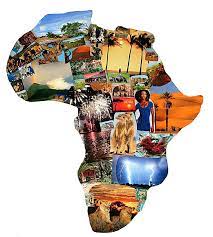
From Generation to Generation: Ensuring the Continuity of African Culture
Updated at: 2023-08-11 20:57:09 (2 years ago by Melkisedeck Leon Shine)
From Generation to Generation: Ensuring the Continuity of African Culture
As proud Africans, it is our responsibility to preserve and protect our rich and diverse culture for future generations. Our heritage is what defines us, connects us to our ancestors, and shapes our identity as a people. It is crucial that we develop effective strategies to ensure the continuity of African culture, so that it may thrive and flourish for years to come. In this article, we will explore 15 detailed points on how we can preserve African culture and heritage, and inspire the formation of "The United States of Africa" (Muungano wa Mataifa ya Afrika).
Education: Incorporate African history, traditions, and languages into the curriculum of schools across the continent. By teaching our youth about their heritage, we instill a sense of pride and belonging.
Cultural Festivals: Organize and participate in cultural festivals that celebrate the diversity of African cultures. These events provide a platform for showcasing traditional music, dance, art, and cuisine.
Oral Tradition: Preserve oral traditions by encouraging storytelling, folktales, and proverbs. This allows for the transmission of knowledge and values from one generation to the next.
Museums and Galleries: Establish and support museums and galleries that showcase African art, artifacts, and historical artifacts. These spaces serve as important repositories of our heritage.
Cultural Exchanges: Encourage cultural exchanges between different African nations. This allows for the sharing of customs, traditions, and experiences, fostering a sense of unity and understanding.
Language Revitalization: Promote the use of African languages in everyday life. Language is a crucial aspect of culture, and by preserving and revitalizing our languages, we ensure the preservation of our cultural identity.
Traditional Healing Practices: Recognize and support traditional healing practices that have been passed down through generations. These practices are an integral part of our cultural heritage and should be respected and preserved.
Intergenerational Dialogue: Encourage dialogue between different generations to bridge the gap and ensure the transmission of cultural knowledge. Elders can share their wisdom, while the younger generation can bring in new perspectives.
Cultural Entrepreneurship: Support and promote African artists, artisans, and entrepreneurs who contribute to the preservation and promotion of African culture and heritage. By investing in these industries, we create economic opportunities for our people.
Digital Preservation: Utilize technology to document and preserve cultural practices, languages, and traditions. Digital platforms can serve as valuable resources for future generations to learn about and engage with African culture.
Community Involvement: Engage the local communities in the preservation of their cultural heritage. By involving the people directly, we empower them to take ownership of their traditions and actively participate in their preservation.
Historical Sites: Protect and maintain historical sites that hold significance to our African heritage. These sites serve as reminders of our past and must be conserved for future generations to understand and appreciate.
Interdisciplinary Research: Foster interdisciplinary research that explores the connections between history, culture, and contemporary African society. This research can provide valuable insights into our cultural identity and inform preservation strategies.
Leadership and Governance: Advocate for African leaders to prioritize the preservation of culture and heritage. By integrating cultural preservation into national policies and strategies, we ensure its long-term sustainability.
Pan-African Unity: Embrace the concept of "The United States of Africa" (Muungano wa Mataifa ya Afrika). By working together as a united continent, we can pool our resources, knowledge, and efforts to preserve and promote our shared African culture and heritage.
In conclusion, the preservation of African culture and heritage is a collective responsibility that requires dedication, creativity, and unity. By implementing the recommended strategies, we can ensure that our traditions, languages, and customs are passed down from generation to generation. Let us be inspired by the words of great African leaders and take pride in our heritage.
"Culture is the fabric that holds a people together, and it is our duty to weave it with love, respect, and passion." - Nelson Mandela
Join us in this noble endeavor, share this article, and let us together preserve and celebrate our African culture! #PreserveOurHeritage #AfricanUnity #UnitedStatesofAfrica #MuunganowaMataifayaAfrika
Updated at: 2025-02-28 12:15:38 (1 year ago by Melkisedeck Leon Shine)
```htmlAfrican culture, a vibrant mosaic of traditions, languages, and artistry, transcends geographical boundaries. This rich heritage is not merely a historical artifact; it is the very foundation of our identity, a legacy we are entrusted to safeguard for future generations. Our collective responsibility lies in preserving and celebrating this invaluable legacy, fostering unity and driving the vision of a united Africa – the "United States of Africa" (Muungano wa Mataifa ya Afrika).
This article outlines a comprehensive strategy for preserving and promoting African culture, encompassing multifaceted approaches that empower individuals, communities, and nations alike.
The preservation of our rich heritage requires a concerted, multi-pronged strategy that addresses education, institutional support, community engagement, and technological advancements. Below are key strategies for achieving this monumental task:
Instilling a deep appreciation for African heritage begins with education. Curriculum should incorporate a comprehensive understanding of African history, traditions, languages, and art forms. This ensures that future generations are not only aware of their roots but also actively invested in their preservation.
Investing in and improving museums, galleries, libraries, and archives is paramount. These institutions serve as repositories of our cultural heritage, providing accessible spaces for learning, research, and connection with the past. Ensuring these resources are accessible to all communities is critical.
The oral tradition is an integral part of African culture. Stories, songs, proverbs, and historical accounts passed down through generations must be meticulously documented. Through audio and video recordings, and careful transcription, we can safeguard this invaluable knowledge before it is lost to time.
Language is the lifeblood of culture. We must actively promote the use and preservation of African languages in education, media, and daily life. Supporting language learning programs and creating multilingual resources is vital for ensuring the continued vitality of these unique linguistic expressions.
Cultural exchanges between African nations are essential for strengthening bonds, promoting mutual understanding, and fostering a sense of shared identity. These exchanges facilitate the sharing of knowledge, traditions, and artistic expressions, creating a richer tapestry of African culture.
Community participation in cultural events, festivals, and preservation projects is crucial. This fosters a sense of ownership and shared responsibility, ensuring the long-term sustainability of our cultural heritage initiatives.
Supporting local artisans and promoting traditional arts and crafts safeguards the unique skills and techniques passed down through generations. This also provides economic opportunities for communities while preserving their cultural heritage.
Responsible cultural tourism can generate economic benefits while simultaneously raising awareness and appreciation for African heritage globally. This requires careful planning to ensure the sustainability and authenticity of the cultural sites and experiences offered.
Utilizing digital technologies to create comprehensive archives of cultural artifacts, documents, and oral histories ensures accessibility and preservation for future generations. This facilitates research, education, and global access to our heritage.
Preserving historical sites, including ancient cities, archaeological sites, and sacred grounds, is crucial for maintaining our cultural identity. This requires concerted efforts in conservation, protection, and sustainable management.
Involving young people in cultural preservation activities fosters a sense of ownership and pride in their heritage. This ensures the continuation of cultural traditions and practices for generations to come.
Engaging with the African diaspora strengthens cultural ties and promotes a shared identity across borders. Collaboration with diaspora communities provides invaluable resources, perspectives, and support for heritage preservation efforts.
Governmental support is critical for effective cultural preservation. This includes allocating sufficient resources, developing supportive policies, and ensuring the implementation of protective measures for cultural heritage.
Utilizing culture as a tool for diplomacy facilitates intercultural understanding, strengthens relationships between African nations, and promotes cooperation and unity.
Investing in training and education programs empowers individuals and communities with the skills and knowledge necessary to become active participants in cultural preservation efforts. This ensures the long-term sustainability of our cultural heritage.
As Nelson Mandela profoundly stated, "A people without the knowledge of their past history, origin, and culture is like a tree without roots." Let us, therefore, embrace our roots, unite in our efforts, and strive towards the realization of the "United States of Africa" (Muungano wa Mataifa ya Afrika). By working together, we can ensure that our rich and diverse heritage flourishes for countless generations to come. Let us actively participate in the preservation of our heritage, inspire others to join this endeavor, and collectively build a brighter future for Africa.
```
Updated at: 2025-02-28 10:57:44 (1 year ago by Melkisedeck Leon Shine)
```htmlAfrica's vibrant tapestry of cultures is inextricably woven with its diverse linguistic landscape. Over 2,000 languages thrive across the continent, each carrying unique histories, traditions, and perspectives. These languages are not mere tools of communication; they are the custodians of our collective identity, the vessels through which we transmit ancestral wisdom and shape our future. However, many African languages face the critical challenge of endangerment, demanding urgent and concerted preservation efforts.
The responsibility for safeguarding these invaluable linguistic resources rests not solely with governments or institutions, but with every individual who cherishes Africa's rich heritage. This article explores a comprehensive strategy, encompassing collaborative action and innovative solutions, to revitalize and secure the future of Africa's languages.
Effective language preservation requires a multi-pronged approach that addresses various interconnected aspects of cultural transmission and societal engagement. The following strategies are crucial for ensuring the resilience of African languages:
Promoting the use of indigenous languages in everyday life, from homes and schools to marketplaces and media, is paramount. Celebrating linguistic diversity through cultural events, festivals, and public awareness campaigns instills a sense of pride and ownership in our languages, encouraging their continued use.
Education plays a pivotal role in cultural preservation. Incorporating indigenous languages into school curricula, from early childhood education to higher learning, empowers the younger generation to connect with their heritage while gaining essential knowledge and skills. Bilingual and multilingual educational programs can foster fluency and appreciation for diverse linguistic expressions.
Targeted funding for language revitalization programs is essential. These initiatives should include language classes taught by native speakers, the development of educational materials in local languages, and the creation of digital resources such as online dictionaries and language-learning applications.
Encouraging multilingualism—proficiency in multiple languages, both local and international—benefits individuals and societies. This fosters greater cross-cultural understanding, strengthens social cohesion, and helps preserve African languages within a globalized world.
Africa’s rich oral traditions—including storytelling, proverbs, songs, and poems—are invaluable repositories of cultural knowledge. Systematic efforts to record, archive, and disseminate these traditions through various media ensure their accessibility and continuity for future generations. This includes collaborating with community elders and oral historians to capture and preserve this invaluable knowledge.
Facilitating intergenerational language transmission is vital. Mentorship programs, family-based language learning, and community-led initiatives can create opportunities for elders to share their linguistic knowledge and cultural wisdom with younger generations.
Establishing networks that connect language experts, scholars, community leaders, and technology developers fosters collaboration and resource sharing. These networks can conduct research, develop effective preservation strategies, and organize language-related events and workshops.
Harnessing technological advancements is crucial. Developing digital platforms, language learning apps, and online resources that incorporate African languages enhances accessibility and engagement. This includes creating language-specific software, voice recognition tools, and online dictionaries.
Promoting the use of African languages in television, radio, film, and print media increases their visibility and relevance in contemporary society. This fosters a sense of pride and encourages wider adoption among different age groups.
Community engagement is crucial. Organizing language festivals, workshops, and cultural exchanges builds a sense of ownership and pride in local languages. This grassroots participation ensures sustainable long-term preservation efforts.
Collaboration across borders is vital, especially where languages are shared across national boundaries. Sharing strategies, resources, and best practices strengthens collective efforts and maximizes impact.
Ensuring that African languages are integrated into technology, including software development, mobile applications, and digital platforms, fosters their use in modern contexts. This bridges the gap between traditional knowledge and contemporary technologies.
Designating specific days or events to celebrate African cultural heritage, with languages at the forefront, raises awareness and appreciation for linguistic diversity.
Preserving indigenous place names protects cultural memory and heritage. These names often hold deep historical and cultural significance, and their preservation is vital for maintaining cultural identity.
Promoting African unity through a shared understanding and appreciation of linguistic diversity strengthens the bonds between different communities and nations. This underscores the shared heritage of the continent and fosters a sense of collective identity.
The preservation of African languages is a collective endeavor, requiring sustained commitment from individuals, communities, governments, and international organizations. By embracing these multifaceted strategies, we can ensure that the rich linguistic heritage of Africa thrives for generations to come, shaping a future where diversity is celebrated and cultural identity is strengthened.
```
Updated at: 2025-05-06 22:45:47 (1 year ago by Melkisedeck Leon Shine)
The vitality of African languages is intrinsically linked to the preservation of rich cultural heritage and the affirmation of collective identity. However, numerous African languages face endangerment, threatening the irreplaceable loss of unique traditions, knowledge systems, and cultural values. This necessitates a concerted and multifaceted strategy for language revitalization, grounded in linguistic anthropology, sociolinguistics, and community development principles. This article proposes a comprehensive framework for safeguarding African languages, emphasizing community empowerment and fostering a prosperous and unified African future.
1. Cultivating Linguistic Awareness and Education: Raising awareness regarding the significance of language preservation is paramount. This involves employing community-based participatory education methodologies to instill pride and ownership of mother tongues, particularly among youth. The application of Freire's critical pedagogy, emphasizing dialogue and empowerment, is crucial in fostering genuine engagement. Educational initiatives should highlight the cognitive benefits of multilingualism, demonstrated by research in cognitive psychology, showcasing improved cognitive flexibility and executive function in multilingual speakers.
2. Strategic Language Revitalization Programs: The implementation of structured language revitalization programs is essential. These programs should integrate language immersion, culturally relevant curriculum design informed by ethnographic research, and community-based language learning initiatives. Successful programs frequently incorporate elements of the "language nest" model, emphasizing early childhood immersion and intergenerational language transmission. Program evaluation should utilize robust quantitative and qualitative methodologies, measuring language proficiency and community engagement to ensure efficacy.
3. Harnessing the Power of Community Engagement: Active community participation is the cornerstone of successful language preservation. This requires adopting a community development approach, empowering local communities to lead and manage their own language revitalization initiatives. The use of participatory action research methods can facilitate community ownership and ensure programs are culturally appropriate and sustainable. This community-led approach aligns with principles of social capital theory, emphasizing the importance of strong social networks in fostering collective action.
4. Incorporating Intergenerational Knowledge Transfer: Elders possess invaluable linguistic and cultural knowledge. Structured mentorship programs connecting elders with younger generations, based on principles of apprenticeship learning, are crucial. These programs should involve documenting oral traditions, storytelling, and traditional practices, utilizing digital recording technologies to preserve this invaluable heritage. This approach draws upon the principles of knowledge management and ensures the transmission of culturally significant knowledge across generations.
5. Comprehensive Language Documentation: Systematic documentation of endangered languages is a critical preservation strategy. This involves creating comprehensive language corpora, including dictionaries, grammars, and audio-visual archives. Utilizing digital technologies and open-source platforms ensures accessibility and fosters collaborative documentation efforts across multiple communities. This digital archiving leverages the principles of information and communication technology (ICT) for development, promoting sustainable language preservation.
6. Integrating African Languages into Formal Education: Integrating African languages into school curricula is imperative. This promotes linguistic pluralism and strengthens cultural identity. Curriculum development should align with linguistic and educational best practices, utilizing evidence-based methodologies for effective language teaching and learning. This integration aligns with principles of culturally responsive pedagogy, promoting inclusive and equitable education.
7. Leveraging Technology and Media for Language Promotion: The strategic use of technology and media is vital. This includes developing language learning apps, creating digital language resources, and promoting African languages in mainstream media. The utilization of social media platforms and mobile technologies can effectively reach wider audiences and foster language learning in informal settings. This approach aligns with principles of digital literacy and digital inclusion.
8. Facilitating Cross-Cultural and Cross-Linguistic Exchanges: Promoting cultural exchanges between African countries fosters appreciation for linguistic diversity. Organizing language camps, exchange programs, and collaborative research projects can strengthen linguistic ties and facilitate knowledge sharing. This emphasizes the role of intercultural communication in building bridges between communities and promoting mutual understanding.
9. Securing Government Support and Policy Development: Governmental support is crucial. This includes establishing language policies that promote multilingualism, allocating resources for language preservation initiatives, and integrating language revitalization efforts into national development plans. This approach necessitates a strong advocacy strategy to demonstrate the socio-economic benefits of language diversity. The effective use of policy analysis tools can shape impactful policies.
10. Strengthening Family and Community-Based Language Transmission: Promoting the use of African languages within families and communities is fundamental. Encouraging parents to speak their mother tongues at home and fostering intergenerational communication are critical for language sustainability. Community-based parenting programs can empower families to actively participate in language transmission. This builds on the concept of family language policy and its influence on language development and maintenance.
11. Building International Partnerships and Collaboration: Learning from international best practices is invaluable. Collaborating with international organizations and experts provides access to knowledge and resources, promoting the sharing of effective language revitalization strategies. This approach leverages the principles of international cooperation and builds capacity in local communities.
12. Celebrating Linguistic Pluralism and Multilingualism: Rather than viewing linguistic diversity as a challenge, it should be celebrated as a strength. Promoting multilingualism fosters inclusivity and strengthens inter-community communication. This approach underscores the social and economic benefits of linguistic diversity, dispelling misconceptions about the challenges of multilingual societies.
13. Inspiring Leadership and Fostering National Pride: The legacy of Pan-African leaders who understood the importance of language preservation serves as a powerful inspiration. Their vision must be carried forward by fostering a sense of national pride and collective responsibility in safeguarding linguistic heritage. This approach utilizes inspirational leadership to mobilize communities and governments to invest in language preservation.
14. Promoting Ownership and Celebrating Cultural Identity: Cultivating pride in linguistic heritage is essential. By valuing and promoting African languages, a positive narrative is created that encourages active community engagement in language revitalization efforts. This approach focuses on creating positive social norms around language use and fosters cultural pride.
Conclusion and Recommendations: The preservation of African languages is not merely a cultural endeavor but a critical component of social justice and equitable development. A comprehensive strategy, integrating the aforementioned elements, is necessary to ensure the long-term sustainability of these languages. Future research should focus on evaluating the effectiveness of different revitalization strategies across diverse linguistic and cultural contexts. This includes developing refined methodologies for measuring language vitality, assessing the impact of language policies, and investigating innovative approaches to community-based language learning and transmission. Collaborative research initiatives between African institutions and international partners are essential to generate knowledge and support effective implementation. Investing in language preservation is an investment in the future of Africa, fostering social cohesion, cultural richness, and sustainable development. The goal is not simply to preserve languages, but to empower communities to utilize these languages as tools for social and economic advancement, creating a vibrant and multilingual African future.
Updated at: 2025-02-21 20:08:15 (1 year ago by Melkisedeck Leon Shine)
```htmlAfrica's vibrant tapestry of traditions, customs, and artistic expressions forms the bedrock of its identity, a source of both immense pride and enduring inspiration. In a world characterized by rapid change, the preservation of this rich heritage is not merely a responsibility but a vital necessity. This article explores fifteen key strategies crucial for ensuring the continuity of African culture for generations to come, emphasizing the critical role of artisans and collaborative efforts.
1. The Enduring Power of Oral Tradition: Storytelling, a cornerstone of African culture, serves as a powerful conduit for transmitting ancestral wisdom, legends, and myths. Actively engaging in and supporting the continuation of oral traditions ensures that the narratives that define our collective identity remain alive and vibrant.
2. Cataloging and Protecting Cultural Artifacts: The meticulous documentation of historical artifacts, encompassing their historical context, significance, and associated stories, is paramount. This process secures their legacy and ensures that future generations understand their profound value and meaning within the broader cultural landscape.
3. Integrating Cultural Education into the Curriculum: The inclusion of African history, art, and culture in educational curricula is essential. By fostering a deep understanding of their heritage in young minds, we empower them to become active custodians of their traditions, contributing to their preservation and promotion.
4. Establishing Dedicated Cultural Centers: The creation of dedicated cultural centers provides essential spaces for showcasing and preserving African art, music, dance, and literature. These hubs serve not only as educational resources but also as vibrant community gathering places, fostering cultural exchange and appreciation.
5. Supporting the Artisans: The Heartbeat of Cultural Preservation: African artisans play a pivotal role in preserving cultural heritage. Supporting their craft through patronage and market access ensures the survival and transmission of these invaluable skills across generations. This direct engagement supports both the individuals and the cultural legacy they embody.
6. Global Collaboration: Sharing Our Heritage with the World: Partnerships with international museums, universities, and cultural organizations facilitate cross-cultural exchange, increasing global awareness and appreciation of African heritage while opening up new avenues for preservation and research.
7. Harnessing the Power of Digital Platforms: Utilizing digital platforms, including websites, social media, and online exhibitions, allows for the dissemination of African cultural traditions to a global audience, transcending geographical boundaries and connecting with a wider community of enthusiasts.
8. Celebrating Unity Through Cultural Festivals: Organizing and participating in cultural festivals that showcase the diverse traditions of various African countries promotes unity and fosters a profound sense of collective pride in a rich and varied heritage.
9. Preserving the Rhythms and Movements of Traditional Arts: Music and dance are integral to African culture. Supporting local musicians and dancers and fostering the preservation of traditional rhythms, melodies, and dance forms safeguard these essential elements of cultural expression.
10. Reviving Indigenous Languages: The Foundation of Culture: Language is the cornerstone of culture. Initiatives to revitalize and promote the use of indigenous African languages ensure their continuity and prevent the erosion of vital aspects of cultural identity.
11. Protecting Sacred Sites: Preserving History and Spirituality: The safeguarding of sacred sites—ancient temples, burial grounds, and significant natural landmarks—is crucial. These locations hold profound cultural and historical importance and must be protected for future generations.
12. Engaging Youth in Cultural Activities: Cultivating Future Guardians: Actively involving young people in cultural activities such as traditional dance classes, art workshops, and language lessons instills a sense of pride in their heritage and empowers them to become cultural ambassadors.
13. Facilitating Cultural Exchange Programs: Bridging Communities: Establishing exchange programs between African countries allows artisans, musicians, and cultural practitioners to share skills and traditions, fostering mutual learning and strengthening cross-cultural bonds.
14. Promoting Culturally Focused Tourism: Sustainable and Respectful Engagement: Responsible tourism that highlights African cultural heritage attracts visitors while creating economic opportunities for local communities, fostering sustainable development linked to cultural preservation.
15. Advocating for Supportive Cultural Policies: Ensuring a Legacy of Preservation: Advocating for national and continental cultural policies that prioritize heritage preservation and promotion ensures a framework for long-term safeguarding and sustainable continuity.
Nelson Mandela's powerful words, "A nation without a culture is a nation without a soul," serve as a potent reminder of the profound importance of preserving African cultural heritage. By embracing our traditions, celebrating our diversity, and fostering African unity, we create a future where our cultural heritage not only survives but thrives. Let us all contribute to this vital endeavor, ensuring that the soul of Africa continues to resonate for generations to come. Share this article and inspire others to join the movement. #PreserveAfricanCulture #AfricanUnity #CulturalHeritage
```
Updated at: 2025-06-22 10:48:57 (11 months ago by Melkisedeck Leon Shine)
Digital Preservation of African Cultural Heritage: A Strategic Framework
African cultural heritage, a multifaceted tapestry encompassing millennia-old traditions, languages, arts, and customs, forms the cornerstone of African identity and provides an indispensable link to ancestral legacies. This rich heritage, however, faces considerable challenges posed by the passage of time and societal transformations. The digital realm presents unparalleled opportunities for the preservation and dissemination of this heritage, necessitating a strategic approach grounded in established preservation principles and leveraging contemporary technological advancements. This article proposes a comprehensive framework for the digital preservation of African cultural heritage, incorporating key concepts such as digital archiving (the systematic process of acquiring, organizing, preserving, and providing access to digital cultural materials, employing established archival principles like the Open Archival Information System (OAIS) reference model), intellectual property rights (the legal rights safeguarding the creations of original works, adhering to international copyright laws and ethical guidelines), and community engagement (active participation of community members throughout the preservation process, aligning with participatory action research principles). We will explore the practical application of these concepts to ensure the long-term viability and accessibility of this invaluable heritage.
1. Protecting Intellectual Property Rights: Prioritizing the intellectual property rights of creators and custodians is paramount to prevent exploitation and uphold ethical practices. This requires establishing transparent guidelines and mechanisms for copyright management, implementing informed consent procedures for digital utilization, and fostering collaboration with relevant legal and cultural institutions. This framework adheres to international copyright laws and ethical guidelines for handling cultural materials in the digital sphere. Failure to address this critically impacts the long-term sustainability of any preservation project, potentially leading to legal challenges and undermining community trust. Real-world applications involve developing clear licensing agreements, using Creative Commons licenses where appropriate, and establishing robust mechanisms for tracking and managing intellectual property rights.
2. Establishing Comprehensive Digital Archives: The foundation of successful digital preservation lies in the creation of robust and accessible digital archives. These archives must adhere to international best practices, incorporating structured metadata schemas for detailed item descriptions and enhanced searchability. This addresses the challenges inherent in managing diverse cultural materials by ensuring long-term preservation and accessibility using established archival principles and standards. Implementation of the OAIS reference model for metadata management and the adoption of widely-accepted, long-term viable file formats are crucial. This approach ensures future access and interoperability, mitigating the risk of technological obsolescence. A practical example involves utilizing standardized metadata schemas such as Dublin Core and implementing robust digital asset management systems.
3. Strategic Community Engagement and Crowdsourcing: Active community participation in identifying, documenting, and preserving their heritage is essential for ensuring authenticity and ownership. Crowdsourcing initiatives, leveraging the collective knowledge and resources of community members, can effectively document intangible cultural heritage, including oral traditions, traditional skills, and local knowledge. This participatory approach aligns with the principles of participatory action research, minimizing misrepresentation and exploitation. Practical applications include community-based workshops and online platforms for collaborative documentation, involving community members in all stages of the process.
4. Youth Engagement and Capacity Building: Investing in the next generation is crucial for the long-term sustainability of digital preservation initiatives. Educational programs and workshops, focusing on digital literacy and archival skills, empower younger generations to become active custodians of their heritage. This aligns with the principles of generational knowledge transfer and fosters a sense of cultural ownership. Employing interactive digital tools and games can enhance engagement and learning. This is exemplified by creating tailored educational programs in schools and community centers, integrating digital preservation skills into existing curricula, and developing engaging digital resources for learning.
5. Leveraging Technology for Enhanced Accessibility: Digital technologies offer various avenues for increasing accessibility and reach. Websites, mobile applications, and social media platforms offer interactive spaces for showcasing cultural heritage to global audiences. Moreover, immersive technologies such as virtual reality (VR) and augmented reality (AR) provide engaging experiences that allow remote exploration of cultural sites and artifacts, fostering cultural appreciation and understanding. This approach aligns with universal design principles, ensuring accessibility for diverse audiences, including those with disabilities. Examples include creating interactive virtual tours of museums and historical sites, developing mobile apps with multilingual content, and utilizing accessible design principles in digital platforms.
6. Collaboration and Knowledge Sharing: Successful digital preservation necessitates collaboration between experts in digital preservation, educational institutions, and international organizations. This fosters knowledge sharing, resource mobilization, and the development of standardized preservation protocols tailored to the specific needs of various African communities. This collaborative approach is grounded in the concept of collaborative knowledge creation, promoting best practices and minimizing redundancy. This can be implemented through the establishment of networks and partnerships, the organization of workshops and conferences, and the sharing of best practices and resources through online platforms.
7. Preservation of Endangered Languages: Digital technologies offer invaluable tools for preserving endangered African languages. Developing digital language resources, such as online dictionaries, language learning platforms, and digital archives of oral narratives, ensures the continued use and vitality of these languages. This approach promotes linguistic diversity and safeguards cultural identities. This strategy requires investing in the creation of digital language resources, developing language learning applications, and documenting endangered languages through audio and video recordings.
8. Integrating Digital Preservation into Cultural Festivals and Tourism: Integrating digital technologies into cultural festivals and tourism initiatives increases the visibility and accessibility of African cultural heritage. Digital documentation of festivals and creation of virtual tours of cultural sites attract wider audiences, stimulating cultural exchange and understanding. This approach leverages the power of tourism and cultural events to raise awareness and generate economic opportunities for communities. Examples include developing virtual reality experiences of cultural festivals, using social media for promoting cultural heritage tourism, and providing digital information panels at cultural sites.
Conclusions and Recommendations: The digital preservation of African cultural heritage is not solely a technological undertaking but a critical cultural and societal imperative. The proposed framework, grounded in established preservation principles and contemporary technological capabilities, provides a holistic approach. Its success hinges on collaborative efforts involving communities, governments, educational institutions, and international organizations. Future research should concentrate on developing innovative, context-specific digital preservation techniques, improving the scalability of current methods, and addressing the long-term challenges of data storage and access. Furthermore, ongoing monitoring and evaluation are crucial for ensuring the effectiveness and sustainability of these initiatives. Sustainable funding models are also critical for long-term success. The positive impacts encompass enhanced cultural preservation, strengthened community ownership, increased accessibility of cultural heritage for global audiences, and economic development through cultural tourism and the creation of intellectual property. A robust evaluation framework, incorporating both quantitative and qualitative measures, is essential to assess the impact and effectiveness of these strategies. This includes tracking user engagement with digital resources, monitoring the long-term preservation of digital assets, and conducting regular community feedback sessions. A lifecycle approach to evaluating the project’s sustainability, from initial implementation to long-term maintenance and potential transfer of ownership to community members, needs careful consideration. This approach will help determine the project’s cost-effectiveness and efficiency.
Reader Pool: Considering the challenges of ensuring long-term sustainability and equitable access, how can we best design digital preservation strategies that empower local communities to become active custodians of their own cultural heritage?
Updated at: 2025-02-20 04:49:18 (1 year ago by Melkisedeck Leon Shine)
Africa's vibrant tapestry of rituals and ceremonies, woven through generations, represents a profound cultural heritage. Preserving this legacy is not merely an act of remembrance; it's a commitment to shaping a unified and prosperous future for the continent. This article explores comprehensive strategies for safeguarding African cultural heritage, contributing significantly to the vision of a united Africa – Muungano wa Mataifa ya Afrika.
Education: The Foundation of Preservation
Understanding our traditions is the first step towards preserving them. Comprehensive education, reaching both children and adults, is crucial. This involves incorporating African cultural studies into formal curricula, developing engaging educational materials, and fostering community-based learning initiatives that actively engage all age groups in exploring the historical context and cultural significance of our rituals and ceremonies.
Documentation and Research: Capturing Our Stories
Thorough documentation is vital to ensure our traditions endure. This involves meticulously recording traditional dances, songs, and rituals using diverse methods including audio and video recordings, photography, and detailed written accounts. Collaborations with museums, libraries, archives, and cultural institutions are essential for the long-term preservation and accessibility of this invaluable information.
Cultural Exchange: Bridging Continents, Uniting Cultures
Cultural exchange programs, both within Africa and internationally, facilitate the sharing of traditions and foster mutual understanding and respect. These programs provide opportunities for dialogue, collaboration, and the appreciation of diverse cultural expressions. The exchange of knowledge and artistic practices strengthens bonds between communities and nations, building bridges of unity and fostering a shared sense of African identity.
Revitalizing Traditional Arts: A Celebration of Creativity
Supporting and promoting traditional art forms—dance, music, storytelling, visual arts—is paramount. Creating platforms for artists to showcase their talents, providing access to resources and training opportunities, and integrating traditional art into contemporary contexts ensures their continued relevance and transmission to future generations. This not only preserves heritage but also fosters economic empowerment within artistic communities.
Integrating Heritage into Education: Nurturing Future Generations
Formal education systems hold a key role in shaping future generations' understanding and appreciation of their heritage. Integrating African cultural education into curricula—from primary schools to universities—cultivates a sense of pride and belonging. This necessitates developing engaging teaching materials, integrating cultural events into the academic calendar, and fostering partnerships between schools and community cultural organizations.
Cultural Tourism: Sharing Our Heritage, Building Our Economy
Promoting cultural tourism offers both economic benefits and opportunities for intercultural dialogue. By showcasing rituals and ceremonies to visitors, we share our heritage while simultaneously generating income that can be reinvested in preservation efforts. This approach also creates an avenue for fostering understanding and appreciation of African cultures on a global scale.
Intergenerational Transmission: Passing the Torch
Creating dedicated spaces and opportunities for intergenerational dialogue is essential for preserving knowledge. Facilitating the transmission of wisdom and experiences from elders to younger generations ensures that traditions are not merely preserved but actively practiced and celebrated. These could involve mentorship programs, storytelling sessions, and community events designed to connect different generations.
Community Engagement: Shared Ownership, Shared Pride
Active community participation is crucial for the success of any cultural preservation initiative. Involving communities in cultural events, festivals, and decision-making processes fosters a sense of ownership and pride. This encourages active participation, ensuring traditions remain vibrant and relevant within the communities they originate from.
Cultural Entrepreneurship: Innovation and Sustainability
Empowering cultural entrepreneurs plays a vital role in the sustainability of heritage preservation. Supporting businesses and initiatives that creatively integrate and promote traditional arts contributes both economically and culturally. This requires access to funding, training, and market opportunities, empowering local communities to become active participants in preserving their own cultural heritage.
Pan-African Collaboration: A United Front for Preservation
Collaboration between African nations is paramount. Sharing resources, expertise, and best practices strengthens preservation efforts across the continent. Joint initiatives, cross-border projects, and the establishment of regional networks are essential for building a collective approach to safeguarding Africa's diverse cultural heritage.
Protecting Sacred Sites: Preserving Places of Significance
Sacred sites hold immense historical and cultural value. Their protection requires a multi-pronged approach involving legal frameworks, community stewardship, and sustainable tourism management. This ensures these places remain accessible for future generations, allowing for continued practice and appreciation of the rituals and ceremonies associated with them.
Leveraging Technology: Expanding Reach and Accessibility
Technology offers powerful tools for cultural preservation. Utilizing digital platforms, social media, and online archives expands the reach of cultural knowledge. Creating accessible digital repositories of traditional arts, songs, and historical accounts ensures wider access and promotes cross-cultural understanding.
International Partnerships: Amplifying the Message
Collaborating with international organizations dedicated to cultural preservation provides access to additional resources, expertise, and global platforms. These partnerships can help amplify the voice of African communities, promoting understanding and supporting preservation initiatives on a global scale.
Sustainable Funding: Investing in Our Future
Securing adequate funding from governments, private sector organizations, and international donors is essential. Investing in infrastructure, research, education, and community-led initiatives ensures the long-term sustainability of cultural preservation efforts.
Embracing Change: Adapting While Preserving
Cultural heritage is not static. While preserving authenticity is paramount, allowing for adaptation and evolution ensures the continued relevance of traditions within a changing world. This dynamic approach ensures that cultural heritage remains vibrant, adapting to contemporary contexts while maintaining its core values.
The preservation of African cultural heritage is a collective responsibility. By embracing these strategies, we can ensure the enduring legacy of our rich traditions and contribute to the vision of a united and prosperous Africa. Share your own experiences and ideas in the comments below—let’s work together to preserve our shared heritage for generations to come.
Updated at: 2025-02-20 11:12:15 (1 year ago by Melkisedeck Leon Shine)
```htmlAfrica's diverse cultural landscape boasts a treasure trove of traditional healing practices, passed down through countless generations. These time-honored methods, deeply intertwined with the continent's natural environment, represent an invaluable aspect of African heritage. However, the relentless march of modernization and globalization poses a significant threat to this legacy. Urgent and concerted action is needed to preserve and protect these irreplaceable traditions, ensuring their continuity for generations to come. This article outlines a comprehensive, multi-pronged strategy emphasizing collaboration, holistic thinking, and a unified approach to achieving this critical objective.
Education and Awareness: A Foundation for Preservation
Instilling pride and appreciation for Africa's rich cultural heritage starts with education. Sharing the inspiring stories of renowned traditional healers and highlighting the profound significance of these practices within communities is paramount. This requires actively disseminating knowledge both within Africa and globally, showcasing the depth and value of ancestral healing methods. Nelson Mandela's powerful statement, "Traditional healing is the heartbeat of our nation," underscores the enduring legacy of these practices.
Rigorous Documentation and Research: Unveiling the Secrets of Traditional Medicine
Meticulous documentation and rigorous scientific research of African medicinal and healing practices are essential for preserving this knowledge for future generations. This allows us to build upon the foundations laid by our ancestors and unlock the potential of traditional remedies. A systematic approach, involving collaboration between traditional healers, researchers, and academic institutions, will lead to a comprehensive understanding and preservation of this invaluable knowledge base. This research should encompass botanical studies, pharmacological analyses, and anthropological investigations.
Institutional Support and Funding: Investing in a Healthier Future
Governments and institutions have a pivotal role in safeguarding this heritage. Dedicated funding and the establishment of specialized research centers focused on the preservation and study of traditional African healing practices are crucial. This investment not only protects cultural identity but also holds immense potential for groundbreaking discoveries in medicine and healthcare, benefiting Africa and the world.
Bridging the Gap: Integrating Traditional and Modern Healthcare
A truly holistic approach to healthcare requires collaboration between traditional healers and modern medical practitioners. Integrating the wisdom of traditional methods with the advancements of modern medicine can create a more comprehensive and effective healthcare system that is both culturally relevant and scientifically sound. This collaborative model fosters mutual respect and understanding, leveraging the strengths of both systems to improve patient outcomes.
Integrating Tradition into Mainstream Healthcare: A Path Towards Equitable Access
As Africa continues its journey of economic and political development, the integration of traditional healing practices into mainstream healthcare systems is not merely desirable; it is essential for equitable access to healthcare. This integration requires a conscious effort to recognize and validate the efficacy of traditional methods, ensuring equitable access for all members of society. The goal is to create a uniquely African healthcare system that reflects our diverse cultural identity and healing traditions.
Protecting Intellectual Property: Ensuring Fair Compensation and Recognition
The intellectual property rights of traditional healers and practitioners must be vigorously protected. This demands legislative action and international cooperation to prevent the exploitation and misappropriation of their knowledge and expertise. Ensuring fair compensation and recognition for their contributions is a matter of ethical responsibility and economic justice.
Global Cultural Exchange: Sharing Knowledge and Fostering Understanding
Participating in global cultural exchange programs allows Africa to share its healing traditions with the world and learn from other cultures. This fosters a greater understanding and appreciation of diverse healing practices, enriching knowledge and promoting intercultural dialogue and cooperation.
Empowering Local Healers: A Symbiotic Relationship for Community Growth
Supporting local healers through patronage and seeking their guidance not only preserves their traditions but also contributes to the economic empowerment of communities. This symbiotic relationship strengthens both the cultural and economic fabric of African societies.
Reviving Neglected Practices: Reclaiming Lost Knowledge
In some areas, traditional healing practices have declined. Active efforts are needed to revive these practices by engaging with elders, documenting their knowledge, and incorporating these traditions into modern healthcare settings. This requires community involvement and effective intergenerational knowledge transfer.
Community-Based Preservation: Fostering Collective Ownership
Communities are the custodians of cultural heritage. Organizing community events, workshops, and festivals that celebrate and honor these traditions is vital for fostering a sense of collective responsibility and ownership.
International Collaboration and Partnerships: A Global Effort for Preservation
Collaborating with other nations and international organizations to share best practices and learn from their experiences in preserving cultural heritage is crucial. This collaborative approach strengthens preservation efforts globally through the exchange of knowledge, resources, and support.
Digital Preservation and Accessibility: Sharing Knowledge Through Technology
Harnessing the power of digital technologies to document and share African healing traditions with a global audience is essential for preserving and promoting this heritage for future generations. This involves creating online archives, developing interactive educational materials, and utilizing digital platforms to reach broader audiences.
Legislative Frameworks and Legal Protection: Ensuring Lasting Safeguards
Advocating for legislation that protects and recognizes the value of African healing traditions is crucial. This involves working with policymakers to establish legal frameworks that safeguard this cultural heritage for future generations and prevent its exploitation.
Interdisciplinary Research and Innovation: A Holistic Approach to Understanding and Application
Interdisciplinary research, involving experts from anthropology, botany, pharmacology, and other fields, can unlock the full potential of African medicine. This collaborative approach allows for a more comprehensive understanding of traditional practices and facilitates the development of innovative healthcare solutions.
Unity and Collaboration: The Cornerstone of Success
Above all, unity and collaboration are paramount. A united Africa, working together to preserve its cultural heritage, can achieve remarkable progress. This requires concerted efforts from governments, institutions, communities, and individuals, all working towards a shared vision of a vibrant and thriving African future.
In conclusion, preserving Africa's rich healing traditions is not merely a cultural endeavor; it is a crucial investment in future health, well-being, and economic prosperity. By embracing these strategies and working collaboratively, Africa can ensure that the wisdom and knowledge of its ancestors continue to enrich and empower generations to come. Let us, as a united continent, safeguard this invaluable heritage and build a brighter, healthier future for all Africans. #PreservingAfricanHeritage #UnitedAfrica #StrengthInUnity
```
Updated at: 2025-02-28 09:00:45 (1 year ago by Melkisedeck Leon Shine)
Africa, a continent of breathtaking diversity, boasts a rich tapestry of cultures and traditions woven from the threads of ancient wisdom passed down through generations. This legacy reflects the resilience, creativity, and unparalleled beauty of the African people. However, facing the complexities of the modern world, a proactive and strategic approach is vital to ensure the preservation and nurturing of this invaluable heritage for future generations. This shared responsibility demands a collective effort from all Africans to safeguard our cultural legacy and ensure its enduring presence.
The following fifteen strategies provide a detailed roadmap for achieving this crucial goal:
The preservation of African culture and heritage is not merely a possibility; it is a necessity for our collective identity and the future of the continent. Embracing these strategies with unwavering commitment and collaboration will ensure that the rich legacy of ancient wisdom continues to inspire and empower generations to come. Join us in this transformative journey, and together, we can safeguard the magnificent tapestry of African heritage for eternity.
Share your personal experiences and initiatives in preserving African culture and heritage. Let's inspire one another and collectively build a future where African heritage thrives. Share this article widely to amplify our shared commitment to preserving African heritage. #PreserveAfricanHeritage #AfricanUnity #CulturalDiversity #AfricanPride
Updated at: 2025-03-01 23:16:00 (1 year ago by Melkisedeck Leon Shine)
```htmlAfrica's vibrant tapestry of cultures and traditions represents a legacy of unparalleled richness and diversity. Each unique cultural expression holds profound historical significance and contributes to the vibrant identity of the continent. As stewards of this inheritance, our collective responsibility extends to preserving and protecting this invaluable heritage for future generations. This isn't merely a matter of pride; it's about safeguarding the very threads that connect us to our roots, shaping our identities, and informing our understanding of ourselves and our place in the world. This article explores a range of strategies vital for the effective preservation of Africa's irreplaceable cultural heritage.
Instilling a deep understanding of African culture in the youth is fundamental. Integrating African history, traditions, and customs into educational curricula – through engaging storytelling, vibrant cultural festivals, and interactive learning – fosters a genuine appreciation for heritage. This approach cultivates a sense of ownership and pride, motivating young people to become active participants in preserving their cultural legacy for years to come. Interactive learning experiences and community involvement further enhance this process.
Oral traditions—including storytelling, proverbs, and folktales—serve as invaluable repositories of historical knowledge, cultural values, and ancestral wisdom. Actively promoting and preserving these oral traditions ensures the transmission of knowledge across generations, keeping the spirit of our ancestors alive and relevant in the modern world. Rigorous documentation and preservation efforts are essential to safeguard this living heritage and its enduring power.
Facilitating cultural exchange programs—both within Africa and internationally—fosters mutual understanding and appreciation of the continent's diverse cultures. These initiatives, encompassing art, music, dance, and language exchange, build bridges between communities, fostering collaboration and shared cultural appreciation. Such interactions enhance global understanding of African cultures and their remarkable contributions to humanity.
Investing in and supporting museums and cultural centers creates vital spaces for exhibiting and preserving African artifacts, art, and historical records. These institutions serve not only as repositories but also as dynamic educational platforms, engaging the public and fostering greater appreciation for Africa's rich past. Accessibility and inclusivity in design are paramount, ensuring everyone can participate in learning and engagement.
The continuation of traditional practices—ceremonies, rituals, and artisanal skills like weaving, pottery, and traditional medicine—is crucial for maintaining the vibrancy of our cultural heritage. Supporting these practices through workshops, apprenticeships, and economic empowerment initiatives ensures their survival and adaptation within contemporary society. These living traditions represent a dynamic link to the past, offering invaluable insights into the cultural fabric of Africa.
Thorough documentation of cultural heritage through photographs, videos, written records, and audio recordings safeguards traditions from being lost. Making this documentation readily accessible through libraries, archives, and online platforms ensures longevity and facilitates its use for research, education, and cultural appreciation. Digital preservation is crucial in ensuring broader access and preventing irreparable loss.
Promoting responsible cultural tourism not only showcases the richness of African culture but also generates economic opportunities for local communities. By showcasing authentic traditions and experiences, we attract tourists genuinely interested in engaging with and learning from our heritage, creating sustainable economic benefits. Prioritizing ethical and sustainable practices ensures the long-term preservation of the cultural landscape.
Actively involving communities in cultural preservation initiatives fosters ownership and pride in their heritage. Community-led projects, cultural festivals, and workshops on traditional practices empower local communities to become active participants, guaranteeing the sustainability and authenticity of preservation efforts. This participatory approach prioritizes local knowledge and expertise.
Creating platforms for intergenerational dialogue enables the seamless transfer of knowledge and wisdom. Mentorship programs, storytelling circles, and community gatherings facilitate this vital exchange, ensuring the continuity of cultural traditions and practices. Respecting the knowledge and experiences of elders is fundamental to this process.
Governments play a crucial role through supportive policies that protect cultural sites, fund cultural initiatives, and enforce legislation safeguarding intellectual property. This commitment is essential for the long-term protection and preservation of Africa's invaluable cultural heritage. Strong legal frameworks and adequate funding are vital for effective preservation efforts.
Collaborating with international organizations and institutions expands opportunities for knowledge exchange, funding, and support. Partnerships with organizations like UNESCO and participation in international cultural exchange programs broaden the reach and impact of preservation initiatives. Global cooperation enhances the effectiveness of cultural preservation efforts.
Leveraging digital platforms for archiving and disseminating cultural heritage ensures accessibility to a wider audience. Creating online archives, virtual museums, and digital storytelling platforms expands the reach of cultural preservation efforts, making them readily available to people across the globe. Digital technologies can greatly enhance accessibility and preservation efforts.
Protecting and promoting indigenous languages is vital for maintaining cultural identity. Integrating local languages into education, media, and everyday communication preserves linguistic diversity and safeguards the cultural knowledge embedded within these languages. Language preservation is intrinsically linked to cultural survival.
Supporting cultural entrepreneurship creates sustainable livelihoods while promoting and preserving African culture. This involves empowering local artisans, cultural entrepreneurs, and creative industries, fostering economic growth alongside cultural preservation. Economic empowerment is crucial for the long-term viability of cultural practices.
Unity and collaboration amongst African nations are essential for preserving our collective cultural heritage. By working together, sharing resources, and promoting cultural exchanges, we strengthen our collective identity and build a vibrant future for Africa. A united Africa is a powerful force in safeguarding its rich cultural heritage. Collective action is key to long-term success.
In the spirit of collective responsibility, let us work tirelessly to preserve our African culture and heritage. Together, we can build a united and prosperous Africa, proud of its diverse and shared heritage. Let's continue this vital conversation. Share your thoughts and ideas, inspiring each other to preserve and celebrate the rich tapestry of African culture. #AfricanCulture #PreserveOurHeritage #UnitedAfrica #ProudlyAfrican
```