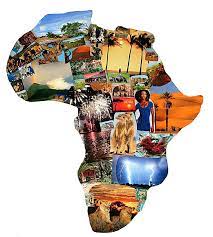
Hand in Hand: Community Engagement in Safeguarding African Heritage
Updated at: 2023-08-11 21:26:13 (2 years ago by Melkisedeck Leon Shine)
Hand in Hand: Community Engagement in Safeguarding African Heritage
In a world that is constantly evolving, it is crucial that we do not forget our roots. As Africans, we are blessed with a rich and diverse culture, a heritage that is truly unique. However, our culture and heritage are at risk of being lost if we do not take action. Thankfully, there are strategies available to us to preserve and safeguard our African culture and heritage. Let's explore these strategies together, and empower ourselves to protect our identity.
Education: Knowledge is power, and it is essential for us to educate ourselves and others about our culture and heritage. This can be done through schools, community centers, and cultural events. π
Documentation: We must document our traditions, languages, and customs, ensuring that they are preserved for future generations. This can be achieved through written records, audio recordings, and even visual documentation. ππ·
Museums and Cultural Centers: Establishing museums and cultural centers dedicated to African heritage can serve as a hub for preserving and showcasing our rich cultural diversity. ποΈ
Cultural Festivals: Organizing cultural festivals allows us to celebrate and promote our traditions, while also educating others about our heritage. These festivals can attract both local and international visitors, fostering a greater understanding and appreciation for African culture. ππ
Oral Tradition: Our traditions and stories have been passed down through generations via oral tradition. It is important to continue this practice, ensuring that our history and cultural values remain alive. π£οΈ
Traditional Arts and Crafts: Encouraging the production and sale of traditional arts and crafts not only supports local artisans but also helps to preserve our cultural heritage. These pieces of art serve as tangible representations of our identity. π¨βοΈ
Cultural Exchange Programs: Engaging in cultural exchange programs with other African countries and the rest of the world can foster mutual understanding, appreciation, and preservation of our diverse heritage. πβοΈ
Cultural Tourism: Promoting cultural tourism allows the world to experience the beauty, traditions, and customs of African nations firsthand. This can bring economic benefits to local communities while also safeguarding our heritage. ποΈπ°
Cultural Heritage Laws: Advocating for the implementation of cultural heritage laws can ensure that our traditions and sacred sites are protected from destruction and exploitation. π
Inter-generational Dialogue: Encouraging meaningful conversations between the older and younger generations can bridge the gap, allowing for the transfer of knowledge and values that form the core of our African heritage. π΅π§
Pan-African Collaboration: Working together as Africans, across borders and nations, we can strengthen our efforts and amplify our impact in preserving our shared heritage. Let's build a united front for the protection of our culture. π€π (The United States of Africa/Muungano wa Mataifa ya Afrika)
Harnessing Technology: Utilizing technology, such as social media platforms and websites, enables us to reach a wider audience and create a global network dedicated to preserving African heritage. π»π
Revitalizing Traditional Practices: Embracing and reviving traditional practices, such as indigenous healing methods, storytelling, and rituals, ensures that our cultural heritage remains alive and relevant in the modern world. πΏπ
International Collaboration: Learning from successful preservation efforts in other parts of the world can provide us with valuable insights and strategies to protect and promote our African culture and heritage. ππ
Empowerment and Ownership: Above all, it is our responsibility as Africans to take ownership of our culture and heritage. By empowering ourselves and each other, we can create a future where our traditions thrive and our identity remains intact. πͺπ
In conclusion, the preservation of African culture and heritage is a task that requires the collective efforts of every member of our community. Let us embark on this journey together, embracing our diversity, and protecting our identity. The Recommended Strategies of Preservation of African Culture and Heritage are within our reach, and it is up to us to make them a reality. Will you join us? ππ€
Updated at: 2025-06-07 11:36:44 (1 year ago by Melkisedeck Leon Shine)
Africaβs diverse cultural heritage is intrinsically linked to its rich ethnobotanical knowledge β the traditional use of plants for medicinal purposes. This biocultural diversity, encompassing the interconnectedness of biological and cultural diversity, is not merely a cultural artifact but a cornerstone of traditional healthcare and a vital element of cultural identity. Preserving this knowledge is crucial for sustainable and equitable healthcare systems across the continent, contributing significantly to human well-being. This necessitates a multi-faceted strategy grounded in principles of sustainable development and community participation. We will explore this through the lens of several key concepts: biocultural diversity, community-based conservation, collaborative governance, integrated healthcare models, and interprofessional collaboration.
Community Engagement and Sustainable Resource Management: Effective conservation hinges on the active participation of local communities. Applying the principles of community-based conservation, local communities must be empowered as stewards of their ethnobotanical heritage. This approach ensures equitable benefit-sharing and fosters a sense of ownership, crucial for long-term sustainability. This aligns with the tenets of environmental justice, promoting fairness and equity in the distribution of environmental benefits and burdens. Implementing participatory approaches in resource management will ensure sustainability, preventing overexploitation and protecting biodiversity. The success of this approach is heavily reliant on robust community-level governance structures and effective communication channels.
Pan-African Collaboration and Knowledge Sharing: A continent-wide collaborative effort, mirroring the principles of collaborative governance, is essential. This requires establishing continent-wide networks and initiatives to facilitate knowledge exchange, share best practices, and prevent the loss of invaluable traditional knowledge. This collaborative approach fosters a sense of shared responsibility and promotes resource pooling, leveraging the expertise and resources across various African nations. The framework should incorporate mechanisms for addressing intellectual property rights and ensuring equitable access to knowledge and benefits. This resonates with the principles of social justice, ensuring that the benefits of ethnobotanical knowledge reach all segments of society.
Education and Economic Empowerment: Integrating ethnobotanical knowledge into formal and informal education systems is paramount. This cultivates an appreciation for the heritage and ensures the transmission of knowledge across generations. Furthermore, economic empowerment strategies, supporting research, development, and sustainable harvesting of medicinal plants, are crucial. This fosters economic stability and contributes to the development of robust healthcare systems that integrate traditional and modern medicineβa core principle of integrated healthcare models. Such integration can leverage economic opportunities, such as medical tourism, and improve healthcare outcomes, aligning with the principles of sustainable development and economic diversification.
Bridging Traditional and Modern Medicine: The integration of traditional medicine with modern healthcare systems presents significant opportunities. Drawing lessons from successful models like the integration of Traditional Chinese Medicine (TCM) and Ayurveda, Africa can develop integrated healthcare systems that combine the strengths of both approaches. This interprofessional collaboration between traditional healers and modern healthcare professionals fosters a holistic approach to patient care. This requires establishing robust regulatory frameworks to ensure safety and efficacy, and promoting research to scientifically validate the effectiveness of traditional medicinal plants. Botswanaβs legislative measures to protect endangered medicinal plants serve as a model for sustainable harvesting practices.
Database Development and Resource Preservation: Creating a comprehensive, accessible database documenting African medicinal plants β including their traditional uses, preparation methods, and scientific validation β is critical. This database should serve as a central repository of information accessible to researchers, healthcare professionals, and communities. The establishment of botanical gardens and medicinal plant sanctuaries acts as living museums, preserving endangered species while promoting in-situ conservation. Such initiatives are important for promoting both biodiversity conservation and sustainable utilization of resources.
Youth Engagement and Intergenerational Knowledge Transfer: Engaging youth in preserving this heritage is critical for long-term sustainability. Workshops, cultural festivals, and educational initiatives that celebrate the healing power of medicinal plants can foster appreciation and active participation. This intergenerational knowledge transfer is vital in ensuring the continuity of traditional practices and knowledge. This participatory approach involves youth actively in the decision-making process, fostering a sense of ownership and responsibility, crucial for effective conservation.
Conclusion and Recommendations: Preserving Africa's ethnobotanical heritage necessitates a holistic approach. The strategies proposedβemphasizing education, collaboration, economic empowerment, integrated healthcare, and sustainable resource managementβare crucial. Further research is needed to scientifically validate the efficacy and safety of traditional medicinal plants, develop sustainable harvesting and cultivation practices, and explore the economic potential of integrating ethnobotanical knowledge into national development plans. This will improve healthcare access, stimulate economic development, and strengthen cultural identity. Adopting a collaborative, sustainable model that respects both cultural and biological diversity is essential for a paradigm shift, moving away from an extractive approach towards equitable benefit-sharing and community empowerment. A comprehensive assessment of the legal and regulatory frameworks governing intellectual property rights and benefit-sharing mechanisms is needed to ensure equitable distribution of the benefits arising from the utilization of ethnobotanical knowledge.
Reader Pool: Considering the complexities of integrating traditional medicinal knowledge into modern healthcare systems, what strategies would you recommend for effectively addressing issues of biopiracy, ensuring fair compensation for traditional knowledge holders, and fostering trust between traditional healers and modern healthcare professionals?
Updated at: 2025-06-06 12:36:00 (1 year ago by Melkisedeck Leon Shine)
The preservation of Africa's invaluable natural and cultural heritage is critical for its future prosperity and global sustainability. This necessitates a holistic strategy that seamlessly integrates Traditional Ecological Knowledge (TEK), encompassing the accumulated knowledge, practices, and beliefs of indigenous and local communities regarding their environment, with contemporary conservation methodologies. TEK offers invaluable insights into sustainable resource management and ecosystem resilience. This article proposes a strategic framework for safeguarding African heritage, grounded in established conservation principles and models such as the ecosystem services approach and community-based conservation. The core concepts guiding this framework are: biocultural diversity (the interconnectedness of biological and cultural diversity), ecosystem services (the benefits humans derive from ecosystems), and adaptive management (a flexible, iterative approach to conservation).
Safeguarding Africa's natural and cultural heritage demands a comprehensive, integrated approach that harmoniously blends indigenous knowledge systems with contemporary scientific understanding and robust governance structures. The strategic framework presented underscores the pivotal roles of community participation, technological innovation, and international collaboration. Future research should prioritize rigorous impact assessment methodologies, utilizing participatory monitoring and evaluation to track progress and adapt strategies dynamically. This includes developing quantifiable indicators to measure the success of TEK integration into conservation planning and exploring innovative financing mechanisms for long-term sustainability. A multi-stakeholder approach, involving governments, indigenous communities, NGOs, and the private sector, is crucial for achieving a shared vision of a vibrant and sustainable future for Africa. This collaborative approach will ensure that conservation efforts are effective, equitable and sustainable. Furthermore, research should investigate the optimal balance between TEK and modern scientific methods across diverse African ecosystems.
Reader Pool: How can we best evaluate the long-term effectiveness and sustainability of conservation initiatives that integrate traditional ecological knowledge and modern scientific approaches in diverse African contexts, considering both ecological and socio-economic factors?
Updated at: 2023-08-11 21:53:39 (2 years ago by Melkisedeck Leon Shine)
The Written Heritage: Documenting and Safeguarding African Texts ππ
Greetings, fellow Africans! Today, I want to emphasize the importance of preserving our rich African culture and heritage through the documentation and safeguarding of our written texts. Our continent is blessed with a diverse array of languages, traditions, and histories that deserve to be celebrated and protected for future generations. Let us explore some strategies that can help us in this noble endeavor. ππ
Establish National Archives: Each African nation should establish a national archive to house and protect important historical documents and manuscripts. These archives can serve as a treasure trove of knowledge for scholars and researchers. ποΈπ
Promote Digital Libraries: In this modern age, digitization plays a crucial role in preserving our written heritage. Let us create digital libraries where our texts can be stored and accessed by people from all corners of Africa and the world. π»π
Encourage Translation Efforts: African languages are incredibly diverse and beautiful. By promoting translation efforts, we can ensure that our texts are accessible to a wider audience, both within Africa and beyond. Let our words transcend borders! ππ
Collaborate with International Organizations: We can learn from the experiences of other countries and continents in preserving their cultural heritage. By collaborating with international organizations, we can adopt best practices and develop strategies tailored to our unique African context. π€π
Support Local Authors: Our African authors are the guardians of our written heritage. Let us support and encourage them to continue writing and documenting our stories. Their work is vital in preserving our cultural identity. ποΈπ
Preserve Oral Traditions: While written texts are crucial, we must not forget the power and beauty of oral traditions. Let us document and safeguard these narratives, ensuring that they are passed down through the generations. π£οΈποΈ
Create Cultural Heritage Centers: Establishing cultural heritage centers in various African countries can serve as a hub for the preservation and promotion of our diverse cultures. These centers can organize exhibitions, workshops, and educational programs for the public. ποΈπ
Encourage Academic Research: African universities and research institutions should prioritize the study of our written heritage. By investing in academic research, we can deepen our understanding of our cultures and develop innovative preservation strategies. ππ
Utilize Social Media: Social media platforms offer a powerful tool for sharing and promoting our written heritage. Let us leverage these platforms to raise awareness, engage with our fellow Africans, and preserve our cultural legacy. π²π»
Learn from African Leaders: Our past African leaders have left us with invaluable wisdom and insights. Let us draw inspiration from their words and actions as we strive to preserve our culture and heritage. As Kwame Nkrumah once said, "We face neither East nor West; we face forward." ππ
Celebrate African Unity: The unity of Africa is crucial in safeguarding our culture and heritage. Let us work hand in hand, transcending borders and celebrating the diversity that makes us strong. Together, we can build "The United States of Africa" (Muungano wa Mataifa ya Afrika) and ensure the preservation of our collective identity. ππ€π
Develop Educational Programs: Education is the key to preserving our written heritage. Let us develop educational programs that teach our children about the importance of our culture and the need to protect our written texts. ππ
Engage the Youth: Our youth are the future custodians of our culture and heritage. Let us involve them in preservation efforts, encouraging them to take pride in their African roots and inspiring them to carry the torch forward. ππ₯
Foster International Partnerships: Collaboration with international institutions and organizations can provide us with valuable resources and expertise in preserving our written heritage. Let us forge partnerships that benefit all parties involved. π€π
Develop Skills: Preserving our culture and heritage requires skills and expertise. Let us invest in training programs and workshops that equip our people with the necessary knowledge to document, safeguard, and celebrate our written texts. ππ
In conclusion, my fellow Africans, I invite and encourage you to develop your skills in the recommended strategies of preserving our African culture and heritage. Let us cherish our diverse traditions, languages, and histories and work together to build "The United States of Africa" (Muungano wa Mataifa ya Afrika). Share this article and let us inspire one another to embrace African unity and protect our invaluable written heritage. ππͺβ¨
Updated at: 2023-08-11 21:53:34 (2 years ago by Melkisedeck Leon Shine)
The Written Legacy: African Literature and the Preservation of Identity ππ
As Africans, it is crucial that we preserve our rich culture and heritage. Our identity is deeply rooted in the traditions, languages, and stories that have been passed down through generations. One powerful tool we have in this preservation is African literature, which allows us to not only celebrate our past but also shape our future. In this article, I will share with you strategies that can help us preserve our African culture and heritage, and promote unity among us. Let's dive in! πͺπΎ
1οΈβ£ Embrace our oral traditions: We have a long history of oral storytelling, and it is important to continue passing down our stories through generations. These stories hold valuable lessons, traditions, and cultural norms that define us as Africans.
2οΈβ£ Encourage writing in local languages: By encouraging and supporting the use of local languages in literature, we can preserve the linguistic diversity that makes Africa unique. This ensures that our cultural nuances are not lost in translation and strengthens our identity.
3οΈβ£ Document our history: We must document our history, both ancient and contemporary, through written literature. This includes chronicling the struggles, triumphs, and contributions of our ancestors and leaders.
4οΈβ£ Promote African authors: By supporting African authors, we ensure that our stories are told from our perspective. This empowers us to control the narrative and combat the stereotypes and misrepresentation often found in Western literature.
5οΈβ£ Create platforms for African writers: We need to establish and support platforms that promote African literature, such as literary festivals, book clubs, and publishing houses. These platforms provide opportunities for African authors to showcase their work and for readers to engage with our stories.
6οΈβ£ Integrate African literature into education: By incorporating African literature into school curriculums, we can ensure that our youth have access to our rich literary heritage. This cultivates an appreciation for our culture and helps shape their African identity.
7οΈβ£ Preserve indigenous knowledge: African literature can be a powerful tool for preserving indigenous knowledge systems. By documenting traditional healing practices, agricultural techniques, and other forms of indigenous knowledge, we can ensure their survival for future generations.
8οΈβ£ Engage with diaspora literature: African literature is not confined to the borders of the continent. We must engage with literature produced by the African diaspora, as it offers insights into the experiences and struggles faced by Africans around the world.
9οΈβ£ Collaborate across borders: African literature can be a catalyst for promoting unity among African nations. By collaborating with authors from different African countries, we can showcase the diversity within our continent and foster a sense of pan-African identity.
π Foster a culture of reading: Encourage reading among our communities by establishing community libraries, organizing reading clubs, and promoting literacy programs. Reading expands our knowledge, broadens our perspectives, and strengthens our connection to our heritage.
1οΈβ£1οΈβ£ Embrace technological advancements: In the digital age, we must utilize technology to preserve our culture and heritage. Digitize written works, create online platforms for African literature, and leverage social media to share our stories with the world.
1οΈβ£2οΈβ£ Learn from other cultures: While preserving our own culture is vital, we can also learn from the preservation strategies of other cultures around the world. By studying their successes, we can adapt and implement techniques that suit our African context.
1οΈβ£3οΈβ£ Support cultural initiatives: Attend and support cultural events and initiatives that celebrate African literature and heritage. This includes book fairs, poetry slams, and storytelling festivals. By actively participating, we contribute to the preservation of our culture.
1οΈβ£4οΈβ£ Preserve physical artifacts: Literature is not the only form of preserving our culture. We must also preserve physical artifacts, such as artworks, sculptures, and historical landmarks. These physical reminders serve as a tangible connection to our past.
1οΈβ£5οΈβ£ Inspire the next generation: As Africans, we have the responsibility to inspire and educate the next generation about the importance of preserving our culture and heritage. By sharing our knowledge and experiences, we empower them to carry the torch and continue this important work.
In conclusion, the preservation of African culture and heritage is a collective effort that requires the active participation of individuals, communities, and governments across the continent. By utilizing the power of African literature, embracing our oral traditions, and supporting initiatives that celebrate our identity, we can ensure that our heritage remains alive and thriving. Let us unite as Africans and work towards a future where our cultural diversity is celebrated and our identity is preserved. Together, we can build "The United States of Africa" (Muungano wa Mataifa ya Afrika)! ππͺπΎ
What strategies are you already implementing to preserve African culture and heritage? Share your thoughts and experiences in the comments below and inspire others to do the same. Don't forget to share this article with your fellow Africans to spread the message of unity and cultural preservation. #PreserveAfrica #AfricanHeritage #UnitedAfrica #ProudlyAfrican
Updated at: 2025-06-04 10:28:46 (1 year ago by Melkisedeck Leon Shine)
The digital revolution presents both unprecedented challenges and opportunities for the preservation of cultural heritage. This article examines the strategic application of technology in safeguarding and promoting African cultural heritage, focusing on its multifaceted dimensions. Key theoretical frameworks guiding this analysis include digital preservation, encompassing the application of technological methods to ensure long-term accessibility and usability of cultural materials; cultural heritage management, which emphasizes an integrated approach to protecting, preserving, and promoting cultural assets; and participatory digital archiving, highlighting the collaborative nature of documenting and sharing cultural knowledge. These concepts are essential for understanding the multifaceted strategies detailed below. Furthermore, the Diffusion of Innovations theory will inform our analysis of technology adoption within cultural contexts, while the UNESCO Memory of the World Programme serves as a benchmark for best practices in documentary heritage preservation.
1. Establishing Comprehensive Digital Archives: The creation of robust digital repositories for diverse cultural materials β artifacts, manuscripts, photographs, audio-visual recordings, and oral histories β is paramount. This necessitates leveraging archival science principles and employing best practices in digital asset management. Metadata standardization, employing controlled vocabularies and thesauri, and robust data security measures, including data encryption and redundancy strategies, are crucial. The application of this strategy can be exemplified by the creation of a centralized, accessible online archive of traditional African music, providing a platform for preservation and global access, aligning with the UNESCO Memory of the World Programmeβs emphasis on preserving documentary heritage. The development of such an archive would also necessitate careful consideration of intellectual property rights and community consent protocols.
2. Revitalizing Indigenous Languages through Technology: The preservation of endangered African languages is intrinsically linked to the preservation of cultural heritage. Language learning apps, online dictionaries, and virtual language exchange platforms facilitate linguistic revitalization, aligning with principles of community-based language planning and the promotion of language diversity. A real-world example is the development of a mobile application providing gamified lessons and interactive exercises in a specific endangered language, fostering its continued use amongst younger generations. This approach should also integrate traditional pedagogical methods to ensure cultural relevance and effective learning.
3. Digitizing Oral Traditions and Crowdsourcing Information: Oral histories, songs, and proverbs are invaluable components of cultural heritage. Digitizing these traditions and employing crowdsourcing platforms β ensuring data quality control measures β expand accessibility and enrich our understanding of cultural narratives. This participatory approach aligns with principles of community-based participatory research, emphasizing community engagement and knowledge co-creation. Strategies for ensuring proper attribution, data integrity, and community ownership are vital for the ethical and sustainable implementation of this approach. This also allows for the validation and verification of information through multiple sources.
4. Harnessing the Power of Social Media and Digital Platforms: Social media platforms offer powerful tools for disseminating and promoting African cultural practices and traditions. This aligns with the Diffusion of Innovations theory, emphasizing the role of social networks in accelerating the adoption of new ideas and practices. Effective application requires a nuanced understanding of audience engagement, employing targeted marketing strategies and utilizing visually appealing content and interactive narratives. Dedicated social media accounts for individual craftspeople or cultural communities can facilitate direct engagement with wider audiences.
5. Collaborative Partnerships with Technology Companies: Strategic alliances with technology companies provide access to specialized expertise and technological tools. This approach draws on principles of stakeholder engagement and collaborative knowledge creation. Partnering with cloud computing providers ensures long-term data storage and accessibility, utilizing strategies for data redundancy and disaster recovery. Contracts should guarantee data ownership, long-term access, and data security protocols.
6. Immersive Technologies: Virtual and Augmented Reality (VR/AR): VR and AR offer immersive experiences that foster deeper understanding and appreciation of African cultures, aligning with experiential learning principles. Applications include VR tours of historical sites or AR overlays for traditional ceremonies, providing interactive and educational experiences. Careful consideration of accessibility and content quality is crucial for maximizing impact.
7. Integrating Technology into Education and Preserving Traditional Craftsmanship: Integrating technology into education promotes cultural heritage appreciation amongst younger generations. Digital documentation and online platforms preserve traditional crafts by enabling artisans to showcase and sell their work, aligning with principles of cultural education and skill preservation. This could include developing online tutorials and educational resources on traditional crafts.
8. Utilizing Digital Storytelling and Building a United Front: Digital storytelling platforms empower sharing of authentic narratives, promoting understanding and empathy while fostering collaborative efforts in cultural preservation. Effective storytelling techniques and fostering collaboration among diverse groups are key to success. This approach can also contribute to social cohesion and shared identity.
9. Engaging the Diaspora and Fostering Global Partnerships: The African diaspora represents a rich repository of cultural knowledge. Technology connects these communities, fostering cross-cultural exchange and expanding preservation efforts. This approach aligns with principles of transnational cultural exchange and emphasizes the importance of building trust, ensuring fair representation, and establishing meaningful collaborations.
10. Promoting Cultural Tourism through Technology: Virtual tours, travel apps, and online guides promote cultural tourism, generating economic benefits and increasing awareness. This aligns with principles of sustainable tourism, requiring responsible tourism practices to avoid commodification of cultural elements and promote meaningful cultural exchange. The economic benefits should directly support local communities involved in cultural preservation efforts.
Conclusions and Recommendations: The digital revolution offers immense potential for preserving and promoting African cultural heritage. Strategic technology deployment and collaborative partnerships are essential for ensuring the long-term accessibility and usability of cultural materials and knowledge. Further research should focus on developing sustainable, ethical, and equitable models for digital archiving, exploring the ethical implications of AI in cultural heritage management, and addressing digital literacy disparities across communities. Success depends on community engagement, open-access principles, and robust data management strategies. This comprehensive approach promises not only the preservation of cultural heritage but also economic opportunities and enhanced intercultural understanding.
Reader Pool: How can we ensure that the digital preservation of African cultural heritage is inclusive, equitable, and respects the intellectual property rights and cultural sensitivities of the communities involved?
Updated at: 2025-02-28 13:34:20 (1 year ago by Melkisedeck Leon Shine)
```htmlAfrica's rich tapestry of history and culture is vividly woven into its diverse architectural landscape. From the majestic pyramids of Egypt to the ingenious mud-brick structures of Mali, these built environments stand as testaments to ancestral ingenuity and creativity. However, the relentless march of time poses a significant threat to this invaluable heritage, demanding urgent and concerted action to ensure its survival for future generations. The preservation of Africa's architectural heritage isn't merely a historical endeavor; it's a crucial investment in the continent's identity, cultural pride, and sustainable development.
A multifaceted approach is essential to effectively safeguard this legacy. This requires a strategic combination of proactive measures, community engagement, and international collaboration. The following fifteen strategies represent a comprehensive framework for achieving this crucial goal:
1. Education and Awareness: Cultivating a profound understanding and appreciation for our architectural heritage is paramount. Comprehensive educational programs, targeted at both youth and adults, are vital for fostering a sense of responsibility and ownership towards the preservation of these irreplaceable assets. This involves highlighting the historical significance, cultural value, and economic potential of these sites.
2. Meticulous Documentation: Detailed and accurate documentation is the cornerstone of effective preservation. This includes comprehensive surveys, precise measurements, high-resolution photography, and detailed architectural drawings. This crucial data forms the basis for informed restoration decisions and future research.
3. Strategic Restoration and Maintenance: Investing in the careful restoration and ongoing maintenance of historical buildings is non-negotiable. This requires securing sustainable funding mechanisms through public-private partnerships, attracting both government investment and private sector support. Prioritizing preventative maintenance minimizes the need for extensive, costly repairs later on.
4. Innovative Adaptive Reuse: Finding creative ways to repurpose historical buildings ensures their continued viability and relevance in modern society. Converting former colonial structures into museums, community centers, or eco-tourism lodges can breathe new life into these buildings while simultaneously honoring their historical significance and contributing to local economies.
5. Empowering Local Communities: Engaging local communities as active participants in the preservation process is indispensable. Their intimate knowledge of the sites, coupled with their inherent connection to the cultural heritage, offers invaluable insight. Providing training opportunities and fostering local leadership ensures sustainable ownership and long-term protection.
6. Robust Legal Frameworks: Strong and effectively enforced legislation is crucial for protecting our cultural heritage from destruction or exploitation. Governments must enact strict laws against the illegal demolition or alteration of historical buildings, providing clear penalties for violations.
7. Fostering International Collaboration: Learning from the best practices and experiences of other countries, particularly those with established heritage preservation programs, offers invaluable insights and expertise. Collaboration with international organizations and experts facilitates knowledge sharing and supports the development of tailored strategies.
8. Leveraging Tourism for Economic Development: Promoting historical sites as prime tourist attractions can significantly contribute to economic growth. This creates job opportunities, generates revenue for local communities, and provides a direct economic incentive for preservation efforts.
9. Investing in Supporting Infrastructure: Developing essential infrastructureβincluding improved roads, reliable transportation, and comfortable accommodationβsignificantly enhances the accessibility of heritage sites, thereby boosting tourism and local economies. This ensures that the benefits of preservation are widely shared.
10. Comprehensive Public Awareness Campaigns: Launching impactful public awareness campaigns through diverse media channelsβincluding social media, traditional media, and community eventsβcan generate widespread support for heritage preservation. These campaigns should effectively communicate the cultural, historical, and economic value of these sites.
11. Investing in Skilled Preservation Professionals: Providing specialized training programs and workshops on conservation techniques equips individuals with the essential skills to maintain and restore historical buildings. This ensures a continuous pipeline of skilled professionals, critical for the long-term sustainability of preservation efforts.
12. Strengthening Public-Private Partnerships: Building strong collaborations between public entities and private businesses, foundations, and individuals is vital. This leverages the resources and expertise of both sectors, maximizing the impact of preservation initiatives.
13. Expanding Cultural Exchange Programs: Encouraging cultural exchange programs between African nations facilitates the sharing of best practices, challenges, and solutions. This collaborative approach fosters a spirit of unity and mutual support in preserving our shared heritage.
14. Engaging the Youth: Involving young people in preservation efforts is essential for the long-term sustainability of this crucial work. By instilling a sense of ownership and pride in their cultural heritage, we ensure that the legacy of preservation continues for generations to come.
15. Strengthening Pan-African Collaboration: United in purpose, African nations can pool resources and expertise to achieve far greater impact in preserving our shared architectural heritage. A collaborative, continental approach is essential to overcome the challenges posed by the scale and diversity of Africa's architectural legacy.
Preserving Africa's architectural heritage is a collective responsibility, demanding commitment and action from individuals, communities, governments, and the international community. By implementing these strategies and embracing a spirit of collaboration, we can safeguard our architectural legacy, ensuring that future generations inherit the rich tapestry of African history and culture.
```
Updated at: 2023-08-11 21:25:30 (2 years ago by Melkisedeck Leon Shine)
Inclusive Preservation: Empowering Youth in Safeguarding African Culture π
Africa is a continent rich in cultural diversity and heritage. From the vibrant music and dance of West Africa to the intricate woodcarvings of East Africa, our cultural expressions are a testament to our history and identity. However, in order to ensure the preservation of our African culture and heritage, we must adopt strategies that empower the youth and promote inclusivity. In this article, we will explore 15 detailed points on how we can achieve this goal.
1οΈβ£ Education is key: Provide young Africans with access to quality education that includes the history, traditions, and values of our diverse cultures. By equipping them with this knowledge, we empower them to become custodians of our heritage.
2οΈβ£ Museums and cultural centers: Establish and support museums and cultural centers that showcase African art, artifacts, and traditions. These institutions serve as important educational resources and preserve our cultural legacy for future generations.
3οΈβ£ Oral history: Encourage the storytelling tradition within African communities. Elders can pass down their knowledge through oral history, ensuring our traditions are preserved and celebrated.
4οΈβ£ Community involvement: Engage local communities in the preservation of their cultural heritage. By involving them in decision-making processes and empowering them to take ownership, we create a sense of pride and responsibility.
5οΈβ£ Technology and digital platforms: Utilize technology and digital platforms to document and promote African culture. This includes creating online archives, virtual museums, and digital libraries to make our heritage accessible to a wider audience.
6οΈβ£ Cultural exchange programs: Facilitate cultural exchange programs within African countries and with international partners. This allows young Africans to learn from each other's traditions and fosters a sense of unity and appreciation for our diverse heritage.
7οΈβ£ Traditional craftsmanship: Support local artisans and traditional craftsmen who are skilled in preserving African art forms. By valuing their work and providing opportunities for them to showcase their talents, we ensure the continuity of our cultural practices.
8οΈβ£ Language preservation: Encourage the preservation of indigenous languages. Language is an integral part of culture, and by safeguarding our diverse languages, we ensure the survival of our cultural heritage.
9οΈβ£ Cultural festivals: Organize and participate in cultural festivals that celebrate African traditions. These events not only showcase our rich cultural diversity but also provide a platform for young Africans to learn, engage, and appreciate their heritage.
π Intergenerational dialogue: Facilitate dialogue between different generations to bridge the gap and foster understanding. This exchange of knowledge and experiences strengthens the bond between elders and youth, ensuring the transfer of cultural values.
1οΈβ£1οΈβ£ Empower youth-led initiatives: Support and empower youth-led initiatives that focus on preserving African culture. By providing them with resources and platforms, we encourage their active involvement in safeguarding our heritage.
1οΈβ£2οΈβ£ Collaborative research: Foster collaboration between researchers, scholars, and cultural institutions to deepen our understanding of African culture and heritage. By investing in research, we can uncover hidden treasures and preserve them for future generations.
1οΈβ£3οΈβ£ Cultural tourism: Promote cultural tourism within Africa, encouraging visitors to explore our diverse cultures and traditions. This not only generates economic opportunities but also raises awareness and appreciation for our heritage.
1οΈβ£4οΈβ£ Policy and legislation: Advocate for policies and legislation that protect and promote African culture and heritage. By engaging in our political systems, we can ensure that our cultural values are recognized and respected.
1οΈβ£5οΈβ£ The United States of Africa: Embrace the vision of "The United States of Africa" (Muungano wa Mataifa ya Afrika) as a platform for unity and cooperation. By standing together as a continent, we can amplify our voices and create a unified approach to preserving our culture and heritage.
It is important to remember that the responsibility of preserving African culture and heritage lies in our hands. By adopting these strategies and empowering our youth, we can ensure that our rich and diverse heritage continues to thrive for generations to come. Let us come together, celebrate our differences, and promote the unity that will make "The United States of Africa" a reality. ππ
What steps are you currently taking to preserve African culture and heritage? Share your experiences and ideas in the comments below and let's inspire each other to make a difference. Don't forget to share this article to spread the message of inclusivity and empowerment. #PreservingAfricanCulture #EmpoweringYouth #UnitedAfrica #AfricanHeritage #CultureMatters #InclusivePreservation #AfricaPride
Updated at: 2025-02-28 10:58:17 (1 year ago by Melkisedeck Leon Shine)
```htmlAfrica, the birthplace of humankind, boasts a breathtaking tapestry of diverse cultures and traditions. This invaluable heritage, a legacy passed down through generations, demands our unwavering commitment to preservation for the benefit of future generations. Securing the longevity of our cultural identity requires a multifaceted approach, a concerted effort to safeguard and celebrate our roots. This article explores key strategies for preserving African culture and heritage, ultimately contributing to a stronger, more unified continent, fostering the vision of a "United States of Africa" (Muungano wa Mataifa ya Afrika).
Education: The Cornerstone of Cultural Preservation
Education forms the bedrock of cultural preservation. Integrating traditional practices into school curricula and organizing engaging cultural workshops ensures that younger generations develop a deep understanding and appreciation for their heritage. This fosters a sense of pride and ownership, vital for long-term preservation efforts.
Traditional Dance: A Living Legacy
Traditional African dance serves as a powerful conduit for preserving cultural heritage. It transcends mere movement; it's a living narrative, conveying stories, emotions, and a profound connection to our ancestors. Reviving and celebrating these dances, transmitting them carefully to future generations, ensures the survival of a vital aspect of our cultural identity.
The Enduring Power of Oral Tradition
Our ancestors relied on the art of storytelling to impart wisdom and knowledge. By reviving this vital oral tradition, sharing captivating legends and ancestral narratives with our children, we actively ensure the preservation of cultural knowledge that would otherwise be lost to time.
Cultural Festivals: Showcasing Africa's Vibrancy
Cultural festivals provide dynamic platforms to showcase the incredible diversity of African cultures. These vibrant events celebrate our rich traditions, music, art, and craftsmanship, fostering unity and pride within communities and showcasing our heritage to the world.
Museums and Cultural Centers: Preserving Tangible Heritage
Establishing and supporting museums and cultural centers is paramount. These institutions provide dedicated spaces for the display and preservation of artifacts, documents, and artworks, safeguarding tangible aspects of our cultural heritage for generations to come. They also serve as valuable educational resources.
Cultural Exchange: Fostering Unity and Understanding
Engaging in cultural exchange programs with other African nations strengthens bonds and fosters mutual learning. This collaborative approach facilitates the sharing of traditions, perspectives, and best practices, contributing to a more united and interconnected Africa.
Cultural Tourism: A Sustainable Approach to Preservation
Promoting cultural tourism allows us to share the beauty and richness of Africa with the world. This approach not only generates economic opportunities for local communities but also increases awareness and appreciation for our heritage, fostering its preservation through sustainable practices.
Language: The Heart of Cultural Identity
Language is inextricably linked to cultural identity. Preserving and promoting indigenous African languages through everyday conversations, literature, and media is crucial to maintaining the integrity and richness of our cultures.
Traditional Medicine: A Legacy of Healing
Africa's traditional healing practices contain a wealth of knowledge. Documenting and preserving these practices ensures their continuation, contributing both to cultural preservation and to the advancement of African healthcare systems.
Art and Crafts: Reflections of Cultural Identity
The art and crafts of Africa reflect the creativity and ingenuity of our people. Supporting local artists and craftspeople not only preserves these traditions but also stimulates economic growth within communities.
Legislation: A Framework for Cultural Protection
Governments play a crucial role in enacting and enforcing legislation that protects and supports cultural heritage. This includes safeguarding historical sites, traditional practices, and intangible cultural heritage, ensuring their preservation for future generations.
Digital Preservation: Embracing Technology for Heritage
Embracing technology is vital for the long-term preservation of our heritage. Digitizing historical documents, recording oral traditions, and creating accessible online platforms allows for the broader dissemination and appreciation of African culture.
Youth Empowerment: Investing in the Future
Engaging youth actively in cultural preservation initiatives is essential. Providing them with opportunities to express their creativity, learn from elders, and become ambassadors of their culture ensures the continuity of our heritage.
Collaboration with Academia: A Scholarly Approach
Partnering with academic institutions brings a scholarly perspective to cultural preservation efforts. This collaborative approach ensures systematic research, documentation, and the dissemination of knowledge, enhancing the effectiveness of preservation strategies.
International Collaboration: Learning from Global Best Practices
Collaborating with international organizations and experts provides access to global best practices and knowledge sharing. Learning from other countries' successes in cultural preservation enhances our own efforts.
A Call to Action
Preserving Africa's rich cultural heritage is a shared responsibility. By implementing the strategies outlined above, we can ensure that our traditions, languages, dances, and customs thrive for generations to come. Together, let's build a stronger, more united Africa, realizing the vision of a "United States of Africa" (Muungano wa Mataifa ya Afrika). Let us work together to preserve our cultural legacy and shape a brighter future for Africa. #PreservingAfricanHeritage #AfricaUnited #HeritageInMotion
```

Updated at: 2025-06-01 11:48:18 (1 year ago by Melkisedeck Leon Shine)
The preservation of Africa's rich and diverse cultural heritage is paramount. This article examines key strategies for safeguarding this legacy, applying relevant anthropological, sociological, and development theories to create a cohesive and actionable framework. We define key concepts like cultural heritage as the tangible and intangible assets inherited from past generations, embodying cultural identity and contributing to societal well-being; and sustainable development as progress that meets current needs without compromising future generations' ability to meet their own needs, inherently linked to cultural preservation.
The preservation of African cultural heritage is a multifaceted endeavor requiring a holistic and collaborative approach. Strategies outlined above, grounded in relevant theoretical frameworks and practical applications, provide a roadmap for effective preservation. Success hinges on community participation, sustainable resource management, and the strategic utilization of technology. Further research is needed to analyze the efficacy of specific strategies across diverse cultural contexts. Longitudinal studies tracking the impact of implemented strategies are vital. Furthermore, policy support from national and international organizations is crucial to facilitate financial and technical assistance for cultural preservation projects.
The impact of successful cultural preservation efforts extends beyond preserving tangible and intangible assets; it strengthens cultural identities, fosters social cohesion, promotes sustainable development, and creates economic opportunities within communities. The ultimate goal is the creation of a thriving Pan-African identity rooted in shared heritage and mutual respect.
Considering the multifaceted nature of cultural preservation, what innovative strategies could be implemented to engage diaspora communities more effectively in preserving and celebrating African cultural heritage?