Preserving Africa's Culinary Heritage: Recipes, Traditions, and a Shared Future
Updated at: 2025-02-20 11:19:12 (11 months ago by Melkisedeck Leon Shine)
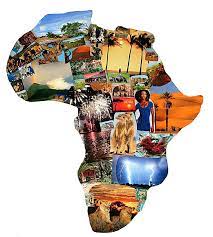
African cuisine is a vibrant mosaic, a centuries-old testament to our diverse cultures. More than mere sustenance, it embodies our values, customs, and unique identities. This exploration details practical strategies to safeguard this invaluable heritage for generations to come, ensuring its enduring vibrancy.
Honoring Our Roots: Traditional Ingredients and Recipes
The essence of authentic African cooking lies in its ingredients. From the fiery scotch bonnets of West Africa to the aromatic spices of the North, each ingredient tells a story, contributing depth and authenticity to our dishes. Prioritizing these traditional ingredients is paramount in preserving our culinary heritage. Equally crucial is the rediscovery of forgotten recipes. Exploring antique cookbooks, engaging with community elders, and unearthing family recipes revitalizes our culinary past, enriching our present, and securing it for the future. Meticulous documentation—through written records, photography, or dedicated family cookbooks—ensures their survival and transmission across generations.
Sustainable Practices: Community and Collaboration
Supporting local farmers and food producers is not merely a culinary choice; it’s a commitment to heritage sustainability. Sourcing ingredients locally reinforces traditional farming practices and strengthens community bonds. Knowledge sharing is equally vital. Cooking workshops, virtual classes, and encouragement to embrace culinary heritage empower individuals and communities to perpetuate this legacy. Inter-African cultural exchanges, celebrating shared culinary traditions and regional variations, further strengthen our collective identity and foster continental unity.
Modern Tools for Ancient Techniques
Traditional cooking methods—from pounding yam in Nigeria to slow cooking in Moroccan tagines—are integral to our heritage. Preserving and transmitting these techniques ensures our culture's vibrancy. The digital age offers powerful preservation tools. Websites, blogs, and social media dedicated to African cuisine provide a dynamic platform to share recipes, stories, and cooking tips, creating an accessible archive for future generations. Investing in culinary education is crucial. Empowering young Africans with culinary arts careers, providing training and opportunities, cultivates a new generation of chefs capable of preserving and innovating African cuisine.
Celebrating and Promoting Our Culinary Heritage Globally
Indigenous communities possess invaluable knowledge of local ingredients and cooking techniques. Recognizing and respecting their expertise is crucial for preserving their culinary heritage and empowering these communities. Culinary tourism offers another powerful avenue for preservation and sharing. Showcasing the unique flavors and traditions of diverse regions invites the world to experience the richness of African cuisine firsthand, fostering cultural exchange and appreciation. Celebrating successful African chefs globally inspires others to pursue their culinary dreams, highlighting the beauty and innovation within African cuisine. Actively participating in initiatives that protect traditional farming, promote sustainable food systems, and advocate for the global recognition of African cuisine ensures its longevity and international appreciation.
A Shared Vision for a United Future
Preserving our culinary heritage is intrinsically linked to preserving our African identity. As we celebrate our diverse cultures, let us strive for continental unity and cooperation, envisioning a future where we stand together as one, a united Africa. Let us continue sharing our favorite traditional dishes, inspiring each other to uphold and celebrate this precious legacy. Through collective effort and dedication, we can ensure the rich tapestry of African cuisine continues to thrive and enrich lives for generations to come. The vibrant flavors of Africa are a testament to our resilience, innovation, and shared heritage. Let's work together to ensure these flavors remain a source of pride and unity for generations to come.
Share your favorite traditional African recipes in the comments! Let's inspire one another and spread the love for African cuisine. #AfricanCuisine #CulinaryHeritage #UnitedAfrica
Updated at: 2025-07-12 10:43:50 (6 months ago by Melkisedeck Leon Shine)
```htmlIntroduction: Conceptual Framework
This article delves into the profound influence of African fashion as a dynamic force in preserving cultural legacy and cultivating a strong sense of Pan-African identity. At the core of our analysis lies the application of semiotics, a field that explores the intricate relationship between signs, symbols, and their interpretation within a cultural context. Fashion, in this framework, is not merely aesthetic; it's a semiotic system that communicates cultural values, beliefs, and social structures. We further explore the concept of cultural capital, a term that refers to the non-financial social assets, such as knowledge, skills, and traditions, that confer status and influence. In the context of African fashion, cultural capital manifests in the unique craftsmanship, designs, and stories embedded within traditional garments. Finally, we examine the economic ramifications of promoting African fashion through the lens of development economics. We analyze how investments in the fashion industry can empower local communities, stimulate economic expansion, and contribute to sustainable development across the continent. This involves understanding the principles of comparative advantage, where African nations can leverage their unique cultural assets to compete in the global market. Furthermore, we’ll touch on the principles of the Heckscher-Ohlin model, which suggests countries should specialize in producing and exporting goods that utilize their abundant factors of production – in this case, the rich cultural heritage and skilled artisans of Africa.
Decoding the Semiotics of African Attire: A Symphony of Heritage and Innovation
Africa’s vast cultural diversity necessitates a holistic approach to cultural preservation. Fashion serves as a potent semiotic medium, bridging generations by transmitting cultural heritage. Traditional garments, adorned with intricate patterns, vibrant colors, and distinctive designs, transcend mere clothing status; they become repositories of ancestral narratives, beliefs, and social frameworks. The symbolic language woven into these garments speaks volumes about identity, status, and ritual practices. For example, consider the Kente cloth of Ghana. Its vibrant colors and geometric patterns are not arbitrary; each design carries specific meanings, reflecting historical events, philosophical concepts, or social status. The elaborate beadwork of Maasai attire in Kenya and Tanzania similarly functions as a powerful visual language, conveying intricate narratives of tradition and belief systems. These examples illustrate how traditional African fashion embodies the semiotic principle that meaning is culturally constructed and transmitted through visual symbols. Furthermore, this can be seen as an application of Claude Lévi-Strauss's structuralist theory, where underlying structures of meaning exist within cultural artifacts like clothing. This can be applied in real life by, cultural organizations using fashion shows and exhibitions to educate the public about the meaning behind traditional garments and promote cultural understanding.
African Fashion Designers: Architects of Cultural Capital
African fashion designers serve as vital intermediaries between tradition and modernity, adeptly merging traditional techniques and materials with contemporary aesthetics. Their creations significantly contribute to the formation of cultural capital by showcasing African heritage on a global stage, thereby elevating the prestige and value associated with African culture. This endeavor extends beyond mere aesthetics; it represents an active engagement in cultural preservation, meticulously documenting and celebrating diverse cultural practices through innovative designs. Designers like Deola Sagoe from Nigeria exemplifies this, using her platform to promote traditional African fabrics and designs while creating contemporary and globally appealing pieces. This contributes to what Pierre Bourdieu described as the accumulation of symbolic capital, where the recognition and appreciation of African fashion enhances its cultural value and prestige. In real life settings, Governments can support these designers through grants, training programs, and platforms to showcase their work internationally, thus contributing to the growth of cultural capital.
Economic Development and Empowerment: A Sustainable Pathway to Cultural Preservation
The promotion of African fashion is not solely an act of cultural preservation; it also represents a vital strategy for economic empowerment and sustainable development. By supporting local artisans and designers, we contribute to the expansion of the continent's fashion industry, creating employment opportunities and fostering economic independence within communities. This aligns with principles of development economics, particularly the concept of import substitution industrialization, where local industries are nurtured to reduce reliance on foreign imports. The global promotion of African fashion expands market access for local producers, promoting self-reliance and economic growth at both micro and macro levels. For instance, initiatives that connect African textile producers with international buyers can significantly boost their income and create jobs in their communities. This is a practical application of the "trickle-down effect," where economic growth in one sector (fashion) can benefit other sectors (agriculture, manufacturing, tourism) and improve the overall standard of living. This empowerment reinforces the capacity of communities to actively preserve their cultural heritage, ensuring its sustainability for generations to come. The application of the endogenous growth theory suggests that investments in human capital, such as training programs for artisans, and technological advancements in textile production can lead to sustained economic growth in the African fashion industry.
Pan-African Identity: Weaving Unity Through Collective Expression
African fashion transcends national boundaries, acting as a unifying force across the continent. By embracing and celebrating diverse cultural expressions through fashion, we move closer to realizing the ideal of a united Africa. This shared aesthetic experience fosters a sense of collective identity, promoting intercultural dialogue and collaboration across geographical divides. The concept of a "United States of Africa" becomes increasingly tangible as we recognize the shared cultural heritage expressed through common aesthetic preferences and practices. This phenomenon can be explained through the lens of social identity theory, which posits that individuals derive a sense of belonging and self-esteem from their membership in social groups. African fashion, in this context, serves as a visual marker of belonging to a larger Pan-African community, fostering solidarity and collective action. The African Union can leverage this unifying power of fashion by organizing Pan-African fashion weeks and cultural festivals that showcase the diversity and creativity of African designers, promoting intercultural exchange and collaboration.
Amplifying Reach and Impact: Leveraging Social Media in the Digital Age
In the digital age, social media platforms offer unprecedented opportunities to showcase and promote African fashion on a global scale. These platforms provide a vast canvas for sharing stories, celebrating heritage, and engaging with audiences worldwide. By strategically utilizing social media marketing, African fashion designers and entrepreneurs can significantly increase their visibility and market reach, contributing to both economic and cultural growth. This aligns with the principles of network theory, which emphasizes the importance of social connections and online networks in disseminating information and influencing consumer behavior. The use of influencer marketing, where prominent social media personalities promote African fashion brands, can be particularly effective in reaching new audiences and driving sales. The real life application is that e-commerce platforms specifically designed for African fashion can provide designers with a direct channel to reach customers worldwide, bypassing traditional retail barriers.
Challenging Stereotypes: Redefining Narratives Through Fashion
The promotion of African fashion serves as a powerful tool for challenging pre-conceived notions and stereotypes associated with the continent. By showcasing the richness, diversity, and creativity of African culture through its fashion, we actively participate in shaping a more accurate and nuanced global narrative about Africa, celebrating its dynamism and inherent beauty. This can be seen as an application of Edward Said's theory of Orientalism, which critiques the way Western cultures have historically constructed a stereotypical and often demeaning image of the East. By promoting African fashion, we actively counter these stereotypes and reclaim the narrative, presenting a more authentic and empowering representation of African culture. Fashion shows, documentaries, and educational campaigns can be used to showcase the stories behind African designs, highlighting the cultural significance and craftsmanship involved. This will foster a more informed and respectful understanding of African culture.
Conclusions and Recommendations
This analysis underscores the pivotal role of African fashion as a catalyst for cultural preservation, economic advancement, and the consolidation of a unified Pan-African identity. To fully harness this potential, a multi-faceted approach is essential. Governments should provide robust support to local designers through financial grants, business training programs, and initiatives that facilitate access to international markets. Investments in infrastructure development are crucial to strengthen the fashion industry's supply chain, including textile production, manufacturing, and distribution networks. Educational initiatives focused on traditional craftsmanship should be prioritized to ensure the preservation and transmission of invaluable skills to future generations. Furthermore, targeted social media marketing campaigns are vital for amplifying the reach and impact of African fashion brands on a global scale. Future research should delve deeper into the quantifiable impacts of cultural preservation initiatives on economic outcomes, focusing on metrics such as income generation, job creation, and community empowerment. Applying econometric modeling can help establish causal relationships between investments in the African fashion industry and socio-economic development indicators. Understanding these correlations is crucial for formulating evidence-based policies that effectively support the sustainable growth of the African fashion industry while simultaneously safeguarding the continent's rich cultural heritage. The long-term benefits of this holistic approach include heightened cultural pride, expanded economic opportunities for African communities, a strengthened Pan-African identity, and a significant contribution to the continent's socio-economic progress. The practical application of these recommendations lies in the creation of a sustainable and ethical fashion ecosystem in Africa, one that empowers local communities, celebrates cultural heritage, and contributes to economic growth while minimizing environmental impact. Also, future research should use longitudinal studies to examine the long-term effects of these interventions on cultural preservation and economic development.
Reader Pool:
Given the intersection of cultural preservation, economic development, and technological innovation in the African fashion industry, how can we best leverage emerging technologies like blockchain and 3D printing to enhance transparency, sustainability, and inclusivity within the sector?
```
Updated at: 2025-06-22 02:34:54 (7 months ago by Melkisedeck Leon Shine)
Africa's rich tapestry of cultural heritage, encompassing both tangible artifacts and intangible practices, faces significant challenges from globalization and rapid modernization. This necessitates a comprehensive and collaborative approach to ensure its preservation for future generations. This article proposes a framework for effective intervention, grounded in established theories of cultural preservation, community development, and sustainable development, outlining key strategies for impactful action. Central to this framework are the concepts of social constructivism (emphasizing the socially constructed nature of culture and its transmission), community development theory (highlighting the importance of community participation and ownership), sustainable development principles (balancing economic, social, and environmental considerations), and participatory action research (involving communities actively in research and action). These theories underpin the strategic interventions discussed below.
A holistic approach to heritage preservation demands a multi-faceted strategy, integrating grassroots initiatives with large-scale, coordinated efforts. The strategies outlined below are organized for clarity and logical progression.
Conclusions and Recommendations: The preservation of Africa's diverse heritage is not merely a cultural imperative; it is a fundamental aspect of sustainable development. This collaborative framework, grounded in established theories and best practices across various disciplines, provides a practical roadmap for effective and impactful intervention. Recommendations include prioritizing sustained funding for cultural education and community-based initiatives; strengthening the capacity of cultural institutions for heritage management through training and resource allocation; and fostering strategic partnerships among government agencies, academic institutions, and international organizations. Further research should focus on evaluating the effectiveness of these strategies using rigorous methodologies, exploring innovative technologies for heritage preservation and documentation, and developing culturally sensitive methodologies for documenting and transmitting intangible heritage, particularly oral traditions. The successful implementation of this framework will foster a stronger sense of cultural identity, promote economic empowerment, and contribute to a more prosperous and unified Africa. A key aspect of future research should also explore the role of policy frameworks and legal instruments in supporting and strengthening the efficacy of these preservation strategies.
Reader Pool: Considering the complexities of cultural preservation in a rapidly changing global landscape, what innovative approaches or strategies, grounded in contemporary theoretical frameworks, could be incorporated to enhance the resilience and sustainability of this collaborative framework for safeguarding Africa's heritage?
Updated at: 2025-02-18 06:16:06 (11 months ago by Melkisedeck Leon Shine)
Africa's cultural heritage—a rich tapestry woven from millennia of traditions, languages, music, dance, and art—forms the bedrock of its identity. This legacy, inherited from our ancestors, faces the relentless pressures of a rapidly changing world. Preserving this invaluable inheritance requires proactive, concerted action, with artists playing a pivotal role. Their collaborative efforts are crucial to ensuring that our traditions are not only remembered but celebrated and passed on to future generations, securing a vibrant cultural legacy for years to come.
Fifteen strategic approaches offer a pathway to achieving this vital goal:
Revitalizing Oral Traditions: The preservation of storytelling, poetry, and ancestral knowledge transfer across generations is paramount. These oral histories are living repositories of cultural memory, offering invaluable insights into our past and shaping our future.
Empowering Local Artisans: Investing in and actively purchasing traditional art, crafts, and textiles provides essential economic support to local communities, safeguarding their unique skills and artistic expressions. This directly links cultural preservation with economic empowerment, fostering sustainable livelihoods.
Comprehensive Cultural Documentation: Meticulous recording and documentation of traditional ceremonies, rituals, and dances are essential for creating vital archives. These records serve as a safeguard against the erosion of cultural practices, preserving them for posterity and ensuring their accessibility.
Establishing Cultural Hubs: Creating dedicated cultural centers—vibrant spaces where artists, historians, and community members can connect, learn, share, and celebrate—fosters collaboration and knowledge exchange. These hubs become centers of cultural innovation and preservation.
Fostering Interdisciplinary Collaboration: Encouraging collaboration among artists from diverse disciplines—music, visual arts, literature, and more—amplifies the richness and diversity of our cultural heritage. This fusion of creative energies generates powerful new expressions that build upon established traditions.
Leveraging Technology for Preservation: Utilizing digital platforms to create comprehensive online archives, websites, and virtual exhibitions broadens the reach and accessibility of our cultural heritage globally. This ensures widespread appreciation and engagement with these invaluable cultural resources.
Promoting Global Cultural Exchange: Facilitating collaborations between African artists and their international counterparts promotes mutual understanding and appreciation. This exchange enriches both cultures through shared experiences and artistic dialogues, fostering cross-cultural enrichment.
Integrating Culture into Education: Advocating for the inclusion of African history, art, and culture in school curricula ensures that future generations are educated about, engaged with, and proud of their heritage. This fosters cultural literacy and identity formation.
Safeguarding Endangered Languages: Supporting initiatives dedicated to documenting and revitalizing endangered African languages is crucial. These languages are integral to our cultural identity, and their loss represents an irreplaceable loss of cultural knowledge.
Celebrating Cultural Festivals: Organizing and actively participating in cultural festivals showcases the remarkable diversity of African cultures, fostering a sense of unity, pride, and shared cultural heritage. These events serve as powerful platforms for cultural expression and community building.
Community-Centric Preservation: Ensuring the active involvement of local communities in cultural preservation initiatives guarantees that their voices, traditions, and perspectives are respected, included, and accurately reflected. This ensures authenticity and empowers communities to be custodians of their own heritage.
Learning from Global Best Practices: Studying successful cultural preservation models implemented elsewhere, such as Japan's UNESCO-recognized Intangible Cultural Heritage program or Italy's preservation of historical sites, provides valuable insights and effective strategies adaptable to the African context.
Drawing Inspiration from African Leaders: The words of Nelson Mandela—"We must strive to preserve our cultural and artistic heritage as a continuous link with our past"—serve as a potent reminder of the importance of this endeavor and inspire us to carry the torch forward.
Securing Political Support: Advocating for policies and legislation that protect and promote African culture acknowledges its significance in national development and secures its future. This requires strong political will and effective advocacy.
Uniting for Cultural Preservation: Collective action, guided by a unified vision, amplifies our strength and allows for more effective cultural preservation and shared prosperity across the continent. This collaborative approach harnesses the collective power of diverse stakeholders.
The time for decisive action is now. Let us embrace these strategies, become the torchbearers of our traditions, and inspire future generations to cherish and celebrate our rich cultural heritage. Through collaborative efforts, we can build a unified Africa that proudly showcases its diverse heritage, serving as a global beacon of inspiration. What steps will you take to contribute to this vital mission? Share your ideas and let's work together to safeguard Africa's cultural legacy. Let's make this a collective endeavor.
Share this article and help raise awareness of the importance of preserving our invaluable cultural heritage. #PreserveAfricanCulture #AfricanCulturalHeritage #UnitedAfrica
Updated at: 2025-06-17 16:43:54 (7 months ago by Melkisedeck Leon Shine)
Africa's diverse cultural heritage—encompassing traditions, languages, art forms, and spiritual practices—represents a vibrant legacy connecting generations and shaping collective identity. However, the accelerating pace of globalization and modernization poses significant challenges to the preservation of this invaluable heritage. This article proposes a strategic framework comprising fifteen key approaches grounded in relevant theories and models, designed to ensure the enduring legacy of African cultures for posterity. We will define key concepts such as intangible cultural heritage, sustainable cultural tourism, and community-based conservation to facilitate understanding.
1. Institutionalizing Cultural Preservation: Establishing robust and well-funded cultural institutions—museums, archives, and research centers—is paramount. These institutions serve as repositories for tangible and intangible heritage, facilitating accessibility for research, education, and public engagement. This aligns with the principles of institutional memory and the UNESCO Memory of the World Programme, emphasizing the long-term safeguarding of cultural assets.
2. Comprehensive Documentation of Intangible Heritage: Meticulous documentation of oral traditions, traditional knowledge systems, and artistic practices is crucial. This involves employing various methodologies—audio-visual recording, ethnographic documentation, and digital archiving—to capture and preserve intangible cultural heritage (ICH). This approach aligns with the UNESCO Convention for the Safeguarding of the Intangible Cultural Heritage, advocating for participatory and community-based approaches.
3. Fostering Intergenerational Knowledge Transfer: Facilitating dialogue and collaborative learning between generations is crucial for the transmission of ICH. This necessitates creating platforms that encourage active participation of elders, who hold the traditional knowledge, and younger generations, who can adapt and innovate within the cultural framework. This approach mirrors the principles of apprenticeship learning and social learning theory.
4. Empowering Cultural Practitioners: Supporting artists, artisans, and cultural practitioners through grants, training programs, and market access initiatives is essential. This ensures the continuity of traditional art forms, crafts, and artistic expressions, bolstering economic sustainability and cultural vitality. This strategy aligns with the concept of cultural entrepreneurship and the empowerment of marginalized communities.
5. Integrating Culture into Education Systems: Incorporating African history, languages, and cultural studies into formal and informal education is vital for instilling cultural pride and promoting intercultural understanding. Early exposure to diverse cultural expressions promotes inclusivity and safeguards against cultural assimilation. This approach reflects the principles of cultural transmission and the importance of early childhood education in shaping cultural identity.
6. Promoting Regional Collaboration and Exchange: Encouraging partnerships and collaborations amongst African nations strengthens regional cultural ties and facilitates resource sharing. This collaborative approach, rooted in the concept of networked organizations, amplifies preservation efforts and promotes cultural exchange, fostering a shared sense of cultural identity.
7. Leveraging Digital Technologies for Accessibility and Preservation: Employing digital technologies for the documentation, dissemination, and preservation of cultural heritage expands access for a wider audience, promoting both national and international awareness. Creating online archives, virtual museums, and digital platforms ensures broader accessibility, mirroring the principles of digital humanities and open access initiatives.
8. Investing in Research and Scholarship: Supporting academic research focused on African culture and heritage generates crucial insights and knowledge that can inform effective preservation strategies. Investing in scholarly work fosters a deep understanding of cultural contexts and promotes evidence-based preservation practices. This aligns with the scientific method in the field of cultural heritage studies.
9. Community-Based Conservation: Active engagement of local communities in decision-making processes and implementation of preservation projects is essential. Community ownership and participation ensure the long-term sustainability of heritage protection efforts. This participatory approach embodies the principles of community-based natural resource management and emphasizes local knowledge and expertise.
10. Sustainable Cultural Tourism: Developing well-managed and culturally sensitive tourism initiatives can generate economic benefits while raising awareness about heritage preservation. This approach requires meticulous planning that respects local traditions and fosters responsible engagement with heritage sites. This aligns with the principles of sustainable tourism, balancing economic development with environmental and cultural protection.
11. Harmonizing Cultural and Environmental Preservation: Recognizing the interconnectedness of culture and environment requires implementing conservation strategies that protect both cultural and natural heritage. This integrated approach protects sacred sites, landscapes, and traditional agricultural practices, thereby recognizing the holistic nature of cultural landscapes.
12. Revitalizing Oral Traditions: Storytelling, a cornerstone of African culture, needs to be preserved through active promotion and engagement. This can be achieved via storytelling festivals, workshops, and community initiatives, transmitting oral traditions across generations. This aligns with the principles of oral history and its vital role in cultural transmission.
13. Preserving Musical and Dance Traditions: Protecting traditional music and dance requires active promotion and integration into contemporary artistic expressions. This ensures the continuity of these art forms and their continued relevance in contemporary society. This strategy embraces the principles of cultural dynamism and the adaptation of traditional arts to new contexts.
14. Capacity Building for Heritage Professionals: Investing in training and development programs for heritage professionals empowers individuals and communities to effectively safeguard their cultural heritage. This includes equipping them with the necessary skills and knowledge for documentation, preservation, and management of cultural assets. This aligns with the principles of human capital development and strengthens the human resources dedicated to cultural preservation.
15. Advocating for Legal Frameworks and Policy Support: Establishing clear legal frameworks and supportive government policies that protect cultural heritage is crucial. This creates a protective environment for cultural assets and provides a mechanism for addressing threats to heritage. This requires strong legal protections and effective enforcement aligned with international standards such as UNESCO conventions.
Conclusions and Recommendations: The preservation of Africa’s rich cultural heritage requires a multifaceted and collaborative approach. This strategic framework, grounded in relevant theories and models, provides a pathway toward ensuring the long-term sustainability of African cultures. It emphasizes community engagement, capacity building, and the integration of traditional and modern practices. Further research is needed to examine the effectiveness of these strategies in diverse cultural contexts, paying particular attention to the role of technology in access, preservation, and community engagement. The long-term success of these initiatives depends on sustained investment, robust policy support, and the active participation of all stakeholders.
Reader Pool: What are the most significant obstacles to implementing these cultural preservation strategies in specific African contexts, and how can these challenges be effectively addressed?
Updated at: 2025-06-22 10:38:12 (7 months ago by Melkisedeck Leon Shine)
The preservation of African cultural heritage is of paramount importance, demanding a holistic and multifaceted approach grounded in established theoretical frameworks from cultural heritage management and community development. This necessitates a nuanced understanding of key concepts. Cultural preservation, in this context, is the active safeguarding of traditions, artifacts, and knowledge for posterity. Cultural sustainability emphasizes the long-term viability and relevance of cultural practices within evolving social and economic contexts, ensuring their continued dynamism. Community engagement underscores the indispensable role of local communities as active participants and stewards in preservation efforts, recognizing their intrinsic knowledge and ownership of their cultural heritage. This article proposes fifteen strategic initiatives, drawing upon relevant theories and models, to ensure the enduring legacy of African culture.
1. Integration of African Heritage into Educational Curricula: Integrating African history, languages, and traditions into formal and informal education fosters cultural pride and knowledge transmission. This approach leverages constructivist learning theories, promoting active learning and critical engagement with cultural heritage, shaping cultural identity and fostering a sense of belonging among future generations. The success of this strategy relies on developing culturally relevant and engaging curriculum materials and teacher training programs that address the complexities of cultural representation and avoid stereotypes.
2. Preservation and Promotion of Indigenous Languages: Active preservation and promotion of indigenous languages are paramount for maintaining cultural identity and safeguarding the rich knowledge embedded within them. Language revitalization programs, informed by sociolinguistics and linguistic anthropology, are essential for preserving cultural diversity and combating language endangerment. This includes developing language learning resources, promoting the use of indigenous languages in media and public life, and supporting linguistic research.
3. Documentation of Oral Histories: The preservation of oral traditions, crucial for maintaining cultural memory, requires systematic and ethical documentation. Ethnographic methodologies, including participatory action research, facilitate the creation of valuable archives that authentically reflect community perspectives. This approach aligns with the concept of collective memory (Maurice Halbwachs), recognizing the role of shared narratives in shaping community identity and social cohesion. This requires careful consideration of ethical issues around access, ownership, and control of knowledge.
4. Establishing Community Cultural Centers: Utilizing the principles of community-based participatory research (CBPR), establishing community centers creates critical hubs for cultural activities. These spaces, acting as nodes within social networks (Granovetter's Strength of Weak Ties), facilitate intergenerational knowledge transfer, strengthen social cohesion, and serve as platforms for cultural expression and innovation. The design and implementation of these centers must be participatory, involving community members in all stages of planning and decision-making.
5. Celebration and Revitalization of African Festivals: Festivals are dynamic expressions of cultural identity. Their organized celebration, informed by event management principles and community participation, promotes cultural pride and intergenerational transmission of cultural knowledge. This aligns with ritual theory, acknowledging the social and symbolic significance of festivals in reinforcing cultural values and beliefs. Sustainable funding models and community ownership are crucial for long-term success.
6. Promotion and Support of Traditional Arts and Crafts: Economic empowerment of artisans through the promotion of traditional arts and crafts is crucial for cultural sustainability. This approach, informed by principles of creative industries and sustainable development, ensures the continuity of cultural practices while providing economic benefits. This requires developing market access strategies, supporting artisan cooperatives, and promoting ethical and fair trade practices.
7. Preservation of Sacred Sites: The protection of sacred sites, central to cultural identity, requires collaborative management involving communities, governments, and international organizations. This collaborative approach, drawing upon principles of stakeholder engagement and participatory resource management, prioritizes community rights and knowledge. This requires the integration of traditional ecological knowledge and contemporary conservation science.
8. Fostering Cultural Exchange: Facilitating cultural exchanges with other communities promotes understanding, respect, and mutual enrichment. This aligns with intercultural communication theories, emphasizing the importance of cross-cultural dialogue and the recognition of cultural diversity. This requires thoughtful planning and facilitation, including sensitivity training and attention to power dynamics.
9. Support of Traditional Music and Dance: Supporting traditional music and dance through funding, training, and performance opportunities safeguards these vital art forms. Applying principles of arts management and cultural policy, this initiative fosters artistic growth and innovation. This requires mechanisms for equitable distribution of resources and opportunities for emerging artists.
10. Development of Sustainable Cultural Tourism: Developing sustainable cultural tourism strategies fosters economic growth while preserving cultural heritage. Applying principles of sustainable tourism management, this approach ensures that tourism benefits local communities and minimizes environmental impact. This requires community participation in planning and management, and the implementation of equitable distribution of economic benefits.
11. Restoration and Preservation of Historical Monuments: The restoration and preservation of historical monuments require specialized knowledge and expertise in conservation. Applying principles of architectural preservation and heritage management, these efforts preserve tangible evidence of African history and civilization. This requires careful consideration of authenticity, ethical preservation practices, and the use of appropriate technologies.
12. Strategic Use of Technology in Cultural Preservation: Utilizing technologies such as digital archiving, virtual reality, and online platforms expands access to cultural heritage resources. This application of digital humanities principles enables broader dissemination and engagement with cultural materials, ensuring their accessibility to wider audiences. This requires careful consideration of digital rights management, accessibility for diverse audiences, and the potential for digital divides.
13. Engaging the African Diaspora: Collaborating with the African diaspora strengthens cultural connections and facilitates knowledge sharing. This approach acknowledges the transnational nature of cultural identity and leverages the resources and expertise of the diaspora. This requires building bridges between communities across geographical boundaries and fostering inclusive partnerships.
14. Strengthening Pan-African Organizations: Strengthening Pan-African organizations fosters collaboration and collective action in cultural preservation efforts. This reflects the importance of regional and international cooperation in addressing shared challenges and leveraging collective resources. This requires building strong institutional capacity and fostering collaborative partnerships.
15. Intergenerational Transmission of Cultural Knowledge: Mentorship programs and opportunities for youth involvement are vital for the intergenerational transmission of cultural knowledge. This approach utilizes principles of social learning and youth empowerment, ensuring the continuity of cultural practices for future generations. This requires creating spaces for intergenerational dialogue and the active involvement of young people in cultural preservation initiatives.
The preservation of African cultural heritage necessitates a dynamic, collaborative, and sustainable approach. The strategies outlined above, grounded in established theoretical frameworks and practical applications, provide a roadmap for safeguarding this invaluable legacy. Future research should prioritize the development of robust evaluation methodologies to assess the effectiveness of these strategies and explore the application of innovative technologies, such as artificial intelligence for oral history preservation, in a culturally sensitive and ethical manner. The long-term impact will be the creation of a sustainable model for cultural preservation that empowers local communities, strengthens cultural identity, and contributes significantly to national and regional development, fostering social cohesion and economic opportunities. Success hinges upon consistent political support, robust community participation, and meaningful international collaborations. This inclusive approach will ensure the vibrancy and continuity of African culture for generations to come.
Reader Pool: What are the potential limitations and challenges in implementing these multifaceted strategies for cultural preservation in diverse African contexts, and how might these challenges be effectively addressed?
Updated at: 2025-06-02 10:27:10 (8 months ago by Melkisedeck Leon Shine)
```htmlAfrican cultures, shaped over millennia, constitute a rich and diverse tapestry of traditions, values, and historical narratives. The preservation and celebration of this heritage are paramount in our rapidly evolving global landscape. This article examines the crucial role of African poetry as a vital instrument in safeguarding and transmitting this invaluable cultural legacy to future generations. We will explore the concept of cultural preservation, defined as the active effort to maintain and promote the unique aspects of a culture, encompassing its traditions, languages, art forms, and knowledge systems. Furthermore, we'll delve into the application of symbolic interactionism, a sociological perspective that emphasizes the importance of shared meanings and symbols in shaping social interactions and cultural understanding. This theoretical framework provides a lens through which to analyze how poetic expression contributes to the formation and reinforcement of cultural identity.
Transmission of Cultural Knowledge and Values: African poetry serves as a dynamic repository of cultural knowledge. Building upon the concept of social reproduction, poetry actively transmits core beliefs, values, and societal norms across generations, mitigating the potential erosion of cultural memory. Oral traditions, exemplified by the role of griots in West Africa, and contemporary poetic forms both embody this intergenerational transmission of cultural capital. This transmission is vital for maintaining cultural continuity and ensuring the survival of unique cultural practices.
Articulation of Collective and Individual Identities: Drawing from the principles of narrative identity, poetry provides a platform for both individual and collective self-expression. It facilitates the articulation of diverse experiences and perspectives, fostering a richer and more nuanced understanding of African identities. This multifaceted expression contributes to a collective narrative that transcends individual voices while celebrating their unique contributions. The result is a strengthened sense of belonging and shared identity within diverse communities.
Bridging Temporal and Generational Gaps: Poetry acts as a vital bridge, connecting past, present, and future generations. It facilitates a dialogue between ancestors and descendants, ensuring the continuity of cultural heritage. By revisiting historical events and cultural practices, poetry allows for reflection and a deeper understanding of the evolutionary trajectory of African cultures. This process of historical continuity and shared narrative fosters unity and a sense of collective identity across generations.
Celebrating and Promoting Cultural Diversity: The continent's extraordinary cultural diversity finds vibrant expression in its rich tapestry of poetic traditions. Each unique poetic style reflects specific cultural practices and historical experiences, promoting an appreciation of this diversity as a source of strength rather than division. This celebration of diverse cultural expressions facilitates a deeper understanding of the complexities and richness of African cultures, encouraging empathy and respect among various communities.
Reclaiming and Redefining Narratives: Applying the concept of counter-hegemonic discourse, poetry empowers marginalized communities to challenge dominant narratives and reclaim their own stories. It serves as a tool for dismantling harmful stereotypes and fostering more accurate and empowering representations of African identities. This counter-narrative empowers communities to actively shape their own image and challenge oppressive systems, fostering social and political change.
Promoting Social Justice and Political Agency: Poetry, as a powerful medium of social commentary, can inspire social and political action. It mobilizes communities, amplifies marginalized voices, and fosters collective action towards social justice and political transformation. By stimulating critical consciousness and collective action, poetry becomes a potent catalyst for change, promoting equity and challenging injustice.
Cultivating Cultural Pride and Identity: Poetry fosters a profound sense of cultural pride and identity, strengthening self-esteem and promoting a positive self-image within communities. By celebrating cultural heritage, poetry contributes to the overall well-being and social cohesion of African societies. This sense of shared identity and pride is crucial for promoting social solidarity and resisting external pressures.
Stimulating Creativity and Innovation: African poetry constantly evolves, pushing the boundaries of traditional forms and styles, thereby contributing to the dynamic evolution of artistic expression across the continent. This innovative spirit promotes creativity and adaptability, essential for navigating a rapidly changing world. The creative dynamism evident in African poetry demonstrates the continuous renewal and adaptation of cultural traditions.
Enhancing Literacy and Critical Thinking: Engagement with poetry fosters literacy, critical thinking, and intellectual growth within communities. This enrichment empowers individuals and contributes to the development of a more informed and engaged citizenry. The analytical skills developed through the interpretation of poetry translate to improved problem-solving and critical reasoning skills in daily life.
Forging Pan-African Unity: By recognizing shared historical experiences and aspirations, poetry transcends national borders, fostering a sense of Pan-African unity and solidarity. It creates a space for dialogue and collaboration among diverse African communities, contributing to a stronger sense of shared identity and purpose across the continent. This shared sense of identity fosters cooperation and facilitates collective action for regional development.
Promoting Healing and Reconciliation: Poetry provides a powerful means for processing trauma, fostering forgiveness, and promoting healing within communities. It serves as a tool for reconciliation, helping societies address past injustices and build a more peaceful future. The cathartic nature of poetry allows individuals and communities to express and process difficult emotions in a safe and constructive manner.
Facilitating Global Cultural Exchange: Poetry transcends geographical and linguistic boundaries, facilitating the sharing of African cultural heritage with a global audience. This exchange promotes cross-cultural understanding and appreciation, fostering intercultural dialogue and global cooperation. The universality of human emotions and experiences makes poetry a powerful tool for bridging cultural differences and promoting global harmony.
Conclusion and Recommendations: African poetry plays a multifaceted and indispensable role in cultural preservation, social transformation, and the promotion of Pan-African unity. Its enduring power lies in its ability to transmit cultural knowledge, foster collective identity, bridge generational gaps, and promote social justice. Further research is needed to explore the specific impact of different poetic forms and styles on various communities and the development of effective strategies for promoting the preservation and appreciation of African poetry across the continent and globally. We recommend establishing educational programs that integrate the study and appreciation of African poetry into curricula at all educational levels. Collaboration between scholars, artists, and community leaders is essential in promoting the ongoing documentation, preservation, and dissemination of African poetic traditions. The active engagement of communities in the preservation and celebration of their poetic heritage is crucial for the long-term success of these efforts. This collective action can lead to increased cultural pride, social cohesion, and a strengthened sense of Pan-African identity. The resulting impact will be a more vibrant and unified African continent, rich in its diverse cultural heritage.
Reader Pool: Considering the multifaceted role of African poetry in cultural preservation and unity, how might we best leverage contemporary technologies to ensure the accessibility and continued evolution of this vital art form for future generations?
Updated at: 2023-08-11 20:33:31 (2 years ago by Melkisedeck Leon Shine)
Creative Collaboration: Artists' Role in Safeguarding African Culture
As Africans, we are the custodians of a rich and diverse cultural heritage that spans thousands of years. Our traditions, languages, music, dance, and art forms are the threads that connect us to our ancestors and shape our identity. However, in today's rapidly changing world, it is crucial that we take active steps to preserve and safeguard our African culture. This is where the role of artists becomes paramount. Through their creativity and collaboration, they can ensure that our traditions are not forgotten, but celebrated and passed down to future generations. 🌍🎨👩🏾🎨
To achieve this, let us explore 15 strategies for the preservation of African culture and heritage:
Embrace and promote oral traditions: Encourage storytelling, poetry, and the passing down of ancestral knowledge through generations. 📚🎙️
Support local artisans: Invest in and purchase traditional artwork, crafts, and textiles, providing economic empowerment to local communities while preserving their cultural skills. 💰🎭
Document cultural practices: Record and document traditional ceremonies, rituals, and dances to ensure their preservation. 📹📝🌍
Establish cultural centers: Create spaces where artists, historians, and community members can gather to learn, share, and celebrate our diverse cultures. 🏛️🎉
Collaborate across disciplines: Encourage artists from different disciplines, such as music, visual arts, and literature, to come together and create collaborative works that showcase our cultural richness. 🎶🎨📖
Use technology for preservation: Harness the power of digital platforms to create archives, websites, and virtual exhibitions that showcase our cultural heritage to a global audience. 💻🖥️🌐
Promote cultural exchange: Encourage collaborations between African artists and artists from other parts of the world to foster cross-cultural understanding and appreciation. 🤝🌍🎭
Education and awareness: Advocate for the inclusion of African history, art, and culture in school curriculums, ensuring that future generations are exposed to and proud of their heritage. 🏫🌍🎨
Preserve endangered languages: Support initiatives that document and revitalize endangered African languages, as they are an integral part of our cultural identity. 🗣️📚
Celebrate cultural festivals: Organize and participate in cultural festivals that showcase the diversity of African cultures, fostering pride and unity. 🎉🌍🎭
Engage with communities: Involve local communities in cultural preservation initiatives, ensuring that their voices and traditions are respected and included. 👥🌍
Learn from other countries: Study successful cultural preservation models from countries like Japan's UNESCO-designated Intangible Cultural Heritage list or Italy's preservation of historical sites. 🇯🇵🇮🇹🌍
Draw inspiration from African leaders: As Nelson Mandela once said, "We must strive to preserve our cultural and artistic heritage as a continuous link with our past." Let their words guide and motivate us. 🌍👩🎨🗣️
Encourage political support: Advocate for policies and legislation that protect and promote African culture, recognizing its importance in our national development. 📜🌍🗳️
Aim for African Unity: Remember that our greatest strength lies in our collective efforts. By embracing collaboration and working towards the vision of the United States of Africa (Muungano wa Mataifa ya Afrika), we can achieve greater cultural preservation and prosperity for all. 🌍🤝🎉
Now, it's time for us to take action and embrace these strategies for the preservation of our African culture and heritage. Let us be the torchbearers of our traditions and inspire future generations to cherish and celebrate our rich cultural tapestry. Together, we can create a united Africa that is proud of its diverse heritage and serves as a beacon of inspiration for the world. 💪🌍🎨
What steps are you willing to take to preserve African culture and heritage? Share your thoughts and ideas with us! And don't forget to share this article with your friends and family to spread the importance of cultural preservation. #PreserveAfricanCulture #UnitedAfrica #CulturalHeritageMatters 🌍🌍🎨🎨
Updated at: 2025-05-26 10:44:23 (8 months ago by Melkisedeck Leon Shine)
African cultural identity is deeply intertwined with its vibrant textile and fashion traditions. These are not merely aesthetic expressions but significant vehicles for cultural preservation and promotion. This discourse examines strategies for nurturing and celebrating this rich heritage, focusing on sustainable growth and global impact. Key concepts explored include cultural preservation, sustainable development, economic empowerment, and knowledge transfer mechanisms.
1. Promoting Cultural Diversity through Inclusive Representation: Africa's textile heritage encompasses a vast spectrum of styles and techniques, each narrating a unique cultural story. Applying the principles of cultural pluralism, we must avoid homogenization and instead celebrate this diversity. This approach leverages the concept of 'glocalization', adapting global strategies to local contexts, to showcase the unique artistry and cultural narratives of each region, fostering appreciation for the continent's varied heritage and countering any potential for cultural appropriation. This aligns with the anthropological concept of cultural relativism, promoting understanding and respect for diverse cultural practices.
2. Investing in Human Capital Development: Education and Skill Enhancement: The sustainability of African textile traditions hinges on effective knowledge transfer. Implementing educational initiatives, from incorporating textile history into school curricula to establishing specialized vocational training programs, empowers future generations. This aligns with human capital theory, where investment in education and skills leads to increased productivity and economic growth. Furthermore, fostering intergenerational dialogues through mentorship programs facilitates the transmission of traditional techniques and designs, effectively bridging the gap between established artisans and aspiring young talents.
3. Fostering Socioeconomic Empowerment through Entrepreneurship: Sustainable development requires economic empowerment alongside cultural preservation. By providing resources, market access, and business development training, we can support local designers and artisans. This approach draws from the principles of entrepreneurship and community development, fostering inclusive growth that empowers individuals and strengthens communities. The application of Porter's Five Forces model can assist in analyzing the competitive landscape and identifying opportunities for growth within the African textile industry.
4. Facilitating Global Collaboration and Cultural Exchange: In a globalized world, international collaborations are crucial for promoting African textile heritage. Partnerships with international organizations, fashion houses, and museums provide platforms for showcasing African artistry, facilitating cultural exchange, and promoting understanding. This strategy utilizes the concept of global interconnectedness, recognizing the potential for mutual benefit and shared learning. Applying network theory, we can leverage existing relationships and build new connections to strengthen the global visibility and influence of the African textile industry.
5. Adopting Sustainable Practices for Environmental Responsibility: Cultural preservation must be environmentally responsible. Promoting sustainable practices within the textile industry—using eco-friendly materials, implementing ethical production processes, and adopting innovative waste management strategies—safeguards both cultural heritage and the planet. This resonates with the principles of sustainable development, aiming for a balance between economic growth, social equity, and environmental protection. The application of Life Cycle Assessment (LCA) methodologies can help in evaluating the environmental impacts of textile production and identifying areas for improvement.
6. Establishing Cultural Preservation Initiatives: Documentation and Archival Strategies: Systematic documentation of traditional techniques, designs, and oral histories is crucial for preserving intangible cultural heritage. Establishing dedicated cultural centers and archives provides resources for research, education, and exhibition. This strategy applies the principles of cultural resource management, focusing on the systematic preservation and interpretation of cultural artifacts and knowledge. Furthermore, digital archiving of textile designs and oral histories utilizes modern technologies to ensure the accessibility and long-term preservation of this invaluable heritage.
7. Leveraging Technology for Global Outreach and Market Penetration: Digital platforms provide unprecedented opportunities to reach a global audience. Utilizing social media, e-commerce platforms, and digital marketing strategies effectively promotes African textile and fashion, fostering cultural appreciation and market expansion. This strategy leverages the power of digital marketing and social media engagement, maximizing reach and impact. Analyzing website traffic data and social media engagement using web analytics tools allows for strategic adjustments and continuous improvement.
Conclusions and Recommendations: The preservation of Africa’s textile heritage requires a multifaceted approach that combines cultural preservation strategies with economic empowerment and environmental responsibility. By investing in education, promoting sustainable practices, fostering global collaborations, and leveraging technology, we can ensure the longevity and global recognition of this invaluable heritage. Further research should focus on developing innovative sustainable materials and production methods, exploring new market opportunities for African designers, and investigating the potential of digital technologies for preserving and promoting intangible cultural heritage. The impact of these strategies will be measured through economic growth, enhanced cultural pride, increased global visibility, and the preservation of traditional skills and knowledge for future generations. The successful implementation of these strategies will require strong collaboration between governments, educational institutions, businesses, and communities.
Reader Pool: What innovative strategies can be implemented to further enhance the economic viability and global competitiveness of the African textile industry while preserving its unique cultural heritage?
Updated at: 2025-02-20 11:37:33 (11 months ago by Melkisedeck Leon Shine)
Africa's vibrant tapestry of cultures, languages, and traditions represents a legacy of unparalleled richness and diversity. From ancient wisdom to modern innovation, this dynamic heritage forms the bedrock of our collective identity and is crucial for shaping a prosperous future. This article explores a comprehensive strategy for safeguarding this invaluable cultural inheritance, emphasizing the vital role of unity and collaboration in ensuring its continuity for generations to come.
Effective Pan-African heritage preservation requires a multifaceted approach, integrating education, meticulous documentation, robust community engagement, and strategic investment. This necessitates a unified effort, acknowledging the interconnectedness of our diverse cultural landscapes. Let's examine the key pillars of this crucial endeavor:
Education serves as the cornerstone of heritage preservation. By fostering pride and appreciation for our diverse cultural heritage in young minds, we ensure the transmission of knowledge and traditions. Curriculum development must actively incorporate African history, storytelling, art, music, and various cultural expressions, fostering a sense of belonging and shared identity. This approach aims to equip future generations with the tools to understand, value, and protect their cultural inheritance.
Oral traditions—stories, proverbs, songs, and rituals passed down through generations—represent the very essence of many African cultures. Their preservation demands careful and comprehensive documentation through diverse media, including written records, audio and video recordings, and digital platforms. This ensures wider accessibility, prevents the loss of invaluable knowledge, and allows future generations to connect with the voices of their ancestors. This meticulous approach is vital for preserving the richness and depth of our oral legacies.
Museums, libraries, archives, and cultural centers act as vital repositories of our collective memory. Active community engagement—through participation, support, and contributions—is essential for maintaining these institutions’ vibrancy and ensuring their continued ability to serve as hubs of learning and cultural exchange. These institutions are not merely storage facilities but dynamic centers fostering understanding and appreciation of our shared heritage.
Africa's remarkable diversity is its greatest strength. Intercultural dialogue, facilitated through festivals, workshops, and collaborative projects, celebrates this richness while fostering stronger bonds between communities and nations. Shared experiences build a stronger sense of collective identity and reinforce the interconnectedness of our Pan-African heritage, enriching the overall cultural landscape.
Historical sites, monuments, and heritage trails represent tangible links to our past. Investing in their restoration, maintenance, and promotion ensures that these significant landmarks remain accessible to future generations, providing a living testament to our history and culture. This investment reflects not only a commitment to the past but also an investment in the future.
Traditional knowledge systems—in sustainable agriculture, medicine, craftsmanship, and resource management—represent a wealth of accumulated wisdom. Integrating these practices into modern solutions ensures their preservation while fostering innovation and sustainability. This approach recognizes the enduring value of traditional knowledge within a contemporary context, promoting both cultural preservation and progress.
Indigenous languages are integral to preserving cultural nuances and expressions. Promoting their use in education, media, and daily life is paramount for maintaining linguistic diversity and safeguarding the unique cultural heritage embedded within each language. The preservation of these languages is essential for preserving the richness and complexity of our cultures.
Traditional leaders, elders, and cultural custodians play a critical role as guardians of our heritage. Empowering them through recognition, support, and meaningful involvement in decision-making processes ensures that their wisdom and knowledge are valued, respected, and sustainably preserved. Their participation is crucial for authentic and respectful heritage preservation.
Technology offers unprecedented opportunities to preserve and promote cultural heritage. Digital archives, virtual museum tours, and interactive online resources increase accessibility and engagement with our cultural legacy, extending its reach to a global audience. This approach ensures that our heritage is not only preserved but also shared widely.
Sustainable cultural tourism can be a powerful engine for heritage preservation. By carefully managing tourism practices, we can generate economic benefits for local communities while raising awareness of the importance of cultural protection. This approach ensures that heritage preservation aligns with economic development, creating a mutually beneficial relationship.
Young people are the future custodians of our heritage. Engaging them through cultural activities, skill-building programs, and meaningful participation in cultural events ensures the continuity of traditions and fosters a sense of ownership and responsibility. Investing in the next generation ensures the long-term preservation of our heritage.
Learning from successful heritage preservation initiatives around the world provides invaluable insights and innovative approaches. By adapting proven strategies to our unique contexts, we can optimize our efforts and leverage the collective wisdom of global experience.
Continental unity is paramount for preserving our shared heritage. Strengthening regional and continental collaborations, such as through the African Union, fosters a shared sense of responsibility and collective action towards protecting our cultural diversity. This collaborative approach is crucial for addressing the challenges of heritage preservation on a continental scale.
Governments play a pivotal role in cultural preservation through supportive policies and legislation. Advocating for increased funding, protective laws, and national strategies for heritage protection ensures that cultural preservation receives the necessary governmental support. This governmental commitment is crucial for the long-term sustainability of heritage preservation efforts.
The vision of a united Africa—a continent working collaboratively towards shared goals—provides a powerful framework for collective action in heritage preservation. This unified approach leverages the strengths of diverse nations to protect and celebrate our shared cultural richness. A united approach harnesses the collective strength of the continent for a shared cultural future.
Preserving Pan-African heritage is a collective responsibility demanding unwavering commitment and collaborative action. Let us inspire and motivate one another to embrace our diversity, celebrate our traditions, and safeguard our shared legacy. Together, we can build a brighter future, united in our cultural richness and shared identity. What steps will you take to contribute to this vital mission?
Share your thoughts and ideas. Let's continue this vital conversation and spread the message of cultural unity and heritage preservation. #PreserveOurHeritage #AfricanUnity #UnitedAfrica #PanAfricanPride