Preserving Africa's Culinary Heritage: Recipes, Traditions, and a Shared Future
Updated at: 2025-02-20 11:19:12 (1 year ago by Melkisedeck Leon Shine)
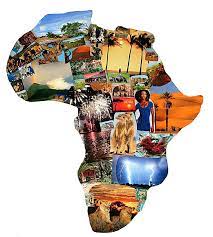
African cuisine is a vibrant mosaic, a centuries-old testament to our diverse cultures. More than mere sustenance, it embodies our values, customs, and unique identities. This exploration details practical strategies to safeguard this invaluable heritage for generations to come, ensuring its enduring vibrancy.
Honoring Our Roots: Traditional Ingredients and Recipes
The essence of authentic African cooking lies in its ingredients. From the fiery scotch bonnets of West Africa to the aromatic spices of the North, each ingredient tells a story, contributing depth and authenticity to our dishes. Prioritizing these traditional ingredients is paramount in preserving our culinary heritage. Equally crucial is the rediscovery of forgotten recipes. Exploring antique cookbooks, engaging with community elders, and unearthing family recipes revitalizes our culinary past, enriching our present, and securing it for the future. Meticulous documentationโthrough written records, photography, or dedicated family cookbooksโensures their survival and transmission across generations.
Sustainable Practices: Community and Collaboration
Supporting local farmers and food producers is not merely a culinary choice; itโs a commitment to heritage sustainability. Sourcing ingredients locally reinforces traditional farming practices and strengthens community bonds. Knowledge sharing is equally vital. Cooking workshops, virtual classes, and encouragement to embrace culinary heritage empower individuals and communities to perpetuate this legacy. Inter-African cultural exchanges, celebrating shared culinary traditions and regional variations, further strengthen our collective identity and foster continental unity.
Modern Tools for Ancient Techniques
Traditional cooking methodsโfrom pounding yam in Nigeria to slow cooking in Moroccan taginesโare integral to our heritage. Preserving and transmitting these techniques ensures our culture's vibrancy. The digital age offers powerful preservation tools. Websites, blogs, and social media dedicated to African cuisine provide a dynamic platform to share recipes, stories, and cooking tips, creating an accessible archive for future generations. Investing in culinary education is crucial. Empowering young Africans with culinary arts careers, providing training and opportunities, cultivates a new generation of chefs capable of preserving and innovating African cuisine.
Celebrating and Promoting Our Culinary Heritage Globally
Indigenous communities possess invaluable knowledge of local ingredients and cooking techniques. Recognizing and respecting their expertise is crucial for preserving their culinary heritage and empowering these communities. Culinary tourism offers another powerful avenue for preservation and sharing. Showcasing the unique flavors and traditions of diverse regions invites the world to experience the richness of African cuisine firsthand, fostering cultural exchange and appreciation. Celebrating successful African chefs globally inspires others to pursue their culinary dreams, highlighting the beauty and innovation within African cuisine. Actively participating in initiatives that protect traditional farming, promote sustainable food systems, and advocate for the global recognition of African cuisine ensures its longevity and international appreciation.
A Shared Vision for a United Future
Preserving our culinary heritage is intrinsically linked to preserving our African identity. As we celebrate our diverse cultures, let us strive for continental unity and cooperation, envisioning a future where we stand together as one, a united Africa. Let us continue sharing our favorite traditional dishes, inspiring each other to uphold and celebrate this precious legacy. Through collective effort and dedication, we can ensure the rich tapestry of African cuisine continues to thrive and enrich lives for generations to come. The vibrant flavors of Africa are a testament to our resilience, innovation, and shared heritage. Let's work together to ensure these flavors remain a source of pride and unity for generations to come.
Share your favorite traditional African recipes in the comments! Let's inspire one another and spread the love for African cuisine. #AfricanCuisine #CulinaryHeritage #UnitedAfrica
Updated at: 2025-07-12 09:29:33 (10 months ago by Melkisedeck Leon Shine)
```htmlAfrica's cultural heritage stands as a testament to human creativity and resilience, a legacy shaped over millennia. This rich tapestry of traditions, rituals, and values, intricately woven into the land and its peoples, forms the cornerstone of African identity. Preserving this heritage for future generations is more than a responsibility; it is a moral imperative, essential for maintaining the continent's vibrant cultural diversity. This article explores strategies for effective heritage preservation, integrating indigenous knowledge systems with contemporary best practices to ensure the enduring legacy of African culture. Core concepts informing this discussion include cultural sustainability, intangible cultural heritage (ICH), and community-based participatory conservation.
Cultural Sustainability and the Preservation of Intangible Cultural Heritage (ICH) through System Thinking Approach: Cultural sustainability, a concept rooted in the principles of system thinking, emphasizes the ongoing viability and adaptability of cultural practices within a dynamic environment. It recognizes that culture is not static but constantly evolving, and preservation efforts must support this natural evolution. Applying this concept in Africa requires a deep understanding of Intangible Cultural Heritage (ICH), encompassing oral traditions, performing arts, social practices, rituals, festive events, knowledge and practices concerning nature and the universe, and traditional craftsmanship. The UNESCO 2003 Convention for the Safeguarding of the Intangible Cultural Heritage provides a global framework for the identification, documentation, and preservation of these elements. Consider, for example, the oral traditions of the Maasai people in Kenya and Tanzania. Cultural sustainability in this context involves not merely recording these stories but ensuring their continued relevance and transmission through community-led initiatives, educational programs, and integration with contemporary forms of expression. This multi-pronged approach, supported by digital archives and ethnographic research, ensures both the longevity and accessibility of African ICH while respecting its dynamic nature.
Community-Based Participatory Conservation and the Protection of Sacred Sites and Natural Wonders through Stakeholder Theory: The integration of local communities in the conservation of cultural and natural resources is not merely a best practice but a fundamental requirement for long-term success. Community-based participatory conservation (CBC), informed by Stakeholder Theory, is an approach that recognizes local communities as key stakeholders with legitimate interests and rights in the management and protection of their heritage. Applying this model to the preservation of sacred sites and natural wonders requires collaborative management strategies involving governmental agencies, NGOs, and, most importantly, local communities. This collaborative governance fosters a sense of ownership and shared responsibility, ensuring responsible stewardship of ecologically and culturally significant areas. For example, the Osun-Osogbo Sacred Grove in Nigeria, a UNESCO World Heritage Site, is managed through a partnership between the local community, the government, and international organizations. This collaboration ensures the preservation of the grove's cultural and natural significance while providing economic benefits to the community through sustainable tourism initiatives. Furthermore, integrating local knowledge into conservation efforts, such as traditional ecological knowledge, enhances the effectiveness and sustainability of these initiatives.
Economic Empowerment and the Support of Local Artisans and Craftspeople through Value Chain Analysis: Traditional African arts and crafts are not merely aesthetic objects but powerful repositories of cultural knowledge and historical narratives. Supporting local artisans is therefore not simply a matter of economic development but a crucial step in safeguarding cultural heritage itself. This requires a comprehensive approach that addresses the entire value chain, from sourcing raw materials to marketing finished products. This involves creating market access through fair trade initiatives, developing e-commerce platforms for artisans to reach global markets, and promoting cultural tourism that emphasizes authenticity and cultural exchange. Furthermore, fostering creativity and innovation through training and capacity-building programs enables artisans to adapt their skills to contemporary markets while retaining the essence of their traditions. For instance, initiatives that provide training in design and marketing to traditional weavers in Ethiopia can empower them to create products that appeal to international consumers while preserving their cultural heritage. Such initiatives foster both economic independence and cultural preservation simultaneously, ensuring the long-term viability of traditional crafts.
Education and the Transmission of Cultural Knowledge through Experiential Learning: Investing in comprehensive cultural education programs is vital for ensuring the intergenerational transmission of cultural knowledge. This goes beyond simply teaching facts about history and culture; it involves creating immersive experiences that engage students emotionally and intellectually. Integrating African history, art, music, and traditional practices into formal education curricula is essential, as is developing community-based learning initiatives that connect students with local elders and cultural practitioners. For example, schools can partner with local museums and cultural centers to offer hands-on workshops and field trips that bring cultural heritage to life. By fostering a sense of cultural pride and identity through experiential learning, these programs encourage active participation in cultural preservation. Active engagement through cultural centers, museums, and community events enhances learning and promotes appreciation. Furthermore, the integration of technology, such as digital storytelling and virtual museum tours, can broaden accessibility to cultural knowledge and create engaging learning experiences for students of all ages. This approach, informed by constructivist learning theory, emphasizes the importance of active participation and personal meaning-making in the learning process.
Language Revitalization and the Preservation of Oral Traditions through the Theory of Linguistic Relativity: Language is inextricably linked to cultural identity; it is the primary vehicle for transmitting cultural knowledge, values, and beliefs. The revitalization of indigenous African languages is therefore crucial for preserving oral traditions and ensuring cultural continuity. This necessitates incorporating indigenous languages into educational systems, developing multilingual digital resources, and actively promoting the use of these languages in media and public life. This approach is supported by the Theory of Linguistic Relativity, which suggests that the structure of a language affects its speakers' worldview or cognition, and thus cultures. Such initiatives support the maintenance of unique linguistic and cultural diversity. For example, the establishment of language nests, immersion programs for young children, has proven effective in revitalizing indigenous languages in various parts of the world. The application of language revitalization strategies often requires collaborative partnerships between linguistic experts, educational institutions, and community members, ensuring that these efforts are culturally appropriate and sustainable.
Policy and Advocacy for Cultural Heritage Protection through Institutional Theory: Effective cultural heritage preservation requires supportive policies and legislation that create a favorable institutional environment. Advocating for policies that protect cultural sites, promote traditional arts and indigenous languages, and incentivize cultural sustainability is essential. These policies need to be informed by a deep understanding of local contexts, incorporating the voices and perspectives of communities directly involved in cultural heritage management. This approach aligns with Institutional Theory, which emphasizes the role of institutions, both formal and informal, in shaping individual and organizational behavior. Active engagement with policymakers, the creation of robust legal frameworks, and the effective monitoring and enforcement of regulations are all crucial for achieving this goal. For example, legislation that provides tax incentives for businesses that support cultural heritage initiatives can encourage private sector investment in preservation efforts. Similarly, laws that protect indigenous intellectual property rights can prevent the misappropriation of traditional knowledge and cultural expressions. These policies must be developed and implemented in a transparent and participatory manner, ensuring that they are both effective and equitable.
Facilitating Cultural Exchange and Learning from Global Best Practices through Social Learning Theory: International collaborations are instrumental in fostering mutual understanding and sharing best practices in cultural heritage management. These exchanges, encompassing educational programs, artistic partnerships, and the development of joint conservation projects, enrich African cultural landscapes and promote innovative approaches to heritage preservation. This approach is based on Social Learning Theory, which suggests that individuals learn from each other through observation, imitation, and modeling. The adaptation of successful global models to suit the unique circumstances of African nations requires careful consideration of cultural context and community needs, ensuring the preservation effort remains sensitive and inclusive. For example, the experience of European countries in managing cultural heritage sites can provide valuable lessons for African nations. However, it is crucial to adapt these lessons to the specific cultural, economic, and political context of Africa, ensuring that preservation efforts are both effective and sustainable. This requires a process of knowledge sharing, capacity building, and mutual learning, fostering a global community of practice in cultural heritage management.
Conclusion and Recommendations: The preservation of Africa's rich cultural heritage demands a holistic and multifaceted approach, one that acknowledges the interconnectedness of cultural, social, economic, and environmental factors. The strategies outlined in this articleโemphasizing cultural sustainability, community-based participatory conservation, economic empowerment, education, language revitalization, and policy advocacyโprovide a framework for effective action. Further research should focus on developing more robust methods for measuring the impact of cultural heritage initiatives on community well-being and economic development. Additionally, there is a need for more research on the application of technology in cultural heritage preservation, particularly in the areas of digital archiving, virtual reality, and artificial intelligence. Capacity building initiatives for cultural heritage professionals should be strengthened, and more emphasis should be placed on incorporating indigenous knowledge systems into preservation practices. By fostering a collaborative environment, embracing indigenous knowledge systems, and employing innovative strategies, Africa can safeguard its diverse and vibrant cultural heritage for generations to come. The impacts of successful heritage preservation include increased cultural pride, strengthened community cohesion, economic diversification, and the preservation of invaluable knowledge systems. The applicability of these strategies transcends geographical boundaries, offering a valuable model for cultural heritage preservation globally, demonstrating the importance of adapting global best practices to the unique contexts of different regions and communities. In conclusion, a strategic and collaborative approach, grounded in sound theoretical frameworks and informed by ongoing research, is essential for ensuring the enduring legacy of African culture.
Reader Pool: Considering the rapid advancements in artificial intelligence, how can AI be ethically and effectively employed to document, preserve, and promote Africa's cultural heritage, while safeguarding against bias and ensuring community ownership?
```
Updated at: 2025-05-06 23:22:22 (1 year ago by Melkisedeck Leon Shine)
Africa possesses a rich tapestry of architectural heritage, reflecting millennia of cultural evolution and ingenuity. From the monumental pyramids of Egypt to the intricate mud-brick architecture of West Africa, these structures serve as tangible embodiments of historical narratives and cultural identities. However, the passage of time, coupled with socio-economic pressures, poses significant threats to the preservation of this invaluable legacy. This article explores a comprehensive strategy for safeguarding Africa's architectural heritage, grounded in established conservation principles and practical applications.
Defining Key Concepts: Heritage preservation encompasses the multifaceted processes of protecting, conserving, and interpreting cultural resources for present and future generations. Sustainable development, as applied here, emphasizes economic growth that does not compromise the integrity of cultural assets. Community engagement highlights the participatory approach vital to successful heritage management, fostering a sense of ownership and responsibility within local populations. Finally, adaptive reuse refers to the repurposing of historical structures for contemporary uses while retaining their historical significance.
1. Comprehensive Documentation and Assessment: Prioritizing the meticulous documentation of existing structures is paramount. This involves detailed surveys using techniques such as photogrammetry and 3D laser scanning to create accurate digital records. This process, informed by the principles of the International Council on Monuments and Sites (ICOMOS) Charter, ensures a thorough understanding of the building's condition, materials, and construction methods, facilitating informed conservation strategies. Case studies of successful documentation projects in other regions can serve as valuable benchmarks.
2. Prioritizing Conservation and Restoration: Targeted conservation interventions, guided by scientific principles of material science and historical preservation, are crucial. This approach incorporates methodologies like the Venice Charter, prioritizing minimal intervention and the use of traditional materials whenever possible. Public-private partnerships can mobilize financial and technical resources, ensuring the long-term sustainability of conservation efforts. For example, successful models from historic preservation programs in Europe and North America can be adapted to the African context.
3. Strategic Adaptive Reuse and Sustainable Tourism: Transforming historical structures into functional spaces, such as museums, cultural centers, or eco-lodges, can generate income for local communities and encourage the preservation of heritage sites. This approach aligns with the concept of sustainable tourism, leveraging the cultural capital of the site to enhance local livelihoods without compromising its integrity. This requires careful planning and stakeholder engagement, drawing upon the expertise of tourism and urban planning professionals.
4. Empowering Communities Through Education and Training: Engaging local communities is vital for the long-term success of preservation initiatives. Education programs can raise awareness about the significance of cultural heritage and empower communities to actively participate in preservation efforts. Skill-building initiatives, focusing on traditional construction techniques and modern conservation methods, can generate local employment and build capacity for sustainable heritage management. The principles of community-based conservation, as promoted by various international organizations, should inform these training programs.
5. Strengthening Legal Frameworks and Policy: Robust legal frameworks are necessary to protect architectural heritage from illicit demolition, alteration, or exploitation. This includes enacting legislation that designates heritage sites, regulates development within their vicinity, and provides mechanisms for enforcement. The process requires careful consideration of land tenure systems, community rights, and international best practices in heritage legislation. Lessons can be drawn from effective legal frameworks implemented in other countries.
6. Fostering Regional and International Collaboration: Collaborative networks involving African nations, international organizations, and academic institutions can facilitate knowledge sharing, access to resources, and the development of standardized conservation practices. This cooperation can leverage expertise from different regions, adapt successful conservation models, and harmonize approaches to heritage management across the continent. Successful examples of collaborative conservation projects can inspire and guide future initiatives.
7. Leveraging Technology for Preservation and Outreach: Digital technologies, such as 3D modeling, virtual reality, and augmented reality, offer innovative tools for documenting, preserving, and promoting architectural heritage. These technologies enable remote access to sites, facilitate educational outreach, and enhance the visitor experience. The integration of these digital tools should align with broader digital preservation strategies and accessibility guidelines.
Conclusion and Recommendations:
The preservation of Africa's architectural heritage is not merely a matter of aesthetics but a critical component of maintaining cultural identity, fostering sustainable development, and ensuring the transmission of knowledge to future generations. This requires a holistic, multi-pronged approach that incorporates meticulous documentation, scientific conservation methods, community engagement, robust legal frameworks, and strategic partnerships. Further research should focus on developing context-specific conservation techniques, assessing the long-term economic impacts of heritage tourism, and exploring innovative financing mechanisms for heritage preservation. A collaborative, continent-wide strategy, informed by international best practices and local knowledge, is essential for ensuring the long-term viability of Africa's invaluable architectural legacy. The development of a dedicated Pan-African heritage preservation agency, coordinating resources and expertise, could significantly enhance the effectiveness of preservation efforts.
Updated at: 2025-05-27 10:36:08 (1 year ago by Melkisedeck Leon Shine)
Africa's intangible cultural heritage (ICH), encompassing traditions, knowledge systems, and artistic expressions, constitutes a cornerstone of its identity and societal resilience. However, globalization and modernization pose significant threats to its preservation. This article outlines fifteen interconnected strategies, grounded in anthropological, sociological, and economic theories, to ensure the continuity and vitality of this invaluable ICH. We will explore key concepts such as intangible cultural heritage (UNESCO's definition encompassing practices, representations, expressions, knowledge, and skills transmitted from generation to generation), cultural sustainability (the capacity of a culture to adapt and thrive while maintaining its core values), and community-based conservation (a participatory approach prioritizing local ownership and empowerment). The proposed strategies integrate traditional practices with contemporary approaches for a robust and effective approach.
1. Developing Comprehensive National Heritage Policies: A robust legal and strategic framework is paramount. Drawing upon principles of cultural policy and management, comprehensive national policies should outline legal protections, funding mechanisms, and institutional responsibilities for ICH preservation. This establishes a foundation for all subsequent actions. The policy should incorporate participatory elements ensuring community voices are integrated into the decision making process. This framework aligns with the principles of policy effectiveness and aligns with the concept of policy coherence.
2. Establishing and Strengthening Heritage Institutions: The establishment and strengthening of museums, archives, and research centers are crucial for documenting, preserving, and disseminating ICH. Applying principles of museum studies and archival science, these institutions should prioritize community engagement in their curation, research, and programming, ensuring accessibility and inclusivity. This supports the stewardship of cultural assets and fosters cultural memory.
3. Intergenerational Knowledge Transfer Programs: Utilizing participatory action research methodologies, we can design and implement structured programs facilitating knowledge transfer between generations. These programs should incorporate mentorship, collaborative projects, and opportunities for young people to actively participate in safeguarding their heritage. This reflects principles of experiential learning and community-based education.
4. Community-Based Heritage Management: Applying principles of community development, local communities should lead heritage preservation initiatives. Empowering communities to participate in decision-making processes, resource allocation, and project management ensures local ownership and sustainability. This aligns with principles of bottom-up development and participatory governance.
5. Language Revitalization Programs: Language loss signifies a profound loss of cultural knowledge. Employing methodologies from linguistic anthropology and sociolinguistics, comprehensive language revitalization programs, including language nests and immersion programs, support language learning, community language use, and the documentation of endangered languages. This strengthens cultural identity and promotes linguistic diversity.
6. Curriculum Integration of ICH: Integrating ICH into formal education systems, informed by constructivist learning theories, fosters cultural awareness and appreciation. This builds cultural capital within younger generations, strengthening cultural identity and promoting active participation in heritage preservation. This approach leverages the power of education as an agent of social change.
7. Formalizing and Institutionalizing Oral Traditions: Oral traditions, central to many African societies, require systematic documentation, archiving, and dissemination. Employing methodologies from oral history and folklore studies, these narratives can be preserved through educational institutions, community-based initiatives, and digital platforms, aligning with UNESCO's safeguarding framework.
8. Economic Empowerment through Traditional Arts and Crafts: Traditional arts and crafts possess significant economic potential. Applying principles of cultural economics and sustainable development, fair trade practices, market access strategies, and intellectual property protection mechanisms can ensure the financial viability of these practices. This approach fosters economic sustainability and cultural preservation.
9. Strategic Cultural Tourism Development: Cultural tourism can drive economic development and heritage preservation. Applying principles of sustainable tourism, responsible management of tourism flows minimizes environmental impact and ensures that local communities benefit from tourism revenue. This approach aligns with principles of sustainable development and carrying capacity.
10. Utilizing Digital Technologies for Documentation and Dissemination: Digital technologies offer unparalleled opportunities for documentation, preservation, and access. Applying principles of digital humanities and digital archiving, accessible online repositories of cultural materials can reach wider audiences and facilitate knowledge sharing. This expands access to and understanding of ICH.
11. Strategic International Collaboration: Partnerships with international organizations, NGOs, and academic institutions, based on principles of collaborative governance, can provide crucial resources, expertise, and funding. These collaborations strengthen national efforts and contribute to global cultural preservation.
12. Cultural Diplomacy and Exchange Programs: Well-designed cultural diplomacy initiatives, grounded in intercultural communication theories, foster intercultural understanding and mutual respect. These programs showcase African culture globally and promote dialogue and exchange. This promotes cultural understanding and mutual respect.
13. Comparative Analysis of Best Practices: Comparative case studies of successful heritage preservation initiatives inform adaptive management and the refinement of strategies tailored to specific African contexts. This allows for learning from other contexts and creating more effective strategies.
14. Honoring and Learning from Pan-African Leadership: Drawing inspiration from the philosophies and actions of past leaders, guiding principles for heritage preservation can be formulated. Their legacies serve as a powerful impetus for collective action and national pride.
15. Promoting Pan-African Unity and Collaboration: A collaborative approach, guided by principles of collective action and shared responsibility, strengthens the continent's capacity for heritage preservation. This reflects the vision of a unified Africa working towards common goals.
Conclusions and Recommendations: The preservation of Africa's ICH necessitates a holistic, multi-faceted approach. The strategies presented emphasize community-based participation, sustainable development, and strategic partnerships. Further research should assess the effectiveness of these strategies across diverse African contexts, measuring their impact on cultural vitality and community well-being. Impact evaluation methodologies, such as participatory monitoring and evaluation, could provide insights into the long-term effectiveness and sustainability of these initiatives. Successful implementation requires fostering a collective commitment to safeguarding Africa's rich cultural heritage. The long-term impact will be a more vibrant, resilient African identity, enriched economic opportunities, and stronger community bonds. A key area for further investigation would be to explore the role of technology in creating and preserving culturally relevant digital content that is widely accessible. This involves considering technological challenges in various African contexts, especially in those areas with limited access to reliable internet and digital devices.
Reader Pool: Considering the diversity of African cultures and the challenges of globalization, what are the most critical factors for successfully implementing these ICH preservation strategies while respecting the unique contexts and needs of individual communities?
Updated at: 2025-05-24 10:09:10 (1 year ago by Melkisedeck Leon Shine)
Africa's diverse architectural landscape, encompassing structures ranging from the ancient pyramids of Egypt to the rock-hewn churches of Lalibela, represents a significant repository of cultural heritage. These architectural marvels serve as tangible embodiments of ingenuity and artistic expression, reflecting the rich tapestry of African civilizations. Their preservation is not merely a matter of historical preservation but a crucial element in fostering cultural identity and promoting sustainable development. This necessitates a multifaceted and collaborative approach, integrating principles of cultural resource management, community engagement, and sustainable tourism.
A comprehensive strategy for safeguarding Africa's architectural heritage requires a collaborative effort involving communities, governmental bodies, and international partners. The following points outline a framework for achieving this critical goal, drawing upon established theories such as the UNESCO World Heritage Convention, community-based conservation models, and principles of sustainable development.
1. Establishing Robust Legal Frameworks and Enforcement Mechanisms: Strong legal frameworks are foundational to heritage protection. These frameworks, drawing upon international best practices as exemplified by the UNESCO World Heritage Convention, should clearly define protected sites, prohibit unauthorized alterations or destruction, and establish mechanisms for effective enforcement. This legal infrastructure must be complemented by robust monitoring and surveillance systems to deter illegal activities and ensure compliance. Cases of successful implementation, such as the protection of specific sites within national parks, can serve as models for other regions.
2. Developing Comprehensive Site Management Plans: Each site requires a bespoke management plan based on a thorough assessment of its condition, vulnerabilities (e.g., climate change, urban encroachment), and potential threats. These plans must incorporate preventive conservation measures, emergency response protocols, and long-term sustainability strategies. The application of risk assessment methodologies, such as those employed in disaster management, can help prioritize conservation efforts and allocate resources effectively.
3. Fostering Meaningful Community Engagement: Successful heritage preservation is intrinsically linked to community ownership and participation. Applying participatory approaches, similar to those used in community-based natural resource management, empowers local communities to actively participate in decision-making processes, ensuring preservation efforts align with local values, needs, and traditional practices. This participatory approach, grounded in principles of social equity and environmental justice, fosters a sense of shared responsibility and long-term sustainability.
4. Promoting Sustainable Tourism and Economic Development: Tourism can generate substantial economic benefits for local communities, but only if managed sustainably. Responsible tourism practices, emphasizing visitor education, minimal environmental impact, and equitable distribution of economic benefits, are crucial. This approach, grounded in the principles of ecotourism and sustainable development, ensures that cultural heritage preservation contributes to local livelihoods while mitigating potential negative impacts.
5. Investing in Research, Innovation, and Capacity Building: Advancements in conservation science and technology are crucial for addressing the challenges of preserving diverse architectural forms. Investment in research and development, coupled with capacity-building initiatives to train local professionals in advanced preservation techniques, are essential for long-term sustainability. This includes exploring innovative materials and techniques while respecting traditional building methods.
6. Facilitating Intergenerational Knowledge Transfer: Preserving traditional building techniques requires a systematic approach to knowledge transfer from master craftspeople to younger generations. Apprenticeship programs and mentorship initiatives play a pivotal role in maintaining these invaluable skills and ensuring the continuity of traditional building practices. This aligns with principles of cultural transmission and the safeguarding of intangible cultural heritage.
7. Enhancing Documentation and Archiving: Comprehensive documentation of architectural sites, including detailed surveys, photographic records, and oral histories, is crucial. This documentation must be digitally archived and made accessible to researchers, policymakers, and the public. This robust documentation acts as a foundation for informed decision-making, conservation planning, and public awareness initiatives.
8. Strengthening International Collaboration and Knowledge Exchange: International partnerships and collaborations are essential for accessing specialized expertise, advanced technologies, and financial resources. The exchange of best practices and experiences among African nations and international organizations is crucial for enhancing preservation efforts and ensuring sustainable outcomes. This necessitates collaborative frameworks guided by principles of mutual respect and shared benefit.
9. Raising Public Awareness and Education: Public awareness campaigns, using diverse media platforms, are vital for fostering appreciation and understanding of the importance of architectural heritage. Educational programs targeted at different age groups should highlight the cultural significance of these sites and instill a sense of responsibility for their preservation. This aligns with the educational goals of UNESCOโs World Heritage program.
10. Integrating Traditional Architectural Practices in Contemporary Design: Incorporating traditional building techniques and materials into contemporary architectural projects ensures the continuity of African architectural traditions. This approach contributes to the authenticity and sustainability of the built environment, showcasing the enduring relevance of traditional craftsmanship.
11. Empowering Local Communities through Economic Opportunities: Local communities should benefit directly from preservation efforts. This can be achieved through sustainable tourism initiatives, craft-based enterprises linked to heritage sites, and employment opportunities in conservation and restoration projects. Economic empowerment complements the participatory approach, creating incentives for community involvement and long-term stewardship.
12. Celebrating Cultural Festivals and Events: Cultural festivals and events provide platforms for celebrating architectural heritage, fostering community pride, and promoting public awareness. These events can also serve as opportunities to generate revenue for conservation initiatives.
13. Supporting Local Craftsmanship and Artisanal Skills: Preservation efforts depend heavily on the skills of local artisans and craftspeople. Supporting their work through training programs, fair wages, and market access ensures the authenticity and quality of conservation and restoration projects.
14. Developing Pan-African Networks and Collaborative Initiatives: Collaboration among African nations is vital for sharing best practices, resources, and expertise. Establishing regional networks and joint projects can optimize resource utilization and amplify the impact of preservation efforts.
15. Utilizing Technology for Monitoring and Preservation: Modern technologies, such as remote sensing, GIS, and 3D modeling, can play a significant role in monitoring the condition of sites, detecting threats, and planning effective interventions. Integration of technology enhances efficiency and accuracy in conservation efforts.
Conclusions and Recommendations: Safeguarding Africa's architectural heritage is a multifaceted endeavor requiring a holistic and collaborative approach. The integrated strategy outlined above emphasizes the importance of strong legal frameworks, community participation, sustainable economic development, and the integration of traditional knowledge with modern technologies. Continuous investment in research, capacity building, and public awareness is crucial for long-term sustainability. Further research should focus on developing innovative conservation techniques, analyzing the economic impacts of heritage tourism, and assessing the effectiveness of different community engagement models. By embracing a collaborative and sustainable approach, Africa can ensure that its architectural legacy endures for future generations, serving as a testament to its rich cultural heritage and its commitment to sustainable development.
Reader Pool: What innovative strategies could further enhance the effectiveness of community-based approaches to heritage preservation in diverse African contexts?
Updated at: 2023-08-11 21:23:49 (2 years ago by Melkisedeck Leon Shine)
Title: Sacred Sites and Spaces: Conserving African Cultural Landmarks
Introduction: Greetings, fellow Africans! Today, we embark on a journey of preserving our rich cultural heritage and ancient landmarks. Our continent boasts a tapestry of traditions, beliefs, and history that deserve to be protected for generations to come. As proud Africans, it is our responsibility to safeguard these sacred sites and spaces, ensuring they remain a testament to our identity and the strength of our unity.
๐ Acknowledge the significance: Recognize the importance of preserving African cultural landmarks as a way to honor our ancestors, educate future generations, and reinforce our unique African identity.
๐ Identify at-risk sites: Conduct comprehensive surveys to pinpoint cultural sites and spaces that are under threat due to neglect, urbanization, or political instability.
๐ก Develop preservation plans: Create strategic plans that outline specific actions required to safeguard these sites, including restoration, maintenance, and establishing protective legal frameworks.
๐ฟ Engage local communities: Encourage active participation from local communities to instill a sense of ownership and pride in preserving their cultural heritage.
๐๏ธ Promote responsible tourism: Implement sustainable tourism practices that respect the integrity of cultural landmarks, while also supporting local economies and creating opportunities for community development.
๐ Educate the youth: Integrate cultural heritage into educational curricula to ensure that our young people develop a deep appreciation and understanding of their heritage.
๐ค Foster international collaborations: Seek partnerships with international organizations and institutions to access expertise, funding, and resources for preservation efforts.
๐ก๏ธ Safeguard intangible heritage: Preserve not just physical sites, but also traditions, languages, and oral histories that are integral parts of African culture.
๐๏ธ Protect natural heritage: Recognize that our cultural heritage is often intertwined with natural landscapes, such as sacred forests and mountains, and take steps to preserve these ecosystems.
๐ Learn from global best practices: Study successful preservation models from other parts of the world and adapt them to our unique African context.
๐ Draw inspiration from African leaders: Take guidance from visionary African leaders who emphasized the importance of preserving our cultural heritage, such as Kwame Nkrumah, Nelson Mandela, and Wangari Maathai.
๐บ๏ธ Embrace Pan-Africanism: Emphasize the unity of the African continent and the power of collective action in preserving our cultural landmarks. Let us envision a future where "The United States of Africa" (Muungano wa Mataifa ya Afrika) can be achieved.
๐ช Empower local artisans: Support and promote local artisans, craftsmen, and cultural practitioners who play a vital role in preserving and passing down traditional skills and knowledge.
๐ฅ Share success stories: Highlight successful preservation projects in countries like Egypt (Giza Pyramids), Ethiopia (Lalibela), and Mali (Timbuktu), showcasing the positive impact such initiatives can have on local communities and tourism.
๐ Develop skills and take action: Encourage every reader to develop skills, whether in the field of heritage management, tourism, or community engagement, and actively participate in the preservation of our African culture and heritage.
Conclusion: Dear fellow Africans, the preservation of our sacred sites and spaces is not just an aspiration, but an achievable reality. Let us unite, drawing inspiration from our shared history and diverse cultures, as we work towards the formation of "The United States of Africa" (Muungano wa Mataifa ya Afrika). Together, we can safeguard our cultural heritage for future generations, celebrating our roots and building a brighter future. Share this article and let us ignite the flame of African unity! ๐โจ
Updated at: 2025-06-05 11:30:49 (1 year ago by Melkisedeck Leon Shine)
African culture, a dynamic tapestry woven from diverse traditions and practices, finds profound expression through dance. Beyond mere entertainment, dance serves as a critical mechanism for safeguarding and transmitting cultural heritage. Its intricate movements and rhythmic patterns function as repositories of historical narratives, celebratory traditions, and ancestral connections. This article examines strategies for collaborative preservation of African cultural heritage, drawing upon both indigenous knowledge systems and global best practices. We will explore several key concepts: cultural transmission, referring to the process of passing cultural knowledge across generations; cultural capital, encompassing the social and economic value inherent in cultural heritage; and participatory cultural heritage management, emphasizing community involvement in safeguarding cultural resources.
Intergenerational Knowledge Transfer: A Foundation for Cultural Continuity: The transmission of cultural knowledge from elders to younger generations is paramount. This process, central to the concept of cultural transmission, can be facilitated through various mechanisms: structured mentorship programs, community-based storytelling initiatives, formal apprenticeships emphasizing experiential learning, and the integration of oral histories into educational curricula. Applying the principles of situated cognition, we recognize that knowledge is best acquired within the context of its practical application. Elders, acting as repositories of cultural capital, play a crucial role in this process.
Documenting Oral Traditions: Preserving Intangible Cultural Heritage: African history, profoundly rooted in oral traditions, necessitates meticulous documentation. Utilizing audio-visual recording technologies, written transcriptions, and digital archiving techniques ensures accessibility and preservation of these narratives, including regional dialects and languages, critical components of cultural capital. This process aligns with the principles of ethno-documentation, ensuring accuracy and respect for cultural sensitivity. We apply concepts of knowledge management by creating accessible archives that enable future generations to engage with their heritage.
Strengthening Cultural Institutions: Safeguarding Tangible and Intangible Heritage: Museums, cultural centers, and heritage sites function as vital custodians of cultural memory. Active community engagement โ participation in programs, financial contributions, and advocacy โ is crucial for their sustainability. This embodies the principles of participatory cultural heritage management. The economic impact of cultural tourism on local communities, a component of cultural capital, should also be considered.
Integrating Cultural Education: Fostering Cultural Identity and Ownership: Integrating African cultural studies into formal education systems is crucial for cultivating cultural pride and identity. Applying constructivist learning theories, these programs can encourage active engagement and critical analysis of cultural heritage. Such educational initiatives not only transmit knowledge but also contribute to the development of cultural capital among young people.
Promoting Artistic Expression: A Vehicle for Cultural Transmission and Economic Empowerment: Artistic practices, particularly dance, serve as powerful mediums for cultural preservation and transmission. Supporting artists through funding, resource allocation, and international exhibition opportunities enables them to showcase the diversity of African cultures and to generate economic benefits through cultural capital.
Fostering Community Engagement: Revitalizing Cultural Practices and Building Social Cohesion: Community-based initiatives, such as dance workshops, festivals, and storytelling circles, foster a sense of collective ownership of cultural heritage. This approach aligns with community-based participatory research (CBPR) principles, placing local communities at the center of heritage preservation efforts.
Pan-African Collaboration: Harnessing Collective Strength for Cultural Preservation: Collaboration among African nations strengthens understanding and appreciation of the continent's diverse cultural heritage. Joint artistic projects, research initiatives, and cultural exchange programs facilitate knowledge sharing and mutual respect. This collaborative approach enhances cultural capital on a continental scale and creates stronger networks for the preservation of shared heritage.
Leveraging Technology: Expanding Reach and Accessibility of Cultural Heritage: Digital platforms offer significant potential for expanding the reach and accessibility of African cultural heritage globally. Creating digital archives of oral histories, dance performances, and traditional art forms ensures their longevity and accessibility to wider audiences. This innovative approach applies digital humanities methods to address the challenges of cultural preservation.
Amplifying African Voices: Empowering Indigenous Knowledge Holders and Cultural Leaders: African leaders, artists, and community members play crucial roles in promoting and safeguarding cultural heritage. Their involvement is essential for ensuring authenticity and ownership of preservation efforts.
Protecting Sacred Sites and Natural Heritage: Preserving Cultural and Spiritual Significance: The preservation of sacred sites requires concerted community efforts and government support to ensure long-term protection. This recognizes the interconnectedness of cultural, spiritual, and environmental dimensions of heritage.
Preserving African Languages: Safeguarding the Foundation of Cultural Identity: Promoting and preserving African languages, a cornerstone of cultural identity, requires integrating them into education systems and supporting initiatives for linguistic diversity. The preservation of languages directly supports the transmission of cultural knowledge and values.
Engaging the Diaspora: Harnessing Global Networks for Cultural Preservation: The African diaspora holds significant potential for preserving and promoting African culture globally. Fostering collaborations and knowledge exchange with the diaspora enhances the impact of preservation efforts.
Building a United Africa: A Collective Vision for Cultural Heritage Preservation: A united approach to cultural heritage preservation underscores the shared responsibility for safeguarding a rich and diverse cultural legacy. The collective strength and unified efforts of African nations will ensure the longevity and vitality of the continent's cultural heritage.
The preservation of African cultural heritage requires a multifaceted approach that integrates traditional knowledge systems with innovative technologies and collaborative strategies. Intergenerational knowledge transfer, meticulous documentation of oral traditions, and the empowerment of local communities are paramount. Strengthening cultural institutions, fostering artistic expression, and leveraging the potential of the digital sphere are equally vital. Future research should focus on the development of effective metrics to measure the impact of different preservation strategies, including quantitative assessment of cultural capital and qualitative analysis of community engagement. A crucial recommendation involves establishing national and regional funding mechanisms specifically designed to support participatory cultural heritage management initiatives. The long-term impact of these efforts will be the safeguarding of a vibrant and dynamic African cultural identity for generations to come. The successful implementation of these recommendations will not only preserve cultural heritage but also contribute to sustainable economic development and social cohesion. This comprehensive approach, underpinned by participatory principles and technological innovation, will ensure that African cultural heritage remains a source of pride, inspiration, and identity for generations to come.
Reader Pool: What innovative strategies, beyond those discussed, could effectively contribute to the preservation of African cultural heritage in the face of globalization and technological advancements?
Updated at: 2025-08-18 10:15:25 (9 months ago by Melkisedeck Leon Shine)
```htmlAfrican languages are more than just tools for communication; they represent the essence of culture, identity, and societal structure across the African continent. This diverse linguistic landscape, a mosaic of countless tongues, embodies the continent's rich history and heritage. However, the increasing influence of globalization presents a significant threat, pushing many African languages towards endangerment. Therefore, preserving this invaluable linguistic legacy is not merely a historical duty but a crucial step toward securing a prosperous future for African communities. This article will explore fifteen strategic initiatives essential for safeguarding Africa's linguistic heritage.
Before diving into the strategies, itโs crucial to define what linguistic heritage entails. Linguistic heritage encompasses not only the languages themselves but also the associated cultural knowledge, oral traditions, and unique worldviews embedded within them. Preserving African languages is an act of cultural self-determination, ensuring the continuity of unique artistic expressions and ancestral knowledge systems. Their loss signifies an irreplaceable erosion of cultural memory, diminishing the ability of future generations to connect with their roots. The concept of cultural self-determination is closely linked to the Sapir-Whorf hypothesis, which posits that the structure of a language influences the modes of thought and behavior characteristic of the culture in which it is spoken.
To effectively safeguard Africa's linguistic heritage, the following strategic initiatives are vital:
Prioritizing mother tongue-based multilingual education (MTB-MLE) is critical, especially in early childhood education. This approach aligns with the principles of cognitive development, suggesting that children learn best when introduced to concepts in a language they understand fluently. This ensures intergenerational language transmission, establishing a solid linguistic foundation from a young age. Applying this, governments and educational institutions should invest in training teachers who are proficient in local languages and developing curriculum materials that reflect the cultural context of the students.
Implement educational systems that seamlessly incorporate African languages alongside globally prevalent languages. This approach, rooted in the principles of additive bilingualism, empowers children with essential linguistic skills while fostering cultural pride and ensuring the preservation of heritage languages. An example of this is the implementation of dual-language programs in schools, where students receive instruction in both a local African language and a global language like English or French.
Establish robust programs encompassing linguistic research, documentation, and community-based revitalization initiatives. Successful implementation requires collaboration between linguists, anthropologists, and local communities. Applying participatory action research, these programs should involve community members in identifying language needs, setting goals, and implementing solutions. For instance, a language preservation program could focus on documenting endangered languages through audio and video recordings, creating dictionaries, and developing language learning materials.
Provide targeted support and resources to communities actively using African languages, empowering them to sustain and transmit their linguistic heritage for future generations. This aligns with the concept of community empowerment, where local communities are given the autonomy and resources to manage their own affairs. Support could include funding for community-led language initiatives, training programs for language teachers, and access to technology for language documentation and revitalization.
Encourage meaningful interactions between elders, who often possess extensive linguistic expertise, and younger generations to bridge linguistic gaps and ensure the transmission of knowledge. This approach applies the principles of social learning theory, which emphasizes the importance of observation, imitation, and modeling in learning. Elders can serve as cultural ambassadors, sharing their knowledge of traditional stories, songs, and customs with younger community members. Consider creating mentorship programs pairing elders with youth to facilitate language and cultural transmission.
Organize vibrant festivals and cultural events that showcase the richness and diversity of African languages. These celebrations foster cultural pride and create a sense of shared identity within and across communities. These events align with the principles of cultural revitalization, which seeks to promote and preserve cultural traditions and practices. Governments and cultural organizations can support these events through funding, logistical support, and promotion.
Actively document and disseminate African oral traditionsโstories, songs, proverbs, and other forms of oral literatureโwhich are essential elements of cultural transmission and linguistic preservation. This practice is vital because oral traditions often contain valuable historical, cultural, and ecological knowledge. Partner with local communities to record and transcribe oral traditions, and create digital archives to ensure their preservation for future generations.
Develop engaging and accessible language learning applications and digital resources. This approach utilizes technology's widespread reach to connect younger generations with African languages in an interactive and enjoyable manner. The application of technology aligns with constructivist learning theory, which emphasizes the importance of active learning and exploration. For example, create mobile apps that teach African languages through games, interactive exercises, and multimedia content. 15 Social Media Ad Strategies to Drive Explosive Lead Generation are vital for promotion.
Create user-friendly websites and online communities where individuals can learn, practice, and interact using African languages. This fosters connection and strengthens a sense of shared identity. Online platforms can serve as virtual spaces for language learners and speakers to connect, share resources, and practice their language skills. Implementing features such as language forums, virtual language exchange programs, and online language tutoring services can enhance these platforms.
Encourage the use of African languages in literature, film, music, and theater to increase their visibility and reach wider audiences, fostering appreciation and usage. This aligns with the principles of cultural representation, which seeks to promote diversity and inclusion in media and the arts. Provide funding and support for artists and media creators who use African languages in their work, and create platforms for showcasing their creations.
Advocate for the inclusion of African languages in official government documents, proceedings, and communications, granting them due recognition and legitimacy within the broader society. This formal recognition can enhance the status and prestige of African languages, encouraging their use in various domains of public life. Advocacy efforts should focus on raising awareness among policymakers and the public about the importance of linguistic diversity and the need for language equality.
Implement exchange programs among African nations to encourage cross-cultural learning and appreciation of diverse linguistic heritage, promoting mutual understanding and respect. These programs can facilitate the exchange of knowledge, ideas, and best practices related to language preservation and cultural revitalization. Students, teachers, and cultural practitioners can participate in exchange programs to learn about different languages, cultures, and perspectives.
Facilitate collaboration and resource-sharing among African nations facing similar challenges in language preservation. Collective action amplifies impact and accelerates progress towards shared goals. Nations can collaborate on linguistic research, documentation, and developing educational resources. Global Communication Strategies: A Practical Guide to Cross-Cultural Interaction are vital for the Pan-African region.
Promote comprehensive education and awareness campaigns that emphasize the importance of preserving African languages and foster a deep sense of pride in one's linguistic heritage. These campaigns can target various audiences, including students, parents, teachers, policymakers, and the general public. The message should highlight the cultural, social, and economic benefits of linguistic diversity and the importance of preserving African languages for future generations.
Create specialized institutions focused on research, teaching, and the promotion of African languages. These centers serve as hubs of excellence and focal points for language preservation efforts. These centers can conduct research on African languages, develop language learning materials, and train language teachers. They should also engage in community outreach activities to promote language awareness and revitalization.
Nelson Mandela's quote, "If you talk to a man in a language he understands, that goes to his head. If you talk to him in his language, that goes to his heart," highlights the emotional and cultural significance of language. Revitalizing African languages is a cultural imperative and a fundamental step towards building a strong, unified, and culturally vibrant Africa. It requires a collective effort, unwavering dedication, and a shared vision for a prosperous and culturally rich future. By embracing these languages, acknowledging their power to unite and shape our collective future, we can ensure the voices of our ancestors continue to resonate throughout generations. Similarily, understanding cross-cultural interactions by Decoding Nonverbal Communication: A Guide to Body Language and Effective Interaction and understanding cultural differences are important in this collaboration.
In conclusion, safeguarding Africa's linguistic heritage is a multifaceted endeavor that demands a holistic and collaborative approach. The strategies outlined above, when implemented effectively, can significantly contribute to the preservation and revitalization of African languages. However, the success of these initiatives hinges on several critical factors. Governments must prioritize language policies that support multilingualism and allocate sufficient resources for language preservation programs. Communities must be actively involved in language revitalization efforts, ensuring that these initiatives are culturally relevant and sustainable. Additionally, educational institutions must integrate African languages into the curriculum, fostering a sense of pride and appreciation among students. Furthermore, technology should be leveraged to create engaging and accessible language learning resources.
Recommendations:
Impacts: Successful implementation of these strategies will lead to:
Applicability: These strategies are applicable to various contexts across the African continent, but they should be adapted to meet the specific needs and circumstances of each community and language group.
Further Research: Further research is needed to evaluate the effectiveness of different language preservation strategies and to identify best practices for promoting multilingualism and cultural diversity. Specifically, studies should focus on the impact of mother tongue-based education on student achievement, the role of technology in language revitalization, and the effectiveness of community-based language programs.
What innovative strategies do you envision as having the greatest potential for preserving African languages? Share your perspectives and ideas โ let us work together to inspire a movement of change that safeguards the enduring legacy of Africa's linguistic richness for generations to come.
Related Articles
Reader Pool: In what ways can diaspora communities contribute to the revitalization of African languages, and what challenges might they face in doing so?
Updated at: 2025-06-06 13:04:21 (12 months ago by Melkisedeck Leon Shine)
Africa's diverse cultural heritage, encompassing traditions ranging from the vibrant artistry of Maasai beadwork to the rhythmic pulse of West African drumming, constitutes an invaluable global asset. However, globalization presents significant challenges to the preservation of this legacy. This article analyzes the crucial role of ecotourism in safeguarding African culture and heritage, outlining strategies for its effective and sustainable implementation. Key concepts explored include sustainable development, community-based tourism, cultural heritage management, and the diffusion of innovation. Sustainable development, in this context, emphasizes meeting present needs without compromising the ability of future generations to meet their own needs. Community-based tourism (CBT) focuses on empowering local communities to participate actively in tourism development and management. Cultural heritage management involves the systematic identification, protection, preservation, and promotion of cultural heritage resources. Finally, the diffusion of innovation explores how new ideas and practices spread within and across societies.
The preservation of African cultural heritage requires a holistic approach. It transcends the mere protection of artifacts and traditions; it necessitates fostering cultural pride and ownership within communities, ensuring the continuity of cultural practices across generations. This requires the application of empowerment strategies, placing local communities at the forefront of preservation initiatives rather than passively receiving externally driven programs. This aligns with the principles of community-based tourism, where local communities actively manage and benefit from tourism activities. The success of such initiatives depends on strong local leadership, effective governance structures, and mechanisms for equitable benefit-sharing. This participatory approach resonates with the community development literature, which highlights the importance of local participation and ownership in fostering sustainable change.
Empowering Communities through Education and Engagement: Integrating traditional knowledge and practices into formal education is critical for fostering cultural continuity. This approach aligns with the concept of cultural transmission, ensuring that cultural heritage is passed down through generations. Simultaneously, active community participation in decision-making processes is crucial. This participatory approach promotes a sense of ownership and responsibility, enhancing the long-term viability of preservation initiatives. This is directly related to the principles of social capital theory, which suggests that strong social networks and trust are essential for collective action and sustainable development. Participatory rural appraisal (PRA) methods can be employed to ensure community voices are heard and their knowledge incorporated into decision-making.
Economic Empowerment through Artisan Support and Cultural Festivals: Supporting local artisans through direct market access and fair trade practices safeguards traditional art forms. This represents a direct application of sustainable livelihoods approaches, promoting economic opportunities while preserving cultural heritage. Cultural festivals offer platforms for showcasing the continent's diverse heritage, attracting tourists while boosting local economies. The economic impact of tourism can be assessed using input-output analysis to understand the multiplier effects of tourism spending on local economies. These events should be strategically designed to maximize their economic and cultural impact, aligning with the principles of event tourism management.
Leveraging Infrastructure and Technology for Global Reach: Investment in cultural centers and heritage sites enhances tourism experiences, stimulating economic growth while preserving cultural assets. This aligns with the concept of heritage tourism, where tourism activities are centered around cultural heritage sites. Utilizing technology, such as digital archives and social media platforms, facilitates the global dissemination of African culture, expanding its reach and fostering intercultural understanding. Digital storytelling techniques can be particularly effective in presenting cultural narratives to a broader audience.
Strategic Partnerships and Sustainable Tourism Practices: Collaboration with international organizations, such as UNESCO, provides access to funding and expertise. This collaborative approach leverages global resources to enhance local preservation efforts. Ecotourism plays a vital role in sustainable development by protecting natural environments, which are frequently intrinsically linked to African cultural practices. The adoption of environmentally friendly tourism practices is crucial. Environmental impact assessments should be conducted to minimize the negative effects of tourism on the environment.
Intergenerational Knowledge Transfer and Best Practice Adoption: Facilitating dialogue between generations ensures the transmission of traditional knowledge and the integration of innovative perspectives. This intergenerational learning process is essential for cultural continuity. Learning from successful cultural preservation initiatives in other parts of the world can inform the development of effective strategies in the African context. Comparative case studies of successful cultural heritage management initiatives can provide valuable insights and lessons learned.
Promoting Economic and Political Stability as a Foundation for Preservation: Economic empowerment through entrepreneurship and sustainable development is crucial. Political stability and respect for human rights provide an enabling environment for cultural expression. This emphasizes the importance of good governance and inclusive economic policies in fostering cultural preservation. The adoption of policies that promote economic diversification and poverty reduction can contribute to long-term cultural sustainability.
Pan-African Collaboration for a Shared Heritage: A unified approach to cultural preservation is essential. Collective action strengthens the impact of preservation initiatives and fosters a sense of shared heritage across the continent. This collaborative approach leverages the combined resources and expertise of different stakeholders to achieve greater impact. This aligns with the principles of regional integration and collaborative development, fostering a collective identity and mutual support for cultural preservation efforts.
Conclusions and Recommendations: Preserving Africa's rich cultural heritage requires a comprehensive, integrated strategy encompassing education, community engagement, sustainable economic development, technological innovation, and strategic international partnerships. A shift towards community-based tourism models and the adoption of sustainable tourism practices are crucial for long-term success. Further research should focus on developing culturally sensitive impact assessment methodologies and evaluating the effectiveness of different community engagement strategies. The impact of these initiatives can be measured through indicators such as community participation rates, economic benefits to local communities, and levels of cultural preservation. The findings of this research can inform policy decisions and contribute to the development of more effective strategies for safeguarding Africa's cultural heritage. The long-term success of these efforts depends on the collective commitment of individuals, communities, governments, and international organizations, working together to build a brighter future for Africa's cultural legacy.
Reader Pool: What are your perspectives on the most effective strategies for balancing the economic benefits of ecotourism with the imperative of safeguarding Africaโs cultural heritage, considering the diverse contexts and challenges across the continent?
Updated at: 2025-06-18 16:57:12 (11 months ago by Melkisedeck Leon Shine)
This article examines the pivotal role of food in preserving and promoting African cultural heritage. We will define key concepts and explore practical strategies for safeguarding this invaluable legacy. Cultural continuity refers to the sustained transmission of cultural practices, beliefs, and values across generations. Culinary heritage encompasses the unique food traditions, ingredients, techniques, and knowledge systems specific to a culture. The anthropological perspective views food as a significant cultural marker, reflecting societal values, social structures, and environmental adaptations. Applying this perspective, we can understand how food preservation efforts contribute to broader cultural preservation.
The preservation of African culinary heritage is not merely about sustenance; it's a vital component of maintaining cultural identity and fostering a sense of collective belonging. This necessitates a multi-pronged approach, integrating various strategies to ensure the long-term survival of these invaluable traditions. The application of theories like the diffusion of innovation helps us understand how new technologies and approaches can be incorporated into traditional food practices, while the social exchange theory underscores the importance of collaboration and community engagement in this process. Furthermore, the concept of cultural capital highlights how the knowledge and skills associated with culinary traditions represent a valuable form of social and economic capital.
Conclusions and Recommendations: The preservation of African culinary heritage is intrinsically linked to broader cultural continuity. A multifaceted approach encompassing documentation, sustainable practices, community engagement, and leveraging tourism potential is crucial. Further research should focus on the impact of globalization on traditional food systems, the development of sustainable culinary tourism models, and the effective integration of digital technologies in cultural preservation efforts. The adoption of these strategies will not only safeguard a rich cultural legacy but also contribute to economic development and community empowerment. The success of these initiatives hinges upon collaborative efforts between governments, communities, and the culinary sector. A unified effort to protect this heritage will ensure that future generations can enjoy and appreciate the diverse flavors and cultural significance of African cuisine.
Reader Pool: What innovative strategies could be employed to further enhance the preservation and promotion of African culinary heritage, considering the challenges posed by globalization and technological advancements?