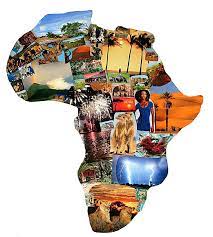
Promoting Good Governance: Building a Strong Foundation for the United States of Africa
Updated at: 2023-08-07 07:28:24 (2 years ago by Melkisedeck Leon Shine)
Promoting Good Governance: Building a Strong Foundation for the United States of Africa ๐๐
As Africans, we have a shared history, culture, and a collective vision for a brighter future. It is time for us to unite and create a single sovereignty body to be called "The United States of Africa." This ambitious endeavor requires strategic planning and a commitment to promoting good governance. Let us explore fifteen key points on how we can achieve this monumental task and inspire our fellow Africans along the way.
1๏ธโฃ Embrace African Unity: We must foster a sense of pan-Africanism, transcending borders and tribal affiliations, and recognizing our common goals and aspirations.
2๏ธโฃ Promote Economic Liberalization: By removing barriers to trade and investment, we can unleash the full potential of Africa's economies, paving the way for a prosperous continent.
3๏ธโฃ Advocate for Political Liberalization: Encouraging democratic practices and ensuring political participation for all citizens will foster good governance and transparency.
4๏ธโฃ Learn from Global Experiences: Drawing lessons from successful regional blocs like the European Union, we can develop strategies tailored to our unique African context.
5๏ธโฃ Strengthen Institutions: Building robust institutions that are transparent, accountable, and free from corruption is crucial for the United States of Africa to thrive.
6๏ธโฃ Empower Youth: Investing in the education and skills development of our young population will ensure a vibrant and capable workforce, driving innovation and growth.
7๏ธโฃ Harness the Power of Technology: Leveraging technological advancements can bridge the digital divide and propel Africa into the forefront of the global digital economy.
8๏ธโฃ Preserve African Morals and Values: Upholding our rich cultural heritage while embracing progress will help create a strong foundation for the United States of Africa.
9๏ธโฃ Promote Gender Equality: Recognizing the essential role of women in African society and ensuring their full participation in all aspects of governance and development is crucial for our success.
๐ Encourage Regional Integration: Strengthening existing regional blocs and fostering cooperation among African nations will lay the groundwork for a united Africa.
1๏ธโฃ1๏ธโฃ Draw Inspiration from African Leaders: As we embark on this historic journey, let us remember the wise words of leaders like Kwame Nkrumah: "Africa must unite or perish."
1๏ธโฃ2๏ธโฃ Foster a Culture of Peace and Tolerance: Embracing diversity and promoting peaceful coexistence will be essential for the success of the United States of Africa.
1๏ธโฃ3๏ธโฃ Engage the African Diaspora: Recognizing the contributions of Africans in the diaspora and involving them in the process of building the United States of Africa will strengthen our collective voice.
1๏ธโฃ4๏ธโฃ Promote Sustainable Development: Adopting environmentally friendly practices and ensuring the equitable distribution of resources will lead to a more prosperous and resilient Africa.
1๏ธโฃ5๏ธโฃ Believe in Our Potential: Above all, we must have faith in our capabilities as Africans. We are capable of achieving greatness and forming the United States of Africa if we work together towards a common vision.
In conclusion, dear fellow Africans, let us seize this opportunity to develop our skills and knowledge in strategies towards the formation of the United States of Africa. We have the power to make this dream a reality, and by uniting as one, we can build a strong foundation for a prosperous and harmonious Africa. Share this article with your friends and family, and let us embark on this transformative journey together. What steps will you take to contribute to the formation of the United States of Africa? Let us inspire each other and create a brighter future for generations to come. ๐๐ค
Updated at: 2025-06-22 01:41:15 (7 months ago by Melkisedeck Leon Shine)
This article analyzes the multifaceted journey towards a unified and prosperous Africa, with the establishment of a common currency serving as a pivotal catalyst for deeper economic and political integration. The framework integrates key concepts: economic liberalization (reducing state intervention in markets), political liberalization (transitioning towards democratic governance), regional integration (inter-state cooperation), and Pan-Africanism (ideology promoting continental unity). Underlying theoretical lenses include endogenous growth theory (emphasizing innovation and human capital), democratic peace theory (linking democracy to reduced conflict), and optimal currency area theory (defining conditions for successful monetary unions). We will explore how these concepts and theories can be practically applied to the African context.
1. Establishing a Common African Currency: A Foundation for Integration. A single currency, drawing parallels with the Eurozone, promises reduced transaction costs, enhanced cross-border trade, and improved price stability. The optimal currency area theory highlights the necessity of factors such as high labor mobility, flexible wage structures, and synchronized business cycles for a successful monetary union. However, significant economic disparities across African nations necessitate careful assessment and the development of shock mitigation mechanisms to ensure macroeconomic stability. This involves creating robust financial safety nets and mechanisms for addressing asymmetric shocks, learning from the European experience of handling crises within the Eurozone.
2. Fostering Economic Liberalization and Regional Integration: A Synergistic Approach. The creation of a robust common market requires dismantling trade barriers and harmonizing economic policies. This approach aligns with the principles of endogenous growth theory, stimulating competition, specialization, and efficiency gains. The African Continental Free Trade Area (AfCFTA) serves as a significant stepping stone, mirroring the European Union's early integration efforts. However, the implementation needs to account for diverse national economic structures and potential risks associated with rapid liberalization, mitigated through targeted support, capacity building, and gradual phased integration.
3. Strengthening Democratic Governance and Institutional Capacity: The Cornerstone of Stability. A stable and unified Africa hinges on robust democratic institutions promoting transparency, accountability, and the rule of law. This directly supports the democratic peace theory, suggesting that democracies are less prone to conflict, fostering a more stable environment for economic growth. Strengthening institutions demands capacity building within government agencies, legal framework reforms, and the implementation of good governance practices for effective policy execution and equitable resource distribution. This requires commitment to good governance indicators and building trust in institutions.
4. Investing in Infrastructure Development: Enabling Seamless Integration. A well-developed infrastructure network (transportation, communication, energy) is fundamental for seamless economic integration. This facilitates the efficient movement of goods, services, and information, directly boosting productivity and competitiveness. Strategic investments should prioritize high-return projects with significant regional impact, potentially leveraging innovative financing mechanisms such as Public-Private Partnerships (PPPs) to attract both public and private sector capital. This necessitates careful infrastructure planning and efficient project management.
5. Prioritizing Human Capital Development: The Engine of Growth. Investing in education, skills training, and healthcare is crucial for creating a productive workforce. Human capital theory emphasizes the role of education and skills in driving economic growth. Strategic efforts must focus on improving access to quality education at all levels, aligning vocational training with market demands, and strengthening healthcare systems for a healthy and productive population. This includes addressing skills gaps and creating a conducive environment for lifelong learning.
6. Addressing Security Challenges and Promoting Peace: A Prerequisite for Progress. A peaceful and secure environment is paramount for economic development and integration. Collaborative efforts are essential to counter terrorism, transnational crime, and other threats to regional stability. Strengthening regional security mechanisms, promoting conflict resolution, and supporting peacekeeping operations are vital. Addressing the root causes of conflict, such as poverty, inequality, and political instability, is crucial for long-term success. This requires a multi-pronged approach, including conflict prevention and resolution mechanisms.
7. Leveraging Technology and Innovation: Unlocking Africa's Potential. Technology can significantly enhance economic growth, governance, and communication across the continent. Investing in ICT infrastructure, promoting digital literacy, and fostering innovation are critical for unlocking Africa's potential. This includes leveraging digital technologies to enhance financial inclusion, improve education, and advance healthcare delivery. This entails developing a digital strategy and implementing relevant digital policies.
8. Promoting Cultural Diversity and Social Cohesion: Building a Shared Identity. Preserving and celebrating Africa's rich cultural diversity is crucial for fostering social cohesion and national identity. Strategies should encourage intercultural dialogue, exchange programs, and initiatives that highlight shared heritage while respecting diverse traditions. This cultivates a sense of shared identity and belonging across diverse populations. This requires promoting cultural understanding and respect for diversity.
9. Ensuring Gender Equality and Youth Participation: Inclusive Development. Empowering women and young people is essential for inclusive growth and sustainable development. Promoting gender equality in education, employment, and political participation is critical. Investing in youth development programs, creating entrepreneurial opportunities, and involving young people in decision-making are crucial for inclusive growth. This calls for policies that promote gender equality and youth empowerment.
Conclusion and Recommendations: The creation of a common African currency represents a significant but achievable step towards deeper economic and political integration. Success demands a comprehensive approach encompassing economic liberalization, democratic governance, infrastructure development, and human capital investment. Adherence to optimal currency area theory principles is vital to mitigate potential risks. Sustained commitment to Pan-Africanism, strong regional cooperation, and international support are critical for overcoming challenges. Further research should focus on comparative case studies of successful regional currency unions, modeling the economic impact of a common currency under varying scenarios, and exploring innovative financing for infrastructure. Ignoring security concerns or neglecting inclusive development would jeopardize long-term stability and prosperity. The establishment of a robust and independent regulatory framework for financial markets and institutions is paramount for success.
Reader Pool: Considering the complexities outlined, how can the proposed framework best balance the pursuit of a common African currency with the need to address existing economic disparities and political fragilities across the continent?
Updated at: 2025-06-22 02:07:04 (7 months ago by Melkisedeck Leon Shine)
Africa's vast agricultural potential, abundant natural resources, and rich agricultural heritage are counterbalanced by persistent food insecurity. Addressing this challenge demands a unified, strategic approach. The concept of a "United States of Africa," while a political aspiration, is a pragmatic necessity for achieving sustainable agriculture and universal food security. This unity serves as a catalyst for transformative change, enabling the continent to leverage its collective strengths for impactful results. This article explores fifteen key strategies for achieving sustainable agriculture and food security in Africa, grounded in economic and development theories to illuminate their practical application. Key concepts explored include modernization theory, dependency theory, world-systems theory, neo-functionalism, endogenous growth theory, inclusive growth, structural transformation, innovation systems framework, collective action theory, and principles of sustainable development.
A comprehensive, collaborative, and cross-border strategy is essential for a food-secure and sustainably developed Africa. The following strategies, framed within relevant development theories, represent the cornerstones of this vision.
1. Empowering Smallholder Farmers: Smallholder farmers constitute the backbone of African agriculture. Providing access to credit, essential inputs (seeds, fertilizers, etc.), viable markets, and effective extension services, supplemented by robust agricultural cooperatives, significantly enhances their productivity, income, and overall well-being. This approach aligns with the principles of inclusive growth, aiming to uplift the most vulnerable populations and reduce income inequality. Microfinance initiatives and targeted subsidies can be instrumental in overcoming financial barriers faced by smallholders. Furthermore, fostering market linkages through farmer-producer organizations facilitates access to fair prices and reduces exploitation by intermediaries.
2. Investing in Agricultural Infrastructure: Substantial investment in efficient transportation networks (roads, railways, and cold storage chains), modernized irrigation systems, and improved storage facilities is critical. This directly mitigates post-harvest losses โ a significant drain on resources โ maximizing value chain efficiency and improving market access for farmers. Such infrastructure improvements reduce spoilage, optimize logistics, and enhance the profitability of agricultural production, aligning with principles of investment-led growth. The application of Geographic Information Systems (GIS) in infrastructure planning can optimize resource allocation and minimize environmental impacts.
3. Prioritizing Agricultural Research and Development (R&D): A robust research ecosystem is vital for developing climate-resilient crops and innovative farming techniques adapted to Africa's diverse agro-ecological zones. This adheres to the innovation systems framework, highlighting the importance of collaboration between research institutions, farmers, and the private sector to generate and disseminate agricultural innovations. Emphasis on climate-smart agriculture and sustainable intensification techniques is paramount for long-term food security and environmental sustainability. Public-private partnerships can accelerate the translation of research findings into practical applications.
4. Strengthening Regional Economic Integration: The creation of a unified African market, facilitated by robust economic and political cooperation, is paramount. This approach, aligned with neo-functionalism, emphasizes the spillover effects of integration in one sector, stimulating cooperation in others. A unified market streamlines agricultural trade, attracting substantial foreign direct investment (FDI) and boosting intra-African trade, thus addressing the limitations of fragmented markets. This approach leverages economies of scale and reduces transaction costs, enhancing efficiency. The African Continental Free Trade Area (AfCFTA) serves as a foundational step in this direction.
5. Implementing Evidence-Based Agricultural Policies: Strategic policies promoting sustainable farming practices (agroecology, conservation agriculture, climate-smart agriculture) are crucial. These policies must be data-driven, incorporating robust impact assessments, to ensure environmental protection and the long-term health of African lands. This necessitates a shift from command-and-control approaches to a more participatory and adaptive policy-making framework. Regular monitoring and evaluation are essential for policy adjustments based on empirical evidence.
6. Promoting Value Addition and Agro-Industrialization: Transforming raw agricultural products into finished goods generates jobs, reduces post-harvest losses, and increases economic returns. This aligns with the structural transformation paradigm, emphasizing the shift from low-productivity agriculture to higher-value manufacturing and processing, leading to economic diversification and enhanced competitiveness. Investments in processing facilities and skills development are crucial for realizing this potential. Support for entrepreneurship in agribusiness is also a key driver.
7. Harnessing Technological Innovation in Agriculture: The adoption of digital agriculture, precision farming, and smart technologies optimizes resource use, boosts productivity, and minimizes environmental impact. This aligns with principles of technological diffusion and innovationโs role in driving agricultural productivity growth. Addressing the digital divide and ensuring equitable access to technology across farming communities is essential. Investments in digital infrastructure and training programs are necessary prerequisites.
8. Strengthening Farmer Organizations and Cooperatives: Strong farmer organizations enhance bargaining power, improve market access, and facilitate resource pooling. This aligns with collective action theory, emphasizing the role of farmer organizations in overcoming collective action problems and achieving economies of scale. Government support and capacity-building initiatives are crucial for strengthening these organizations.
9. Promoting Sustainable Land and Water Management: Responsible land use practices, including conservation agriculture, afforestation, and soil conservation techniques, combat desertification, protect water resources, and preserve biodiversity. This directly relates to the principles of environmental sustainability and the importance of maintaining ecosystem services for long-term agricultural productivity. Integrated water resource management strategies are critical for efficient and equitable water allocation.
10. Fostering Public-Private Partnerships (PPPs): Collaboration between governments, the private sector, and civil society stakeholders unlocks significant investments and facilitates technology transfer. This PPP approach leverages the comparative advantages of each actor, maximizing resource utilization and fostering innovation. Transparent and accountable processes are crucial for successful PPP implementation.
11. Strengthening Intra-African Trade: Reducing trade barriers and harmonizing regulations boost intra-continental agricultural trade, promoting regional food self-sufficiency and reducing dependence on imports. This necessitates the removal of tariff and non-tariff barriers and the harmonization of trade regulations across African countries. The AfCFTA provides a framework for this crucial initiative.
12. Leveraging International Partnerships: Engaging with international organizations facilitates knowledge sharing, technology transfer, and investment. This recognizes the role of international cooperation in addressing global challenges, including food security, and leveraging resources from various sources. Strategic partnerships with organizations experienced in agricultural development are essential.
13. Engaging Youth in Agriculture: Attracting young people to agriculture through innovative approaches and career development is essential for sector rejuvenation and fostering entrepreneurial spirit. This requires addressing the perception of agriculture as low-status and creating attractive career pathways. Investments in agricultural education and skills development targeted at youth are crucial.
14. Securing Sustainable Financing Mechanisms: Establishing dedicated funding mechanisms, grants, and financial instruments supports sustainable agriculture initiatives. This necessitates a combination of public and private investment, blended finance approaches, and innovative financial instruments tailored to the needs of smallholder farmers. Access to affordable credit is a critical factor for agricultural productivity.
15. Empowering Farmers Through Human Capital Development: Investing in agricultural education and training equips farmers with skills to adopt modern farming practices, utilize technology effectively, and adapt to climate change. This promotes human capital development, a cornerstone of endogenous growth theory, recognizing the importance of skills and knowledge in driving economic growth. Effective extension services, leveraging participatory approaches, facilitate knowledge transfer and technology adoption. Investing in agricultural education at all levels, from primary to tertiary education, is crucial.
Sustainable agriculture and food security in Africa demand a holistic and multifaceted approach. The fifteen strategies presented, informed by various development theories and models, provide a framework for action. Success depends on strong political will, effective governance, robust institutions, and substantial investment. Prioritizing inclusive growth, ensuring equitable benefit sharing, is paramount. This involves leveraging comparative advantages, fostering regional integration, and embracing technological advancements. A key success factor will be the establishment of strong monitoring and evaluation mechanisms to track progress, identify bottlenecks, and ensure timely adaptation to evolving circumstances.
Further research should assess the effectiveness of specific interventions, refine implementation strategies, and address emerging challenges. Comparative studies across African countries, analyzing the successes and failures of these strategies, can provide valuable insights. Research on climate change impacts on agriculture and the development of climate-resilient practices is crucial. Moreover, rigorous impact assessments will be critical for informing policy adjustments and maximizing resource allocation efficiency. A focus on developing robust data collection systems will support evidence-based decision-making throughout the implementation process. Longitudinal studies are necessary to assess long-term impacts and adaptability over time.
Reader Pool: How can the integration of indigenous knowledge systems with modern agricultural technologies contribute to more sustainable and resilient food systems in Africa?
Updated at: 2025-06-22 10:25:02 (7 months ago by Melkisedeck Leon Shine)
The aspiration for a unified Africa, embodied in the concept of the "United States of Africa," necessitates a comprehensive strategic approach. This article analyzes key elements crucial for achieving this ambitious goal, leveraging established theories and models of political and economic integration. We will define key concepts such as political integration (the process by which separate states pool their sovereignty to form a larger political entity), economic integration (the process of reducing or eliminating barriers to trade and investment between countries), and Pan-Africanism (the ideology promoting the solidarity and unity of all African people and countries). This framework will guide our exploration of the necessary steps toward a prosperous and unified continent.
Successful political integration, as evidenced by the European Union model, hinges on a well-educated citizenry and effective leadership. A continent-wide educational reform, informed by constructivist learning theories, is essential. This reform should emphasize Pan-African history, fostering a shared sense of identity while celebrating cultural diversity. This approach, aligned with the principles of transformative learning, aims to empower citizens to actively participate in shaping the future. Concurrently, cultivating transformational leadership, drawing upon theories of leadership development, is crucial. Leaders must prioritize continental interests over narrow national agendas, embodying principles of inclusive governance and promoting economic and political liberalization, in line with the principles of good governance and democratic consolidation. Economic integration, central to the neo-functionalist theory of integration, is also paramount. A unified African market, facilitated by a common currency and free trade agreements, will stimulate economic growth and interdependence, mirroring the success of the EU's single market. This integrated market will foster economic convergence and reduce disparities among member states.
The creation of robust infrastructure is fundamental to regional integration. Applying the principles of network theory, strategic investments in transport networks (highways, railways, digital infrastructure) will enhance connectivity, facilitating the seamless flow of goods, services, and ideas across the continent. Further, fostering Pan-African cultural exchange, leveraging theories of intercultural communication, is crucial for strengthening shared identity and mutual understanding. Cultural festivals and exchange programs will promote harmony and a collective sense of belonging. Finally, achieving lasting peace and security is paramount. This necessitates strengthening regional security mechanisms, employing conflict resolution strategies informed by peacebuilding theories, and promoting collaborative peacekeeping initiatives, inspired by successful models like the AU's peacekeeping operations. This will create a stable environment conducive to development and integration.
Investing in Africa's youth is essential for long-term growth and development. Human capital theory underscores the importance of education, skills development, and entrepreneurial opportunities for fostering innovation and economic advancement. Empowering young people requires targeted investments in education and vocational training aligned with the needs of a unified African market. Simultaneously, establishing a collaborative African media landscape is essential for disseminating accurate information, countering misinformation, and promoting a positive narrative about the continent. This approach aligns with media ecology principles, emphasizing the importance of diverse perspectives and responsible journalism. Furthermore, comprehensive social development programs, informed by social capital theory, emphasizing healthcare and community building, will improve the quality of life for all Africans and reduce social inequalities.
Strengthening diplomatic ties among African nations is crucial for fostering effective collaboration and conflict resolution. This requires implementing diplomacy strategies rooted in principles of negotiation, compromise and peaceful conflict resolution. Environmental sustainability is also a critical factor. Applying ecological modernization theory, collaborative efforts to address climate change and protect natural resources are vital for ensuring a sustainable future. The approach to integration should learn from past successes and failures of other regional organizations, such as the European Union, adapting strategies to the specific context of Africa. This comparative analysis will inform policy decisions and reduce potential pitfalls.
The vision of a United States of Africa is a complex but achievable goal. The successful integration requires a multi-pronged approach encompassing education reform, leadership development, economic integration, infrastructure development, peacebuilding, youth empowerment, media collaboration, and environmental sustainability. Applying established theories and models from political science, economics, and sociology, along with a focus on lessons learned from other regional integration projects, will help navigate the challenges. Further research is needed to explore the optimal sequencing of integration steps, the design of effective governance structures, and the mechanisms for managing diversity and addressing potential conflicts of interest. A robust monitoring and evaluation framework is crucial to track progress, adapt strategies, and ensure accountability. The ultimate success hinges upon a shared commitment from all African nations and their citizens to embrace a common vision of a prosperous and united future.
Considering the complexities outlined in this article, what specific policy recommendations would you prioritize to accelerate the process of achieving a United States of Africa?
Updated at: 2023-08-06 21:20:52 (2 years ago by Melkisedeck Leon Shine)
๐ African Cultural Heritage Agency: Preserving Identity in the United States of Africa ๐
1๏ธโฃ Introduction: Greetings, my fellow Africans! Today, we embark on a journey to explore the strategies towards the formation of "The United States of Africa," a single sovereignty entity that unites us all. Let us uncover the path to preserving our unique cultural heritage while fostering unity and progress.
2๏ธโฃ Understanding African Unity: African unity lies at the heart of our quest for a united continent. As Nelson Mandela once said, "It is in your hands to create a better world for all who live in it." By uniting as one, we can harness our collective strengths and create a brighter future for generations to come.
3๏ธโฃ Historical Inspiration: Let us draw inspiration from great African leaders such as Kwame Nkrumah, who said, "Divided we are weak; united, Africa could become one of the greatest forces for good in the world." Their vision continues to guide us, motivating us to overcome challenges and work towards a common goal.
4๏ธโฃ Economic Liberalization: Promoting African economic liberalization is key to our unity. By enhancing trade and cooperation, we can tap into the vast potential of our continent, creating thriving economies that benefit all African nations. Together, we can build a prosperous Africa.
5๏ธโฃ Political Liberalization: Political liberalization is another crucial aspect of our journey towards unity. By embracing democracy, respecting human rights, and promoting good governance, we can foster an environment where every African voice is heard and valued.
6๏ธโฃ Cultural Preservation: As we forge ahead, let us not forget our rich African cultural heritage. It is our duty to preserve our traditions, languages, and customs. Through the establishment of the African Cultural Heritage Agency, we can safeguard our identity and ensure its transmission to future generations.
7๏ธโฃ Collaboration and Cooperation: No single nation can accomplish the formation of the United States of Africa alone. We must collaborate and cooperate with one another, recognizing that our diversity is our strength. Together, we can overcome any obstacles that lie in our path.
8๏ธโฃ Learning from Others: Let us learn from the experiences of other regions that have successfully united. The European Union, for example, has shown that through shared interests, common goals, and open communication, nations can come together and flourish.
9๏ธโฃ Education and Awareness: Education is empowerment. By enhancing our knowledge and awareness of our shared history, culture, and vision, we can empower ourselves and others to actively participate in the journey towards the United States of Africa.
๐ Embracing Innovation: Innovation and technology play a vital role in shaping the future. Let us embrace these advancements, utilizing them to bridge geographical gaps, enhance communication, and facilitate collaboration among African nations.
1๏ธโฃ1๏ธโฃ Encouraging Youth Involvement: The youth are the future of Africa. We must actively involve them in the process of building the United States of Africa, providing them with the necessary tools, resources, and platforms to contribute their ideas and shape the continent's destiny.
1๏ธโฃ2๏ธโฃ Overcoming Challenges: We must acknowledge the challenges that lie ahead but remain steadfast in our commitment to unity. As Madam Ellen Johnson Sirleaf once said, "The size of your dreams must always exceed your current capacity to achieve them." Together, we can overcome any obstacle and create a formidable African union.
1๏ธโฃ3๏ธโฃ Strengthening Institutions: Strong institutions are the backbone of any successful nation. By strengthening our regional and continental institutions, we can ensure effective governance, transparency, and accountability, laying the foundation for a united Africa.
1๏ธโฃ4๏ธโฃ Embracing Pan-Africanism: Pan-Africanism, a philosophy that advocates for the unity and solidarity of Africans worldwide, offers a guiding light on our path towards the United States of Africa. Let us embrace this ideology, fostering a sense of belonging and kinship among all Africans.
1๏ธโฃ5๏ธโฃ Conclusion: My fellow Africans, the formation of the United States of Africa is not only possible but within our reach. Together, we can preserve our cultural heritage, promote economic and political liberalization, and build a continent that thrives on unity and cooperation. Let us develop our skills and strategies towards this noble cause, and together, we will make history. Share this article, discuss it with your friends and family, and let us embark on this transformational journey, hand in hand, towards a brighter future for Africa. ๐โจ
๐ Are you ready to be part of this historic endeavor? How can we ensure the preservation of our cultural heritage while fostering unity? Share your thoughts and let's continue this conversation. ๐ฃ๏ธโจ
Updated at: 2023-08-07 08:17:59 (2 years ago by Melkisedeck Leon Shine)
๐๐ Building a United Africa: Strategies for the Formation of the United States of Africa ๐๐
Africa, our beautiful and diverse continent, holds immense potential for growth and development. In order to fully harness this potential, it is crucial for us, as Africans, to unite and create a single sovereignty body known as the United States of Africa. This article aims to provide you, my fellow Africans, with a roadmap towards this noble vision. Together, we can make it a reality! ๐ช๐
1๏ธโฃ Embrace Pan-Africanism: Pan-Africanism is a philosophy that advocates for the unity and solidarity of Africans worldwide. By embracing this ideology, we can foster a sense of shared identity and purpose, laying the foundation for the United States of Africa.
2๏ธโฃ Strengthen Regional Integration: Regional economic communities, such as the East African Community and the Economic Community of West African States, have shown the benefits of cooperation. Let us learn from their successes and work towards harmonizing our policies, infrastructure, and trade across the entire continent.
3๏ธโฃ Establish a Common Currency: A common currency would facilitate trade and economic integration. We can draw inspiration from the European Union's euro and create our own African currency, fostering economic stability and growth.
4๏ธโฃ Invest in Infrastructure: Adequate infrastructure is essential for the smooth functioning of any united entity. By investing in transportation networks, energy grids, and communication systems, we can connect our nations and create an environment conducive to economic growth.
5๏ธโฃ Promote Education and Cultural Exchange: Education is the key to unlocking Africa's potential. By investing in education and promoting cultural exchange programs, we can bridge the gaps among our diverse societies, fostering understanding and unity.
6๏ธโฃ Engage Youth and Women: The empowerment of our youth and women is crucial for the success of the United States of Africa. By involving them in decision-making processes and providing equal opportunities, we can ensure a brighter future for all Africans.
7๏ธโฃ Enhance Security Cooperation: African nations face common security challenges, such as terrorism and transnational crime. Through increased security cooperation and intelligence sharing, we can effectively tackle these threats and create a safer continent for all.
8๏ธโฃ Foster Economic Liberalization: Embracing free trade and reducing trade barriers will encourage economic growth and attract foreign investment. The African Continental Free Trade Area (AfCFTA) is a significant step in this direction, promoting intra-African trade and economic integration.
9๏ธโฃ Promote Political Liberalization: Democratic governance and respect for human rights are essential for a united Africa. By promoting political liberalization and ensuring that all voices are heard, we can build a strong, inclusive, and accountable governance system.
๐ Learn from Global Experiences: We can draw inspiration from successful examples of regional integration, such as the European Union, ASEAN, and Mercosur. By studying their experiences, we can adapt their strategies to suit our unique African context.
1๏ธโฃ1๏ธโฃ Emulate the Spirit of Our Founding Fathers: Our great African leaders, such as Kwame Nkrumah, Jomo Kenyatta, and Nelson Mandela, envisioned a united Africa. Let us embrace their vision and emulate their determination to create a brighter future for our continent.
1๏ธโฃ2๏ธโฃ Harness the Power of Technology: Technology has the potential to bridge the gaps among African nations and facilitate communication and collaboration. By leveraging digital platforms, we can enhance information sharing, trade, and socio-economic development.
1๏ธโฃ3๏ธโฃ Celebrate African Unity: Let us celebrate the richness and diversity of our continent. Through cultural festivals, sports events, and other gatherings, we can foster a sense of African pride and unity, strengthening our collective identity.
1๏ธโฃ4๏ธโฃ Encourage Civil Society Engagement: Civil society organizations play a crucial role in advocating for the rights and interests of citizens. By encouraging their participation and providing space for dialogue, we can ensure that the voice of the people is heard and respected.
1๏ธโฃ5๏ธโฃ Develop Our Leadership Skills: As Africans, we must strive to develop our leadership skills, both individually and collectively. By honing our abilities to strategize, negotiate, and inspire, we can become effective advocates for the formation of the United States of Africa.
Let us seize this moment, my fellow Africans, and work tirelessly towards the formation of the United States of Africa. Together, we can create a continent that is prosperous, peaceful, and united. The road ahead may be challenging, but our collective strength and determination will guide us to success. ๐๐ช
Now, I invite you to embark on this journey with me. Let us develop our skills, educate ourselves on the strategies towards the formation of the United States of Africa, and inspire others to join our cause. Together, we can make history and create a brighter future for Africa. ๐
What steps do you think are essential for the formation of the United States of Africa? Share your thoughts and ideas in the comments below. Let us continue this conversation and spread the message of African unity. ๐ฃ๏ธ๐
If you found this article inspiring and informative, don't forget to share it with your friends and fellow Africans. Together, we can build a better Africa! ๐๐โค๏ธ
Updated at: 2025-02-21 13:23:26 (11 months ago by Melkisedeck Leon Shine)
```htmlThe aspiration for a unified Africa, a "United States of Africa," transcends mere idealism; it represents a tangible pathway towards a brighter future for all Africans. This vision, however, requires a concerted and strategic approach, prioritizing the fundamental principles of dignity and equality for every citizen. This article outlines a comprehensive roadmap towards achieving this ambitious yet achievable goal.
Embracing Pan-Africanism as a Cornerstone: The Pan-Africanist movement provides a crucial philosophical framework. By fostering a shared African identity and emphasizing collective interests, we lay the groundwork for collaborative efforts towards continental unity. This shared identity transcends individual national borders, uniting us under a common banner of African progress.
Strengthening Regional Integration: The success of regional integration models, such as the European Union, offers valuable lessons. By promoting economic interdependence through free trade agreements, facilitating the free movement of people and resources, and harmonizing regulations, we can build a robust economic foundation for a unified Africa.
Crafting a Shared Vision for the Future: A united Africa requires a clearly defined vision, encompassing shared goals and aspirations. This collaborative vision-building process, involving diverse stakeholders across the continent, ensures buy-in and alignment towards common objectives. The collective articulation of this vision will serve as a guiding star in our journey.
Promoting Economic Liberalization: Unleashing Africa's economic potential hinges on embracing economic liberalization. By fostering free markets, nurturing entrepreneurship, and attracting responsible foreign investment, we can create a dynamic and inclusive economic landscape that drives growth and development for all. This will not only improve living standards but also create a stronger foundation for a unified nation.
Advocating for Political Liberalization and Good Governance: The cornerstone of a successful United States of Africa lies in establishing robust democratic institutions. This includes promoting transparent and accountable governance, upholding the rule of law, protecting human rights, and ensuring that the voices of all citizens are heard and respected. Political freedom is indivisible from economic progress and social justice.
Learning from Other Successful Unions: The experiences of the European Union and the United States of America, both in their successes and challenges, provide invaluable insights. By carefully studying their trajectories, we can adapt and refine our strategies to overcome potential obstacles and maximize our chances of success. Comparative analysis offers crucial lessons in building sustainable unions.
Celebrating and Leveraging Africa's Rich Diversity: Africa's vibrant tapestry of languages, cultures, and traditions represents a tremendous strength. Rather than viewing diversity as a source of division, we must embrace it as a source of richness and innovation. Celebrating this diversity fosters inclusivity and strengthens our collective identity.
Empowering the Youth: Investing in the education, skills development, and leadership opportunities of Africa's youth is paramount. They represent the future of the continent, and their active participation in shaping its destiny is essential for sustained progress. Youth engagement is vital to the long-term success of a unified Africa.
Drawing Wisdom from Our Ancestors: The legacy of visionary leaders like Kwame Nkrumah, whose words "Africa must unite or perish" ring true today, serves as a powerful reminder of the historical urgency and enduring relevance of this goal. Their struggles and sacrifices should inspire our ongoing efforts towards unity.
Fostering Dialogue and Diplomacy: Open and honest communication is the bedrock of any successful union. Through constructive dialogue, conflict resolution, and diplomatic engagement, we can build bridges between nations and foster mutual understanding. Diplomacy is crucial in navigating complex political landscapes.
Investing in Infrastructure and Technology: Modern infrastructure and technological advancement are essential for connecting the diverse regions of Africa. Investments in transportation networks, communication technologies, and digital infrastructure will bridge geographical divides and facilitate seamless integration.
Upholding African Values and Ethics: The rich tapestry of African values, such as respect for elders, communal living, and the Ubuntu philosophy of interconnectedness, form the moral compass guiding our journey towards unity. These values can serve as a powerful foundation for building a harmonious and cohesive society.
Inspiring African Pride: Celebrating Africa's achievements, promoting positive narratives, and fostering a sense of collective pride in our shared heritage are essential to building a unified and confident continent. A strong sense of national identity is crucial for collective action.
Supporting Grassroots Movements: Genuine change emerges from the grassroots. We must actively support and empower grassroots movements that advocate for unity, equality, and human rights. These movements are the engine of social change and are vital to achieving lasting transformation.
Cultivating Belief in Our Collective Potential: The ultimate key to success lies in believing in ourselves and our collective ability to achieve this ambitious vision. While challenges undoubtedly exist, unwavering determination, perseverance, and collective effort will pave the way towards a united Africa.
The Path Forward: The formation of a "United States of Africa" is not merely a dream, but a reachable goal. By embracing a multifaceted strategy that encompasses Pan-Africanism, regional integration, economic and political liberalization, and a celebration of our diversity, we can build a united Africa that upholds the dignity and equality of all its citizens. Let us work together, believe in our shared potential, and build a brighter future for generations to come.
Join the conversation. Share your vision for a United States of Africa and let's collaboratively chart a course towards this momentous achievement. What strategies and approaches do you believe are most crucial for success?
```
Updated at: 2023-08-07 08:05:43 (2 years ago by Melkisedeck Leon Shine)
Title: The United States of Africa and Inclusive Governance: Representing All Voices ๐
Introduction: ๐ As proud Africans, it is our duty to dream big and work towards the realization of a united and prosperous continent. One powerful vision that has emerged is the formation of "The United States of Africa," a single sovereignty body that represents the interests and voices of all African nations. In this article, we will explore strategies and possibilities for achieving this dream, promoting African economic and political liberalization, unity, and inclusive governance.
Embrace Pan-Africanism: ๐ค Pan-Africanism, a movement aimed at fostering unity and solidarity among Africans, provides a strong foundation for the formation of The United States of Africa. Let us recognize our shared history, culture, and aspirations, and embrace the idea that we are stronger together.
Learn from the European Union: ๐๐ช๐บ The European Union's success in creating a unified economic and political bloc serves as a valuable lesson for Africa. By studying their model, we can adapt and adopt strategies that suit our unique needs and challenges.
Strengthen Regional Integration: ๐ Regional integration is a stepping stone towards continental unity. By reinforcing existing regional bodies like the African Union, ECOWAS, and SADC, we can foster stronger ties and cooperation among African nations, laying the groundwork for a united African continent.
Promote Inclusive Governance: ๐ค๐ฌ Inclusive governance is crucial for ensuring that all voices are represented in decision-making processes. By actively involving civil society organizations, youth, women, and marginalized communities, we can build a strong foundation for an inclusive United States of Africa.
Harness Africa's Resources: ๐๐ฑ Africa's vast natural resources present immense potential for economic growth and development. By responsibly managing and leveraging these resources, we can create a sustainable economic foundation for The United States of Africa.
Invest in Infrastructure: ๐๏ธ๐ฃ๏ธ Creating a seamless and efficient transportation network across the continent is vital for fostering economic integration and promoting free movement of goods and people. Investments in roads, railways, ports, and air connectivity will facilitate trade and strengthen African unity.
Unify African Currency: ๐ฐ๐น A common African currency will remove barriers to trade and enhance economic stability. Learning from successful currency unions like the Eurozone, we can work towards establishing a single currency for The United States of Africa, enabling seamless economic transactions and growth.
Prioritize Education and Skills Development: ๐๐ Investing in education and skills development is key to empowering African citizens. By equipping our people with the knowledge and skills needed to thrive in a globalized world, we can unleash Africa's full potential and build a strong foundation for The United States of Africa.
Strengthen Peace and Security: โฎ๏ธ๐ก๏ธ A stable and secure Africa is essential for attracting investments, promoting growth, and fostering unity. By prioritizing peacebuilding efforts, conflict resolution, and cooperative security measures, we can create an environment conducive to the formation of The United States of Africa.
Draw Inspiration from African Leaders: ๐๐ฃ๏ธ In the words of Kwame Nkrumah, "I am not African because I was born in Africa, but because Africa was born in me." Let us draw inspiration from great African leaders who have worked tirelessly towards unity and freedom. Their wisdom and courage will guide us on this transformative journey.
Foster People-to-People Exchanges: ๐๐ค Promote cultural exchanges, student exchange programs, and tourism within Africa. By encouraging Africans to experience the diversity of our continent firsthand, we can build bridges, break down stereotypes, and strengthen the bonds that unite us.
Build Strong Institutions: ๐๏ธ๐ณ๏ธ Good governance and strong institutions are the bedrock of a united Africa. By promoting transparency, accountability, and the rule of law, we can build institutions that serve the best interests of all citizens, fostering trust and unity.
Engage the African Diaspora: โ๏ธ๐ The African diaspora has a crucial role to play in the formation of The United States of Africa. By engaging and involving Africans living outside the continent, we can tap into their skills, networks, and resources to accelerate progress towards our shared vision.
Promote African Culture and Heritage: ๐จ๐ Africa's rich cultural heritage is a source of strength and unity. By celebrating and promoting our diverse cultures, languages, and traditions, we can foster a sense of pride and belonging, encouraging Africans to unite under a shared identity.
Believe in the Power of Africans: ๐๐ช We must believe in our collective ability to create change. The formation of The United States of Africa is not a distant dream but an achievable reality. Let us unite, inspire one another, and work tirelessly towards a better future for all Africans.
Conclusion: As we reflect on the strategies towards the formation of The United States of Africa, we are reminded of the immense potential within us. Let us seize this moment to develop our skills, engage in meaningful dialogues, and actively contribute to the realization of a united African continent. Share this article with fellow Africans, discuss it, and together, let us be the architects of our own destiny. What ideas or experiences do you have that could contribute to the formation of The United States of Africa? Leave your thoughts below and let's embark on this transformative journey towards a brighter future.
Updated at: 2025-05-22 10:34:21 (8 months ago by Melkisedeck Leon Shine)
Africa possesses significant agricultural potential, abundant natural resources, and a rich agricultural heritage. However, persistent food insecurity necessitates a unified, strategic approach. The concept of a "United States of Africa," transcends mere political aspiration; it represents a pragmatic necessity for achieving sustainable agricultural practices and ensuring universal food security. This unity acts as a catalyst for transformative change, leveraging the collective strength of the continent for impactful results. This article will explore fifteen key strategies for achieving sustainable agriculture and food security, applying relevant economic and development theories to illuminate their practical application.
The path toward a food-secure and sustainably developed Africa necessitates a comprehensive strategy. This involves collaborative, cross-border efforts spanning diverse sectors. The following initiatives represent the cornerstones of this ambitious vision, framed within the context of relevant development theories like the modernization theory, dependency theory, and the World-Systems theory which posit different approaches to development and the role of global interactions in shaping national economies.
1. Strengthening Regional Economic Integration: The creation of a unified African market, facilitated by robust economic and political cooperation, is crucial. This approach, aligned with the principles of neo-functionalism, emphasizes the spillover effects of integration in one sector stimulating cooperation in others. A unified market streamlines agricultural trade, attracting substantial foreign direct investment (FDI) and stimulating intra-African trade, thereby boosting the continent's agricultural sector and addressing the limitations imposed by fragmented markets. This approach leverages economies of scale and reduces transaction costs, thereby increasing efficiency.
2. Investing in Agricultural Infrastructure: Significant investment in efficient transportation networks, modernized irrigation systems, and improved storage facilities is paramount. This directly addresses post-harvest losses, a substantial drain on resources, maximizing the value chain and improving market access for farmers. Such improvements reduce spoilage, optimize logistics, and enhance the profitability of agricultural production, aligning with principles of investment-led growth.
3. Prioritizing Agricultural Research and Development (R&D): A robust research ecosystem is critical for developing climate-resilient crops and innovative farming techniques suited to Africa's diverse agro-ecological zones. This aligns with the innovation systems framework, emphasizing the importance of interactions between research institutions, farmers, and the private sector in generating and diffusing agricultural innovations. The focus on climate-smart agriculture and sustainable intensification techniques is crucial for long-term food security and environmental sustainability.
4. Empowering Farmers Through Human Capital Development: Investing in agricultural education and training equips farmers with the skills to adopt modern farming practices, effectively utilize technology, and adapt to climate change. This approach promotes human capital development, a cornerstone of endogenous growth theory, recognizing the importance of skills and knowledge in driving economic growth. Effective extension services, leveraging participatory approaches, facilitate knowledge transfer and technology adoption.
5. Implementing Evidence-Based Agricultural Policies: Strategic policies that promote sustainable farming practices, including agroecology and climate-smart agriculture, are vital. These policies must be informed by robust data and impact assessments, ensuring environmental protection and the long-term health of African lands. This necessitates a shift from traditional command-and-control approaches to a more participatory and adaptive policy-making framework.
6. Empowering Smallholder Farmers: Smallholder farmers form the backbone of African agriculture. Providing access to credit, essential inputs, viable markets, and extension services, coupled with the support of agricultural cooperatives, significantly enhances their productivity, income, and well-being. This approach resonates with the principles of inclusive growth, aiming to benefit the most vulnerable populations and reduce income inequality.
7. Promoting Value Addition and Agro-Industrialization: Transforming raw agricultural products into finished goods creates jobs, reduces post-harvest losses, and generates greater economic returns. This approach, aligned with the structural transformation paradigm, emphasizes the shift from low-productivity agricultural activities to higher-value manufacturing and processing, leading to economic diversification and enhanced competitiveness.
8. Harnessing Technological Innovation in Agriculture: The adoption of digital agriculture, precision farming, and smart technologies optimizes resource use, boosts productivity, and minimizes environmental impact. This aligns with the principles of technological diffusion and the role of innovation in driving agricultural productivity growth. This requires addressing the digital divide and ensuring equitable access to technology across different farming communities.
9. Strengthening Farmer Organizations and Cooperatives: Strong farmer organizations enhance bargaining power, improve access to markets, and facilitate resource pooling. This aligns with collective action theory, which emphasizes the importance of farmer organizations in overcoming collective action problems and achieving economies of scale.
10. Promoting Sustainable Land and Water Management: Responsible land use practices, including conservation agriculture, afforestation, and soil conservation techniques, combat desertification, protect water resources, and preserve biodiversity. This directly relates to the principles of environmental sustainability and the importance of maintaining ecosystem services for long-term agricultural productivity.
11. Fostering Public-Private Partnerships (PPPs): Collaboration between governments, the private sector, and civil society stakeholders unlocks significant investments and facilitates technology transfer. This PPP approach leverages the comparative advantages of each actor, maximizing resource utilization and fostering innovation. The selection and management of these partnerships should be guided by transparent and accountable processes.
12. Strengthening Intra-African Trade: Reducing trade barriers and harmonizing regulations boost agricultural trade within the continent, promoting regional food self-sufficiency. This contributes to regional economic integration and reduces dependence on food imports. This necessitates the removal of tariff and non-tariff barriers and the harmonization of trade regulations across African countries.
13. Leveraging International Partnerships: Engaging with international organizations facilitates knowledge sharing, technology transfer, and investment. This approach recognizes the role of international cooperation in addressing global challenges, including food security, and leveraging resources from various sources for impact.
14. Engaging Youth in Agriculture: Attracting young people to agriculture, through innovative approaches and career development, is essential for rejuvenating the sector and fostering entrepreneurial spirit. This requires addressing the perception of agriculture as a low-status occupation and creating attractive career pathways for young people in the agricultural sector.
15. Securing Sustainable Financing Mechanisms: Establishing dedicated funding mechanisms, grants, and financial instruments supports sustainable agriculture initiatives. This requires a combination of public and private investment, blended finance approaches, and innovative financial instruments tailored to the needs of smallholder farmers.
Achieving sustainable agriculture and food security in Africa necessitates a holistic and multi-faceted approach. The fifteen strategies outlined above, informed by diverse development theories and models, offer a framework for action. Successful implementation requires strong political will, effective governance, robust institutions, and substantial investment. It is crucial to prioritize inclusive growth, ensuring that the benefits of agricultural development are shared equitably across all segments of the population. This holistic approach involves leveraging comparative advantages, fostering regional integration, and embracing technological advancements.
Further research is needed to assess the effectiveness of specific interventions, refine implementation strategies, and address emerging challenges. Comparative studies across different African countries, analyzing successes and failures in implementing these strategies, could provide valuable insights. Moreover, research on the impact of climate change on agriculture and the development of climate-resilient agricultural practices remains a critical area of focus. Finally, ongoing monitoring and evaluation are essential to track progress, adapt strategies to changing contexts, and ensure the long-term sustainability of the initiatives.
Reader Pool: What are the most significant obstacles to implementing these strategies for sustainable agriculture and food security in Africa, and how might these obstacles be effectively addressed?
Updated at: 2023-08-07 07:31:44 (2 years ago by Melkisedeck Leon Shine)
The Role of African Youth in Shaping the United States of Africa ๐โ๐พ
As we stand at the crossroads of history, it is up to the African youth to lead the charge towards the formation of a united and prosperous continent. The idea of a United States of Africa may seem ambitious, but with determination, unity, and strategic planning, it is not only possible but also essential for our collective progress. In this article, we will explore 15 key strategies that can help Africans unite and create a single sovereignty body known as the United States of Africa.
1๏ธโฃ Education and Awareness: Education is key to empowering the youth and creating a generation that understands the importance of unity. By promoting awareness about the benefits of a united Africa, we can foster a sense of belonging and purpose among the youth.
2๏ธโฃ Pan-Africanism: Embrace the spirit of Pan-Africanism, which recognizes the common heritage, values, and struggles of Africans across the continent. This ideology will help us overcome divisions and work towards a shared vision.
3๏ธโฃ Economic Integration: Promote economic liberalization by encouraging trade and investment among African nations. By creating a common market, we can harness our collective resources and drive economic growth for the benefit of all Africans.
4๏ธโฃ Political Liberalization: Advocate for political reforms that prioritize democracy, good governance, and the rule of law. These principles will create a conducive environment for the formation of a united Africa.
5๏ธโฃ Youth Empowerment: Invest in the education, skills development, and employment opportunities for African youth. By empowering the next generation, we can build a strong foundation for the United States of Africa.
6๏ธโฃ Cultural Exchange: Celebrate the rich diversity of African cultures and foster mutual understanding through cultural exchange programs. This will help break down barriers and promote social cohesion among different African communities.
7๏ธโฃ Infrastructure Development: Invest in infrastructure projects that connect African nations and facilitate the movement of goods, services, and people. Improved transportation and communication networks will enhance unity and integration.
8๏ธโฃ Leadership Development: Nurture and support young African leaders who are committed to the vision of a united continent. By providing them with mentorship and opportunities to lead, we can ensure a sustainable future for the United States of Africa.
9๏ธโฃ Collaborative Research and Innovation: Encourage collaboration among African scientists, researchers, and innovators to address common challenges and find African-led solutions. By leveraging our intellectual capital, we can drive innovation and development.
๐ Peace and Security: Prioritize peace and security as a fundamental prerequisite for the United States of Africa. By resolving conflicts and promoting stability, we can create an environment conducive to progress and unity.
1๏ธโฃ1๏ธโฃ Women's Empowerment: Recognize and empower African women as key drivers of change and development. By promoting gender equality and inclusivity, we can harness the full potential of our continent.
1๏ธโฃ2๏ธโฃ Youth Exchange Programs: Establish exchange programs that allow African youth to study, work, and live in different African countries. This will foster cross-cultural understanding and strengthen the bonds of unity.
1๏ธโฃ3๏ธโฃ Environmental Sustainability: Prioritize sustainable development practices that protect our natural resources and preserve the environment for future generations. By adopting green technologies and promoting conservation efforts, we can build a sustainable United States of Africa.
1๏ธโฃ4๏ธโฃ Solidarity and Mutual Assistance: Embrace the African philosophy of Ubuntu, which emphasizes the interconnectedness and interdependence of all Africans. By supporting one another and offering mutual assistance, we can overcome challenges and build a stronger continent.
1๏ธโฃ5๏ธโฃ Youth Engagement in Decision-Making: Advocate for the meaningful participation of African youth in decision-making processes at all levels. By giving the youth a voice and involving them in shaping the United States of Africa, we can ensure that their aspirations and ideas are represented.
As Nelson Mandela once said, "The youth of today are the leaders of tomorrow." We, as African youth, have the power to shape our own destiny and create the United States of Africa. Let us strive for unity, embrace our shared values, and work together towards a brighter future.
In conclusion, I invite and encourage all African youth to develop the skills and knowledge necessary to contribute to the formation of the United States of Africa. By educating ourselves, engaging in meaningful dialogue, and taking action, we can make our vision a reality. Share this article, spread the message, and let us unite as one to shape the future of our beloved continent. ๐๐พ๐โ๐พ
What strategies do you think are most important in forming the United States of Africa? How can we overcome the challenges that lie ahead? Share your thoughts and ideas in the comments below. Together, we can make a difference!