Strengthening Intra-African Trade: A Key to Independence
Updated at: 2023-08-06 17:40:49 (3 years ago by Melkisedeck Leon Shine)
ππ€ Strengthening Intra-African Trade: A Key to Independence π
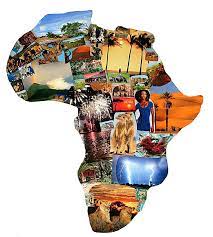
Greetings, my fellow Africans! Today, I want to discuss a topic close to my heart - the importance of strengthening intra-African trade. ππ€
1οΈβ£ Did you know that by promoting trade within our own continent, we can build a strong foundation for independence and self-reliance? It is time for us to unite, put our differences aside, and work towards a prosperous Africa. πͺπ
2οΈβ£ In order to achieve this, we need to focus on strategic strategies that will empower our communities and boost economic growth. By harnessing the power of trade, we can create jobs, increase income levels, and reduce poverty. ππΌ
3οΈβ£ Let us look to our history for inspiration. As Kwame Nkrumah, the first President of Ghana, once said, "We face neither East nor West. We face forward." These wise words remind us that our future lies in unity and collaboration. π
4οΈβ£ One effective way to encourage trade is by removing barriers and promoting free movement of goods and services across our borders. By doing so, we can unlock the immense potential that lies within our continent. ππ°
5οΈβ£ Take, for example, the success story of the European Union. Through the establishment of a single market, the EU has seen tremendous economic growth and prosperity. We can learn from their experience and adapt it to our own unique needs. π‘π
6οΈβ£ Another strategy is investing in infrastructure development. By improving transportation networks, such as roads, railways, and ports, we can enhance the efficiency of trade and reduce costs. This will attract more investors and foster economic growth. ππ’π°
7οΈβ£ Let us not forget the power of digital innovation. In today's interconnected world, e-commerce has the potential to revolutionize our trade practices. By embracing technology and creating online platforms, we can reach a wider market and increase trade volumes. ππ»πΌ
8οΈβ£ Imagine a future where African-made products are sought after worldwide. We have the natural resources, the talent, and the entrepreneurial spirit. Now, it is time to unleash our potential and showcase the excellence of African craftsmanship. ππ
9οΈβ£ But to achieve this, my friends, we need your support. I urge you to develop a strong intention to build the independent and self-reliance of our Africa community. ππ
π Ask yourself, how can you contribute to strengthening intra-African trade? Are there any products or services you can offer to your fellow Africans? Let us embrace the spirit of entrepreneurship and create opportunities for ourselves. πΌπͺ
1οΈβ£1οΈβ£ Share this article with your friends, family, and colleagues. Let us spread the message of unity and self-reliance. Together, we can transform Africa into a powerhouse of trade and innovation. π²π
1οΈβ£2οΈβ£ Remember, as Nelson Mandela once said, "It always seems impossible until it's done." Let us rise above the challenges and work towards a brighter future for Africa. ππ
1οΈβ£3οΈβ£ So, my fellow Africans, let us ignite the flame of intra-African trade. Let us build bridges, not walls. Let us trade, not fight. Together, we can create a prosperous and independent Africa. ππ€πͺ
1οΈβ£4οΈβ£ Join me in this noble mission. Let us be the architects of our own destiny. Together, we can make Africa shine brightly on the global stage. πππ
1οΈβ£5οΈβ£ Together, we can make a difference. Together, we can build an independent and self-reliant Africa. Share this article and let us start the journey towards a prosperous future. ππ€π
ππ Let's unite and strengthen intra-African trade for a brighter tomorrow! πππ
Updated at: 2023-08-06 15:47:26 (3 years ago by Melkisedeck Leon Shine)
π Empowering African Artists: Cultivating Creative Independence π¨
As an African artist, you possess a unique and powerful voice that has the potential to shape the narrative of our community. It is time for us to come together and harness our creative talents to build a stronger, more self-reliant Africa. Let us embark on this journey of empowerment, where we can celebrate our cultural heritage, express our individuality, and contribute to the growth and unity of our beloved continent. Are you ready to take the lead? Let's explore strategies to cultivate creative independence and build a prosperous future for African artists. πͺπ½
1οΈβ£ Recognize the Power of Your Art: π¨ Art has always been a powerful means of communication, allowing us to express our thoughts, emotions, and experiences. As African artists, let us understand the significance of our work in shaping the narrative of our community. Embrace your unique perspective and use it to ignite positive change.
2οΈβ£ Celebrate African Heritage: π Our roots run deep, rich with diverse cultures, traditions, and histories. Embrace this wealth of heritage as a source of inspiration. Incorporate elements from your own African culture into your artistic expressions, creating unique works that resonate with a global audience.
3οΈβ£ Seek Knowledge and Skill Development: π Continuous learning and skill development are crucial in cultivating creative independence. Explore different art forms, study the techniques of renowned African artists, and immerse yourself in workshops and courses. By constantly improving your craft, you will gain the confidence and expertise to make a substantial impact.
4οΈβ£ Collaborate and Network: π€ Collaboration is a powerful tool for growth. Connect with fellow African artists, musicians, writers, and filmmakers. By sharing ideas, expertise, and resources, we can build a strong network that supports and uplifts one another. Together, we can amplify our voices and showcase the diverse talents of Africa to the world.
5οΈβ£ Embrace Technology: π» In today's digital age, technology has become a powerful tool for artists. Utilize social media platforms, online marketplaces, and digital tools to showcase your work to a global audience. With the click of a button, you can reach thousands and connect with potential collaborators, patrons, and buyers.
6οΈβ£ Be Entrepreneurial: π‘ In addition to honing your artistic skills, it is essential to develop an entrepreneurial mindset. Explore avenues for monetizing your art, such as selling prints, licensing your work, or collaborating with brands. Take charge of your own career, and create opportunities for yourself rather than waiting for them to come to you.
7οΈβ£ Learn from the Success of Others: π Look to successful African artists who have paved the way for us. The legendary Fela Kuti once said, "Art is the weapon. Your art should serve the people." Let the wisdom of African leaders such as Nelson Mandela, Miriam Makeba, and Chinua Achebe inspire you to use your artistic talents for the betterment of our community.
8οΈβ£ Support Local Initiatives: π€ As African artists, it is crucial to support and uplift local initiatives. Engage with local art galleries, festivals, and community organizations. Collaborate with local artisans and craftsmen, and together, we can create a thriving ecosystem that celebrates and promotes African creativity.
9οΈβ£ Think Globally, Act Locally: π While our art has the power to transcend boundaries, it is essential to ground ourselves in our local communities. Address the challenges and issues that affect our immediate surroundings through your art. By making a positive impact locally, we can inspire change on a global scale.
π Inspire the Next Generation: π As African artists, we have a responsibility to inspire and nurture the next generation of creatives. Mentor aspiring artists, share your knowledge and experiences, and encourage them to embrace their heritage and unique perspectives. Together, we can create a legacy of empowered, self-reliant African artists.
Let us embark on this journey of empowerment and self-reliance, where our art becomes a catalyst for positive change. Are you ready to be a part of this movement? Share this article with your fellow African artists and let's inspire each other to build a more vibrant, independent, and united African creative community. ππ¨πͺπ½
Updated at: 2025-07-13 12:06:52 (1 year ago by Melkisedeck Leon Shine)
```htmlAfrica is uniquely positioned to leverage green entrepreneurship as a catalyst for sustainable development. Green entrepreneurship, defined as entrepreneurial ventures that prioritize environmental preservation and social responsibility alongside economic gains, offers a pathway to reconcile economic progress with ecological integrity. This article explores key strategies for nurturing independent innovation within the African context, empowering local communities, and fostering a resilient, sustainable future. We must move beyond traditional, resource-intensive models and embrace innovation that aligns with the principles of sustainability.
Cultivating Self-Determined Development Through Entrepreneurial Empowerment: Breaking free from cycles of dependency requires a strategic focus on fostering self-reliance. This can be achieved by empowering local entrepreneurs and creating a conducive ecosystem that stimulates innovation and drives economic diversification. Investing in indigenous talent and businesses cultivates a spirit of self-sufficiency and resilience, transforming economies from dependence to self-determination. This approach aligns with the principles of endogenous development, which emphasizes the importance of internal resources and local knowledge in driving sustainable growth. This is not simply about financial gains; itβs about Africans controlling their own destiny and building a future shaped by African ingenuity. A good example of such initiative is Africa's Sustainable Resource Leadership.
Investing in Education for a Green Economic Revolution: Education is the cornerstone of sustainable progress. Aligning educational programs with the demands of the emerging green economy is crucial for developing a workforce equipped with the skills and knowledge to drive innovation. This involves fostering critical thinking, problem-solving abilities, and an entrepreneurial mindset, essential components for driving sustainable development across diverse sectors. Furthermore, integrating sustainability education into curricula at all levels, as highlighted in Sustainability Education: Empowering Global Action for a Brighter Future, is vital for cultivating a generation committed to environmental stewardship. Practical application is key, encouraging students to develop and implement sustainable solutions within their communities.
Harnessing the Synergistic Power of Pan-African Collaboration: Promoting green entrepreneurship demands solidarity and collaboration among African nations. Sharing resources, knowledge, and experiences across borders amplifies the collective impact of individual initiatives. Removing barriers and fostering open communication between nations facilitates the exchange of best practices, the pooling of resources, and the creation of synergistic partnerships that address common challenges and capitalize on emerging opportunities. This collaborative approach, inspired by principles of regional integration, maximizes the potential for sustainable growth and development across the continent. For instance, joint research initiatives on Climate-Smart Agriculture could benefit multiple nations facing similar environmental challenges.
Adopting Green Technologies and Practices for Economic and Environmental Harmony: The adoption of green technologies and practices is not merely an environmentally responsible choice but also an economically sound strategy. Harnessing the power of renewable energy sources, implementing sustainable agricultural techniques, and promoting eco-friendly manufacturing creates new economic opportunities and positions African nations at the forefront of the global green economy. This transition not only protects the environment but also cultivates new industries and jobs, bolstering economic growth and community development. Moreover, focusing on Africa's Green Leap: Investing in Sustainable Resource-Led Growth, encourages the development and deployment of technologies tailored to the unique needs and contexts of the continent.
Drawing Inspiration from Global Pioneers and Champions: Inspiration for aspiring green entrepreneurs can be found in the achievements of global leaders and innovators. For instance, the innovation of entrepreneurs like Elon Musk in electric vehicles is revolutionizing the transportation sector. Similarly, Wangari Maathaiβs Green Belt Movement demonstrated the profound impact of community-driven environmental initiatives. These success stories serve as powerful reminders of the potential for determined individuals to drive significant, positive change. Moreover, these examples highlight the importance of visionary leadership and the ability to translate innovative ideas into tangible solutions. We can also learn a lot from Diversifying African Economies: 15 Strategies for Sustainable Resource Management.
Applying Wisdom and Vision for a Sustainable Future: The transformative potential of education, as emphasized by Nelson Mandela, underscores the importance of investing in future generations. By prioritizing education and fostering a culture of learning, we equip young Africans with the tools they need to create a truly sustainable and prosperous continent. This includes promoting STEM education (Science, Technology, Engineering, and Mathematics) and fostering creativity and innovation in environmental problem-solving. It also means instilling values of environmental stewardship and social responsibility in young minds, shaping them into future leaders committed to sustainability.
A Clarion Call for Proactive Engagement and Collective Action: The time for decisive action is now. By nurturing independent innovators, investing strategically in education, embracing Pan-African collaboration, prioritizing green technologies, and learning from global examples, we can build a self-reliant and sustainable Africa. Let us collaborate to create a future where economic prosperity and environmental sustainability are intrinsically linked, ensuring a higher quality of life for all Africans. The implementation of such strategies also warrants a 15 Proven Ways to Protect and Promote African Cultural Heritage.
Conclusions and Recommendations:
In conclusion, fostering green entrepreneurship in Africa is not merely an option but a necessity for achieving sustainable development. The strategies outlined above, encompassing education, collaboration, technological adoption, and visionary leadership, provide a comprehensive framework for empowering local innovators and driving transformative change. By embracing these principles, African nations can unlock their potential for green economic growth while safeguarding their natural resources and building resilient communities. Looking forward, further research should focus on the impact of policy incentives on green entrepreneurship, the role of technology transfer in accelerating sustainable development, and the effectiveness of different financing models for supporting green ventures. Additionally, exploring the intersection of traditional knowledge and modern technologies could yield innovative solutions tailored to the unique context of Africa.
Reader Pool: What innovative green business idea, tailored to your local community, could you develop to promote sustainability and create economic opportunities?
Let's build a greener, more prosperous Africa, together.
Updated at: 2025-05-28 10:51:33 (1 year ago by Melkisedeck Leon Shine)
Sustainable urban development (SUD) is a multifaceted process encompassing environmental, social, and economic dimensions, aiming to create resilient and equitable urban environments. This framework utilizes key theories such as the resource-based view (emphasizing the strategic utilization of resources for competitive advantage), the institutional theory (highlighting the role of norms and regulations in shaping urban development), and the sustainable development goals (SDGs) as a guiding framework for achieving a more sustainable and equitable future. This article explores a strategic approach to empowering African cities through the lens of these concepts.
1. Sustainable Infrastructure Development: A Resource-Based Approach. Investing in sustainable infrastructure is paramount for achieving SUD. This involves applying the resource-based view, strategically leveraging local resources and deploying eco-friendly technologies. This encompasses the transition to renewable energy sources like solar and wind power, optimizing energy efficiency in buildings through green building principles, and implementing efficient waste management systems based on circular economy models, minimizing environmental impact while maximizing resource utilization. For instance, the integration of solar power systems in off-grid communities can significantly improve access to energy, fostering economic development and improving living standards. This strategy promotes self-reliance by reducing dependence on external fossil fuels.
2. Human Capital Development: An Institutional Perspective. The success of SUD hinges on the capacity of the urban workforce. Education and skills development represent crucial investments in human capital. This approach aligns with institutional theory, emphasizing the need for supportive institutions and policies to nurture human capital. Investing in quality education and vocational training programs tailored to the needs of the rapidly evolving urban landscape is vital. This includes promoting STEM education and fostering entrepreneurship skills. The establishment of robust training institutions, coupled with industry partnerships to facilitate apprenticeships and internships, strengthens the skills match between the labor market and the skills acquired by trainees. A skilled workforce boosts productivity and enhances the capacity of cities to innovate and adapt to future challenges.
3. Entrepreneurship and Job Creation: Promoting Economic Resilience. The creation of sustainable livelihoods is a cornerstone of SUD. Nurturing entrepreneurship and supporting small and medium-sized enterprises (SMEs) is crucial for achieving this goal. Applying principles of economic development theory, focusing on access to finance, business incubation programs, and mentorship opportunities can fuel economic growth and job creation. Government policies facilitating access to microfinance and streamlining business registration processes can significantly impact SME growth. Incubators and business accelerators can provide vital support, fostering innovation and nurturing successful entrepreneurs. These strategies encourage self-reliance and empower individuals to contribute to the economic vitality of their cities.
4. Cultural Heritage Preservation: Building Inclusive and Resilient Cities. Urban development should be inclusive, celebrating and integrating cultural heritage. Preserving cultural heritage aligns with the principles of social sustainability and promotes a sense of place and identity. This approach supports tourism, strengthens community ties, and builds cultural resilience. Incorporating traditional architectural styles, promoting local crafts, and preserving historical sites adds to the unique character of African cities. This also supports local businesses and provides employment opportunities, furthering economic development while showcasing African cultural richness to the world.
5. Regional Collaboration and Knowledge Sharing: A Synergistic Approach. Collaboration among African nations is crucial for effective SUD. Regional partnerships facilitate knowledge sharing, resource pooling, and the harmonization of policies and best practices. This leverages the principle of synergistic collaboration, where combined efforts yield greater outcomes than the sum of individual contributions. Joint projects on infrastructure development, capacity building, and policy harmonization can address regional challenges more efficiently and effectively. This collaborative approach promotes shared learning, improves resource allocation, and maximizes the overall impact of urban development initiatives across the continent.
Conclusions and Recommendations
Sustainable urban development in Africa demands a holistic approach that integrates environmental, social, and economic considerations. This framework highlights the need for strategic investments in sustainable infrastructure, human capital development, entrepreneurship, cultural preservation, and regional collaboration. By adopting a resource-based approach to infrastructure, fostering strong institutions for human capital development, promoting economic resilience through entrepreneurship, integrating cultural heritage into urban planning, and fostering regional partnerships, African cities can pave the way for sustainable and equitable growth. Further research could focus on developing tailored models for different urban contexts, evaluating the impact of specific policies, and analyzing the role of technology in facilitating SUD. The successful implementation of this framework will have a significant impact on improving the quality of life for African urban populations, fostering economic growth, and creating resilient and inclusive cities. The long-term sustainability of these efforts depends on continuous monitoring, evaluation, and adaptation to evolving needs and challenges. Moreover, continued investment in research and development is crucial to discover and implement innovative solutions tailored to the unique needs and circumstances of the diverse contexts within the African continent. The principles of this framework can inspire further development of tailored action plans for specific cities based on their individual characteristics and developmental goals.
Reader Pool: What strategies, beyond those discussed, do you believe are essential for fostering sustainable and equitable urban development in diverse African contexts?
Updated at: 2025-05-23 10:02:14 (1 year ago by Melkisedeck Leon Shine)
African agriculture possesses significant potential for socioeconomic transformation and food self-sufficiency. This potential is achievable through strategic integration of traditional agricultural knowledge with modern, sustainable practices. This necessitates a holistic approach encompassing policy, technology, education, and community engagement, fostering a resilient and self-reliant agricultural sector. The objective is to transition towards a food-secure Africa, ensuring intergenerational sustainability.
1. Sustainable Agricultural Practices: Enhancing Resource Efficiency and Environmental Stewardship
Sustainable agricultural practices form the foundation of food security. The adoption of agroecological principles, such as integrated pest management (IPM), conservation agriculture, and agroforestry, is crucial. These approaches aim to optimize resource utilization, minimize environmental impact, and enhance long-term productivity. For example, conservation agriculture techniques, minimizing soil disturbance, and maximizing soil cover, improve soil health and water retention, directly impacting crop yields and reducing reliance on external inputs. This aligns with the principles of ecological modernization theory, which advocates for environmentally sustainable economic growth.
2. Investing in Human Capital: Agricultural Education and Skill Development
Human capital development is paramount. Investing in comprehensive agricultural education and training programs is crucial. These programs should incorporate modern farming techniques, market analysis, financial literacy, and climate-smart agriculture principles. Applying human capital theory, equipping farmers with relevant skills and knowledge empowers them to increase productivity, enhance income, and adapt to climate change and market volatility. The diffusion of innovation theory further underscores the importance of disseminating best practices and technologies within the farming community.
3. Strengthening Collective Action: The Role of Agricultural Cooperatives
Collective action through agricultural cooperatives offers significant advantages. Cooperatives facilitate resource pooling, knowledge sharing, and collective bargaining power. This enhances market access, reduces transaction costs, and improves the farmers' ability to negotiate favorable prices. Applying principles of social capital theory, strong cooperative networks create trust, facilitate collaboration, and enhance social cohesion among farming communities. This contributes to greater resilience and economic stability.
4. Leveraging Technological Advancements: Precision Farming and Information Communication Technologies (ICTs)
Technology plays a transformative role. Precision agriculture techniques, coupled with ICT applications such as mobile-based weather information systems and market price monitoring tools, significantly enhance productivity and efficiency. This aligns with the technological determinism perspective, highlighting the potential of technology to drive agricultural transformation. Access to real-time information empowers farmers to make informed decisions, optimizing resource allocation and maximizing yields.
5. Diversification and Resilience Building: Mitigating Risks and Enhancing Adaptability
Crop diversification strategies are essential for resilience against climate change and market fluctuations. Diversifying crops reduces the risk associated with monoculture, ensuring a more stable food supply and income stream for farmers. This aligns with the principles of risk management and portfolio theory, suggesting that diversification minimizes exposure to various types of risks. Integrating diverse crops also enhances biodiversity and ecosystem services.
6. Protecting Agrobiodiversity: Safeguarding Indigenous Seed Varieties and Genetic Resources
Preserving indigenous seed varieties is crucial for long-term food security and adaptation to changing environmental conditions. These locally adapted seeds represent valuable genetic resources, crucial for maintaining agricultural resilience. This aligns with the concept of biocultural diversity, emphasizing the interconnectedness of biological and cultural diversity. Protecting these seeds ensures the preservation of valuable traits and enhances food security.
7. Policy and Institutional Frameworks: Enabling Environments for Agricultural Development
Supportive government policies are essential. This includes investments in rural infrastructure, access to credit and financial services, fair trade practices, and market regulation. These policies should prioritize smallholder farmers and encourage sustainable agricultural practices. This aligns with the institutional theory, emphasizing the critical role of institutions in shaping agricultural development outcomes. A favorable policy environment fosters a conducive atmosphere for agricultural growth.
8. Knowledge Exchange and Global Learning: Sharing Best Practices and Accelerating Progress
Learning from global best practices is crucial. Knowledge exchange and collaborations with other regions experiencing successful agricultural development can accelerate progress. This aligns with the diffusion of innovations theory, showcasing the importance of knowledge transfer and adaptation. Adapting successful strategies to the specific context of African agriculture is vital for achieving sustainable and impactful outcomes.
Conclusions and Recommendations
Achieving food security in Africa requires a multi-faceted strategy that prioritizes sustainable agricultural practices, human capital development, technological advancements, and supportive policy environments. Strengthening farmersβ organizations, promoting knowledge sharing, and investing in research and development are crucial for building a resilient and productive agricultural sector. Further research should focus on tailoring specific interventions to diverse agro-ecological zones, promoting gender equality in agriculture, and assessing the impact of climate change adaptation strategies. The success of these efforts hinges on strong collaboration among governments, research institutions, farmers' organizations, and the private sector. This integrated approach will foster food security, economic growth, and environmental sustainability, ensuring a more prosperous and resilient future for African communities.
Reader Pool: Considering the multifaceted challenges and opportunities discussed in this article, what innovative policy interventions would you recommend to enhance the effectiveness of agricultural cooperatives in achieving food security across diverse African contexts?
Updated at: 2023-08-06 15:58:01 (3 years ago by Melkisedeck Leon Shine)
π Empowering Youth: Building a Self-Reliant African Generation π
Africa, the magnificent continent that we call home, is brimming with untapped potential. Our vibrant and diverse cultures, rich resources, and resilient spirit have the power to propel us to new heights. However, to truly unlock our continent's greatness, we must focus on empowering our youth and building a self-reliant African generation. Are you ready to join me on this transformative journey? π
1οΈβ£ First and foremost, we must invest in quality education. Education is the key that unlocks the doors to endless opportunities. By providing our youth with a solid foundation of knowledge and skills, we are equipping them to navigate the complexities of the modern world. As Nelson Mandela once said, "Education is the most powerful weapon which you can use to change the world." Let us ensure that every child in Africa has access to a world-class education. π
2οΈβ£ Let us embrace entrepreneurship and innovation. Our African brothers and sisters have a remarkable ability to turn challenges into opportunities. By fostering an entrepreneurial mindset, we can create an environment where ideas flourish and dreams come to life. Let us be inspired by the words of Ghana's first President, Kwame Nkrumah, who said, "We face neither East nor West; we face forward." Let us forge ahead and build a continent that thrives on innovation and self-reliance. π‘
3οΈβ£ Our natural resources, the very essence of our continent, should be harnessed responsibly and sustainably. By investing in renewable energy, agriculture, and other sectors, we can create a foundation for economic independence. Let us remember the wise words of Kenyan environmentalist Wangari Maathai, "In the course of history, there comes a time when humanity is called to shift to a new level of consciousness." Let us shift towards a greener and more self-sufficient Africa. πΏ
4οΈβ£ To build a self-reliant African generation, we must foster a sense of unity and collaboration. Our strength lies in our diversity, and by working together, we can achieve greatness. Let us draw inspiration from the words of the great South African leader, Desmond Tutu, who said, "We are different so that we can know our need of one another." Let us celebrate our differences while standing shoulder to shoulder, united as one Africa. π€
5οΈβ£ Finally, let us challenge ourselves to think beyond our borders. By learning from the experiences of other parts of the world, we can adopt best practices and avoid pitfalls. Let us look to the wisdom of our ancestors, such as the ancient Ghanaian proverb that says, "Knowledge is like a baobab tree; no one person can embrace it." Let us embrace the knowledge of the world and use it to shape a brighter future for Africa. π
My fellow Africans, the time is now. Let us rise together and empower our youth to become the self-reliant leaders of tomorrow. By investing in education, embracing entrepreneurship, harnessing our resources sustainably, fostering unity, and learning from the world, we can build a continent that thrives on self-reliance and independence. π
Are you ready to take up this noble cause? Are you ready to be a part of the change? Share this article with your friends and family and let us ignite the spark of empowerment in every corner of Africa. Together, we can create a brighter future for our beloved continent. ππͺπΎ
Updated at: 2023-08-06 16:51:04 (3 years ago by Melkisedeck Leon Shine)
Promoting Sustainable Wildlife Conservation: Fostering Independent Ecosystems π¦π
Greetings to my fellow Africans! Today, I come to you with a passionate plea to unite and work towards building independent and self-reliant communities in Africa. As custodians of this beautiful continent, it is our responsibility to protect and conserve our wildlife and their habitats. Let us strive to promote sustainable wildlife conservation by fostering independent ecosystems. ππΏ
1οΈβ£ Why is it important to build independent ecosystems? ππ±
Building independent ecosystems is crucial for the long-term survival of our wildlife and the overall health of our environment. By creating self-reliant ecosystems, we are ensuring the natural balance and harmony of our surroundings. This, in turn, leads to the preservation of biodiversity, which is essential for the well-being of our planet and future generations. πΏπ
2οΈβ£ Strategies for building independent and self-reliant communities π¦π
To achieve independent ecosystems, we must focus on empowering local communities and fostering their self-reliance. Here are some strategies we can implement:
Education and Awareness: Educate our communities about the importance of wildlife conservation and the benefits it brings to their own lives. Let us inspire them to become passionate advocates for our wildlife. ππ
Sustainable Tourism: Promote responsible and sustainable tourism practices that benefit both local communities and wildlife. Encourage eco-tourism initiatives that provide economic opportunities while preserving our natural heritage. ππ£
Community Engagement: Involve local communities in decision-making processes regarding wildlife conservation. Respect their traditional knowledge and involve them in conservation efforts. Together, we can achieve so much more. π€πΏ
Capacity Building: Provide training and resources to local communities to enable them to effectively manage and protect their natural resources. Empower them to become the guardians of our wildlife. ππͺ
Collaboration and Partnerships: Forge partnerships with international organizations, governments, and NGOs to strengthen our conservation efforts. By working together, we can achieve more significant impact in safeguarding our wildlife. π€π
3οΈβ£ Learning from other parts of the world ππ
As we strive towards building independent ecosystems, let us also learn from the experiences of other parts of the world. Countries such as Kenya and Costa Rica have successfully implemented sustainable wildlife conservation strategies, leading to thriving ecosystems and economic growth. Let their successes inspire us to take similar actions in Africa. ππ±
4οΈβ£ Quoting historical African leaders π£οΈπ
As the great Nelson Mandela once said, "We owe our children, the most vulnerable citizens in any society, a life free from violence and fear." Let us honor his words by creating a future where our wildlife and natural resources are protected and cherished. Let us follow in the footsteps of leaders like Mandela, Julius Nyerere, and Wangari Maathai, who understood the importance of preserving our environment for generations to come. πΏπ
5οΈβ£ Your role in promoting African unity ππ€
Now, my fellow Africans, I ask you to join me in this noble cause. Let us develop a strong intention to build independent and self-reliant communities in Africa. Together, we can protect our wildlife, empower our communities, and ensure a sustainable future for all. ππ
6οΈβ£ Share this article and inspire others π²π«
If you found this article inspiring and insightful, I encourage you to share it with your friends, family, and colleagues. Let us spread the message of sustainable wildlife conservation and the importance of fostering independent ecosystems. Together, we can shape a brighter future for Africa and its magnificent wildlife. ππ¦
Remember, the power to build independent ecosystems lies within us. Let us embrace this responsibility with open hearts and unwavering determination. Our wildlife, our communities, and our planet are counting on us. Let us be the change we wish to see in Africa! π±π
Updated at: 2025-05-05 12:34:26 (1 year ago by Melkisedeck Leon Shine)
This article explores strategies for the revitalization and global dissemination of Indigenous African Knowledge Systems (IAKS). We define IAKS as the cumulative body of traditional knowledge, practices, beliefs, and values held by indigenous African communities, encompassing diverse fields such as agriculture, medicine, governance, and the arts. This knowledge, often transmitted orally, represents a rich tapestry of human experience and holds immense potential for sustainable development and global understanding. The strategies presented here are grounded in relevant theories of cultural preservation, knowledge management, and development studies, focusing on practical applications and measurable outcomes.
1. Curriculum Integration and Pedagogical Innovation: The revitalization of IAKS necessitates a fundamental shift in educational paradigms. Applying constructivist learning theories, educational curricula must actively integrate IAKS across various disciplines. This involves not merely including historical facts, but fostering critical engagement with indigenous epistemologies, methodologies, and worldviews. This approach, informed by transformative learning theory, aims to empower younger generations to critically examine, reinterpret, and apply IAKS in contemporary contexts. A focus on culturally relevant pedagogy, incorporating storytelling, participatory learning, and experiential activities, can enhance learning outcomes and promote a deeper appreciation for heritage.
2. Digital Archiving and Knowledge Management: The preservation of oral traditions requires a multifaceted approach informed by principles of knowledge management and digital preservation. This involves utilizing digital technologies to meticulously record, archive, and disseminate oral histories, traditional songs, and other forms of intangible cultural heritage. Adopting a community-based participatory approach, involving community members in the documentation process, ensures cultural sensitivity and authenticity. Furthermore, the creation of open-access digital repositories, utilizing robust metadata standards and employing best practices in digital preservation, facilitates wider access and utilization of this invaluable knowledge.
3. Language Revitalization and Linguistic Diversity: The preservation and promotion of African languages are critical for the survival of IAKS. Applying linguistic revitalization frameworks, efforts must focus on promoting multilingualism, supporting language education at all levels, and fostering the use of African languages in all spheres of public life. This aligns with the principles of linguistic human rights and recognizes the intrinsic link between language and cultural identity. Investment in language documentation projects and the development of language resources, such as dictionaries and teaching materials, is essential for ensuring the long-term viability of these linguistic assets.
4. Establishment of Cultural Centers as Knowledge Hubs: The establishment of strategically located cultural centers serves as a crucial component of knowledge dissemination and exchange. These centers should not be mere museums, but dynamic hubs designed to promote research, education, and cultural exchange. The centers should incorporate principles of community-based development, engaging local communities in the design and operation of the centers. By fostering collaboration between researchers, community members, and policymakers, these hubs can actively contribute to the revitalization and application of IAKS in addressing contemporary challenges.
5. Economic Empowerment through Cultural Entrepreneurship: Supporting indigenous artists and artisans is not merely a matter of cultural preservation; it is a critical component of economic development. Applying principles of social entrepreneurship and community development, the focus should be on creating sustainable livelihood opportunities for artists and artisans, allowing them to retain ownership of their cultural production while ensuring fair compensation for their work. This involves facilitating access to markets, providing training in business development, and promoting ethical and sustainable tourism initiatives that benefit local communities.
6. Pan-African Collaboration and Knowledge Sharing: The strength of IAKS lies in its diversity. Applying network theory, fostering collaboration and knowledge sharing across the African continent is critical. This requires establishing platforms for cross-cultural dialogue, facilitating the exchange of best practices, and supporting collaborative research projects. This pan-African approach facilitates the development of a collective understanding of IAKS, enabling the continent to leverage its collective wisdom and innovation capacity for sustainable development.
7. Integration of IAKS into Sustainable Development Strategies: IAKS holds immense potential for addressing contemporary challenges related to sustainable development. Applying the principles of sustainable development, IAKS can inform innovative solutions in areas such as agriculture, environmental management, and healthcare. This requires integrating traditional knowledge into national development plans, promoting research on the efficacy of indigenous practices, and developing policies that support the integration of IAKS into mainstream development initiatives. This approach aligns with the concept of "integrated development," acknowledging the interconnectedness of social, economic, and environmental dimensions of sustainability.
8. Strategic Use of Digital Platforms for Knowledge Dissemination: Digital technologies offer unparalleled opportunities for promoting and disseminating IAKS globally. Applying principles of digital marketing and social media strategy, IAKS can be effectively communicated to global audiences. The creation of engaging digital content, including videos, podcasts, and interactive platforms, can enhance awareness and promote greater appreciation for the richness and diversity of African cultures. A multi-platform approach, utilizing various social media channels and online educational platforms, can maximize reach and engagement.
9. Comparative Analysis and Cross-Cultural Learning: While prioritizing the promotion of IAKS, it is equally important to engage in cross-cultural dialogue and comparative analysis. Learning from successful strategies employed in other regions of the world, particularly those with similar challenges and cultural contexts, can inform and enrich the efforts to promote and revitalize IAKS. This involves collaborative research projects and knowledge exchange initiatives between African communities and other indigenous communities around the globe. This cross-cultural learning approach enhances creativity and resilience in the face of cultural preservation challenges.
10. Community-Based Action and Advocacy: The success of IAKS revitalization efforts ultimately hinges on the engagement and empowerment of African communities. Utilizing community-based participatory approaches, individuals and communities are empowered to lead the charge, driving the implementation of these strategies. This involves actively organizing cultural events, engaging in advocacy efforts, and promoting awareness of the importance of IAKS. This empowerment strategy aligns with principles of social justice and community empowerment, enabling self-determined action for cultural preservation.
The revitalization and global dissemination of Indigenous African Knowledge Systems presents a significant opportunity for the continent to reclaim its cultural heritage, foster sustainable development, and contribute to global knowledge. The strategies outlined above, grounded in relevant theoretical frameworks and practical applications, offer a pathway for achieving this objective. Further research is needed to thoroughly investigate the efficacy of each strategy, focusing on measurable outcomes and adaptive capacity. Ongoing evaluation and collaborative efforts are vital for enhancing the implementation of these strategies and ensuring their long-term sustainability. A focus on community participation, interdisciplinary collaboration, and the strategic use of digital technologies is crucial for achieving a truly impactful and sustainable approach to the promotion and preservation of IAKS. Ultimately, the success of this endeavor hinges on the commitment and active participation of African communities, policymakers, researchers, and global partners.

Updated at: 2025-05-27 10:44:38 (1 year ago by Melkisedeck Leon Shine)
This article examines strategies for revitalizing and globally disseminating Indigenous African Knowledge Systems (IAKS). We define IAKS as the accumulated traditional knowledge, practices, beliefs, and values held by indigenous African communities, encompassing diverse fields such as agriculture, medicine, governance, and the arts. Often transmitted orally, this knowledge represents a rich tapestry of human experience with immense potential for sustainable development and global understanding. The proposed strategies are grounded in cultural preservation theory, knowledge management principles, and development studies, emphasizing practical application and measurable outcomes. Key concepts include constructivist learning theory (emphasizing active learning and knowledge construction), transformative learning theory (focusing on critical reflection and personal transformation), community-based participatory research (prioritizing community involvement in research), network theory (analyzing interconnectedness and collaboration within a system), social entrepreneurship (combining social impact with business models), and the principles of sustainable development (integrating economic, social, and environmental considerations).
1. Community-Based Action and Advocacy: Effective IAKS revitalization necessitates community empowerment. Employing community-based participatory research methods, communities actively lead initiatives, driving strategy implementation. This involves organizing cultural events, advocacy, and raising IAKS awareness, aligning with social justice and community empowerment principles to facilitate self-determined cultural preservation.
2. Integration of IAKS into Sustainable Development Strategies: IAKS offers potent solutions to contemporary sustainable development challenges. Integrating traditional knowledge into national development plans, researching the efficacy of indigenous practices, and developing policies supporting IAKS integration into mainstream development initiatives are crucial. This aligns with integrated development, recognizing the interconnectedness of social, economic, and environmental dimensions of sustainability. This approach is consistent with the sustainable development goals, particularly those related to poverty eradication, food security, health, and environmental protection.
3. Comparative Analysis and Cross-Cultural Learning: While prioritizing IAKS promotion, cross-cultural dialogue and comparative analysis are equally vital. Learning from successful strategies in regions with similar challenges and cultural contexts can enrich IAKS promotion and revitalization efforts. Collaborative research and knowledge exchange between African and other indigenous communities globally enhance creativity and resilience in cultural preservation.
4. Curriculum Integration and Pedagogical Innovation: Revitalizing IAKS necessitates a paradigm shift in education. Constructivist learning principles mandate active IAKS integration across disciplines, fostering critical engagement with indigenous epistemologies and worldviews. Transformative learning empowers younger generations to reinterpret and apply IAKS in contemporary contexts. Culturally relevant pedagogy, using storytelling and participatory learning, enhances understanding and appreciation of heritage.
5. Language Revitalization and Linguistic Diversity: Preserving and promoting African languages is vital for IAKS survival. Linguistic revitalization frameworks promote multilingualism, supporting language education and usage in all public spheres. This upholds linguistic human rights, recognizing the link between language and cultural identity. Investing in language documentation and resource development ensures these linguistic assets' long-term viability.
6. Establishment of Cultural Centers as Knowledge Hubs: Strategically located cultural centers are crucial for knowledge dissemination and exchange. These should be dynamic hubs promoting research, education, and cultural exchange, incorporating community-based development principles. Collaboration between researchers, community members, and policymakers allows these centers to contribute to IAKS revitalization and application in addressing contemporary challenges. This model mirrors successful community museums and cultural centers worldwide that leverage local knowledge and resources.
7. Economic Empowerment through Cultural Entrepreneurship: Supporting indigenous artists and artisans is essential for economic development. Applying social entrepreneurship and community development principles, this focuses on creating sustainable livelihoods. Facilitating market access, business development training, and promoting ethical and sustainable tourism benefits local communities. This strategy aligns with fair trade principles and models of community-based tourism that have proven successful in other parts of the world.
8. Pan-African Collaboration and Knowledge Sharing: IAKS's strength lies in its diversity. Network theory highlights the importance of fostering continent-wide collaboration and knowledge sharing. This involves establishing platforms for cross-cultural dialogue, exchanging best practices, and supporting collaborative research projects. This pan-African approach leverages collective wisdom and innovation for sustainable development, creating a powerful synergy.
9. Digital Archiving and Knowledge Management: Preserving oral traditions requires a multifaceted approach informed by knowledge management and digital preservation principles. Digital technologies meticulously record, archive, and disseminate oral histories and intangible cultural heritage. A community-based participatory approach ensures cultural sensitivity. Open-access digital repositories, using robust metadata standards and best digital preservation practices, facilitate wider access and utilization.
10. Strategic Use of Digital Platforms for Knowledge Dissemination: Digital technologies offer unprecedented opportunities for globally promoting and disseminating IAKS. Digital marketing and social media strategies effectively communicate IAKS to global audiences. Creating engaging digital content (videos, podcasts, interactive platforms) enhances awareness and appreciation for African cultures. A multi-platform approach maximizes reach and engagement. This is crucial for reaching younger generations and international audiences, bridging the gap between traditional knowledge and contemporary digital communication.
Revitalizing and globally disseminating IAKS presents a significant opportunity for Africa to reclaim its cultural heritage, foster sustainable development, and contribute to global knowledge. The proposed strategies, grounded in theoretical frameworks and practical applications, provide a pathway. Further research should rigorously evaluate each strategy's efficacy, focusing on measurable outcomes and adaptive capacity. Continuous evaluation and collaborative efforts are essential for long-term sustainability. Community participation, interdisciplinary collaboration, and strategic digital technology use are crucial for impactful and sustainable IAKS promotion and preservation. The success of this endeavor depends on the commitment of African communities, policymakers, researchers, and global partners. A crucial aspect for future research is the development of comprehensive evaluation metrics to measure the impact of each strategy and to adapt them based on the specific contexts in different African communities.
Reader Pool: What are the potential challenges and limitations of implementing these strategies for IAKS revitalization in diverse African contexts, and how might these challenges be addressed?
Updated at: 2023-08-06 15:47:25 (3 years ago by Melkisedeck Leon Shine)
Empowering African Educators: Cultivating Independent Learning Environments πβ¨
Greetings to my fellow African educators and aspiring leaders! Today, I stand before you with a burning desire to ignite the flames of independence and self-reliance within our beloved continent. It is time for us to take charge of our own educational path, to cultivate a vibrant learning environment that nurtures the minds of our youth and propels Africa towards greatness. With the right strategies and unwavering determination, we can achieve this monumental task together. Are you ready? Let's dive in and explore the ways in which we can build a brighter future for Africa, one independent learner at a time. ππ±
1οΈβ£ Embrace Our Cultural Heritage: Africa is a land rich in diverse cultures and traditions, each with its own unique wisdom to share. Let us infuse our educational systems with the beauty of our heritage, teaching our children the importance of their roots and inspiring them to become guardians of their own history. By doing so, we empower them to take ownership of their learning journey and develop a deep sense of identity. ππΊ
2οΈβ£ Foster Critical Thinking Skills: As educators, it is crucial that we equip our students with the ability to think critically and solve problems independently. Encourage them to ask questions, challenge existing knowledge, and explore multiple perspectives. Let us create an environment where curiosity flourishes and innovative ideas are celebrated. By doing so, we unlock the untapped potential within our youth, preparing them to shape Africa's destiny. π§ π‘
3οΈβ£ Emphasize Self-Directed Learning: In a rapidly changing world, adaptability is key. Let us guide our students towards becoming self-directed learners, capable of taking charge of their own education. Encourage them to set goals, seek out resources, and develop a hunger for knowledge that extends beyond the classroom walls. By fostering independence, we empower our youth to become lifelong learners, ready to face any challenge that comes their way. ππ―
4οΈβ£ Collaborate and Connect: Africa is a continent of immense diversity, and by embracing this diversity, we unlock a world of possibilities. Encourage collaboration among educators, facilitate partnerships between schools and communities, and foster connections with educators from around the globe. By embracing a global perspective, we expose our students to new ideas, cultures, and ways of thinking, broadening their horizons and empowering them to become global citizens. π€π
5οΈβ£ Draw Inspiration from History: Throughout African history, we have been blessed with visionary leaders who have championed independence and self-reliance. Let us draw inspiration from the likes of Nelson Mandela, Kwame Nkrumah, and Wangari Maathai, who fought tirelessly for freedom and progress. Their words and actions remind us of the power we hold within ourselves to make a difference. As Nelson Mandela once said, "Education is the most powerful weapon which you can use to change the world." Let us heed his call and become the agents of change Africa so desperately needs. πͺπ
In conclusion, my fellow African educators, the time has come for us to take the reins and cultivate independent learning environments that empower our youth to become the leaders of tomorrow. By embracing our cultural heritage, fostering critical thinking, emphasizing self-directed learning, collaborating and connecting, and drawing inspiration from our rich history, we can pave the way for a brighter future for Africa. Together, we can break down the barriers that hold us back and create a continent where independent and self-reliant learners thrive. Let us unite, let us inspire, and let us build a legacy that will be remembered for generations to come. ππ«
Now, I invite you to share this article with your fellow educators, friends, and family. Together, let us ignite the flames of change and empower Africa to reach new heights. Are you ready to join this movement? What strategies do you believe can further enhance independent learning environments in Africa? Share your thoughts, experiences, and ideas, for it is through collaboration that we truly thrive. Together, we can build a brighter future for Africa! ππ
Share to inspire! πβ¨