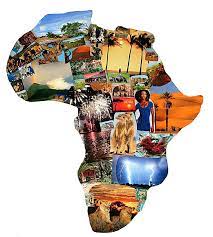
Uniting Africa: A Vision for Shared Prosperity
Updated at: 2025-02-20 12:16:42 (1 year ago by Melkisedeck Leon Shine)
```htmlThe African continent, a vibrant tapestry of diverse cultures and untold potential, stands at a pivotal moment. The yearning for unity, for a shared destiny, resonates across its landscapes. This is not merely a desire; it's a necessity for unlocking the continent's immense capabilities and securing a brighter future for generations to come.
The legacy of visionary leaders like Nelson Mandela, whose words β "It is in your hands to create a better world for all who live in it" β continue to inspire, serves as a potent reminder of our collective power. From the grandeur of ancient civilizations to the impactful leadership of Kwame Nkrumah and Julius Nyerere, history echoes with the strength born from unified purpose. These leaders understood that harnessing the power of diverse perspectives was crucial for achieving meaningful progress.
The path toward a unified Africa is paved with economic opportunity. Imagine a continent where trade flows freely, where borders are not barriers but bridges, fostering economic growth and prosperity for all. By dismantling trade restrictions and promoting cross-border investments, we create a fertile ground for African businesses to flourish, empowering individuals and communities.
Education forms the bedrock of this unified future. Investing in quality education is not merely an expense; it's an investment in human capital, empowering every African to realize their full potential. Kwame Nkrumah's insightful words, "We face neither East nor West; we face forward," serve as a guiding principle, urging us to focus on our shared progress.
A unified Africa will wield significant political influence on the global stage. A collective voice carries weight, ensuring Africa's interests are represented and respected in international forums. By speaking with one voice, we can actively shape global policies, advocating for a more equitable and just world order. The European Union's success story, built on the foundation of regional integration, offers a valuable lesson in the transformative power of unity.
However, unity does not imply uniformity. Our diverse cultures, languages, and traditions are not obstacles to overcome, but rather the vibrant threads that enrich the African tapestry. Celebrating our differences strengthens our collective identity, making us uniquely resilient and innovative.
Each individual plays a critical role in building a unified Africa. This begins with a commitment to understanding and cooperation, a willingness to overcome prejudices and stereotypes. It requires fostering empathy and appreciation for the rich diversity that defines our continent.
Actively participate in initiatives promoting African unity. Attend local gatherings, summits, and conferences designed to foster dialogue and collaboration. Engage in conversations, share ideas, and actively seek innovative solutions to the challenges we face. These collaborative efforts are instrumental in building a shared vision.
Lead by example within your communities. Inspire others to take action. Advocate for policies and initiatives that promote inclusivity, equality, and unity. Every individual action, however small, contributes to the larger movement toward a unified Africa. Jomo Kenyattaβs timeless words ring true: "Our children may learn about heroes of the past. Our task is to make ourselves architects of the future."
Let us embrace this shared vision of a prosperous, peaceful, and unified Africa. Let us unite, not as disparate nations, but as a collective force, ready to overcome challenges and build a legacy of which future generations will be immensely proud. The time for action is now. Let us embark on this journey together, hand in hand, toward a brighter tomorrow.
```
Updated at: 2025-02-28 11:37:20 (1 year ago by Melkisedeck Leon Shine)
African fashion is far more than mere clothing; it's a dynamic expression of the continent's rich cultural tapestry, a potent symbol of unity amidst extraordinary diversity. From the intricate craftsmanship of West African textiles to the bold, vibrant prints of East Africa, each garment narrates a unique story, reflecting the distinct traditions and customs of its origin. This exploration delves into the remarkable beauty and unifying power of African fashion, highlighting its capacity to transcend boundaries and cultivate a stronger sense of collective identity across the continent.
The breathtaking diversity of African fashion mirrors the continent's 54 nations, each possessing its own unique historical narrative and cultural practices. The flowing elegance of a Moroccan Kaftan stands in exquisite contrast to the vibrant energy of a Nigerian Dashiki, yet both embody profound cultural significance and expressive artistry. This rich tapestry of styles celebrates individuality while simultaneously emphasizing our shared African heritage. Embracing this diversity is not merely a matter of tolerance; it's about recognizing its inherent strength and inspirational power, enriching the collective African narrative and fostering a deeper appreciation for the continent's multifaceted beauty.
African fashion transcends geographical limitations, acting as a powerful connector between individuals and communities across the continent. Wearing traditional garments becomes more than personal expression; it represents a tangible connection to a shared heritage, a silent dialogue uniting Africans from diverse backgrounds. This shared aesthetic transcends political borders and social differences, nurturing a sense of community and shared identity that fosters unity and mutual understanding. It serves as a powerful tool for building bridges, promoting cross-cultural dialogue, and weaving together a more unified African experience.
The enduring legacy of Nelson Mandela's call for healing and reconciliation resonates deeply with the unifying potential of African fashion. Just as fashion can mend past wounds and bridge cultural chasms, it possesses the power to shape a brighter future. By embracing the spirit of Ubuntu β the profound belief in the inherent interconnectedness of humanity β we can harness the transformative potential of fashion to forge a more unified and harmonious continent, celebrating our shared humanity and fostering a spirit of cooperation and mutual respect.
History provides compelling examples of fashion's role in forging unity. The adoption of common symbols, such as flags and currencies, within the European Union played a crucial role in cultivating a stronger sense of shared identity among diverse nations. Similarly, African fashion can serve as a potent unifying force, reminding us of our shared heritage and collective strength. By drawing inspiration from these historical precedents, we can strategically leverage the power of fashion to build a stronger, more cohesive African identity on the global stage, projecting an image of unity, strength, and shared purpose.
Supporting local designers and artisans is paramount to promoting African unity through fashion. Investing in African-made garments is more than a statement of personal style; it's an investment in the continent's economic growth and the empowerment of its people. By consciously choosing African-made clothing, we directly support the talented individuals who create these unique and exquisite pieces, contributing to their livelihoods and fostering the overall economic development of our communities. This act of conscious consumption becomes a powerful catalyst for positive change.
Fashion events, such as Lagos Fashion Week and Cape Town Fashion Week, are vital platforms for showcasing African talent and fostering a sense of unity within the global fashion community. These events provide a space for designers to share their creativity, for fashion enthusiasts to connect, and for a collective celebration of African artistry. By actively participating in these events, we build networks, share ideas, and strengthen the bonds that unite us as a vibrant and creative force, driving innovation and fostering collaboration within the industry.
Promoting unity extends beyond our immediate communities; it's a shared responsibility we embrace as Africans. Our fashion choices can spark meaningful conversations, educate others about our diverse cultures, and foster a deeper understanding of our rich heritage. By wearing our African garments with pride, we become ambassadors of our culture, sparking curiosity and promoting a more nuanced and accurate global perspective on Africa, challenging stereotypes and fostering intercultural appreciation.
Envision a future where African fashion receives global acclaim for its unparalleled craftsmanship and distinctive style, a symbol of African excellence on the world stage. By uniting to support our designers and promote our heritage, we can make this vision a reality. Let us take pride in our fashion, showcasing its beauty and diversity to the world, projecting a powerful image of a unified and prosperous Africa, ready to take its rightful place on the global stage.
Let us celebrate the beauty and diversity of African fashion, leveraging its power as a catalyst for unity across our continent. Through fashion, we can bridge divides, heal wounds, and cultivate a stronger sense of shared purpose. Let's wear our African heritage with pride, inspiring others to join us on this journey towards unity and mutual understanding. Share this article, engage in thoughtful discussions, and let's continue this vital work together, building a brighter future for Africa through the unifying power of fashion.
What is your favorite piece of African fashion, and what does it signify to you personally? How can we further leverage fashion to promote unity and understanding on a larger scale? Share your thoughts and insights; let's continue this journey of unity and shared celebration together, building a stronger, more cohesive African identity through the power of fashion.
Updated at: 2023-08-06 14:39:40 (2 years ago by Melkisedeck Leon Shine)
π African Innovation Hubs: Collaborating for Technological Advancement π
Greetings, my fellow Africans! Today, I want to talk to you about a topic that is close to my heart β the power of collaboration and innovation in Africa. In this fast-paced world, it is crucial for us to come together, unite our strengths, and harness the potential of technology to drive our continent forward. Let us embark on this journey of progress, hand in hand, and build a brighter future for all Africans. πͺπ
1οΈβ£ Imagine a world where African nations are known for their technological advancements, where young minds are celebrated for their groundbreaking innovations, and where collaboration is at the heart of every success story. This is the vision we should strive for, and it is within our reach.
2οΈβ£ The first step towards achieving this vision is the establishment of innovation hubs across Africa. These hubs serve as centers of creativity, collaboration, and learning, bringing together entrepreneurs, developers, and innovators from various fields to exchange ideas and work towards common goals.
3οΈβ£ Take, for example, the iHub in Nairobi, Kenya. It has become a thriving ecosystem where tech entrepreneurs, investors, and mentors converge to support and nurture innovative ideas. This hub has birthed successful startups like BRCK, Ushahidi, and Andela, which have made significant contributions not only within Africa but also on a global scale.
4οΈβ£ One of the key benefits of innovation hubs is the opportunity they provide for networking and partnerships. By fostering a collaborative environment, these hubs encourage individuals to connect, share knowledge, and combine their expertise to tackle complex challenges.
5οΈβ£ Let us draw inspiration from the words of Nelson Mandela, a true African leader, who once said, "It is in your hands to create a better world for all who live in it." By collaborating through innovation hubs, we have the power to shape a better future for ourselves and generations to come.
6οΈβ£ In addition to collaboration, innovation hubs also play a vital role in skills development. They provide training programs, mentorship opportunities, and access to resources that empower individuals to acquire the skills needed to excel in the digital age.
7οΈβ£ The success stories of innovation hubs are not limited to Africa alone. We can look to Silicon Valley in the United States, where tech giants like Apple, Google, and Facebook emerged from the collaborative efforts of visionary minds. Africa has the potential to create its own Silicon Valley, and innovation hubs are the stepping stones towards this goal.
8οΈβ£ Ghana, the land of Kwame Nkrumah, has also embraced the power of collaboration through innovation hubs. The MEST Incubator in Accra has nurtured numerous tech startups and has become an important player in the African tech scene. It is a testament to what can be achieved when Africans come together with a shared purpose.
9οΈβ£ As we work towards fostering collaboration and innovation, it is important to celebrate our diversity. Africa is a continent rich in culture, traditions, and languages. Let us embrace our differences and use them as a source of strength, blending our unique perspectives to create innovative solutions that address the challenges we face.
π With the rise of technology, the potential for Africa to leapfrog into the future is immense. We have witnessed the transformative power of mobile money in Kenya through M-Pesa, and the impact of e-commerce platforms like Jumia across the continent. These success stories are just the beginning, and there is so much more we can accomplish together.
1οΈβ£1οΈβ£ My fellow Africans, I urge you to join me in promoting collaboration and innovation across our beautiful continent. Let us support our local innovation hubs, share our knowledge and expertise, and inspire the next generation of African innovators.
1οΈβ£2οΈβ£ What are your thoughts on the power of collaboration and innovation in Africa? How can we further unite our efforts to accelerate technological advancement? Share your ideas and experiences in the comments below!
1οΈβ£3οΈβ£ Together, we can overcome any obstacle and seize the opportunities that lie ahead. Let us be the generation that transforms Africa into a global technological powerhouse, a beacon of innovation, and a testament to the limitless potential of our people.
1οΈβ£4οΈβ£ If you found this article inspiring and insightful, I encourage you to share it with your friends, family, and colleagues. Let us spread the message of African unity and the power of collaboration far and wide.
1οΈβ£5οΈβ£ Remember, my fellow Africans, the time for change is now. Let us embrace collaboration, nurture innovation, and together, we will shape a brighter future for Africa and leave a lasting legacy for generations to come. Together, we can achieve greatness. Together, we are unstoppable! ππͺπ
π Share this article and join the movement towards African unity! #AfricanInnovation #CollaborationForProgress
Updated at: 2025-02-28 12:39:37 (1 year ago by Melkisedeck Leon Shine)
Africa, a continent rich in diverse cultures, abundant resources, and immense potential, faces significant challenges hindering its progress. However, these obstacles are not insurmountable. The key to unlocking Africa's full potential lies in the collective power and unwavering resolve of its women.
Historically, African women have been the cornerstone of their communities, nurturing families and driving societal growth. Now is the time to leverage this inherent strength, to forge a united front and create transformative, lasting change. Inspired by the words of Wangari Maathai β "In the course of history, there comes a time when humanity is called to shift to a new level of consciousness, to reach a higher moral ground" β we recognize this as our moment. It's our time to lead with compassion, wisdom, and unwavering courage, reshaping the paradigm and building a brighter future for generations.
Our history is replete with extraordinary women who fought relentlessly for justice and equality. From Queen Nzinga of Angola's courageous resistance against colonization to Mama Albertina Sisulu's unwavering dedication to anti-apartheid activism, their legacies illuminate the path toward empowerment. Their resilience and steadfast commitment inspire a movement of lasting impact. United, African women represent an unstoppable force capable of reshaping communities, uplifting families, and defining the continent's destiny.
This unity allows us to confront critical issues directly. Poverty, gender inequality, limited access to quality education and healthcare, and youth empowerment require a collaborative approach. The remarkable progress achieved by Rwandan women in post-conflict reconciliation and reconstruction demonstrates the potential of united action and collaboration.
Education is paramount. Investing in girls' education is not just an act of benevolence, but a strategic investment in Africa's future. Echoing Nelson Mandela's words, "Education is the most powerful weapon which you can use to change the world," empowering girls through education unlocks their potential and cultivates future leaders across various sectors.
Economic empowerment is equally crucial. Providing women with access to financial resources not only alleviates poverty but also fuels continental economic growth. The success stories of African women entrepreneurs like Folorunso Alakija, Isabel dos Santos, and Bethlehem Tilahun Alemu inspire us to create more opportunities and support for women-led businesses. This requires targeted initiatives promoting entrepreneurship, access to capital, and mentorship programs specifically designed to empower women in the business world.
Prioritizing health is non-negotiable. Advocating for improved healthcare systems and raising awareness about critical health issues, such as HIV/AIDS and malaria, will ensure a healthier future for all Africans. The legacy of Dr. Miriam Makeba, who used her musical talent to champion social change, serves as a powerful example of the transformative impact we can achieve when utilizing our talents for the greater good.
Celebrating our diverse cultures and traditions is fundamental to our unity. Embracing our differences strengthens our collective identity. As Desmond Tutu wisely observed, "In order to heal and move forward, we need to recognize and respect each other's stories." Promoting cultural exchange and understanding builds bridges and fosters a deep sense of belonging among all Africans. This celebration of diversity enriches our collective narrative and strengthens our bonds as a unified continent.
The time for African women to lead and inspire change is now. Our strength lies not only in our numbers but also in our collective commitment to overcoming challenges. Together, we can build a prosperous and united Africa for future generations. This is not merely a dream, but an achievable goal through collaboration and unwavering dedication. We must actively work towards making this vision a reality.
Let us join forces, share our experiences, and learn from one another. By harnessing our collective wisdom and passion, we can ignite a movement that transcends borders, empowering African women globally. Let's consider concrete actions: How can we enhance support for girls' education in our communities? What practical steps can we take to boost economic empowerment for African women? How can we improve healthcare access for all Africans? These questions must be addressed through collaborative initiatives and focused action plans.
Spread this message β let's ignite a flame of unity that spreads across the continent. Together, we can achieve monumental change. Remember, our strength is derived from our unity. Let us rise, empower each other, and build a legacy that inspires future generations. The time for action is now. Africa is calling us to unite. As Kwame Nkrumah powerfully stated, "I am African not because I was born in Africa but because Africa was born in me." Let us embrace this truth and collaborate towards a united and empowered Africa. Africa, it's time to rise! It's time to unite!
Updated at: 2025-03-01 20:34:53 (1 year ago by Melkisedeck Leon Shine)
Africa, a continent of breathtaking diversity, vibrant cultures, and immense natural wealth, faces a critical juncture. The preservation of its rich ecosystems and abundant resources is not merely an environmental concern; it's the cornerstone of a prosperous and sustainable future for generations to come. This necessitates a collective commitment to environmental stewardship β a shared responsibility demanding immediate and decisive action from each and every one of us.
Our continent's inherent bounty β vast forests teeming with life, fertile lands capable of feeding millions, majestic rivers flowing with lifeblood, and breathtaking wildlife β underpins our economies and sustains our communities. Yet, this invaluable heritage is under threat. The consequences of environmental degradation are far-reaching, impacting food security, water resources, public health, and economic stability. We must learn from past mistakes β from the deforestation that scars our landscapes to the pollution that poisons our waters β and chart a new course toward sustainability.
The path forward demands unity. Transboundary environmental challenges require collaborative solutions. By working together across national borders, fostering partnerships between governments, communities, and organizations, we can create a powerful force for positive change. This collaborative spirit, fueled by a shared vision, is essential for implementing effective environmental policies, promoting sustainable practices, and addressing the complex challenges facing our continent.
Our leaders have long championed environmental consciousness. Inspired by the wisdom of figures like Nelson Mandela, who urged us to "care for each other and for the Earth," we must embrace a holistic approach to environmental stewardship. This means integrating environmental considerations into all aspects of development, ensuring that economic progress and environmental protection go hand-in-hand.
Sustainable agriculture is paramount. To ensure food security while protecting our precious soils, we must transition to sustainable farming practices. This includes embracing techniques such as organic farming, crop rotation, and efficient irrigation systems, all while empowering local farmers with the knowledge and resources they need to succeed.
Harnessing Africa's abundant renewable energy resources is crucial. Investing in solar, wind, and hydropower will not only reduce our reliance on fossil fuels and mitigate climate change, but also create vital green jobs and stimulate economic growth. This transition to clean energy is not just an environmental imperative; it's an economic opportunity.
Biodiversity conservation is essential. Protecting Africa's unique flora and fauna, from iconic elephants to endangered species, is vital for maintaining ecological balance and promoting sustainable tourism. Conserving these natural treasures is not only ethically right, it's economically sound.
Combating plastic pollution is a pressing concern. The pervasive threat of plastic waste to our ecosystems and marine life demands immediate action. By reducing single-use plastics, promoting recycling initiatives, and fostering responsible waste management practices, we can significantly minimize the environmental impact of plastic pollution.
Environmental education and awareness are fundamental. Empowering our youth with the knowledge and skills to become effective environmental stewards is crucial for creating a sustainable future. Investing in education programs that foster environmental literacy will equip the next generation to tackle the challenges ahead.
Sustainable tourism offers a powerful tool for conservation. By promoting eco-tourism initiatives that respect local communities and minimize environmental impact, we can generate revenue while preserving our natural and cultural heritage. This approach benefits both the environment and the economy.
Climate change mitigation is a collective responsibility. Africa, being highly vulnerable to the impacts of climate change, must actively participate in global efforts to reduce greenhouse gas emissions and adapt to the changing climate. This requires a coordinated approach involving national policies, international collaborations, and community-level initiatives.
Water conservation is critical. Addressing water scarcity requires implementing strategies such as rainwater harvesting, efficient irrigation techniques, and responsible water usage. Sustainable water management is crucial for ensuring water security for current and future generations.
Empowering local communities is key. Environmental stewardship must be inclusive and equitable. By involving local communities in decision-making processes, providing sustainable livelihoods, and respecting traditional knowledge, we can ensure lasting conservation success.
International collaboration is essential. Addressing global environmental challenges like climate change and illegal wildlife trade necessitates strong partnerships with international organizations and governments. Sharing best practices and engaging in joint initiatives will amplify our impact on a global scale.
The responsibility for environmental stewardship rests with each of us. Every individual action, no matter how small, contributes to the larger goal of a sustainable Africa. Let us embrace our role as environmental stewards, promoting sustainable practices in our daily lives, advocating for responsible policies, and inspiring others to join this critical endeavor. Together, we can create a thriving continent for generations to come.
Let the words of Kofi Annan resonate: "It is in our hands to create a better world for all who live in it." Let us work together to build that better world, a world where environmental sustainability and human prosperity coexist harmoniously. Share this message, spread the word, and join the movement for a greener, healthier, and more sustainable Africa.
Updated at: 2025-03-02 16:32:16 (1 year ago by Melkisedeck Leon Shine)
```htmlAfrica, a continent of vibrant cultures and diverse traditions, boasts a rich artistic heritage expressed through captivating music and stunning visual arts. This shared legacy unites us, transcending geographical boundaries and linguistic differences. From ancient rock art whispering tales of our ancestors to the contemporary sounds echoing across bustling cities, art and music are the threads that weave together the fabric of our collective identity. This exploration delves into the power of artistic expression to foster unity and celebrate our shared African heritage.
The profound influence of art and music on African culture is undeniable. Ancient rock paintings in the Sahara, the intricate sculptures of West Africa, and the vibrant textiles across the continent β these are not merely aesthetic creations; they are historical records, spiritual expressions, and narratives passed down through generations. These artistic treasures reflect the resilience and ingenuity of our ancestors, offering a powerful connection to our roots and a profound appreciation for the beauty of our shared heritage. The vibrant colors, intricate patterns, and symbolic representations reveal the depth and complexity of our cultural heritage, reminding us of our enduring strength and creativity.
Music, too, plays a pivotal role in unifying Africans. The rhythmic pulse of the djembe, the haunting melodies of the mbira, and the soulful harmonies of countless other traditional instruments transcend language barriers, evoking emotions and forging connections between people from diverse backgrounds. Music serves as a universal language, celebrating our shared humanity and expressing the unique spirit of each community. These musical expressions, whether joyous celebrations or somber reflections, are a testament to our enduring spirit and shared cultural experiences.
Celebrating this shared heritage through art and music isn't simply about honoring the past; it's about fostering a present and future brimming with pride and unity. Showcasing our artistic talents globally amplifies our collective voice and inspires appreciation for the remarkable diversity within Africa. By sharing our artistic achievements, we build bridges of understanding and respect between different African cultures, reinforcing our collective strength and identity.
The Pan-African Cultural Festival (FESPACO), held in Ouagadougou, Burkina Faso, stands as a shining example of African unity through art and music. This prestigious event brings together filmmakers, musicians, and artists from across the continent, providing a platform to showcase their talents and celebrate African cinema and culture. FESPACO is a powerful testament to the unifying force of art, demonstrating how creative expression can overcome barriers, bridge divides, and foster a stronger sense of shared identity.
Nelson Mandela's profound words, "Art is powerful. It can inspire, it can unite, and it can change the world," resonate deeply. We must embrace this power, using art and music to inspire positive change across Africa. Supporting local artists, musicians, and craftspeople isn't just about patronage; it's an investment in economic growth, cultural preservation, and the strengthening of our collective bonds.
Embracing diversity and inclusivity is paramount in celebrating our shared heritage. We must create spaces for artists from different backgrounds and regions to collaborate, learn, and inspire one another. This exchange enriches our artistic landscape while fostering a deeper understanding and appreciation for our multifaceted identity. The diversity within our artistic expressions mirrors the rich tapestry of African cultures and experiences.
The Ubuntu philosophy, emphasizing the interconnectedness of humanity, is deeply embedded in our artistic traditions. This philosophy guides our approach, using art and music to promote peace, harmony, and understanding across the continent. Through collaborative efforts and shared creative expression, we send a powerful message to the world: Africa is united in its pursuit of excellence and progress. This collective pursuit transcends national borders, embracing a shared aspiration for a brighter future.
Drawing inspiration from global movements like the Harlem Renaissance, we recognize the transformative power of art and music in other parts of the world. African American artists harnessed their creative talents to challenge social injustices, fight discrimination, and uplift their communities. We can similarly use our artistic expressions as a catalyst for change, addressing contemporary challenges and promoting social justice within our communities.
Preserving and protecting our cultural artifacts and traditions is essential to our collective identity. These invaluable treasures connect us to our past and provide a solid foundation for future generations. We must work diligently to ensure that our art and music are celebrated, cherished, and passed down through time, preserving the cultural richness of our continent for generations to come.
Let us, fellow Africans, actively promote unity through the power of art and music. Support local artists, musicians, and cultural institutions. Celebrate our diverse heritage while embracing the interconnectedness of our collective identity. Together, let us harness the power of creativity to inspire positive change and build a brighter future for Africa. Let our voices rise in harmony, a powerful chorus celebrating the vibrant tapestry of African art and music.
How will you personally contribute to celebrating and promoting Africa's shared heritage through art and music? Share your ideas, and let us inspire one another to further unite our continent. Let's continue this conversation, sharing insights and inspiring action to celebrate the rich and diverse artistic expressions across Africa.
```
Updated at: 2023-08-06 14:21:34 (2 years ago by Melkisedeck Leon Shine)
Science and Innovation: Advancing Africa Together ππ¬π
Greetings fellow Africans! Today, I want to talk to you about the power of science and innovation in advancing Africa. πβ¨
Our continent is blessed with abundant resources, diverse cultures, and a rich history. However, we must acknowledge that Africa still faces numerous challenges in areas such as healthcare, education, and infrastructure. πͺπΎπ₯π
But fear not, for science and innovation can be the driving forces that propel Africa into a prosperous future. They have the potential to transform our societies, uplift our people, and unite us as one strong and vibrant continent. πππ«
As Nelson Mandela once said, "Education is the most powerful weapon which you can use to change the world." πππͺπΎ Let us harness the power of education and invest in our youth, providing them with quality education that focuses on science, technology, engineering, and mathematics (STEM).
By equipping our future leaders with a strong foundation in STEM, we are empowering them to become the innovators and problem solvers that Africa needs. π‘π¬π¨πΎβπ¬
Look at the success stories from other parts of the world. Countries that have invested heavily in science and innovation have experienced exponential growth and development. We can achieve the same for Africa! πΌπ°π‘
For example, Singapore, a small country in Southeast Asia, transformed itself from a developing nation into a global hub of innovation and technology. Through strategic investments in research and development, they have become a shining beacon of progress. We can do the same! πΈπ¬π
Innovation knows no borders or boundaries. It is a universal language that can unite us all. Let us come together as Africans, sharing our knowledge and collaborating on projects that will benefit the entire continent. π€ππ‘
Our ancestors have left us with a legacy of resilience and determination. We must honor their sacrifices by working together to overcome the challenges that lie ahead. ππΎπͺπΎπ
Let us remember the wise words of Kwame Nkrumah, the first President of Ghana: "I am not African because I was born in Africa but because Africa was born in me." πβ€οΈ
So, my fellow Africans, I urge you to embrace science and innovation as the catalysts for change. Let us invest in research, support our scientists and entrepreneurs, and create an environment that fosters creativity and collaboration. ππ‘ππΎ
Imagine a future where Africa leads the world in technological advancements, where our innovations solve global problems, and where we are respected and admired for our contributions. This future is within our reach! πππ
But to achieve this, we need your support. Share this article with your friends, family, and colleagues. Let us spark a conversation about the importance of science and innovation in advancing Africa. Together, we can inspire change and ignite a united Africa. π₯π€π
Ask yourself, what can I do to contribute to this vision? Can I mentor a young scientist? Can I invest in a startup focused on solving African challenges? Can I advocate for increased funding for research and development? π€πͺπΎπ
Remember, the power to advance Africa lies within each and every one of us. Let us unite, harness the power of science and innovation, and build a brighter future for our beloved continent. Together, we can achieve greatness! πβ¨πͺπΎ
Share this article and let's ignite the spark of change in Africa! ππ₯π€
Updated at: 2025-05-28 11:04:52 (1 year ago by Melkisedeck Leon Shine)
This article examines the critical need for a unified African agenda focused on advancing women's rights. We define gender equality as the state of equal opportunity and access for all genders, irrespective of societal norms or expectations. Empowerment, in this context, signifies the process of enhancing women's agency, capabilities, and control over their lives. The central argument posits that achieving gender equality is not merely a moral imperative but a strategic imperative for unlocking Africa's full socio-economic potential, drawing on theories of human capital development and intersectionality.
Historically, collective action has proven pivotal in achieving transformative social change in Africa. The success of anti-colonial movements demonstrates the power of unified action. Applying this historical precedent to the struggle for women's rights necessitates a concerted, continent-wide effort to dismantle patriarchal structures, echoing Mandelaβs vision of complete freedom from all forms of oppression. This approach aligns with the social movement theory, which emphasizes the role of collective mobilization in driving social change.
Recognizing the significant contributions of African women throughout history, from Queen Nzinga to Wangari Maathai, underscores their inherent leadership potential. This historical narrative, combined with contemporary examples of women's leadership in various fields, strengthens the argument for targeted empowerment strategies. The application of leadership development models, such as the transformational leadership framework, can guide the cultivation of future female leaders within diverse African contexts.
Investing in girls' education is not merely philanthropic; itβs a crucial driver of human capital development. Empirical evidence strongly supports the positive correlation between female education and improved health outcomes, economic productivity, and overall societal well-being. This aligns with human capital theory, which emphasizes the role of education and skills development in fostering economic growth and social progress. Guaranteeing universal access to quality education for girls, inspired by Malala Yousafzai's advocacy, constitutes a significant strategic investment in Africa's future.
Economic empowerment is fundamentally intertwined with gender equality. The empowerment of women entrepreneurs, through access to finance, training, and mentorship, drives innovation and economic growth. Applying microfinance models and entrepreneurial development programs can effectively address the financial barriers faced by women. This fosters economic independence, enabling women to break free from cycles of dependence and participate fully in economic activities, aligning with feminist economics which highlights the importance of gender-sensitive economic policies.
Access to comprehensive healthcare services is a fundamental human right crucial for women's well-being. Addressing high maternal mortality rates, HIV/AIDS prevalence, and the harmful practice of female genital mutilation requires a multi-pronged approach. The application of public health models and community-based interventions is vital for effective prevention and treatment strategies. Ensuring access to reproductive healthcare services, including family planning, is also crucial for women's autonomy and control over their bodies.
Meaningful political participation remains critical for achieving gender equality. Despite demonstrated leadership capabilities, women's representation in political decision-making remains inadequate across much of Africa. Implementing quota systems, promoting women's political leadership training, and actively combating gender-based violence in political spaces are vital steps for fostering greater inclusivity in governance. This aligns with theories of political representation and democratic participation.
Addressing harmful cultural norms and traditions that perpetuate gender inequality requires a nuanced approach rooted in cultural sensitivity and community engagement. Employing participatory action research methods, alongside community dialogues and educational initiatives, can facilitate the transformation of societal norms. The focus should be on fostering a culture of respect and recognizing the inherent value of women's contributions. This acknowledges the influence of social constructionism on gender roles and expectations.
Systematic barriersβlimited access to justice, land rights, and protection from gender-based violenceβdemand urgent attention. Strengthening legal frameworks, improving law enforcement, and establishing robust support systems are essential. This necessitates the application of legal frameworks, such as international human rights conventions, and effective institutional mechanisms for addressing gender-based violence and ensuring women's access to justice.
Leveraging social media and technology for advocacy and awareness-raising can significantly amplify the movement for gender equality. Creating targeted social media campaigns, utilizing digital platforms for education and resource sharing, and showcasing successful initiatives can inspire action and facilitate community engagement. The strategic application of digital communication tools can significantly contribute to social change movements.
Conclusions and Recommendations: Achieving a unified African agenda for women's rights requires a holistic approach, encompassing education, economic empowerment, healthcare access, political participation, and cultural transformation. Recommendations include developing national action plans aligned with international human rights standards, investing significantly in gender-responsive budgeting, creating robust monitoring and evaluation mechanisms, and fostering partnerships between governmental, non-governmental, and community-based organizations. The impact of such an agenda would be transformative, leading to improved health outcomes, increased economic productivity, enhanced democratic governance, and greater social justice. Further research should focus on evaluating the effectiveness of specific interventions, analyzing the role of cultural context in shaping gender equality initiatives, and exploring innovative strategies for overcoming systemic barriers to women's empowerment.
Reader Pool: How can the principles of intersectionality and social justice be most effectively integrated into the design and implementation of gender equality programs across diverse African contexts?
Updated at: 2025-05-16 13:54:17 (1 year ago by Melkisedeck Leon Shine)
Introduction: This paper examines the multifaceted pathways to achieving greater unity within Africa, focusing on the strategic development of alliances with global partners. Key concepts underpinning this analysis include regional integration, neo-functionalism, the principles of international cooperation, and the resource mobilization strategies inherent in global partnerships. Neo-functionalism, in this context, explains how cooperation in one sector (e.g., economic) can spill over into other areas, fostering greater integration. The successful application of these concepts hinges on effective governance, capacity building, and the active engagement of civil society. This analysis will explore the practical application of these theoretical frameworks to achieve a unified and prosperous Africa.
1. Fostering Regional Economic Integration: A cornerstone of African unity is robust economic integration. This necessitates the application of the principles of neo-functionalism, where initial cooperation in specific economic areas, such as trade liberalization via free trade agreements (FTAs) or the establishment of common markets, can stimulate broader political and social integration. The success of the European Union, while not directly replicable, offers valuable insights into the gradualist approach to regional integration through incremental steps of economic cooperation. This approach minimizes initial resistance to change and allows for adjustments based on real-world experience. Examples include the African Continental Free Trade Area (AfCFTA), which aims to create a single continental market for goods and services, and efforts to harmonize trade policies and reduce non-tariff barriers.
2. Strategic Global Partnerships for Development: Africa's development trajectory is significantly influenced by its engagement with global partners. A strategic approach to forging these partnerships is crucial. This involves identifying mutually beneficial collaborations that leverage global expertise, resources, and technology transfer for sustainable development. These partnerships should be guided by principles of equitable resource allocation and mutual respect, avoiding dependency traps. Effective partnership frameworks should incorporate mechanisms for capacity building and knowledge transfer, ensuring African ownership and long-term sustainability of initiatives. Successful examples include targeted public-private partnerships in key sectors like infrastructure, renewable energy, and digital technologies.
3. Strengthening Pan-African Institutions: The African Union (AU) and regional economic communities (RECs) such as ECOWAS and SADC play a vital role in facilitating African unity. Strengthening these institutions requires enhanced financial resources, streamlined governance structures, and increased capacity for conflict resolution and peacebuilding. Effective institutional reform should prioritize transparency, accountability, and inclusivity. Promoting the AU's role in mediating regional conflicts and fostering economic cooperation is paramount to realizing its unifying potential. Success hinges on member states' commitment to upholding the principles of the AU charter and collaborating effectively within the regional framework.
4. Leveraging the Potential of Africa's Youth and Women: Investing in human capital is crucial for achieving a unified and prosperous Africa. Empowering young Africans through quality education, skills development, and entrepreneurship initiatives is paramount. This fosters a dynamic and innovative workforce capable of driving economic growth and social progress. Simultaneously, gender equality and the promotion of women's leadership are essential for unlocking the full potential of Africa's population. Strategies for achieving this could include targeted programs for female entrepreneurs, leadership training initiatives, and legal reforms to ensure women's equal rights. This requires addressing societal norms and barriers that restrict women's participation in economic and political life.
5. Promoting Good Governance and Inclusive Participation: Good governance, transparency, and the rule of law are fundamental for building trust and attracting global partners. This includes combating corruption, strengthening democratic institutions, and ensuring the effective delivery of public services. Promoting inclusive governance models that involve civil society organizations, local communities, and marginalized groups is equally important. Public awareness campaigns promoting the values of accountability and transparency can help build a culture of good governance within societies. International collaboration and support for anti-corruption initiatives can further bolster these efforts.
6. Harnessing the Power of Shared Heritage and Cultural Exchange: Acknowledging and celebrating Africa's rich cultural diversity is crucial for building a sense of shared identity. Promoting cultural exchange programs, supporting artistic expression, and celebrating diverse heritage sites can foster a stronger sense of unity among African nations. People-to-people diplomacy can effectively bridge divides and promote understanding amongst different ethnic and cultural groups. This can strengthen social cohesion and contribute to a sense of shared national identity at the pan-African level.
Conclusions and Recommendations: Achieving African unity is a long-term process requiring a multifaceted approach. This analysis highlights the interconnectedness of regional economic integration, strategic global partnerships, strong pan-African institutions, human capital development, and good governance. Recommendations include increased investments in regional infrastructure, targeted capacity-building initiatives, promoting collaborative research and innovation, and fostering dialogue and exchange amongst African states and global partners. The successful implementation of these strategies will depend on strong political will, effective leadership, and the sustained engagement of all stakeholders. Further research is needed to better understand the specific challenges and opportunities related to inter-regional cooperation, the impact of specific global partnerships on development outcomes, and the long-term sustainability of these initiatives.
Reader Pool: Considering the complexities outlined in this article, what are the most effective strategies for fostering genuine collaboration and shared ownership among African nations in the pursuit of continental unity?
Updated at: 2023-08-06 14:39:43 (2 years ago by Melkisedeck Leon Shine)
Climate Change and Environmental Protection: A Joint Responsibility ππ±
Greetings, my fellow Africans! Today, I want to talk about a topic that affects us all, regardless of our background or location - climate change and environmental protection. This is not just an issue for some distant land, but a shared responsibility that we must embrace together. Let us unite as proud Africans and take action to safeguard our precious continent for future generations. ππ±
1οΈβ£ Climate change is a reality that cannot be ignored. Temperatures are rising, extreme weather events are becoming more frequent, and our natural resources are being depleted. But let us not be disheartened, for Africa has a rich history of resilience and adaptation. We have faced numerous challenges before, and we have always found ways to overcome them.
2οΈβ£ Our continent is blessed with abundant resources - from vast forests to diverse wildlife, and vast coastlines to fertile lands. However, unchecked human activities and unsustainable development practices have put these treasures at risk. It is our duty to protect and preserve them for our children and the generations to come.
3οΈβ£ As the great African leader Nelson Mandela once said, "It is in your hands to create a better world for all who live in it." Let us take these words to heart and embrace our role as guardians of the environment. We have the power to make a difference, both individually and collectively.
4οΈβ£ Each one of us has the ability to contribute to environmental protection in our daily lives. Simple actions like conserving water, reducing waste, using renewable energy sources, and planting trees can go a long way in mitigating climate change and preserving our ecosystems.
5οΈβ£ But it is not just individual actions that matter; collective efforts are equally important. Let us come together as communities, cities, and nations to develop sustainable policies and practices. By working hand in hand, we can create a greener, cleaner, and more prosperous Africa.
6οΈβ£ We can draw inspiration from other parts of the world that have successfully tackled environmental challenges. Take the example of Bhutan, a small Asian country that measures its progress not in terms of Gross Domestic Product but in Gross National Happiness. Bhutan prioritizes conservation and sustainability, and as a result, it has become a carbon-negative country.
7οΈβ£ South Korea is another remarkable example. In the 1960s, it faced severe pollution and environmental degradation. However, through determined efforts, it transformed into one of the world's leading nations in eco-innovation and green technologies. Today, South Korea is a shining example of how a country can overcome environmental challenges and pave the way for a sustainable future.
8οΈβ£ Our unity as Africans is crucial in addressing climate change and environmental protection. By sharing knowledge, resources, and best practices, we can learn from one another's experiences and develop innovative solutions. Let us break down barriers and forge strong partnerships across borders, transcending linguistic, cultural, and political differences.
9οΈβ£ As an African, ask yourself, what can I do to contribute to this shared cause? How can I inspire others to take action? Start conversations with your friends, family, and colleagues, and together, explore ways to become more environmentally conscious. Small steps can lead to significant change.
π Let us remember the wise words of Wangari Maathai, the Kenyan environmentalist and Nobel laureate, who said, "In the course of history, there comes a time when humanity is called to shift to a new level of consciousness, to reach a higher moral ground." It is time for us to rise together and embrace this higher moral ground for the sake of our continent and the world.
1οΈβ£1οΈβ£ I encourage you, my fellow Africans, to share this article with your friends, family, and networks. By spreading awareness and inspiring action, we can create a ripple effect that reaches every corner of our beloved Africa. Together, let us build a united and sustainable future.
1οΈβ£2οΈβ£ What steps can your community or nation take to promote environmental protection? Are there any innovative solutions being implemented in your region? Share your thoughts and ideas in the comments below. Let us learn from one another and inspire change.
1οΈβ£3οΈβ£ Remember, our actions today will shape the Africa of tomorrow. Let us be the generation that rises to the challenge, that leaves a lasting legacy of environmental stewardship and unity. Together, we can build a brighter and more sustainable future for Africa and the world.
1οΈβ£4οΈβ£ Share this article with every African you know. Let us ignite a flame of awareness and inspire our brothers and sisters to take action. Together, we can create an unstoppable movement for environmental protection and African unity.
1οΈβ£5οΈβ£ Join me on this journey towards a greener, cleaner, and more united Africa. Together, let us be the change we wish to see in the world. ππ±