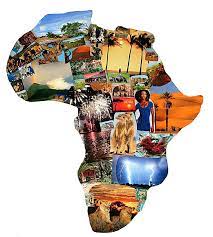
Celebrating African Heroes: Icons of Unity
Updated at: 2023-08-06 14:21:39 (2 years ago by Melkisedeck Leon Shine)
๐ Celebrating African Heroes: Icons of Unity ๐
Africa, the cradle of civilization, is a continent rich in history, diversity, and untapped potential. As Africans, it is our collective responsibility to celebrate and embrace our heroes, those individuals who have dedicated their lives to championing African unity. These icons have left an indelible mark on our continent, inspiring us to rise above our differences and work towards a common goal: a united Africa. Today, I invite you to join me on a journey of celebration, as we explore the triumphs of our African heroes and the importance of unity in our quest for progress and prosperity.
1๏ธโฃ From Nelson Mandela to Kwame Nkrumah, our African heroes have shown us the power of unity. They have taught us that our strength lies in coming together, transcending tribal, ethnic, and national boundaries. Nelson Mandela once said, "It is in your hands, to make a better world for all who live in it." Let us heed his words and work towards building a united Africa.
2๏ธโฃ The history of the African continent is rife with examples of unity leading to progress. Just look at the successes of the African Union, the Pan-African Parliament, and the African Development Bank. These institutions serve as beacons of hope, reminding us that when we pool our resources and talents, we can achieve remarkable things.
3๏ธโฃ Let us not forget the role played by African heroes in the fight against colonialism and apartheid. Leaders like Patrice Lumumba, Jomo Kenyatta, and Steve Biko fought tirelessly for the freedom of their people, leaving a legacy of resistance and unity that continues to inspire us to this day.
4๏ธโฃ In a world divided by conflict and strife, Africa has the opportunity to become a shining example of unity. By embracing our shared values and strengths, we can overcome the challenges that lie ahead, from poverty and inequality to climate change and political instability.
5๏ธโฃ Imagine a united Africa, where the borders that divide us no longer exist. A continent where Africans can move freely, trade with one another, and work together towards a common goal. This vision is within our reach, but it requires a collective effort to make it a reality.
6๏ธโฃ As Africans, we must ask ourselves: what can we do to promote unity in our daily lives? It starts with recognizing that each of us has a role to play in building a united Africa. Whether it is through supporting local businesses, embracing cultural diversity, or advocating for policies that promote inclusivity, every action counts.
7๏ธโฃ Education is a powerful tool in promoting unity. By teaching future generations about the importance of African unity, we can ensure that the torch of progress is carried forward. Let us impart the wisdom of our heroes onto the next generation, so that they too may strive for a united Africa.
8๏ธโฃ It is essential to remember that unity does not mean erasing our differences. Rather, it means celebrating our diversity and using it as a source of strength. Just as a tapestry is made beautiful by its varied threads, so too is Africa enriched by its different cultures, languages, and traditions.
9๏ธโฃ The African proverb, "If you want to go fast, go alone. If you want to go far, go together," encapsulates the spirit of unity that we must embody. Together, we can achieve greatness beyond our wildest dreams. Let us be inspired by this wisdom and work hand in hand towards a united Africa.
๐ Dear fellow Africans, let us not forget the power of collective action. By sharing this article, we can inspire others to join us on this journey of unity. Together, we can create a groundswell of support and promote the values that our heroes fought and died for.
โจ Join me in celebrating our African heroes by sharing their stories, by championing their ideals, and by working towards a united Africa. Let us be the change we wish to see in our continent. Together, we can build a future where Africa shines brightly as a beacon of unity, progress, and prosperity. ๐๐ช
๐ Share this article with your friends and family, and let us ignite a movement towards African unity! ๐๐ฅ
What steps can you take today to promote African unity? Share your thoughts and ideas below! ๐
Updated at: 2023-08-06 15:32:40 (2 years ago by Melkisedeck Leon Shine)
Tourism as a Vehicle for Peace and Unity in Africa ๐๐ค
Greetings, fellow Africans! Today, let us embark on a journey to explore how tourism can become a powerful instrument of peace and unity across our beloved continent. ๐๐
As Africans, we are blessed with a rich tapestry of cultures, traditions, and breathtaking landscapes that allure visitors from every corner of the world. By embracing tourism, we can showcase the diversity and beauty of Africa, fostering a sense of pride and unity among its people. ๐๐ด
Let us take inspiration from the words of Nelson Mandela, a great advocate for African unity: "Tourism is the most powerful weapon which you can use to change the world." Through tourism, we can bridge gaps, break stereotypes, and create an atmosphere of understanding and acceptance. ๐โจ
In countries like Rwanda, tourism has played a vital role in healing wounds and building a brighter future. The Rwandan government's efforts to promote gorilla trekking and showcase the country's progress since the tragic genocide have not only attracted visitors but also encouraged dialogue, forgiveness, and reconciliation among its citizens. ๐ฆ๐ท๐ผ
By uniting behind the common goal of fostering tourism, we can also address economic inequalities and create opportunities for local communities. Tourism provides jobs, stimulates entrepreneurship, and empowers individuals, especially in rural areas. Let us remember the wise words of Kwame Nkrumah: "We face neither East nor West; we face forward." ๐๐ช
Imagine a future where African nations collaborate to develop cross-border tourism circuits, allowing visitors to seamlessly explore multiple countries and experience the best Africa has to offer. This interconnectedness will not only boost tourism but also foster a sense of brotherhood and shared destiny among African nations. ๐ค๏ธ๐
Let us look to the success stories of other regions that have utilized tourism as a catalyst for peace and unity. In Europe, the Schengen Agreement has allowed citizens from multiple countries to travel freely, breaking down barriers and fostering cultural exchange. Why can't we create a similar framework for Africa? ๐๐ค
Together, we can create a Pan-African tourism council, comprising representatives from each country, to develop strategies and initiatives that promote tourism and unity. This council would provide a platform for African leaders to share best practices, collaborate on marketing campaigns, and create attractive packages for visitors. ๐ค๐๏ธ
Picture a traveler visiting the majestic Victoria Falls in Zimbabwe, then venturing to the vibrant streets of Lagos, Nigeria, and finally relaxing on the pristine beaches of Seychelles. This journey would not only showcase Africa's natural wonders but also its rich history, diverse cultures, and warm hospitality. ๐๐๐ด
As Africans, we must also encourage our fellow citizens to explore and appreciate the beauty within their own countries. Let us remind ourselves of the wise words of Chinua Achebe: "People who cannot build anything at home start talking about traveling to see other people's progress." Let us be proud of our own heritage and discover the wonders in our own backyard. ๐๏ธ๐โจ
Through social media and digital platforms, we can share our experiences, promote lesser-known destinations, and inspire others to embark on their own journeys of discovery. Let us ask ourselves, how can we use technology to amplify the message of unity and peace through tourism? Share your ideas and let's create a movement! ๐ป๐ฒ๐ก
Lastly, dear reader, I urge you to not only embrace the concept of tourism as a vehicle for peace and unity but to actively promote it within your communities, workplaces, and social circles. Share this article with your friends, engage in discussions, and let's ignite a spark that will unite Africa like never before! ๐๐โ
As we move forward, let us keep the words of Dr. Kwame Nkrumah close to our hearts: "I am not African because I was born in Africa, but because Africa was born in me." Let Africa be born in all of us as we work towards a united, peaceful, and prosperous continent through the power of tourism. ๐๐
Remember, the journey towards unity starts with each one of us. Let us be the change we want to see in Africa. Together, we can build a future where tourism serves as a vehicle for lasting peace, understanding, and harmony across our beloved continent. ๐๐คโจ
Share this article with your peers, friends, and family. Join the movement to unite Africa through the transformative power of tourism. Together, let us create a legacy of peace and unity that will inspire generations to come. ๐๐๐
Updated at: 2025-06-22 02:21:15 (7 months ago by Melkisedeck Leon Shine)
This article analyzes the multifaceted challenges and opportunities inherent in empowering African youth, focusing on the application of developmental theories and models to cultivate sustainable growth and continental unity. We will define key concepts, such as human capital development, sustainable development goals (SDGs), and social capital, and explore their practical application within the context of African youth empowerment. Human capital development encompasses investments in individuals' knowledge, skills, and health, resulting in increased productivity and economic expansion. The SDGs, a United Nations initiative, represent a global commitment to eradicating poverty, safeguarding the planet, and ensuring universal peace and prosperity. Social capital refers to the networks of relationships within a society, facilitating effective societal function. These interconnected concepts form the foundation of our analysis.
Investing in Quality Education and Skills Development: Human capital theory posits that investments in education yield substantial returns. Access to quality education is paramount, impacting employability, income, and societal progress. Applying this theory, substantial investment in educational infrastructure, teacher training, and technological integration within accessible educational systems is crucial. This directly aligns with SDG 4 (Quality Education) and contributes significantly to improved economic outcomes. Furthermore, vocational training and entrepreneurship development initiatives equip youth with practical skills, mitigating unemployment and fostering innovation, thus strengthening the concept of capability building and empowering citizens. The success of this strategy can be evaluated using metrics such as increased employment rates, entrepreneurial activity, and improved educational attainment.
Promoting Ethical Leadership and Inclusive Governance: Cultivating ethical leadership is paramount for sustainable development. Leadership development programs emphasizing integrity, accountability, and community service are essential for producing responsible leaders, aligning with the principles of good governance. Participatory governance, characterized by transparency and inclusivity, is pivotal. Providing platforms for youth participation in decision-making, such as youth councils, fosters ownership and empowers young people. This active inclusion aligns with participatory governance principles, ensuring young people's voices are integrated into policy. The effectiveness of these programs can be assessed by evaluating youth participation rates in governance structures and measuring improvements in governance indicators like transparency and accountability.
Fostering Collaborative Networks and Social Capital: Social capital theory highlights the importance of strong social networks for collective action and development. Promoting collaborative initiatives, youth leadership programs, and community engagement strengthens social ties and fosters a shared sense of purpose. This approach builds bridges between diverse groups, improving social cohesion and economic productivity. Encouraging intergenerational dialogue and knowledge transfer strengthens the social fabric, creating a synergistic approach. Successful implementation can be measured by assessing the strength of social networks, levels of community engagement, and collaborative project outcomes. The model used in East Asian "Tiger" economies exemplifies the positive impact of strong social capital on development. Comparative analysis of those success stories could inform strategies for Africa.
Leveraging Cultural Identity and Promoting Unity: Celebrating Africa's diverse cultures is essential for unity and national identity. Integrating cultural heritage into education and supporting cultural initiatives reinforces belonging and collective pride, contributing to social cohesion and sustainable development. This approach counters the homogenizing effects of globalization, preserving traditional knowledge and fostering intercultural dialogue. The effectiveness of cultural preservation initiatives can be assessed by measuring participation rates in cultural events, the revitalization of traditional practices, and the strengthening of cultural identity.
Conclusion and Recommendations: Empowering African youth necessitates a holistic, collaborative approach integrating human capital development, social capital building, ethical leadership, and cultural preservation. This requires substantial investments in quality education, skills development, and youth leadership programs. Inclusive governance structures ensuring youth participation are crucial. Further research should focus on developing context-specific interventions that address the unique challenges faced by youth across different regions, considering factors like gender, geography, and socioeconomic status. A robust evaluation framework, employing both quantitative and qualitative methods, is essential to assess the impact of these interventions. The long-term impact will be a more prosperous, stable, and equitable Africa, achieving the SDGs and fostering sustainable development. This positive transformation requires sustained political will, international cooperation, and continuous monitoring and evaluation of implemented programs. Comparative case studies across different African nations could reveal effective strategies and inform policy adaptations.
Reader Pool: What innovative strategies, beyond those discussed, could be effectively implemented to enhance youth engagement in the socio-economic development of Africa, considering the unique challenges and opportunities presented by the continent's diverse contexts?
Updated at: 2025-06-22 10:34:43 (7 months ago by Melkisedeck Leon Shine)
Africa, a continent possessing substantial cultural diversity, abundant natural resources, and significant untapped potential, confronts considerable developmental challenges. However, these impediments are not insurmountable. The empowerment of African women, acting collectively, represents a crucial catalyst for unlocking Africa's full socioeconomic potential. This assertion is grounded in the Social Capital Theory, which posits that strong social networks and collective action are vital for social and economic development. The strength of these networks hinges on trust, reciprocity, and shared normsโall inherent in the concept of a unified women's movement.
Historically, African women have served as the bedrock of their communities, playing a central role in family nurturing and societal progress. Building upon this foundational strength, a unified front of African women can facilitate lasting, transformative change. This aligns with transformative leadership theory, which emphasizes the capacity of leaders to inspire and mobilize collective action towards a shared vision. By collaboratively engaging in social change initiatives, women can redefine societal norms and reshape existing power structures.
The historical contributions of remarkable African women, who fought tirelessly for justice and equality, provide inspiration. From Queen Nzinga's resistance to colonialism to Mama Albertina Sisulu's anti-apartheid activism, their legacies exemplify the power of individual and collective agency. These narratives exemplify the concept of role models and their impact on behavior change, highlighting the potential for inspirational figures to motivate future generations towards empowerment.
This unity is essential to address pivotal issues such as poverty, gender inequality, limited access to quality education and healthcare, and youth unemployment. The success of Rwandan women in post-conflict reconciliation and reconstruction provides empirical evidence of the efficacy of collective action, demonstrating the principles of collaborative governance and community-based development.
Investing in girls' education is not merely philanthropic; it's a strategic investment in Africa's future human capital. This aligns with human capital theory, emphasizing the importance of education and skills development as drivers of economic growth and individual well-being. Empowering girls through education unlocks their potential and fosters future leaders across all sectors. The positive externalities of this investment far outweigh the costs, contributing significantly to overall societal development.
Economic empowerment is equally vital. Providing women with access to financial resources and entrepreneurial opportunities is not only poverty-alleviating but also a catalyst for continental economic growth. The accomplishments of successful African women entrepreneurs demonstrate the potential of women-led businesses. This requires targeted initiatives to promote entrepreneurship, access to credit and microfinance, and mentorship programs tailored to the specific needs and challenges faced by women entrepreneurs. These initiatives resonate with the principles of empowerment and capacity-building, central to sustainable development goals.
Prioritizing health is paramount. Improving healthcare systems and addressing critical health issues, such as HIV/AIDS and malaria, is essential for a healthier African population. The World Health Organizationโs emphasis on equitable access to healthcare aligns directly with this goal. This requires advocating for improved healthcare infrastructure, increased health funding, and targeted public health campaigns. This directly impacts the health and productivity of the population, contributing to human capital development.
Celebrating cultural diversity is fundamental to our unity. Embracing differences strengthens our collective identity. This aligns with the principles of multiculturalism and social cohesion. Promoting cultural exchange and understanding fosters a sense of shared identity and belonging. This approach enriches our collective narrative and contributes to building stronger social bonds across the continent. This, in turn, strengthens the social capital necessary for effective collective action.
Conclusions and Recommendations
The empowerment of African women represents a critical pathway to sustainable development on the continent. A unified approach, leveraging the principles of social capital theory, transformative leadership, and human capital theory, can address critical developmental challenges. Recommendations include targeted interventions focusing on girls' education, women's economic empowerment, improved healthcare access, and the celebration of cultural diversity. The successful implementation of these recommendations requires collaborative efforts between governments, NGOs, community leaders, and the women themselves. Further research should investigate the effectiveness of specific interventions, tailoring them to local contexts for maximum impact. Evaluation frameworks should be developed to measure the impact of such initiatives on key indicators such as poverty reduction, gender equality, and improvements in health and education outcomes. The long-term impact of this unified approach extends beyond immediate improvements, creating a more equitable, prosperous, and sustainable future for Africa. This involves building strong, resilient communities capable of self-governance and sustainable development. The success of this initiative depends on the sustained commitment of all stakeholders.
Reader Pool: Considering the multifaceted challenges facing African women and the proposed strategies for empowerment, what innovative approaches do you believe would further enhance the effectiveness of initiatives aimed at achieving continental transformation?
Updated at: 2025-02-20 03:45:08 (11 months ago by Melkisedeck Leon Shine)
```htmlAcross the African continent, diverse cultures and nations share a common thread: the unwavering spirit of resilience. In moments of crisis, this shared spirit transforms into powerful solidarity, demonstrating the inherent strength of unity. This article explores the profound importance of African unity, examining its historical context, the lessons we can learn from global examples, and the pathways toward a more prosperous and cohesive future for all Africans.
The call for African unity echoes through history. Nelson Mandela's powerful words, "Unity is strength, division is weakness," serve as a timeless reminder of the collective power we wield when united. From the visionary leadership of figures like Kwame Nkrumah, who eloquently stated, "I am not African because I was born in Africa, but because Africa was born in me," to the enduring legacy of countless others, we find inspiration to build a continent united in purpose.
Looking beyond our borders, we can find valuable lessons in the successes of other unified entities. The European Union, despite its diverse member states, showcases the transformative power of unity in creating a thriving single market, fostering economic growth, and prioritizing peace. This example highlights the potential of collaborative efforts to achieve shared prosperity and stability, a blueprint applicable to the unique context of the African continent.
Crises, whether natural disasters, conflicts, or pandemics, often reveal the best of humanity. These challenging times illuminate the profound importance of collective action. The shared experience of hardship strengthens bonds and underscores the significance of mutual support. By embracing solidarity in the face of adversity, we not only overcome immediate challenges but also forge deeper connections and a stronger collective identity.
Africaโs rich tapestry of cultures, languages, and traditions is not a source of division, but a wellspring of strength. This vibrant diversity, like a stunning mosaic, contributes to the unique beauty and resilience of our continent. Embracing this diversity, rather than viewing it as a barrier, allows us to leverage the varied skills, perspectives, and resources to build a more vibrant and prosperous future for all.
Tribalism and ethnic divisions have long hindered the progress of our continent. To truly achieve unity, we must transcend these historical divisions and foster a shared African identity. This requires active effort to cultivate mutual respect, understanding, and collaboration across diverse communities. By focusing on our shared humanity and aspirations, we can overcome the legacy of discord and build a more inclusive and harmonious future.
African unity is not merely a social ideal; it is a critical catalyst for economic development. By unifying resources, skills, and markets, we can unlock unprecedented economic opportunities. Imagine the potential of a continent where intra-African trade flourishes, where investment flows freely across borders, and where tourism celebrates the rich diversity of our landscapes and cultures. A unified approach unlocks a path toward collective economic prosperity.
The COVID-19 pandemic starkly highlighted the importance of solidarity in addressing public health challenges. The effective sharing of information, coordinated responses, and mutual aid among African nations demonstrated the power of collective action in safeguarding our populations. Investing in robust healthcare systems, supporting medical research, and establishing mechanisms for collective action are essential steps toward achieving health security for all Africans.
Education is a cornerstone of progress and unity. By prioritizing inclusive and quality education for all, we empower citizens with the knowledge and skills necessary to build a better Africa. Education fosters understanding, empathy, and a shared sense of purpose, creating a generation of informed and engaged leaders committed to building a unified continent.
Africa's youth are the inheritors of this vision of unity. It is their responsibility โ and their opportunity โ to drive positive change. By transcending borders, fostering collaboration across the continent, and building networks, young Africans can shape a future where unity is not a distant aspiration, but a vibrant reality.
The East African Community stands as a beacon of successful regional integration, demonstrating the tangible benefits of collaboration in promoting trade, infrastructure development, and peace. The African Union and its Agenda 2063 provide a roadmap for a unified and prosperous future. These successes inspire further action and reinforce the potential of unity.
Cultural exchange plays a vital role in building bridges between diverse communities. By appreciating and celebrating each other's cultures, we break down stereotypes and cultivate a stronger sense of belonging. Our music, art, cuisine, and traditions are the threads that weave us together as one African family.
In times of crisis, the principles of ubuntu โ compassion, solidarity, and mutual support โ come to the fore. Extending a helping hand to those in need strengthens our collective bond and demonstrates the true essence of African unity.
Social media offers unprecedented opportunities to connect, share stories, and spread messages of unity and hope across the continent. By using these tools effectively, we can build a virtual community that transcends geographical boundaries and unites us in our shared vision for the future.
The time for action is now. Let us rise above differences and embrace the transformative power of solidarity. Let the spirit of unity guide our efforts, inspire our actions, and shape a future where a strong and united Africa thrives. Together, we can build a continent where prosperity, peace, and progress are shared by all.
```
Updated at: 2025-02-23 19:16:45 (11 months ago by Melkisedeck Leon Shine)
```htmlAfrica, a continent brimming with diverse cultures, rich resources, and immense potential, faces significant hurdles hindering its progress. These challenges, however, are not insurmountable. The key to unlocking Africa's full potential lies in the collective strength and unwavering determination of its women.
African women have historically been the bedrock of their communities, nurturing families and fostering growth. Now, it's time to leverage this inherent strength, to unite and create lasting, transformative change. We draw inspiration from iconic figures like Wangari Maathai, whose words resonate deeply: "In the course of history, there comes a time when humanity is called to shift to a new level of consciousness, to reach a higher moral ground." That time is now. It is our time to lead with compassion, wisdom, and unwavering courage, shifting the paradigm and shaping a brighter future for generations to come.
Our history is replete with powerful female figures who fought tirelessly for justice and equality. From Queen Nzinga of Angolaโs valiant defense against colonization to Mama Albertina Sisuluโs unwavering commitment to anti-apartheid activism, their legacies serve as beacons guiding our path toward empowerment. Their resilience and unwavering commitment inspire us to create a movement of lasting impact. United, African women are an unstoppable force capable of reshaping our communities, uplifting families, and defining the destiny of our continent.
This unity allows us to tackle pressing issues head-on. Poverty, gender inequality, limited access to quality education and healthcare, and the empowerment of our youth demand a collective effort. The remarkable progress made by women in Rwanda's post-conflict reconciliation and reconstruction serves as a powerful testament to what is possible when women unite and collaborate.
Education is paramount. Investing in girls' education is not merely an act of kindness but a strategic investment in Africa's future. Nelson Mandela's words ring true: "Education is the most powerful weapon which you can use to change the world." Empowering girls through education unlocks their potential, fostering future leaders across diverse fields.
Economic empowerment is equally crucial. Providing women with access to financial resources not only lifts them out of poverty but also fuels continental economic growth. The achievements of successful African women entrepreneurs like Folorunso Alakija, Isabel dos Santos, and Bethlehem Tilahun Alemu inspire us to create more opportunities and support for women-led businesses.
Prioritizing health is vital. Advocating for improved healthcare systems and raising awareness about critical issues like HIV/AIDS and malaria will ensure a healthier future for all Africans. The work of Dr. Miriam Makeba, who used her musical platform to advocate for social change, stands as a powerful example of the impact we can achieve when using our talents for social good.
Celebrating our diverse cultures and traditions is foundational to our unity. Embracing our differences fosters strength, creating a collective identity. As Desmond Tutu wisely stated, "In order to heal and move forward, we need to recognize and respect each other's stories." Promoting cultural exchange and understanding builds bridges and fosters a profound sense of belonging among all Africans.
The time for African women to lead and inspire change is now. Our strength resides not only in our numbers but in our collective determination to overcome challenges. Together, we can build a prosperous and united Africa for future generations. This is not a dream but a tangible goal we can achieve through collaboration and unwavering commitment.
Let us join forces, share our experiences, and learn from each other. By harnessing our collective wisdom and passion, we can ignite a movement that transcends borders, empowering African women globally. Let's ask ourselves: How can we enhance support for girls' education within our communities? What steps can we take to boost economic empowerment for African women? How can we improve healthcare access for all Africans?
Share this message โ letโs ignite a flame of unity that spreads across the continent. Together, we can achieve monumental change. Remember, our strength lies in our unity. Let us rise, empower each other, and build a legacy that will inspire generations to come. The time is now. Africa is calling us to unite. As Kwame Nkrumah powerfully stated, "I am African not because I was born in Africa but because Africa was born in me." Let us embrace this truth and work collaboratively toward a united and empowered Africa. Africa, itโs time to rise! Itโs time to unite!
```
Updated at: 2025-06-02 10:50:06 (8 months ago by Melkisedeck Leon Shine)
Introduction: This article examines the imperative for African unity, transcending tribal divisions to cultivate a continent defined by shared prosperity and progress. We will analyze this multifaceted challenge using established sociological and economic theories. Social identity theory will illuminate how group affiliations influence individual identity and potentially lead to intergroup conflict. Conflict resolution strategies, particularly integrative bargaining, will be explored as mechanisms for achieving mutually beneficial outcomes. Modernization theory and dependency theory will provide contrasting frameworks to analyze Africa's development trajectory, with a focus on the transformative potential of economic integration. These theoretical lenses provide a comprehensive understanding of the continent's challenges and opportunities, guiding the formulation of effective strategies for progress.
1. Constructing a Pan-African Identity: The foundation for unity lies in the creation of a shared historical narrative that surpasses tribal affiliations. This involves acknowledging the interconnectedness of African history, emphasizing shared struggles, achievements, and cultural contributions. Social identity theory posits that fostering a strong pan-African identity can mitigate tribalism by creating a superordinate group identity that overshadows smaller, potentially conflicting, group identities. This promotes collective efficacy, shared destiny, and reduces intergroup conflict, fostering cooperation and shared purpose. For example, the promotion of shared historical narratives and symbols through education and public discourse can facilitate the creation of a powerful sense of shared identity and purpose.
2. Inclusive Governance and the Promotion of Multiculturalism: Africa's cultural diversity represents a source of strength. Multiculturalism, emphasizing the coexistence and mutual respect of diverse groups, is paramount. Inclusive governance structures that actively represent and empower all groups are crucial. This aligns with principles of democratic governance and participatory decision-making, ensuring that all segments of society feel valued and included. Social justice and equitable representation are fundamental, actively counteracting potential biases within governing structures that could marginalize certain groups. The establishment of constitutional frameworks protecting minority rights and ensuring equitable representation in political and economic spheres is a crucial step in realizing this goal.
3. Cooperative Goal Setting and the Resolution of Collective Action Problems: Defining and pursuing shared national and continental goals is critical. Identifying common challengesโpoverty, disease, climate changeโand implementing collaborative solutions is paramount. This necessitates overcoming collective action problems, such as the prisonerโs dilemma, highlighting the mutual benefits of cooperation over individualistic approaches. Aligning national development plans with continental strategies leverages synergies, maximizing resource utilization and fostering a sense of shared responsibility. For instance, establishing joint infrastructure projects and implementing harmonized trade policies can create a sense of collective purpose and mutual gain, thereby mitigating potential conflicts of interest.
4. Strategic Conflict Management and Dialogue: Open dialogue, active listening, and empathy are crucial for addressing grievances and building understanding. Integrative bargaining, a conflict resolution approach, helps find mutually beneficial solutions, moving beyond zero-sum outcomes. Establishing safe spaces for dialogue and using mediation techniques promote peaceful and constructive conflict resolution, promoting reconciliation and healing from historical traumas. A well-defined legal framework that supports effective conflict resolution mechanisms and provides avenues for redress is an essential component of a stable and unified society.
5. Investing in Human Capital and Cross-Cultural Understanding: Education plays a transformative role in shaping perceptions and fostering tolerance. Investing in quality education, inclusive curricula, and cross-cultural exchange programs promotes understanding and mutual respect. Human capital theory emphasizes the importance of skilled and educated populations for economic growth and societal advancement. Promoting intercultural competencies and critical thinking skills enhances nuanced understanding of diverse perspectives. Investing in teacher training and curriculum development that incorporates diverse perspectives and fosters intercultural dialogue can significantly impact the ability to achieve social cohesion and economic growth.
6. Regional Integration Through Pan-African Initiatives: Pan-African initiatives, such as the African Union, are vital for fostering cooperation and integration. Active participation and support, especially in trade, infrastructure, and security, are essential. This reflects the principles of regionalism and international cooperation, promoting shared goals and collective action. Modernization theory highlights the importance of economic development and global integration. The strengthening of regional trade agreements and infrastructure development initiatives can drive economic growth and enhance the continent's global competitiveness.
7. Economic Integration and Inclusive Growth Strategies: Economic integration is crucial for unlocking Africa's potential. Removing trade barriers, promoting intra-African trade, and fostering inclusive growth are critical. Dependency theory highlights the need to challenge neocolonial structures hindering economic development. Focusing on equitable growth opportunities and reducing economic inequalities mitigates social tensions. A focus on diversifying economies, investing in technology and innovation, and fostering entrepreneurial activity can create more resilient and inclusive economic systems.
8. Leveraging Cultural and Sporting Events for Social Cohesion: Cultural events and sporting competitions provide platforms for fostering shared identity and unity. Celebrating shared heritage and achievements promotes collective pride and cross-cultural interaction. This leverages culture's unifying power to reinforce positive interactions and break down existing barriers. Investing in infrastructure for cultural events and supporting the development of pan-African sporting leagues can create platforms for cross-cultural interaction and shared experiences.
9. Empowering Youth and Women for Sustainable Development: Investing in the education, empowerment, and leadership development of youth and women is crucial. This aligns with principles of gender equality and social inclusion, recognizing their pivotal roles in driving sustainable development and fostering a more equitable society. Empowering these groups ensures their voices are heard and their contributions are fully recognized, contributing to a more inclusive and unified Africa. Targeted programs aimed at increasing access to education and economic opportunities for women and youth can help to reduce social inequality and foster sustainable development.
Conclusion and Recommendations: Building a unified and prosperous Africa necessitates a multifaceted strategy based on shared understanding, collaborative action, and inclusive governance. Investing in education, promoting economic integration, leveraging pan-African initiatives, and fostering dialogue are vital. Future research should assess the effectiveness of specific interventions in promoting social cohesion and reducing intergroup conflict. Studies on the impact of economic development on social harmony and political stability in diverse African contexts are needed. Successfully overcoming tribal divisions offers immense potential for economic growth, improved human development, and a stronger global voice. The positive impacts on poverty reduction, disease control, and climate change adaptation are profound. A strategic focus on capacity building, institutional strengthening, and fostering a culture of accountability are essential for ensuring the long-term sustainability of these efforts.
Reader Pool: What innovative policy frameworks and collaborative initiatives can most effectively address the complex socio-economic challenges hindering sustainable and inclusive unity across Africa's diverse regions?
Updated at: 2025-06-26 10:03:39 (7 months ago by Melkisedeck Leon Shine)
This article explores the multifaceted pathways towards a unified and prosperous African continent, leveraging established sociological and economic theories to analyze the challenges and opportunities inherent in achieving this ambitious goal. Key concepts, such as social identity theory, which examines how individuals derive self-esteem from group membership, and modernization theory, which assesses the process of societal transformation from traditional to modern states, will be critically applied. We will examine the practical application of these concepts through the lens of pan-Africanism, a political ideology advocating for the unification and liberation of the African continent.
The foundation of a united Africa rests on the construction of a robust pan-African identity that transcends tribal affiliations. Social identity theory posits that individuals derive a significant portion of their self-esteem from their group memberships. Currently, many Africans primarily identify with their tribe, leading to potential conflict. To counter this, we must strategically cultivate a stronger overarching African identity, emphasizing shared historical experiences, struggles, and triumphs. This necessitates a conscious effort to celebrate our diverse cultural heritage as a source of collective strength, rather than division. The successful implementation of this strategy draws upon the principles of nation-building, actively promoting shared symbols, narratives, and national goals that resonate across ethnic and tribal boundaries. Successful examples from other nations undergoing similar processes can offer valuable insights. The narratives surrounding the American โmelting potโ or the Canadian โmosaicโ offer contrasting approaches to integrating diverse populations.
Recognizing the inherent diversity within Africa as a source of richness and resilience is paramount. This approach moves beyond simple tolerance to a genuine celebration of multiculturalism, recognizing that cultural differences, rather than being divisive, can contribute to the vibrancy and dynamism of a unified continent. This echoes the principles of intercultural communication and emphasizes the importance of mutual respect and understanding in navigating diverse perspectives.
While acknowledging the importance of individual tribal aspirations, a concerted effort to define and pursue shared developmental goals is crucial. Modernization theory, while critiqued for its limitations, offers a framework for understanding the transition from traditional societies to more modern, industrialized states. Shared aspirations, such as economic prosperity, social justice, environmental sustainability, and good governance, provide a common vision capable of uniting diverse populations. Collaborative efforts towards these objectives amplify the collective voice and accelerate meaningful change. The establishment of concrete, measurable goals and the implementation of clear action plans, informed by data-driven policy analysis, are vital. The successful implementation of such initiatives requires careful consideration of institutional frameworks, resource allocation and capacity-building strategies, drawing from successful examples of regional integration efforts.
Open and constructive dialogue is essential for bridging existing divides. This involves prioritizing empathy, mutual respect, and active listening. Deliberative dialogue initiatives, modeled on successful conflict resolution mechanisms, can provide structured platforms for addressing misconceptions and fostering understanding. Such dialogues can dismantle harmful stereotypes and promote a climate of mutual respect, strengthening social cohesion.
Investment in high-quality education is crucial for fostering critical thinking, empathy, and a shared understanding of African history and culture. This includes integrating inclusive curricula that celebrate diversity and promote a sense of pan-African identity. Furthermore, cultural exchange programs serve a vital role in breaking down preconceived notions and promoting intercultural understanding. The deliberate design of such programs, ensuring equitable access and participation, is essential for maximizing their effectiveness.
Highlighting the achievements of exemplary Africans across various fields serves to inspire future generations and cultivate collective pride. This positive narrative fosters a sense of shared identity and motivates further progress. This involves leveraging media and communication strategies to effectively disseminate these success stories, promoting positive role models and narratives.
Investing in the youth and women of Africa is paramount. Empowering them through inclusive education, equitable opportunities, and the creation of platforms for their voices to be heard ensures their active participation in shaping the continent's future. This not only promotes social justice but also fosters a more inclusive and united continent. This requires adopting inclusive policies that remove existing barriers to their full participation in economic, social, and political life.
Pan-African initiatives, such as the African Union and regional economic communities, play a crucial role in fostering unity and cooperation. Strengthening these institutions, improving their effectiveness, and ensuring their equitable representation are key to their success. Drawing lessons from successful regional integration efforts around the world is critical. This involves optimizing governance structures, improving resource mobilization, and enhancing the capacities of these organizations. The focus should be on enhancing regional cooperation in areas such as trade, infrastructure development, and security.
Economic integration is essential for fostering sustainable growth and development. Removing trade barriers, promoting intra-African trade, and fostering regional economic cooperation unlocks the continent's collective economic potential. This is vital to improving living standards and reducing economic inequalities. Strategies to promote economic diversification, enhance value chains, and foster a conducive business environment are needed.
Leveraging the power of sports and culture to promote unity is crucial. Events like the Africa Cup of Nations and cultural festivals serve as powerful platforms for fostering a sense of shared identity and celebrating our collective heritage. Investing in these initiatives to maximize their impact on social cohesion and cultural exchange is essential. This could include integrating cultural events into educational curricula and incorporating cross-cultural perspectives into national celebrations.
The path towards a united and prosperous Africa requires a multifaceted approach that leverages both sociological and economic principles. Building a strong pan-African identity, pursuing shared developmental goals, investing in education and dialogue, empowering future generations, and strengthening pan-African institutions are crucial steps. A data-driven approach to policymaking, informed by ongoing research and evaluation, is crucial. Further research should focus on comparing different models of nation-building and regional integration, analyzing the factors that contribute to successful social cohesion initiatives, and evaluating the impact of various pan-African initiatives on economic growth and development. The successful implementation of these recommendations will lead to improved living standards, reduced conflict, and increased prosperity for all Africans. The long-term impacts will include greater political stability, economic growth, and social harmony.
Reader Pool: Considering the complexities outlined in this article, what are the most significant obstacles to achieving a truly united and prosperous Africa, and what innovative solutions might be employed to overcome them?
Updated at: 2025-02-20 06:19:22 (11 months ago by Melkisedeck Leon Shine)
Africa's future hinges on its ability to harness the full potential of its population. A critical, often overlooked element in achieving this lies in empowering women and promoting their leadership. Representing half of the continent's population, women possess a wealth of untapped talent, creativity, and insight crucial for driving progress and sustainable development. Their active participation is not merely a matter of gender equality; it's a strategic imperative for Africa's prosperity.
The historical contributions of African women underscore their capacity for impactful leadership. Figures like Queen Nzinga of Angola, who bravely resisted colonial oppression, exemplify the power of women to inspire and mobilize communities toward positive change. Their legacies serve as potent reminders of the transformative potential inherent in female leadership.
Promoting women's leadership is about building a more inclusive and equitable society. When women are afforded equal opportunities to lead โ across all sectors โ they address community-specific challenges with unique perspectives, resulting in more effective and sustainable solutions. This inclusivity fosters a sense of shared ownership and collective responsibility for societal advancement.
This empowerment extends far beyond political representation. Across various fields โ from entrepreneurship and technology to education and healthcare โ women are making significant strides, driving innovation and progress. Investing in women's leadership translates to a multiplier effect, uplifting communities and fostering economic growth.
Wangari Maathai's words resonate deeply: โIn the course of history, there comes a time when humanity is called to shift to a new level of consciousness, to reach a higher moral ground.โ Embracing women's leadership is precisely this crucial shift, a necessary step toward achieving a more just and equitable future for all Africans.
The transformative power of gender parity in leadership is evident in countries like Rwanda, which boasts one of the world's highest percentages of women in parliament. This increased female representation has led to policies prioritizing education, healthcare, and economic development, benefiting the entire nation and demonstrating the positive societal impact of inclusive leadership.
Promoting women's leadership isn't about replacing men; it's about creating a balanced partnership. When men and women collaborate, decisions reflect a broader range of perspectives, leading to more sustainable and equitable outcomes. Embracing the principles of Ubuntu โ recognizing our interconnectedness and shared humanity โ fosters a collaborative environment where everyone thrives.
Africa's rich tapestry of cultures and traditions emphasizes community and unity. Harnessing this collective strength, we can create a future where women's leadership is the norm, not the exception. This collaborative effort is essential for building a continent where every citizen, regardless of gender, can flourish and contribute to societal progress.
Concrete steps towards promoting women's leadership include ensuring equal access to education and professional development opportunities. This equips women with the necessary skills and knowledge to assume leadership positions. Simultaneously, challenging deeply ingrained cultural norms and stereotypes that limit women's potential is paramount, creating a society that values and respects the contributions of all its members.
Let us, as Africans, unite in championing women's leadership. By sharing this message, inspiring one another, and working collaboratively, we can build a brighter, more prosperous, and equitable Africa for generations to come. Together, we can unlock the immense potential of half the continent's population and create a future where everyone thrives.
Updated at: 2025-02-20 13:39:50 (11 months ago by Melkisedeck Leon Shine)
```htmlThe vision of a unified, prosperous, and peaceful Africa is not a distant dream, but a tangible objective achievable through the collective empowerment of our communities. This necessitates a unified vision, collaborative efforts, and a commitment to leveraging the diverse cultural tapestry of our continent.
Our ancestors' legacies of resilience, strength, and community spirit serve as a powerful foundation for building a future where every African thrives. Nelson Mandela's call to action, "It is in your hands to create a better world for all who live in it," resonates deeply, underscoring the individual responsibility each of us holds in shaping this future.
Empowering local communities is the cornerstone of African unity. Fostering a sense of belonging and shared purpose at the grassroots level ignites sustainable development and self-reliance. By becoming architects of our own solutions, we chart a course towards independence, echoing Kwame Nkrumah's forward-looking vision: "We face neither East nor West; we face forward."
Imagine a thriving Africa, where every community flourishes. Investing in local economies is not just an economic imperative; it's a moral one. It means creating jobs, alleviating poverty, and significantly improving the quality of life for all Africans. This requires strategic investment and a commitment to sustainable economic practices.
Education is paramount to this transformation. Quality education empowers our youth to navigate the complexities of the 21st century. Investing in schools, colleges, and universities is an investment in Africa's future, ensuring that every child has access to opportunities previously unimaginable.
A healthy population is a prosperous one. Prioritizing healthcare infrastructure is crucial. Ensuring access to quality healthcare isn't just a humanitarian imperative; it's a fundamental step in building a strong, resilient continent capable of overcoming future challenges. This includes addressing disparities in access and promoting preventative healthcare initiatives.
The European Union's journey offers valuable lessons. Their transformation from a war-torn continent to a beacon of peace and prosperity demonstrates the transformative power of unity and collaboration towards a common goal. This serves as a compelling example of what's achievable through concerted international cooperation.
Our cultural diversity is a source of strength, not weakness. Celebrating our differences fosters understanding, tolerance, and mutual respect. We must actively challenge divisive narratives, embracing Chinua Achebe's insight: "Until the lions have their own historians, the history of the hunt will always glorify the hunter." We must actively participate in shaping our own narrative.
Building a truly united Africa demands a concerted fight against tribalism, corruption, and division. We must take ownership of our history and create a future where our children's aspirations are limitless. This requires courageous leadership and a collective commitment to ethical conduct and transparency at all levels.
Individual actions have a collective impact. Supporting local businesses, artisans, and farmers is a powerful act of empowerment. Buying local directly invests in community growth, fostering sustainable development and economic resilience. This includes conscious consumer choices and actively seeking out and supporting local enterprises.
We must cultivate entrepreneurship and innovation. Providing resources, mentorship, and support fosters self-reliance and economic empowerment. Steve Biko's words ring true: "The greatest weapon in the hands of the oppressor is the mind of the oppressed." We must liberate our minds and embrace our potential through education, training, and access to resources.
Collaboration is key. Building networks and partnerships that transcend national borders enables us to tackle shared challenges and seize opportunities collectively. Pooling resources and expertise amplifies our individual efforts exponentially.
Technology's power is undeniable. Leveraging digital platforms connects communities, fosters knowledge sharing, and drives inclusive growth. We must utilize technology to bridge geographical divides and promote effective communication, ensuring equitable access for all.
The path to a united Africa requires unwavering intention and commitment. We must embody the change we wish to see. Together, we can create a continent where every voice is valued, every life is cherished, and every dream is within reach. This demands persistent action and a belief in collective effort.
Share this vision. Let's ignite a flame of unity that inspires others to join this transformative journey. Together, we can build a brighter future for our continent. Let's work together to build a sustainable and prosperous future for generations to come.
What steps will you take today to empower your community and promote African unity? The power to shape our continent's destiny rests within each of us. Let's rise to the challenge, together.
```