Mary's Immaculate Heart: A Refuge in Troubled Times
Updated at: 2023-08-05 13:19:52 (2 years ago by Melkisedeck Leon Shine)
Mary's Immaculate Heart: A Refuge in Troubled Times ππ
In times of trouble and uncertainty, we often look for solace and comfort. As Christians, we are blessed to have a refuge in the loving heart of the Virgin Mary, the Mother of God. Her Immaculate Heart is a source of hope, peace, and strength amidst the storms of life. Let us explore the significance of Mary's Immaculate Heart and how it can provide solace in troubled times.
The Immaculate Conception: The dogma of the Immaculate Conception teaches us that from the moment of her conception, Mary was preserved from the stain of original sin. This unique privilege made her heart pure, untainted, and filled with divine grace. π
Mother of God: Mary's role as the Mother of God is unparalleled. She carried our Savior, Jesus Christ, in her womb and nurtured Him with boundless love. Her heart was the first to witness the miracle of God made flesh. πΉπ
Mary's Fiat: In the Gospel of Luke, we see Mary's humble and obedient response to God's plan. She said, "Behold, I am the handmaid of the Lord; let it be to me according to your word" (Luke 1:38). Mary's wholehearted "yes" to God's will is an inspiration for us to trust in His plans and surrender to His divine providence. πΊ
Our Intercessor: Mary's Immaculate Heart is a powerful intercessor before the throne of God. Just as she interceded for the couple at the wedding in Cana (John 2:1-11), she intercedes for us as well. Her prayers are filled with motherly love and are a source of great comfort and consolation. ππ
Mediatrix of Grace: Mary, as the Mediatrix of all graces, channels the abundant graces of God to His children. Through her Immaculate Heart, she dispenses these graces and helps us grow in holiness. ππ§
Our Mother: On the cross, Jesus entrusted His beloved disciple John to the care of His mother, saying, "Woman, behold your son!" (John 19:26). In this gesture, Jesus also entrusted us to Mary's maternal care. Her Immaculate Heart is a refuge for all who seek her motherly love and protection. πΊπ
In Times of Persecution: Throughout history, Christians have faced persecution for their faith. In these troubled times, Mary's Immaculate Heart offers us strength and courage. Just as she stood at the foot of the cross, unwavering in her love for her Son, she stands by our side, comforting us and giving us the strength to endure. πΉπ
The Rosary: The Rosary, a powerful devotion to Mary, is a way to enter into the contemplation of Mary's Immaculate Heart. Through its repetition, we meditate on the life of Jesus and Mary, drawing closer to their hearts. The Rosary is a spiritual weapon that brings peace and protection in troubled times. πΏπ
Trust in Mary's Intercession: The Catechism of the Catholic Church teaches us that Mary's intercession "is efficacious in obtaining the grace of conversion and repentance" (CCC 2677). When we entrust our troubles to her Immaculate Heart, we invite her to intercede for us before God's throne and obtain the graces we need. πΉπ
Saints Devoted to Mary: Throughout the centuries, many saints have testified to the power and love radiating from Mary's Immaculate Heart. Saint Maximilian Kolbe, for example, had an ardent devotion to Mary and saw her as a sure refuge in times of distress. Their example encourages us to seek solace in her loving heart. πΊπ
The Hail Mary: The Hail Mary is a beautiful prayer that honors Mary and seeks her intercession. It echoes the words of the angel Gabriel and Elizabeth, proclaiming Mary as blessed among women. By praying the Hail Mary, we express our love and trust in her Immaculate Heart. ππ
The Miraculous Medal: The Miraculous Medal, also known as the Medal of the Immaculate Conception, is a tangible reminder of Mary's intercession. Blessed by the Church, it serves as a sacramental that invites her protection and graces into our lives. Wearing or holding this medal can bring comfort and peace. π΄π
The Brown Scapular: The Brown Scapular is another powerful sacramental associated with Mary's Immaculate Heart. It is a sign of our consecration to her and a reminder of her motherly protection. By wearing the Brown Scapular, we invite Mary to envelop us in her love and shield us from harm. πΉπ₯
Trusting in God's Plan: Mary's Immaculate Heart reminds us to trust in God's plan, even when it seems difficult or challenging. She teaches us that by surrendering our lives to Him, we can find peace and joy amidst the trials of life. πΊπ
Opinion: In times of trouble and uncertainty, turning to Mary's Immaculate Heart can provide us with a sense of peace, comfort, and hope. Her unwavering love and intercession can bring solace to our troubled hearts. Have you experienced the refuge of Mary's Immaculate Heart? Share your thoughts and experiences below. ππ
Updated at: 2023-08-05 13:19:33 (2 years ago by Melkisedeck Leon Shine)
Title: The Annunciation: Mary's "Yes" to God's Plan ππ
Introduction: In the realm of Christian spirituality, few events hold as much significance as the Annunciation. This divine encounter between the Virgin Mary and the Archangel Gabriel marks a pivotal moment in history, where Mary willingly accepted God's plan for her life. Let us delve into the depths of this extraordinary event and explore the reasons why Mary's "yes" continues to inspire and guide us today. πΉ
Mary's Humility and Obedience: Mary's response to the Angel Gabriel's message showcases her profound humility and unwavering obedience to God's will. Despite the overwhelming nature of the news, she humbly accepted her role as the Mother of God, saying, "Behold, I am the handmaid of the Lord; let it be to me according to your word" (Luke 1:38). Mary's complete trust in God's plan serves as a powerful example for all believers. π
Mary's Immaculate Conception: The dogma of the Immaculate Conception reflects the Catholic belief that Mary was conceived without the stain of original sin. This unique grace allowed her to be a fitting vessel for the Incarnation of Jesus Christ. Through her "yes," Mary exemplified her perfect love for God and her willingness to cooperate fully in His divine plan. π«
Mary's Singular Role as the Mother of God: As Catholics, we venerate Mary as the Mother of God because she bore within her womb the second person of the Holy Trinity. This profound title emphasizes her role in our salvation history and the unique relationship she had with Jesus. Mary's "yes" made her the first and greatest disciple, guiding her on the path of love and self-sacrifice. π
The Annunciation as a Fulfillment of Prophecy: The Annunciation event not only fulfills Old Testament prophecies but also establishes a bridge between the Old and New Testaments. In Isaiah 7:14, it is prophesied, "Behold, a virgin shall conceive and bear a son, and shall call his name Immanuel." Through her consent, Mary allowed the fulfillment of this prophecy, ensuring the birth of the long-awaited Messiah. π
Mary's Fiat and Our Own Fiat: Mary's "let it be done unto me" serves as an invitation for believers to embrace their own individual vocation in God's plan. Just as Mary surrendered herself entirely, we are called to offer ourselves to God and trust in His guiding hand. By imitating Mary's fiat, we can experience a deeper connection with God and find purpose in our own lives. π
Mary's Fiat and the Power of Trust: The Catechism of the Catholic Church beautifully describes Mary's fiat as an act of trust: "The Virgin Mary, who at the message of the angel received the Word of God in her heart and in her body and gave Life to the world, is acknowledged and honored as being truly the Mother of God and of the Redeemer" (CCC 509). Mary's trust in God's plan allowed for the redemption of humanity. πΉ
Mary's Fiat and the Intercession of Saints: As Catholics, we believe in the intercession of the saints, and Mary, as the Mother of God, holds a special place in this communion of saints. Through her "yes," Mary became our spiritual mother, always ready to intercede on our behalf and guide us towards her Son. In times of doubt or struggle, we can turn to her with confidence, knowing she will lead us closer to Jesus. πΉπ
Conclusion: The Annunciation is a profound moment in salvation history, showcasing Mary's courageous "yes" to God's plan. Her humility, obedience, and trust serve as an inspiration for every believer, as we strive to surrender ourselves to God's will in our own lives. Through Mary's intercession, we can find strength and guidance, always drawing closer to Jesus. Let us reflect on this extraordinary event and ask ourselves: How can we emulate Mary's "yes" in our own lives? What steps can we take to deepen our relationship with God and trust in His divine plan? ππΉ
What do you think about the significance of Mary's "yes" in God's plan? How has her example impacted your own spiritual journey? Share your thoughts and reflections below.
Updated at: 2023-08-05 13:19:50 (2 years ago by Melkisedeck Leon Shine)
The Assumed Role of Mary in the Communion of Saints ππΉ
Mary, the beloved Mother of God, holds a special place in the Communion of Saints. As Catholics, we believe that she was assumed body and soul into Heaven at the end of her earthly life. This glorious event is known as the Assumption of Mary.
The Assumption of Mary is not explicitly mentioned in the Bible, but we find hints of it in Scripture. In the book of Revelation, we read about a woman clothed with the sun, with the moon under her feet, and a crown of twelve stars on her head. This woman is commonly understood to be Mary, who is exalted in Heaven.
The Catechism of the Catholic Church teaches us that Mary's Assumption is a sign of hope and a reminder that we too, by the grace of God, can hope to be united with Him in Heaven. It states, "The Assumption is a singular participation in her Son's Resurrection and an anticipation of the resurrection of other Christians" (CCC 966).
Mary's role in the Communion of Saints goes beyond her assumption. She is considered the Queen of Heaven and Earth, a title bestowed upon her by God. Just as the Queen Mother played a significant role in the Old Testament, so does Mary in the New Testament as the Mother of Jesus, the King of Kings.
Mary's intercession is powerful and has been witnessed throughout history. At the wedding at Cana, she interceded for the couple and prompted Jesus to perform His first miracle, turning water into wine. This demonstrates her role as a compassionate and caring mother, always advocating for her children.
The saints themselves recognized Mary's importance in the Communion of Saints. St. Maximilian Kolbe, a Polish Franciscan friar, said, "Never be afraid of loving the Blessed Virgin too much. You can never love her more than Jesus did." Mary is a beacon of love and devotion, guiding us towards her Son.
The Rosary is a powerful prayer that deepens our relationship with Mary and Jesus. Through the Rosary, we meditate on the significant moments in the life of Christ, accompanied by Mary's loving presence. This devotion brings us closer to the Communion of Saints and strengthens our spiritual journey.
In the Gospel of Luke, Mary's cousin Elizabeth proclaims, "Blessed are you among women, and blessed is the fruit of your womb!" (Luke 1:42). This affirmation acknowledges Mary's unique and blessed role as the Mother of God, highlighting her significance in the Communion of Saints.
The early Church Fathers also recognized Mary's exceptional role. St. Athanasius, one of the great theologians of the Church, stated, "The Word of God became man and the Son of God became the Son of man, so that man, by entering into communion with the Word and thus receiving divine sonship, might become a son of God." Mary, as the Mother of God, played a vital role in the Incarnation.
Mary's assumption into Heaven reminds us of the hope we have in Christ's victory over death. She experienced the fullness of God's grace and is now glorified in Heaven. As Catholics, we honor Mary as our spiritual mother and seek her intercession in times of need.
The saints often turned to Mary in their spiritual journeys. St. Louis de Montfort, a prominent Marian theologian, said, "The more the Holy Spirit finds Mary, His dear and inseparable spouse, in any soul, the more active and mighty He becomes in producing Jesus Christ in that soul." Mary leads us closer to Christ, guiding us on the path to holiness.
Mary's role in the Communion of Saints extends to the present day. Apparitions such as Our Lady of Fatima and Our Lady of Lourdes have brought immense spiritual graces to countless believers, reminding us of Mary's love and concern for her children.
The Catholic Church honors Mary with various feast days throughout the liturgical year. The Solemnity of the Immaculate Conception (December 8th) celebrates Mary's conception without original sin, and the Solemnity of the Assumption (August 15th) commemorates her assumption into Heaven.
Mary's role as the Mother of God and Queen of Heaven reminds us of the importance of cultivating a personal relationship with her. Through prayer, we can seek her guidance and intercession, knowing that she always leads us closer to her Son.
As Catholics, it is essential to reflect on the role of Mary in the Communion of Saints and the impact she has on our spiritual lives. What are your thoughts on Mary's assumed role? How has devotion to Mary influenced your faith journey? Share your insights and experiences in the comments below. πΉπ
Updated at: 2025-06-26 11:20:46 (9 months ago by Melkisedeck Leon Shine)
```htmlMary's Intercession: A Pathway to Divine Grace
Introduction
Within the Christian faith, the Virgin Mary, Mother of God, occupies a position of profound reverence and devotion. This article explores the theological concept of Mary's intercession, analyzing its significance and its role as a conduit to experiencing divine grace. Key terms will be defined throughout, including intercession, divine grace, and the theological framework underpinning Marian devotion. The application of these concepts will be illustrated through scriptural examples, theological interpretations, and the lived experience of believers throughout history. We will examine Mary's role not just as a figure of devotion but as an active participant in the economy of salvation, focusing on the principle of ecclesial communion and its impact on individual spiritual growth.
1. Mary's Unique Ontological Status: Mother of God
The foundation of Mary's role as intercessor stems from her unique status as Theotokos, "Mother of God," a title affirmed by the Church. This christological assertion emphasizes her unparalleled connection to Jesus Christ. This intimate maternal bond forms the basis for understanding her capacity for intercession. Applying the theological framework of mediatorship, Mary's role is not one of usurping God's power, but rather of acting as a mediatrix, facilitating a closer relationship between humanity and God. This operates through a Trinitarian lens, acknowledging the inherent unity of the Godhead while affirming the distinct roles within the Trinity.
2. Mary's Humility: A Model of Fiat
Mary's unwavering humility, exemplified by her response, "Behold, I am the handmaid of the Lord; let it be to me according to your word" (Luke 1:38), serves as a powerful model of surrender to divine will. This profound act of obedience underscores a crucial aspect of Christian spirituality. This aligns with the concept of kenosisβthe self-emptying of Christβwhich also characterizes Mary's life. Her humble acceptance of God's plan establishes her as a role model for believers striving for spiritual maturity, illustrating the virtue of humility as essential for receiving grace. This concept of kenosis resonates with the principles of Christian ethics and the call for selfless service.
3. The Wedding at Cana: A Manifestation of Intercession
The miracle at Cana (John 2:1-11) provides a concrete example of Mary's intercession. Her appeal to Jesus, "They have no wine," demonstrates her capacity to present the needs of others to Christ. This event illustrates not only her compassionate nature but also her understanding of Christβs divine power and her willingness to engage in his ministry. This act serves as a paradigm for the role of intercession: actively advocating for the needs of others before God. Through this narrative, the Church demonstrates how God's grace is dispensed through human agency, showcasing Mary's collaborative role in God's plan.
4. The Rosary: A Liturgical Expression of Intercession
The Rosary, a significant Catholic devotion, directly reflects Maryβs role as intercessor. This structured prayer engages in a meditative contemplation of Christ's life through Mary's perspective. The repetitive nature of the Hail Mary acts as a vehicle for invoking her intercession. This practice aligns with liturgical theology, highlighting the efficacy of prayer within a structured framework that fosters spiritual communion and reflects the Church's tradition. Each decade, focused on specific mysteries of the faith, enhances the meditative practice and strengthens the petitionerβs connection with Mary and, ultimately, with God.
5. Mary as the New Ark of the Covenant: A Theological Symbol
The concept of Mary as the New Ark of the Covenant illustrates the continuity between the Old and New Testaments. Just as the Ark housed the presence of God in the Old Covenant, Mary, through her womb, carried and gave birth to the incarnate Word of God. This theological comparison highlights Maryβs central role in Godβs plan of salvation. The Catechism of the Catholic Church supports this interpretation, emphasizing Mary's role as a model of faith and charity. This symbolic representation establishes the enduring relevance of Mary's role within the evolving narrative of salvation history, connecting the Old Testament foreshadowings to the fulfillment in Christ.
6. The Witness of the Saints: A Historical Perspective on Intercession
The devotion to Mary's intercession is deeply rooted in the lived experience of numerous saints throughout history. Their testimonies demonstrate a profound faith in her ability to connect humanity to Godβs grace. This historical perspective provides empirical evidence of the power of Marian devotion and highlights the efficacy of prayer through Mary. Such testimonies demonstrate the enduring role of Mary as a source of comfort and spiritual guidance within the broader context of the Catholic tradition.
7. Marian Apparitions and Messages: Contemporary Expressions of Faith
Approved Marian apparitions, such as Lourdes and Fatima, reinforce Mary's ongoing intercessory role. These purported occurrences provide a contemporary lens through which to understand the continued relevance of Mary's mediation. These apparitions, though subject to rigorous theological and historical scrutiny, emphasize the enduring importance of prayer, repentance, and faith in Godβs mercy. These accounts demonstrate the ongoing spiritual significance of Mary within the collective consciousness of the faithful.
8. The Assumption: A Celebration of Mary's Glorification
The dogma of the Assumption of Mary highlights her unique destiny and her elevated status within the context of salvation history. Her bodily assumption into heaven affirms her complete union with God and underscores her ongoing intercession from a heavenly perspective. This doctrine underscores the ultimate victory of Christ and the hope of salvation for believers. The Assumption serves as a testament to the triumph over death and a reflection of the eschatological hope central to Christian faith.
9. Mary's Role in the Mystical Body of Christ: Ecclesial Communion
Maryβs role within the Mystical Body of Christ reinforces her ongoing connection to the Church and her active participation in the sacramental life of the faithful. As spiritual Mother, she guides and supports the Church in its mission of evangelization. This theological perspective illustrates the importance of Mary within the context of the larger community of faith and underscores her role in fostering ecclesial communion. The concept of the Mystical Body highlights the interconnectedness of all believers and Mary's position as a pivotal figure within that unity.
10. The Efficacy of Mary's Intercession: Theological Reflection
The effectiveness of Maryβs intercession is rooted in her intimate relationship with Jesus and her unwavering devotion to Godβs will. This is not understood as a bypassing of Godβs sovereignty, but rather as a reflection of the unity within the Trinity and the collaborative nature of Godβs plan of salvation. This understanding underscores the importance of faith and trust in the power of prayer and acknowledges Mary's role as a powerful advocate and guide on the path towards divine grace.
Conclusion and Recommendations
The concept of Mary's intercession, rooted in scripture, tradition, and the lived experience of believers, presents a rich theological tapestry that informs and enhances Christian spirituality. This exploration demonstrates that her role is not one of supplanting Godβs grace, but rather of facilitating a pathway to it. Further research could explore the comparative study of Marian devotion across various Christian denominations, examining the varying interpretations of Mary's role and the nuances of intercessory prayer. This analysis could benefit from incorporating sociological and anthropological methods to understand the cultural and social aspects of Marian devotion. Understanding the various perspectives on Mary's role fosters interfaith dialogue and a more complete understanding of her significance within Christianity. The application of these findings can enrich pastoral care, offering a deeper understanding of the spiritual needs of believers and providing effective spiritual direction in seeking divine grace through Mary's intercession.
Reader Pool: What are the potential implications of varying interpretations of Mary's intercession on interfaith relations and ecumenical dialogue?
```
Updated at: 2025-07-01 10:16:31 (9 months ago by Melkisedeck Leon Shine)
Article Title: Mary: A Marian Christological Approach to Navigating Life's Adversities
Introduction: This article explores the multifaceted role of Mary, the mother of Jesus, within Roman Catholic theology and its practical application in navigating life's challenges. We will examine Marian doctrines and their implications for spiritual growth, drawing upon relevant theological concepts and models such as the concept of intercession, the role of the Blessed Virgin Mary as a model of faith, and the significance of Marian devotions. The discussion will employ a Christocentric lens, understanding Mary's significance primarily through her relationship with Jesus Christ and her role in salvation history. Key concepts, such as intercession, the Immaculate Conception, and the Assumption, will be defined to provide a clear theological framework.
Mary's Christological Significance and Spiritual Modeling: Mary's unique position as the Theotokos (God-bearer) is foundational to Catholic theology. Her unwavering faith and obedience, as depicted in the biblical narratives, serve as a powerful model for believers. This resonates with the concept of kenosis (self-emptying), exemplified by Christ's humility, and reflected in Mary's complete surrender to God's will. Her life, from the Annunciation to the crucifixion, illustrates the process of accepting God's plan even amidst suffering, providing a powerful example of faith and trust in the face of adversity. This aligns with the virtue ethics model, where Mary embodies cardinal virtues like faith, hope, and charity.
Marian Intercession and its Theological Basis: The Catholic Church's doctrine of Marian intercession posits that Mary, having achieved union with God, continues to intercede for humanity. This is not seen as a bypass of Christ, but rather a participation in the communion of saints. Her intercession is grounded in the belief in the unity and interconnectedness of the Church, both earthly and heavenly, reflecting the ecclesiological understanding of the "mystical body of Christ." Drawing parallels to the sociological concept of social capital, Mary's intercession acts as a bridge, connecting humanity's prayers and needs to God's grace and mercy.
The Rosary: A Contemplative Practice and Spiritual Exercise: The rosary is a powerful devotion that facilitates meditative prayer focused on the life of Christ, seen through the lens of Mary's experience. This practice offers a structured approach to contemplative prayer, contributing to spiritual growth and fostering a deeper relationship with Christ and Mary. This aligns with the pedagogical principles of experiential learning; engaging in this practice actively reinforces faith and understanding.
The Dogma of the Immaculate Conception and its Significance: The dogma of the Immaculate Conception proclaims that Mary was conceived without original sin. While this is a unique attribute bestowed upon Mary, it highlights her role as the chosen vessel of God. This does not diminish the universality of human sin but emphasizes God's grace and power. This concept is relevant to the theological understanding of prevenient grace, highlighting God's initiative in human salvation. Her purity serves as an aspirational ideal, encouraging believers to strive for holiness in the midst of imperfection, which supports the concept of sanctification, the ongoing process of becoming holy.
Marian Apparitions: Messages of Hope and Guidance: Throughout history, numerous reported Marian apparitions have conveyed messages of love, repentance, and hope. While the Church scrutinizes such claims, their enduring significance lies in their impact on individual believers and communities. These apparitions offer a powerful symbol of Mary's maternal concern and persistent guidance, providing comfort and encouragement in times of uncertainty and doubt. These can be understood through the lens of social psychology, demonstrating the role of belief, hope, and shared faith in communal resilience.
The Magnificat: A Canticle of Faith and Humility: Mary's Magnificat, a powerful canticle of praise, expresses her profound trust in God's promises. Her humble acceptance of God's plan and her commitment to serving him are exemplary. This aligns with the theological concept of Magnificat theology, emphasizing God's preference for the humble and marginalized. This encourages a posture of gratitude and recognition of God's power in one's own life, fostering a deeper sense of spiritual awareness.
Mary as a Spiritual Mother: Providing Comfort and Guidance: The concept of Mary as a spiritual mother builds upon her role as mother of Jesus and her deep compassion for humanity. This relationship offers comfort, guidance, and encouragement on the spiritual journey. Her maternal love fosters a sense of belonging within the Christian community, building on the ecclesiological understanding of the Church as a family. This demonstrates the power of empathetic mentorship and pastoral care.
The Assumption and its Eschatological Significance: The dogma of Mary's Assumption, declaring her bodily ascension into heaven, signifies the victory of Christ over death and the ultimate hope of resurrection. This offers an eschatological perspective on the Christian life, highlighting the promise of eternal life with God. Applying the concept of hope in psychology, this belief encourages endurance in the face of suffering and inspires perseverance in the pursuit of holiness.
Conclusion and Recommendations: This exploration of Mary's role in Catholic theology underscores her profound significance as a spiritual model and intercessor. Her life exemplifies faith, obedience, and unwavering trust in God's plan, even in the face of hardship. Marian devotions, such as the rosary, serve as valuable tools for spiritual growth and contemplative prayer. Further research could investigate the psychological and sociological impacts of Marian devotion on individual well-being and community cohesion. Exploring the cross-cultural expressions of Marian piety and their diverse interpretations could broaden the understanding of Mary's significance in a globalized world. The implications of Mary's role for pastoral care and spiritual direction warrant further examination, particularly in addressing contemporary challenges and needs. Her enduring appeal suggests the need for continued theological reflection on the significance of Marian devotion in enriching the spiritual lives of believers.
Reader Pool: How might a deeper understanding of Marian theology inform and enhance contemporary pastoral practices and approaches to spiritual formation?
Updated at: 2023-08-05 13:19:34 (2 years ago by Melkisedeck Leon Shine)
Mary's Role in the Mystery of the Incarnation πΉ
π Welcome, dear readers, to this enlightening article about the extraordinary role of Mary, the Mother of God, in the mystery of the Incarnation! πβ¨ As Roman Catholics, we hold Mary in the highest regard, recognizing her as the vessel through which our Lord Jesus Christ entered the world. Let us delve into this wondrous mystery and explore the profound significance of Mary's role in God's divine plan.
1οΈβ£ Mary's Immaculate Conception: From the moment of her own conception, Mary was preserved free from the stain of original sin by God's grace, in anticipation of her unique role in the Incarnation. This is beautifully expressed in the Catechism of the Catholic Church: "The most Blessed Virgin Mary was, from the first moment of her conception, by a singular grace and privilege of Almighty God and by virtue of the merits of Jesus Christ, Savior of the human race, preserved immune from all stain of original sin" (CCC 491).
2οΈβ£ The Annunciation: In the Gospel of Luke, we witness the angel Gabriel's visitation to Mary, where he delivers the astounding news that she has been chosen to conceive and bear the Son of God. Mary's humble and faithful response, "Behold, I am the handmaid of the Lord; let it be to me according to your word" (Luke 1:38), is a testament to her profound trust and obedience to God's will.
3οΈβ£ The Divine Motherhood: Mary's role as the Mother of God is a central belief in our Catholic faith. It was through her "yes" to God that the Word became flesh and dwelt among us (John 1:14). The Catechism beautifully explains, "Mary is truly 'Mother of God' since she is the mother of the eternal Son of God made man, who is God himself" (CCC 509). Through her motherly love, Mary nurtured and cared for Jesus, guiding Him throughout His earthly life.
4οΈβ£ The Visitation: Another powerful example of Mary's role in the Incarnation is found in the Gospel of Luke when Mary, filled with the Holy Spirit, joyfully visits her cousin Elizabeth, who is pregnant with John the Baptist. This encounter is a beautiful testament to the bond between Mary and Jesus even before His birth, as Elizabeth exclaims, "And why is this granted me, that the mother of my Lord should come to me?" (Luke 1:43). Mary's visitation sanctified both Elizabeth and her unborn child, John, who leaped in the womb at the sound of Mary's greeting.
5οΈβ£ Mary's Perpetual Virginity: It is important to clarify that Mary, in her fidelity to God's plan, remained a virgin before, during, and after the birth of Jesus. This perpetual virginity is affirmed in both Sacred Scripture and the teachings of the early Church Fathers. Saint Jerome, a renowned Catholic theologian, said, "You say that Mary did not remain a virgin: I claim still more that Joseph himself, on account of Mary, was a virgin."
6οΈβ£ Mary's Presence at Calvary: As we meditate on the mystery of the Incarnation, we cannot overlook Mary's presence at the foot of the cross. In his final moments, Jesus entrusted His beloved mother to the care of Saint John, symbolizing Mary's motherly role in the life of every believer. Jesus declared, "Woman, behold your son!" and to John, "Behold your mother!" (John 19:26-27). In this act, Jesus shows His immense love for Mary and establishes her as our spiritual mother, always interceding for us.
7οΈβ£ The Assumption: The Assumption of the Blessed Virgin Mary is another profound event in her life, where she was taken body and soul into heaven. This dogma of the Catholic Church emphasizes the unique role Mary played in the Incarnation and her continuing presence in the life of the Church. As Pope Pius XII declared, "The Immaculate Mother of God, the ever-virgin Mary, having completed the course of her earthly life, was assumed body and soul into heavenly glory."
8οΈβ£ Mary as the New Eve: In the early Church, the parallel between Mary and Eve was drawn, highlighting Mary's role in undoing the disobedience of the first woman. Saint Irenaeus, an early Church Father, beautifully expressed this by stating, "The knot of Eve's disobedience was untied by Mary's obedience." Mary's obedience and cooperation with God's plan played a vital part in the redemption of mankind.
9οΈβ£ Mother of Mercy: Throughout history, Mary has been known as the compassionate and loving Mother of Mercy. Her intercessory role in our lives and her ability to draw us closer to her Son is a profound source of comfort and hope. Saint Bernard of Clairvaux poignantly said, "In dangers, in doubts, in difficulties, think of Mary, call upon Mary." When we turn to Mary, she leads us to the loving embrace of Jesus.
πΊ As we reflect on the role of Mary in the mystery of the Incarnation, we are reminded of her unique and irreplaceable place in our faith. Through her humble "yes" to God, Mary became the vessel through which God chose to enter the world, granting us the gift of salvation. Her unwavering faith, purity, and maternal love serve as an inspiration for all believers.
π¬ Now, dear readers, what are your thoughts on Mary's role in the Mystery of the Incarnation? How has she influenced your spiritual journey? Share your experiences and opinions below! πΉπ
Updated at: 2023-08-05 13:19:49 (2 years ago by Melkisedeck Leon Shine)
The Power of the Miraculous Medal and Its Origin πβ¨
The Miraculous Medal, also known as the Medal of the Immaculate Conception, holds immense power and significance in the Roman Catholic faith. Have you ever wondered about the origins and the miraculous wonders it has brought to believers? Let's dive deep into the story behind this powerful sacramental!
The Miraculous Medal was designed by the Virgin Mary herself and revealed to Saint Catherine LabourΓ©, a young novice, in the year 1830. Can you imagine the joy and awe that must have filled Catherine's heart when she saw the Blessed Mother? Truly a divine encounter! ππΌ
As the story goes, during an apparition, Mary instructed Catherine to create the Miraculous Medal, stating, "Have a medal struck upon this model. All who wear it will receive great graces." The medal features an image of the Immaculate Conception, surrounded by the words "O Mary, conceived without sin, pray for us who have recourse to thee."
The design of the Miraculous Medal holds great symbolism. The image of Mary represents her role as the Mother of God and our intercessor. The words surrounding her depict her immaculate conception and emphasize the power of her prayers on our behalf. It serves as a constant reminder of Mary's love and protection for us.
The Miraculous Medal has a rich history of miraculous events associated with it. Countless testimonies have been recorded of healings, conversions, and spiritual protection attributed to the wearing of this blessed religious item. It is a tangible symbol of Mary's love and care for her children.
πΉ Biblical examples also shed light on the power of Mary's intercession. In the wedding at Cana, Mary interceded on behalf of the couple when the wine ran out. Jesus, honoring His mother's request, performed His first public miracle, turning water into wine. This demonstrates the profound influence Mary has in bringing our needs to her Son.
The Catechism of the Catholic Church beautifully describes Mary's role in our spiritual journey: "Mary's function as mother of men in no way obscures or diminishes this unique mediation of Christ, but rather shows its power." (CCC 970) She is not an obstacle between us and Jesus but a loving guide to lead us closer to Him.
Throughout history, many saints have attested to the power of the Miraculous Medal. Saints such as Maximilian Kolbe, John Paul II, and Saint Bernadette Soubirous have all experienced the graces and protection bestowed upon believers through the intercession of Mary.
The Virgin Mary, as the Mother of God, has a special place in the hearts of Roman Catholics. She is highly revered and loved for her role in bringing our Savior into the world. Her fiat, her "yes" to God, changed the course of human history and opened the doors to our redemption.
π One notable miracle associated with the Miraculous Medal is the conversion of Alphonse Ratisbonne, a non-believer who despised Catholicism. After being given a Miraculous Medal and reluctantly wearing it, he experienced a profound vision of the Virgin Mary, leading to his powerful conversion.
The power of the Miraculous Medal lies not in the medal itself but in the faith and devotion it represents. By wearing and praying with the Miraculous Medal, we align ourselves with Mary's intercession, opening ourselves to the abundant graces and blessings she brings from her Son.
The Catholic Church teaches us to honor and venerate the Mother of God. The Second Vatican Council states, "By pronouncing her fiat at the Annunciation and giving her consent to the Incarnation, Mary co-operated in a singular way with the Savior's work of restoring supernatural life to souls." (CCC 968)
The Miraculous Medal serves as a reminder of Mary's constant presence and love for us. When we wear it, we invite her into our lives, seeking her guidance, protection, and intercession. Mary, as our spiritual mother, desires nothing more than to lead us closer to her Son, Jesus Christ.
π In the book of Revelation, Mary is described as a woman clothed with the sun, representing her glory and triumph over evil. Just as the Miraculous Medal shines with its radiant design, so does Mary's love and protection shine upon us when we embrace her intercession.
Now, dear reader, what are your thoughts on the power of the Miraculous Medal and the devotion to the Virgin Mary? Have you experienced any personal miracles or spiritual consolations through wearing this blessed sacramental? Share your thoughts and experiences with us! πΊπ
Updated at: 2023-08-05 13:20:29 (2 years ago by Melkisedeck Leon Shine)
The Miracles of Mary: A Testament of God's Love β€οΈ
Mary, the Mother of God, holds a special place in the hearts of Christians worldwide. π As the chosen vessel through which the Son of God entered the world, her life is filled with countless miracles and blessings that reflect God's immense love for humanity.
From the very moment of the Annunciation, when the Angel Gabriel visited Mary, we witness the first miracle of her immaculate conception. π The Holy Spirit overshadowed her, ensuring that she was free from original sin, making her the perfect vessel to bear our Savior, Jesus Christ.
Mary's faith and obedience are truly inspiring. When she proclaimed, "Behold, I am the handmaid of the Lord; let it be to me according to your word" (Luke 1:38), she showed her complete trust in God's plan for her life. πΉ This act of surrender brought forth the miracle of the Incarnation, as Jesus was conceived in her womb.
The miracles surrounding Mary's pregnancy didn't stop there. When she visited her relative Elizabeth, who was also with child, the unborn John the Baptist leaped in Elizabeth's womb at the sound of Mary's greeting. This encounter, known as the Visitation, is a beautiful example of the sanctity of life and the power of Mary's presence. πΆπΊ
As Jesus grew, Mary continued to be a steadfast pillar of support, witnessing and participating in His miracles. One of the most well-known miracles associated with Mary is the wedding at Cana, where Jesus turned water into wine at her intercession. This event not only showcased Mary's deep love and concern for others but also revealed her unique role as a powerful intercessor. π·π§
Throughout the centuries, many miracles have been attributed to Mary's intercession. Her maternal love and compassion know no bounds, and she continues to manifest her power to those who seek her help. π
The devotion to Mary has been an integral part of the Catholic Church since its inception. The Catechism of the Catholic Church states, "From the most ancient times, the Blessed Virgin has been honored with the title of 'Mother of God,' to whose protection the faithful fly in all their dangers and needs" (CCC 971). π
Saints and visionaries have also shared accounts of miraculous encounters with Mary. The beloved Saint Bernadette Soubirous witnessed the apparitions of Mary in Lourdes, France, where the Virgin Mary revealed herself as "the Immaculate Conception." This miraculous event has led to numerous healings and conversions for those who visit the Lourdes grotto. πΏπ§
The rosary, a powerful prayer invoking the intercession of Mary, has been a source of countless miracles and graces. Through meditating on the mysteries of the life of Christ, we can deepen our relationship with Mary and experience the transformative power of her intercession. πΏπΉ
The Catholic Church affirms Mary's perpetual virginity, a belief held since the earliest days of Christianity. Just as the angel Gabriel declared, "Do not be afraid, Mary, for you have found favor with God. And behold, you will conceive in your womb and bear a son" (Luke 1:30-31), Mary remained a virgin before, during, and after the birth of Jesus. π«πΆ
Mary's role as the Mother of God is beautifully depicted in the Gospel of John, where Jesus, hanging on the cross, entrusted her to John, saying, "Woman, behold, your son!" Then he said to the disciple, "Behold, your mother!" (John 19:26-27). This moment signifies Mary's universal motherhood, as she becomes the mother of all believers. ππ©
The early Church Fathers recognized Mary's extraordinary holiness and her role as the New Eve. Saint Irenaeus, a second-century bishop, wrote, "For what the virgin Eve had bound fast through unbelief, this did the virgin Mary set free through faith" (Against Heresies, III, 22:4). Mary's faithfulness and obedience reversed the consequences of Eve's disobedience, bringing about the miracle of redemption. ππΊ
Mary's miracles continue to this day, as believers around the world experience her loving guidance and intercession. Countless testimonies of physical healings, emotional conversions, and spiritual transformations bear witness to her powerful presence in our lives. ππ
As we reflect on the miracles of Mary, we are reminded of God's infinite love for His creation. Through her faith, humility, and unwavering trust in God's plan, Mary became a living testament of His grace and mercy. Her miracles guide us to a deeper relationship with Jesus, encouraging us to entrust our lives to Him, just as she did. πΉβ€οΈ
What are your thoughts on the miracles of Mary? Have you experienced her intercession in your own life? Share your insights and experiences in the comments below! ππ
Updated at: 2025-06-05 10:44:09 (10 months ago by Melkisedeck Leon Shine)
This article explores the theological underpinnings and practical applications of Marian intercession within the Catholic faith. Key concepts, such as intercession, maternal piety, and sacramental theology, will be defined and examined within the context of Catholic doctrine and lived experience. Intercession, in this context, refers to the act of one person praying on behalf of another, invoking divine grace. Maternal piety signifies the devotional relationship between the faithful and Mary, seen as a loving mother figure. Sacramental theology explores the efficacy of divinely instituted means of grace, including prayer and the sacraments.
Theological Foundation of Marian Intercession: The Catholic Church affirms Mary's unique role in salvation history. Her fiat at the Annunciation (Luke 1:38), signifying her complete surrender to God's will, is a foundational element of this understanding. This event, within the framework of divine economy, establishes Mary's pivotal role in the Incarnation and Redemption. Her perpetual virginity and her presence at the foot of the cross (John 19:26-27) further emphasize her unwavering faith and compassion. These biblical narratives support the theological understanding of her ongoing intercession for humanity.
Mary's Intercession as a Manifestation of Divine Mercy: The concept of Mary's intercession is deeply rooted in the understanding of God's mercy. Through her prayers, God's grace is mediated, demonstrating His compassion and accessibility. The wedding at Cana (John 2:1-11), where Mary's intercession leads to Jesus's first miracle, exemplifies this mediation. This event can be interpreted through the lens of the "communicatio idiomatum," a theological concept highlighting the interconnectedness of the divine and human natures of Christ, suggesting that Mary's influence is an expression of Christ's own mercy.
Ecclesiological Implications: The Catechism of the Catholic Church explicitly addresses Mary's role as intercessor, highlighting her status as a member of the Church and a model for believers. Her intercession is not a replacement for personal prayer but rather an augmentation of it. This understanding is consistent with the ecclesiological principle of the communion of saints, where the faithful on earth, in purgatory, and in heaven are united in prayer and mutual support.
Historical and Contemporary Evidence: The veneration of Mary and the practice of seeking her intercession have a rich history, as evidenced by the writings of saints and theologians throughout the centuries. The devotion of the Rosary, a form of Marian prayer, demonstrates the enduring significance of her intercession within Catholic piety. Contemporary anecdotal accounts and personal testimonies also attest to the perceived efficacy of this form of prayer. While empirical validation is not possible, these accounts contribute to the lived experience and understanding of Marian intercession within Catholic communities.
Marian Intercession and Personal Spiritual Growth: Embracing Mary's intercession involves a deeper understanding of the complexities of grace and human agency. It encourages a spirit of humility and reliance on God's grace, fostering spiritual growth through a strengthened relationship with Christ. This process aligns with various models of spiritual development, emphasizing the importance of prayer, mentorship, and imitation of virtuous examples.
The Role of Mary in Salvation: Mary's role is not limited to personal blessings but extends to the salvation of souls. Her intercession is viewed as an aid to conversion and growth in faith, drawing individuals closer to Christ. The concept of co-redemption, though debated theologically, underscores Mary's participation in the redemptive work of Christ, offering a compelling context for understanding her supportive role in the salvation of humanity.
Conclusion and Recommendations: The practice of Marian intercession, firmly rooted in Catholic theology and tradition, offers a path to experiencing God's mercy and grace. It fosters a deeper relationship with Christ and encourages spiritual growth. Future research could explore the psychological and sociological aspects of Marian devotion, investigating its impact on the well-being of believers and the dynamics of faith communities. Further investigation into the intersection of Marian piety and contemporary challenges facing the Church is also warranted. The study of historical accounts of Marian apparitions and their impact on individual lives and communities might provide additional insight into the nature of Marian intercession. The efficacy of Marian intercession remains a matter of faith, yet its role in fostering spiritual growth and deepening the connection with God is significant. The continued study of this devotion is important for a comprehensive understanding of Catholic spirituality.
Reader Pool: Considering the theological arguments presented, how might the concept of Marian intercession be further articulated to resonate with contemporary audiences while upholding its traditional significance within the Catholic faith?
Updated at: 2023-08-05 13:20:11 (2 years ago by Melkisedeck Leon Shine)
Article Title: Mary, Our Mother and Guide: Navigating Life's Challenges
Introduction: π Welcome to a beautiful journey of faith, where we delve into the significance of Mary, the Mother of God, as our guiding star in life's challenges. As Roman Catholics, we hold a deep reverence for Mary and recognize her as a powerful intercessor and a loving mother who walks beside us on our spiritual path. Let us embark on this adventure together, discovering the wisdom and strength that Mary offers us in navigating life's trials.
Mary, the Mother of God: πΉ Mary holds a unique place in Christianity as the Mother of Jesus, the Son of God. Throughout the Bible, we see her unwavering faith and obedience to God's will, which inspires us to cultivate our own relationship with Him. She embodies the virtues of humility, purity, and devotion, serving as a role model for all believers.
Intercession of Mary: π The Catholic Church teaches that Mary, as the Mother of God, has a special place in heaven and intercedes for us before her Son. Just as she interceded at the wedding feast of Cana, where Jesus performed His first public miracle, she continues to pray for us and offers our intentions to Jesus, her Son and our Savior. Mary's intercession provides us comfort and hope, knowing that she is always there for us.
Mary as a Guide in Difficult Times: π When faced with challenges, Mary's example gives us solace and guidance. Throughout her life, she encountered numerous trials, from the uncertainty surrounding Jesus' birth to witnessing His crucifixion. Yet, she never lost faith and trusted in God's plan. In times of distress, we can turn to Mary, seeking her intercession and asking for her guidance to navigate our own difficulties.
The Rosary: A Powerful Devotion: πΏ The rosary is a beloved Catholic devotion that helps us meditate on the life of Christ through the eyes of Mary. By reciting the prayers and contemplating the mysteries, we invite Mary to accompany us in our daily struggles. This prayerful connection with Mary strengthens our faith and brings us closer to Jesus, enabling us to face life's challenges with renewed courage.
Immaculate Conception: β¨ The dogma of the Immaculate Conception, proclaimed by Pope Pius IX in 1854, affirms that Mary was conceived without original sin. This unique privilege bestowed upon her highlights her role as the vessel chosen by God to bear His Son. Mary's purity and sinlessness inspire us to strive for holiness in our own lives, even amidst the difficulties and temptations we encounter.
Apparitions and Messages: π Throughout history, various apparitions of Mary have occurred, accompanied by profound messages of love, repentance, and hope. These apparitions, such as Our Lady of Guadalupe and Fatima, serve as reminders of Mary's maternal presence in our lives. They call us to turn to her in prayer and seek her guidance in times of trouble, just as countless individuals have done throughout the centuries.
The Magnificat: πΆ Mary's Magnificat, found in the Gospel of Luke, is a beautiful hymn of praise and thanksgiving to God. It expresses her gratitude for being chosen as the mother of the Savior and her trust in His promises. By contemplating the Magnificat, we can learn from Mary's humility and gratitude, finding strength and comfort in our own lives.
Mary, Our Refuge: π° Just as a loving mother offers her children a safe haven, Mary provides us with refuge in our times of need. In moments of despair or uncertainty, we can turn to her, knowing that she will cradle us in her maternal embrace and bring our concerns before God. Her love and compassion are a constant source of comfort and reassurance in our journey through life's challenges.
The Assumption of Mary: π The Assumption of Mary, a dogma proclaimed by Pope Pius XII in 1950, affirms that Mary was taken body and soul into heaven at the end of her earthly life. This belief reflects the honor and glory bestowed upon her by God, as she was the first to share in the resurrection of the body. Mary's Assumption reminds us of the hope we have in Christ's victory over death and the eternal life that awaits us.
Mary, Our Spiritual Mother: πΊ As Roman Catholics, we believe that Mary is not only the Mother of Jesus but also our spiritual mother. Jesus, while on the cross, entrusted her to John, and through him to all of us. Just as a devoted mother cares for her children, Mary guides and nurtures us in our spiritual journey, leading us closer to her Son.
The Catechism of the Catholic Church: βοΈ The Catechism of the Catholic Church teaches us about the importance of Mary's role in our faith. It states, "Mary is the perfect Orans (pray-er), a figure of the Church. When we pray to her, we are adhering with her to the plan of the Father, who sends his Son to save all men. Like the beloved disciple, we welcome Jesus' mother into our homes, for she has become the mother of all the living" (CCC 2679).
Saints and Their Devotion to Mary: π Numerous saints throughout history have expressed their deep devotion to Mary, recognizing her as a powerful intercessor and guide. Saints such as St. Louis de Montfort, St. Maximilian Kolbe, and St. Teresa of Calcutta had a profound love for Mary, seeing her as a source of strength and inspiration in their own spiritual journeys. Their examples encourage us to embrace Mary as our mother and seek her guidance.
Mary's Fiat: ποΈ Mary's fiat, her "yes" to God's plan, teaches us the importance of surrendering ourselves to God's will. Her complete trust in Him, even in the face of uncertainty, serves as a beacon of faith for us. As we encounter challenges in our lives, let us strive to imitate Mary's fiat, offering our own "yes" to God's loving plan for us.
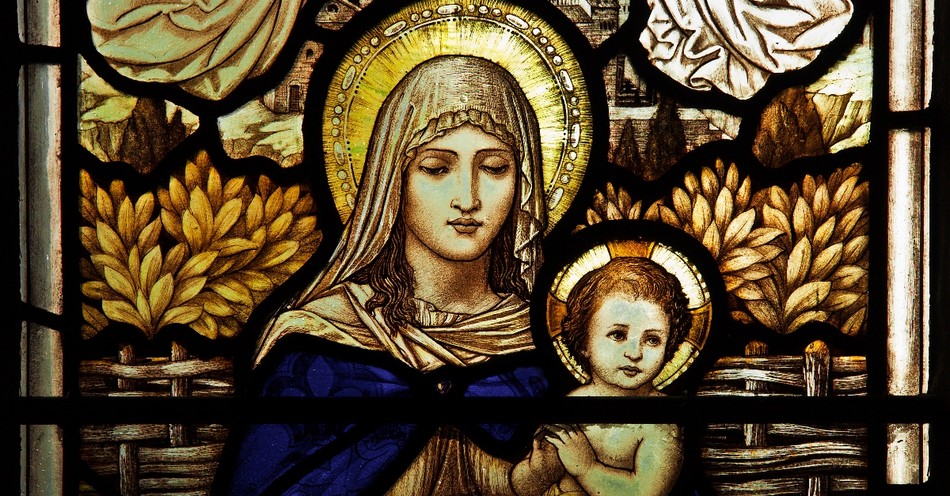
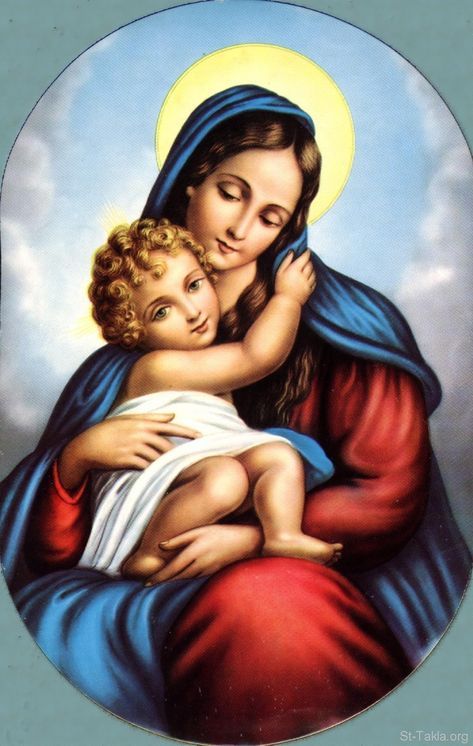
Mary in Art and Devotions: π¨ Throughout history, artists have depicted Mary in various forms, capturing her beauty, grace, and maternal love. From paintings to sculptures to music, these artistic representations help us connect with Mary on a deeper level. Additionally, devotions such as May crowning ceremonies and Marian processions allow us to express our love and veneration for Mary in a tangible way.
Conclusion: π In the journey of life, Mary, our Mother and Guide, offers us unwavering love, intercession, and guidance. Through her example and intercession, we can find solace and strength in the face of life's challenges. Let us embrace Mary as our spiritual mother, seeking her intercession and following her guidance on our path to holiness. How has Mary influenced your life, and how can her love and guidance help you navigate your own challenges? Share your thoughts and experiences below!