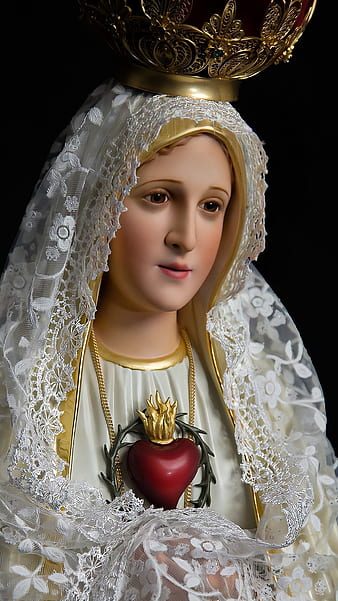
The Power of Consecration to the Immaculate Heart of Mary
Updated at: 2023-08-05 13:19:48 (3 years ago by Melkisedeck Leon Shine)
The Power of Consecration to the Immaculate Heart of Mary
๐น Have you ever considered the immense power that lies within the act of consecration to the Immaculate Heart of Mary? This beautiful devotion, rooted in the teachings of the Catholic Church, holds a profound spiritual significance for believers around the world. In this article, we will explore the reasons why consecration to the Immaculate Heart of Mary is such a powerful and transformative practice. Let us embark on this journey together, as we delve into the depths of this sacred devotion.
1๏ธโฃ The Immaculate Heart of Mary is a symbol of purity and love. Just as her heart was untouched by sin, it radiates with divine grace and compassion. By consecrating ourselves to her Immaculate Heart, we join in her mission of spreading love and holiness in the world.
2๏ธโฃ The act of consecration strengthens our relationship with the Blessed Virgin Mary. Through this devotion, we acknowledge her as our heavenly mother and entrust ourselves completely to her care. Just as a child finds comfort and security in the arms of its mother, we find solace and protection in the loving embrace of the Immaculate Heart.
3๏ธโฃ Consecration to the Immaculate Heart of Mary aligns us with the will of God. Mary's unwavering obedience to God's plan serves as an example for us to follow. By consecrating ourselves to her, we surrender our own wills and desires, allowing God's divine purpose to guide our lives.
4๏ธโฃ Our Lady's intercession is a powerful tool in our spiritual journey. As the Mother of God, Mary holds a unique closeness to her Son. When we consecrate ourselves to her Immaculate Heart, we invite her to intercede for us and bring our prayers before the throne of God.
5๏ธโฃ Mary's Immaculate Heart is a font of grace. Through our consecration, we open ourselves to receive the abundant graces that flow from her heart. These graces nourish our souls, strengthen our faith, and empower us to live virtuously.
6๏ธโฃ Consecration to the Immaculate Heart of Mary fosters a deep sense of devotion and love for our Blessed Mother. As we journey alongside Mary, our hearts are filled with a profound affection for her, and we come to understand her role as the spiritual mother of all humanity.
7๏ธโฃ By consecrating ourselves to the Immaculate Heart of Mary, we become instruments of her mission to bring all souls closer to God. Our lives, now united to her heart, become a testimony of faith and a witness to the transformative power of God's love.
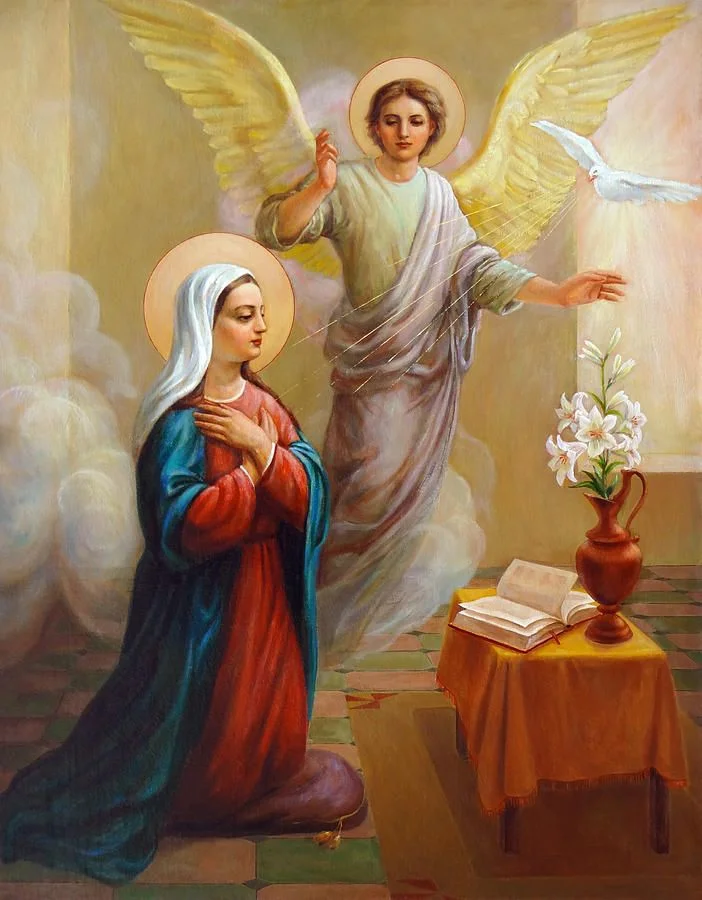
8๏ธโฃ Scripture reveals the significance of Mary's role in salvation history. In Luke 1:38, Mary says, "Behold, I am the handmaid of the Lord. May it be done to me according to your word." Her humble acceptance of God's will paved the way for our redemption through Jesus Christ.
9๏ธโฃ The Catechism of the Catholic Church emphasizes the importance of devotion to Mary, stating that "the Church rightly honors โthe Blessed Virgin with special devotion. From the most ancient times the Blessed Virgin has been honored with the title of "Mother of God"'" (CCC 971).
๐ Saints throughout history have attested to the power of consecration to the Immaculate Heart of Mary. St. Maximilian Kolbe, known for his devotion to Mary, once said, "Never be afraid of loving the Blessed Virgin too much. You can never love her more than Jesus did."
1๏ธโฃ1๏ธโฃ Our Lady of Fatima, in her appearances to the three shepherd children, emphasized the need for consecration to her Immaculate Heart as a means of attaining peace and salvation. Her message of love and repentance continues to touch hearts around the world.
1๏ธโฃ2๏ธโฃ The miraculous events at Lourdes, where the Blessed Virgin Mary appeared to St. Bernadette Soubirous, serve as a testament to the power of devotion to her Immaculate Heart. Countless healings and conversions have occurred at this sacred site, drawing people closer to God through Mary's intercession.
1๏ธโฃ3๏ธโฃ Through our consecration to the Immaculate Heart of Mary, we become partakers in the joys and sorrows of Mary's life. Just as she stood at the foot of the cross, we too are invited to unite our suffering with hers, finding strength and consolation in her maternal embrace.
1๏ธโฃ4๏ธโฃ As we deepen our devotion to the Immaculate Heart of Mary, we are transformed by her example of humility, purity, and obedience. We strive to imitate her virtues in our daily lives, drawing closer to holiness and becoming more Christ-like.
1๏ธโฃ5๏ธโฃ In conclusion, the power of consecration to the Immaculate Heart of Mary is undeniable. Through this devotion, we are drawn into a deeper relationship with our heavenly mother, receive abundant graces, and become active participants in her mission of love and salvation. Let us embrace this powerful practice, for it leads us closer to God and transforms our lives in profound ways.
What are your thoughts on the power of consecration to the Immaculate Heart of Mary? How has this devotion impacted your spiritual journey? Share your insights and experiences below.
Updated at: 2025-06-05 13:03:20 (1 year ago by Melkisedeck Leon Shine)
```htmlIntroduction: This paper explores the concept of Marian intercession within the framework of Roman Catholic theology and examines historical and contemporary instances attributed to her influence. Key concepts such as intercession (the act of pleading on behalf of another), miracle (an event defying natural laws attributed to divine intervention), and grace (divine assistance given to humans) will be analyzed within the context of established theological frameworks. We will explore reported instances of Marian intercession through various lenses, including sociological, psychological, and theological perspectives, employing a phenomenological approach to analyze subjective experiences.
1. The Theological Basis of Marian Intercession: The Catechism of the Catholic Church affirms Mary's unique role as the Theotokos (God-bearer) and her consequent position of honor and intercession. This doctrine, rooted in Christological and ecclesiological principles, positions Mary as a model of faith and an intercessor before God. This is supported by the understanding of the communion of saints, a key tenet of Catholic theology, where the faithful in Heaven intercede for those on Earth.
2. The Wedding at Cana as a Paradigm: The Gospel of John (2:1-12) presents the wedding at Cana as a foundational example of Marian intercession. Mary's appeal to Jesus exemplifies her compassionate advocacy for human needs. This event, interpreted through a lens of relational theology, highlights the efficacy of intercessory prayer within the Trinitarian framework. Applying this concept, one can see the effectiveness of prayer as a conduit for divine grace mediated through interpersonal relationships.
3. Marian Apparitions and the Miracle of the Sun at Fatima: The reported apparition of Mary at Fatima in 1917, culminating in the "Miracle of the Sun," exemplifies a collective experience attributed to divine intervention. Analyzing this event requires consideration of social psychology, potentially involving group suggestibility and collective belief systems. However, from a theological perspective, the event is interpreted as a manifestation of God's power mediated through Mary's intercession, intended to strengthen faith and encourage repentance.
4. Reported Instances of Healing and Protection: Numerous accounts document instances of healing and protection attributed to Mary's intercession. These reports, while subjective, illustrate the power of faith and the human need for comfort and solace in times of distress. Applying a psychological framework, one could posit the impact of positive expectancy and the placebo effect in contributing to perceived healing. Theologically, these experiences are viewed as instances of God's grace, potentially mediated through Mary's intercessory prayers.
5. Marian Intercession and Spiritual Transformation: Accounts of conversions and spiritual transformations attributed to Marian devotion showcase the influence of faith on personal transformation. This transformative power can be interpreted through various theological perspectives, highlighting the role of grace in fostering personal growth and spiritual maturity. This aligns with the concept of sanctification, a process of spiritual growth and transformation guided by Godโs grace.
6. The Rosary and Devotional Practices: The Rosary, a devotional practice deeply rooted in Marian piety, provides a structured framework for prayer and meditation on the life of Christ. The repetitive nature of the prayer, from a psychological perspective, can induce a state of contemplative prayer, fostering spiritual growth and deepening faith. Theologically, the act of prayer is viewed as a means of communicating with God and seeking His grace, further enhanced by the intention of seeking Mary's intercession.
7. The Witness of the Saints: The consistent devotion to Mary expressed by numerous saints throughout history underscores the enduring power of Marian intercession within the tradition of the Catholic Church. The lives of saints, like St. Maximilian Kolbe, demonstrate faith in action and highlight the perceived impact of Maryโs intercession. This reinforces the theological concept of the communion of saints and the potential for heavenly intercessory support.
8. The Magnificat and the Model of Humility and Faith: Mary's Magnificat (Luke 1:46-55) exemplifies her humility and unwavering faith in God's plan. This model of faith and surrender provides an example for believers seeking a deeper relationship with God. From a psychological perspective, embracing humility and faith may enhance psychological well-being. From a theological standpoint, it is a model of how to engage in intercessory prayer.
Conclusions and Recommendations: The analysis of Marian intercession reveals a complex interplay of theological doctrines, psychological factors, and sociological phenomena. While the empirical evidence for miracles remains contested, the subjective experiences reported highlight the significance of faith and the human need for spiritual solace and guidance. Further research might explore the correlation between Marian devotion and psychological well-being, utilizing quantitative and qualitative methodologies to analyze the impact of prayer and faith on individuals' lives. The theological exploration of Marian intercession could further enrich our understanding of the dynamics of divine grace and the role of intercessory prayer within the Christian faith. Such research would necessitate a careful consideration of both anecdotal and empirical evidence, employing rigorous methodologies to address the complexities of the subject matter. The application of various theoretical frameworks could offer a multifaceted understanding of this profound and deeply personal spiritual practice.
Reader Pool: How might a deeper understanding of the psychological and sociological factors surrounding reported instances of Marian intercession inform our theological interpretations of these experiences?
```
Updated at: 2025-06-05 12:25:57 (1 year ago by Melkisedeck Leon Shine)
Introduction: Defining Key Concepts
This discourse explores the theological and practical implications of consecrating marriages and families to the Blessed Virgin Mary. We will define consecration as a formal act of dedicating oneself, one's marital union, and one's family to Mary's maternal protection and guidance, recognizing her role as intercessor and spiritual mother within the Catholic tradition. We will examine this practice through the lens of various theological frameworks, including the concept of Marian intercession, the model of the Holy Family, and the transformative power of grace as understood within Catholic theology. The exploration will draw upon biblical examples, the teachings of the Catechism of the Catholic Church, and the lived experiences of Catholic saints. The aim is to provide a comprehensive understanding of the potential benefits and spiritual enrichment derived from Marian consecration for modern families.
Theological Underpinnings of Marian Consecration
The act of consecration to Mary stems from the fundamental Catholic belief in her unique role within the economy of salvation. The Catechism of the Catholic Church emphasizes Mary's perfect embodiment of the Church and her inseparable connection to the saving work of her Son (CCC 971). This foundational understanding supports the belief in her powerful intercession. This intercession, as exemplified in the wedding at Cana (John 2:1-11), demonstrates Mary's capacity to intervene in human affairs, bringing divine grace to bear on situations of need and distress. The concept of intercession here refers to Maryโs act of pleading on behalf of humanity before God, empowered by her divine motherhood and close relationship with Jesus Christ. This is not a belief in Mary possessing independent divine power, but a recognition of her unique position of influence.
The Holy Family as a Paradigm of Consecrated Life
The Holy Family, consisting of Mary, Joseph, and Jesus, serves as the archetypal model of a life consecrated to God. Their unwavering faith, mutual love, and dedication to the divine will provide a powerful example for contemporary families. Applying family systems theory, we can see the Holy Family as a functional system characterized by strong relational bonds, clear boundaries, and effective communication, all fostered by their deep faith. This model highlights the importance of a shared spiritual foundation in building strong, resilient family units. Through consecration to Mary, families seek to emulate this model, cultivating an atmosphere of love, faith, and obedience within their homes.
Marian Consecration and the Enhancement of Marital and Family Relationships
The practice of consecrating one's marriage and family to Mary offers numerous potential benefits, strengthening the bonds of unity and love. Within the context of marital and family therapy, consecration can be viewed as a commitment to a shared spiritual journey, providing a common framework for navigating challenges and fostering resilience. This shared faith can enhance communication, empathy, and conflict-resolution skills. By drawing upon Mary's example of humility, obedience, and unwavering faith, couples can learn to approach their marital relationship with greater selflessness and mutual respect. Furthermore, the shared commitment to Mary's intercession fosters a deeper sense of belonging and spiritual support within the family.
Spiritual Growth and the Reception of Grace
Consecration to Mary is not merely a ritualistic act but a pathway to spiritual growth and the reception of divine grace. According to Catholic theology, Mary's intercession acts as a conduit for God's grace, facilitating blessings and spiritual progress. The concept of grace, in this context, refers to Godโs freely given gift of divine assistance enabling spiritual growth. This grace manifests in various ways, including the strength to overcome challenges, deeper appreciation for one another, and increased capacity for selfless love. Through prayer and devotion to Mary, families can cultivate an environment conducive to personal transformation and spiritual enrichment.
The Legacy of the Saints and the Power of Example
Throughout history, countless saints have exemplified the transformative power of devotion to Mary. Saints like Maximilian Kolbe, who consecrated his life to the Immaculate Heart of Mary, serve as inspiring examples of unwavering faith and selfless service. These examples demonstrate the tangible impact of Marian consecration on individual lives and the broader world. The saintsโ lives highlight the potential for personal transformation and the ability to channel oneโs devotion into actions of compassion and sacrifice. Their experiences serve as encouragement and inspiration to those considering embarking on a similar path of consecration.
Conclusion and Recommendations
The practice of consecrating marriages and families to Mary, rooted in rich theological tradition and exemplified by the lives of saints, offers a powerful pathway to spiritual growth, marital enrichment, and familial unity. The evidence suggests that this practice facilitates enhanced communication, improved conflict resolution, increased resilience, and a deeper sense of spiritual connection. Further research could explore the empirical effects of Marian consecration on marital satisfaction, family well-being, and the spiritual lives of individuals and families. Qualitative studies, involving in-depth interviews with families practicing Marian consecration, could illuminate the lived experiences and benefits associated with this devotional practice. This research could inform the development of pastoral resources and support programs that encourage and guide families in their journey of consecration. The positive impact of Marian consecration is multifaceted, extending beyond individual spiritual benefits to enhance family dynamics and strengthen the community. The long-term influence on society could be substantial, fostering stronger families, more compassionate communities, and ultimately, a more devout and faith-filled world. It is crucial that this practice be understood within its proper theological context, emphasizing Mary's role as intercessor rather than attributing to her any divine power.
Reader Pool:
Considering the theoretical and practical aspects discussed, how might a comprehensive evaluation of Marian consecrationโs impact on modern families be designed to ensure both theological accuracy and methodological rigor?
Updated at: 2023-08-05 13:19:30 (3 years ago by Melkisedeck Leon Shine)
The power of the Holy Rosary and Mary's mediation is a beautiful and profound aspect of the Catholic faith. ๐โจ It is through the Rosary, a prayer that centers on the life of Jesus and Mary, that we can experience the intercession of the Blessed Virgin Mary and the immense power it holds in our spiritual lives. Let us delve into the significance of the Holy Rosary and how Mary's mediation can transform our relationship with God and bring us closer to His divine grace.
The Holy Rosary is a powerful weapon against evil. ๐น๐ก๏ธ In the Gospels, we see Jesus being tempted by the devil in the desert, and He overcomes these temptations through the power of prayer. By praying the Rosary, we can follow in Jesus' footsteps and seek protection from the snares of the evil one.
Mary, as the Mother of God, holds a unique place in our faith. In Luke 1:28, the angel Gabriel greets Mary with the words, "Hail, full of grace, the Lord is with you!" This shows us that Mary was chosen by God for a special purpose and was filled with divine grace from the moment of her conception.
The Rosary allows us to meditate on the life of Jesus and Mary. Each set of mysteries - Joyful, Sorrowful, Glorious, and Luminous - helps us to reflect on different aspects of their lives and the profound mysteries of our faith. This meditation brings us closer to the heart of Jesus and the love of Mary.
When we pray the Rosary, Mary becomes our loving advocate and intercessor. She takes our prayers and presents them to Jesus on our behalf. Just as she interceded for the couple at the wedding in Cana (John 2:1-11) and asked Jesus to perform His first miracle, she intercedes for us in our needs.
Mary's mediation is not a distraction from Jesus, but rather a means of drawing closer to Him. She always points us to her Son and encourages us to follow His teachings. She is like a loving mother who guides and supports us on our journey towards heaven.
The Rosary is a form of contemplative prayer. As we recite the prayers and meditate on the mysteries, we enter into a state of quiet reflection and allow the Holy Spirit to speak to our hearts. It is during these moments that we can receive spiritual insights and experience God's presence in a profound way.
The Catechism of the Catholic Church teaches us about Mary's role as mediator and intercessor. In paragraph 2677, it states, "By asking Mary to pray for us, we acknowledge ourselves to be poor sinners and we address ourselves to the 'Mother of Mercy,' the All-Holy One." We can have full confidence that Mary will bring our prayers before the throne of God's mercy.
Throughout history, countless saints have attested to the power of the Rosary and Mary's intercession. Saint Padre Pio once said, "The Rosary is the weapon for these times." Saints such as Saint Louis de Montfort, Saint Dominic, and many others have encouraged devotion to the Rosary as a means of deepening our faith and encountering the love of God.
Mary's mediation is not limited by time or distance. She is present to all who call upon her, regardless of where they may be. Just as she appeared to the children at Fatima and Lourdes, she continues to manifest her motherly care for us today.
The Rosary is a prayer that can be said by anyone, at any time, and in any place. Whether we are alone or in a group, the Rosary has the power to unite us as a community of believers and strengthen our bond with God and one another.
The repetition of the Hail Marys in the Rosary helps us to enter into a state of contemplation. It allows us to focus our minds and hearts on the mysteries of Jesus' life and the love of Mary.
Mary's mediation extends to all aspects of our lives, including our physical, emotional, and spiritual well-being. Just as she cared for Jesus throughout His life, she cares for each one of us as her children.
The Rosary is a source of comfort and solace in times of difficulty or sorrow. When we are faced with challenges and struggles, turning to Mary and praying the Rosary can bring us peace and consolation.
Mary's role as the New Eve is beautifully described in the Catechism of the Catholic Church (CCC 968): "In her, the 'wonders of God' that the Spirit was to fulfill in Christ and the Church began to be manifested." Through her obedience and faithfulness, Mary cooperated with God's plan for the redemption of humanity.
Ultimately, the power of the Holy Rosary and Mary's mediation lies in the love and grace of God. It is through His infinite mercy that He has given us Mary as a mother and advocate. By embracing devotion to the Rosary and seeking Mary's intercession, we open ourselves to the abundant blessings and graces that flow from the heart of God.
In conclusion, the Holy Rosary and Mary's mediation are powerful tools in our spiritual journey. ๐น๐ Let us embrace this gift from God and allow Mary, our loving mother, to guide us closer to Jesus. Have you experienced the power of the Rosary and Mary's intercession in your own life? What are your thoughts on this profound aspect of our faith?
Updated at: 2025-06-05 12:22:06 (1 year ago by Melkisedeck Leon Shine)
```htmlIntroduction: Defining Key Concepts
Within the theological landscape of Christianity, the Virgin Mary occupies a pivotal position as the Theotokos (Mother of God). Her unwavering faith, demonstrated through her "fiat" (her "yes" to God's plan), serves as a profound example of surrender and obedience. This exploration delves into the theological implications of Mary's actions, examining them through the lens of key concepts: kenosis (self-emptying), theosis (deification), and the principle of divine initiative. We will analyze how these concepts illuminate Mary's example and their application in contemporary Christian life. We will further investigate the implications of Marian devotion within the context of ecclesiology (the study of the Church).
1. Humility as Foundational Virtue: A Kenotic Act
Mary's "fiat" is inextricably linked to her profound humility. This humility, a characteristic often highlighted in theological discourse, represents a kenotic act. By embracing her role without seeking personal aggrandizement, Mary exemplifies the self-emptying described in Philippians 2:7. This self-emptying allows for the fullness of Godโs grace to operate within her, preparing the way for the incarnation. This parallels the concept of kenosis, a critical element in Christology (the study of Christ). Applying this to contemporary life requires recognizing our limitations and surrendering to God's plan, even when it contradicts our personal desires.
2. Total Surrender to the Divine Will: Embracing the Divine Initiative
Mary's response to the angel Gabriel, "Behold, I am the handmaid of the Lord; let it be to me according to your word" (Luke 1:38), epitomizes complete surrender. This act of faith highlights the principle of divine initiativeโGodโs active involvement in human history and individual lives. By accepting Godโs plan, Mary models a posture of receptivity to the divine will, acknowledging Godโs sovereignty and active participation in her life. This directly contrasts with an anthropocentric worldview (human-centered). In practical terms, this means actively seeking God's guidance through prayer and discernment, trusting that His plan, even amidst uncertainty, is ultimately for our good.
3. Obedience as a Manifestation of Faith: Theosis Through Obedience
Mary's unwavering obedience reflects a deep faith that transcends human understanding. Her obedience, which manifested in the challenges of bearing the Christ child and nurturing him, is not merely passive compliance, but active participation in Godโs redemptive plan. This active obedience contributes to the process of theosis โ the process of becoming more like God โ as she actively participates in the divine plan, mirroring Christ's own obedient submission to the Fatherโs will. In contemporary life, this calls us to active obedience, not simply following rules, but aligning our lives with Christโs teachings and seeking to embody His love and compassion in our daily actions.
4. Marian Piety and Scriptural Exegesis: Case Study: The Wedding at Cana
The Wedding at Cana (John 2:1-11) provides a compelling example of Mary's continued faith and obedience. Her intercession illustrates her role as intercessor and her profound understanding of her Son's ministry. This episode underscores the importance of prayerful intercession and trusting in God's ability to work miracles, even in seemingly mundane circumstances. This narrative illustrates the active role of faith and prayer in transforming life circumstances. Understanding this from an exegetical perspective reinforces the concept of prayer and intercession in actively engaging with Godโs will.
5. Ecclesiological Implications: Mary as Model for the Church
The Catechism of the Catholic Church accurately reflects Mary's role as the model of faith and charity for the Church (CCC 967). Her "fiat" demonstrates a total commitment to Godโs will, embodying the Churchโs mission to proclaim the Gospel. Mary, therefore, serves as a foundational figure in ecclesiology, representing the Church's ideal posture of obedience, faith, and service to God and humanity. This model is applicable to modern Christians and their communities, challenging them to emulate Maryโs dedication to Godโs plan within the context of a global Church.
6. Marian Devotion and the Lives of the Saints: A Historical Perspective
Numerous saints throughout history have emulated Mary's virtues of surrender and obedience. Saints like Therese of Lisieux and Maximilian Kolbe demonstrate the enduring influence of Mary's example on Christian spirituality. Their lives provide practical examples of how Mary's "fiat" can inspire personal holiness and sacrificial service to others. Analyzing the lives of these saints provides valuable insights into the practical application of Marian spirituality and its impact on shaping the lives of believers.
7. Strength in Surrender: Paradox of Control and Trust
Surrender to God's will is not an abdication of responsibility but rather a profound act of trust in His providential care. It involves relinquishing control of outcomes while actively participating in God's plan. This paradox highlights the importance of embracing uncertainty, trusting that God works within and through our circumstances, ultimately guiding us towards His purposes. This understanding combats the contemporary obsession with control, encouraging faith and trust in the face of uncertainty.
8. Obedience as an Act of Love: Reframing Obedience
Obedience, often perceived negatively, reveals itself as an act of love when viewed within the context of Mary's example. Her obedience stems from a deep love for God and a desire to fulfill His will. Therefore, obedience becomes a pathway to freedom and fulfillment, liberating us from the constraints of self-will and directing us toward a life of purpose and meaning. This re-evaluation of obedience counters a potentially legalistic perspective and emphasizes obedience as a loving response to Godโs invitation.
9. Mary as Intercessor and Loving Mother: The Role of Intercession
The Catholic tradition venerates Mary not only as the Mother of God, but also as our loving mother who intercedes for us. Her intercession underscores the importance of seeking Godโs help through prayer and reflecting Maryโs maternal care and protective love for her children. This reinforces the importance of community and spiritual support, demonstrating that our faith journey is not a solitary endeavor.
Conclusion and Recommendations
Mary's "fiat" offers a potent model of faith, humility, and obedience for contemporary Christians. Her example challenges us to embrace kenosis, surrender to divine initiative, and seek theosis through active obedience to God's will. Further research should explore the intersection of Marian devotion and contemporary social justice issues, examining how Mary's example can inspire social action and compassionate service. The implications of Mary's example extend beyond personal spirituality, informing ecclesiology, Christology, and ethical decision-making. The practical application of these principles demands a continuous reflection on our own lives and a commitment to aligning our actions with the divine plan. The transformative power of surrender and obedience, as demonstrated by Mary, remains relevant and essential for navigating the complexities of the modern world.
Reader Pool:
Considering the multifaceted nature of Mary's "fiat" and its implications for contemporary Christian life, how can we effectively communicate its significance and relevance to a diverse audience in the 21st century?
```
Updated at: 2025-06-05 10:02:40 (1 year ago by Melkisedeck Leon Shine)
The Rosary: A Marian Contemplative Practice and its Theological Significance
Introduction: Defining Key Concepts
This essay explores the Rosary, a Catholic devotional practice, examining its theological underpinnings and spiritual efficacy. We will analyze its structure, focusing on the various sets of mysteries and their symbolic significance within the broader context of Marian theology and Christology. Key concepts include Marian devotion, the understanding of Mary's role in salvation history; Christocentricity, emphasizing Christ as the central figure; and contemplative prayer, a method of prayer focused on reflective meditation and union with God. We will draw upon relevant theological principles and models, including the concept of intercessory prayer and the role of the sacraments in the Catholic faith. The application of these concepts will be demonstrated through an analysis of the Rosary's structure and its impact on spiritual development.
The Structure and Significance of the Rosary Mysteries
The Rosary's structure is based on a cyclical pattern of prayers, primarily the Hail Mary, interwoven with meditations on specific events in the life of Jesus Christ, known as the Mysteries. This repetitive structure facilitates contemplative prayer, allowing for a deeper engagement with the narrative of salvation. The traditional mysteries are categorized into Joyful, Sorrowful, Glorious, and Luminous sets. Each set provides a unique lens through which to understand Christ's life, death, and resurrection. The Joyful Mysteries focus on the Incarnation and its immediate aftermath, highlighting God's grace and Mary's role in the divine plan. The Sorrowful Mysteries, conversely, emphasize the suffering of Christ, underscoring the significance of his sacrifice for humanity. The Glorious Mysteries celebrate the triumph of Christ over death and the promise of eternal life, drawing upon themes of resurrection and ascension. Finally, the Luminous Mysteries, added by Pope John Paul II, illuminate the public ministry of Jesus, emphasizing specific events that reveal his identity and mission.
Mary's Role as Intercessor and Spiritual Guide
The Rosaryโs structure integrates Marian devotion inherently. The recitation of the Hail Mary, a prayer invoking Mary's intercession, underscores her role as a model of faith and a powerful intercessor before God. This aligns with the theological concept of mediatrix, where Mary, as Mother of God, assists in bringing humanity closer to Christ. The Rosary's meditative structure facilitates personal reflection on Mary's life and her relationship with Jesus, allowing for emulation of her virtues and a deepening appreciation of her maternal role within the context of Christian faith. This resonates with theological models that emphasize the importance of spiritual mentorship and the emulation of virtuous figures.
The Rosary and Contemplative Prayer: A Path to Spiritual Transformation
The Rosary's repetitive structure and focus on meditative reflection facilitate contemplative prayer. The systematic engagement with the mysteries and the rhythmic repetition of prayers promote a state of mindfulness and interiority, allowing for a deeper connection with God and a heightened awareness of His presence in daily life. This aligns with the principles of contemplative prayer, which seeks to cultivate a deep communion with the divine through a process of reflective meditation and self-emptying. Regular practice of the Rosary can foster spiritual growth, leading to increased faith, hope, and love, thereby transforming the individual's relationship with God and others.
Biblical and Theological Foundations of Marian Devotion
The theological basis for Marian devotion is rooted in scripture and tradition. The Annunciation narrative (Luke 1:26-38) highlights Maryโs pivotal role in the Incarnation, while other biblical passages and patristic writings emphasize her unique status as the Mother of God. Doctrines such as the Immaculate Conception and the Assumption further solidify the understanding of Maryโs sanctity and her privileged position within the economy of salvation. These beliefs are supported by centuries of Catholic tradition and theological reflection, shaping the devotional practices, including the Rosary, that express veneration towards Mary. This historical context is crucial for understanding the significance of the Rosary within the broader framework of Catholic belief.
The Rosary in the Context of Catholic Tradition and Sainthood
The Rosary is deeply embedded in Catholic tradition and has been championed by numerous saints and theologians throughout history. Figures like Saint Louis de Montfort and Saint Teresa of Calcutta have testified to its spiritual efficacy and transformative power. Their writings and experiences illustrate the Rosary's capacity to deepen one's faith, provide solace in times of trial, and serve as a powerful tool for spiritual warfare, reinforcing the importance of this devotional practice within the broader context of Catholic spirituality. The historical witness of these figures strengthens the understanding of the Rosary's efficacy and supports its continued relevance in contemporary spiritual practice.
Conclusions and Recommendations
The Rosary, viewed through a theological lens, emerges not simply as a repetitive prayer, but as a potent tool for spiritual growth and transformation. Its structure facilitates contemplative prayer, allowing for deeper engagement with the life, death, and resurrection of Christ and the role of Mary in salvation history. The systematic meditation on the mysteries offers a rich tapestry of spiritual insights, fostering a closer relationship with both Jesus and Mary. Future research could explore the psychological and neurological effects of contemplative practices like the Rosary, investigating its impact on stress reduction, emotional well-being, and cognitive function. This could provide valuable insights into the multifaceted benefits of this traditional devotional practice. Promoting the Rosary as a means of contemplative prayer could enhance spiritual formation initiatives within various pastoral contexts.
Reader Pool:
Considering the theological framework presented, how might a deeper understanding of the Rosary's structure and symbolism contribute to a more meaningful and enriching spiritual practice?
Updated at: 2023-08-05 13:19:36 (3 years ago by Melkisedeck Leon Shine)
Mary's Visitation: An Encounter of Joy and Blessings
๐๐
In the Christian faith, one of the most beautiful moments in the life of the Virgin Mary is her visitation to her cousin Elizabeth. This encounter between two women filled with divine grace is a source of immense joy and blessings for all believers. Let us explore this significant event from a Christian Roman Catholic perspective and reflect on its spiritual significance.
Mary's visitation to Elizabeth was a moment of great joy for both women. Imagine the delight they must have felt as they greeted each other, knowing that they were both chosen by God for a special purpose. As Luke 1:41-42 states, "When Elizabeth heard Mary's greeting, the baby leaped in her womb, and Elizabeth was filled with the Holy Spirit. In a loud voice she exclaimed: 'Blessed are you among women, and blessed is the child you will bear!'"
This encounter between Mary and Elizabeth was also a testament to God's faithfulness and fulfillment of His promises. It was a confirmation that Mary was indeed carrying the Son of God. Elizabeth proclaimed in Luke 1:45, "Blessed is she who has believed that the Lord would fulfill his promises to her!"
The Visitation is a beautiful example of the importance of community and support among believers. Mary, in her humility, did not keep her joy and blessings to herself but shared them with her cousin Elizabeth. This teaches us the value of sharing our faith and blessings with others.
In the act of visiting Elizabeth, Mary also showed us the importance of humility and service. Despite being pregnant with the Son of God, she humbly served her cousin and helped her in her time of need. Let us remember the words of Jesus in Matthew 23:12, "For those who exalt themselves will be humbled, and those who humble themselves will be exalted."
The Visitation reminds us of the sanctity of life and the dignity of the unborn. Elizabeth's unborn child, John the Baptist, recognized the presence of Jesus in Mary's womb. This event foreshadows the recognition of Jesus as the Messiah by John later in life. It emphasizes the value and significance of every life, even in its earliest stages.
The encounter between Mary and Elizabeth also reveals the power of the Holy Spirit in our lives. Elizabeth was filled with the Holy Spirit, and her unborn child leaped in her womb. This shows us that the Holy Spirit can work miracles even before birth and that we should always be open to the workings of the Spirit in our lives.
The Visitation was a moment of prophetic proclamation. Elizabeth, filled with the Holy Spirit, proclaimed the blessedness of Mary among women and the blessedness of the child she carried. This highlights the role of prophecy in God's plan and the importance of proclaiming His truth.
The Visitation is a source of inspiration and encouragement for all believers. It reminds us that God chooses ordinary people to carry out His extraordinary plans. Mary, a young and humble woman, was chosen to bear the Son of God. This should give us hope that God can use each one of us for His divine purposes.
The encounter between Mary and Elizabeth is a reflection of the loving and supportive relationships that exist within the Body of Christ. It encourages us to build strong bonds of love and support within our faith communities.
The Visitation also teaches us the importance of discernment and obedience to God's will. Mary, upon receiving the news that she would conceive the Son of God, willingly accepted God's plan for her life. This challenges us to trust in God's plan for us and to be obedient to His will.
The visitation is an invitation to rejoice in the Lord and to give Him thanks for the blessings He bestows upon us. Just as Mary and Elizabeth praised God for His goodness, we too should lift our voices in praise and thanksgiving.
The Visitation reminds us that God's blessings are not limited to our own lives but extend to those around us. Mary's visit to Elizabeth brought blessings not only to Elizabeth but also to her unborn child, John the Baptist. Our acts of love and kindness can have a ripple effect, touching the lives of those we encounter.
This encounter between Mary and Elizabeth also highlights the importance of intercession and prayer. Mary's presence brought joy and blessings to Elizabeth and her child. We can follow her example by interceding for one another and praying for God's blessings upon those in need.
The Visitation teaches us the importance of recognizing and celebrating the presence of Christ in one another. Just as Elizabeth recognized the presence of Jesus in Mary's womb, we are called to see Christ in our brothers and sisters, treating them with love and dignity.
This encounter between Mary and Elizabeth invites us to reflect on our own lives and consider how we can bring joy and blessings to others through our actions and words. Let us ask ourselves: How can we be vessels of God's grace and love in the world?
As we delve into the spiritual significance of Mary's Visitation, we are reminded of the blessings that flow from our encounters with God and one another. It is an invitation to rejoice, to serve, to love, and to be humble. May we follow in the footsteps of Mary, embracing God's plan for our lives and sharing the joy and blessings that come from encountering Him.
What are your thoughts on Mary's Visitation? How does this encounter inspire you in your own spiritual journey? Share your opinions and reflections below. ๐บ๐
Updated at: 2025-06-27 10:09:23 (1 year ago by Melkisedeck Leon Shine)
Mary as the New Eve: Restoring Humanity's Relationship with God
Introduction: A Theological Exploration of Marian Theology
This essay explores the pivotal role of Mary, the mother of Jesus, within Catholic theology, specifically examining her significance as the "New Eve." This concept rests on the juxtaposition of Eve's actions in the Garden of Eden, leading to humanity's estrangement from God, and Mary's actions, which facilitate humanity's reconciliation with the divine. Key concepts central to this analysis include the Immaculate Conception, Mary's fiat, and her role as intercessor, all viewed through the lens of theological anthropology and soteriology (the study of salvation). We will analyze these through the application of relevant theological principles and models, demonstrating their practical impact on the believer's spiritual journey.
The Immaculate Conception: A Foundation of Purity
The doctrine of the Immaculate Conception posits that Mary was conceived without original sin. This unique state of grace, absent in all other humans except Jesus, is crucial. It establishes Mary as a fitting vessel for the Incarnation โ the embodiment of God in human form. This concept aligns with the theological principle of prevenient grace, suggesting a divine preparation paving the way for Christ's arrival. The Immaculate Conception, therefore, isn't merely a historical event but a theological necessity, highlighting God's proactive role in initiating humanity's redemption.
Mary's Fiat: Obedience as the Counterpoint to Disobedience
Mary's "fiat" โ "Let it be to me according to your word" (Luke 1:38) โ stands in stark contrast to Eve's disobedience. This act of complete surrender to God's will, exemplified in her acceptance of the Annunciation, represents a pivotal moment in salvation history. This can be analyzed through the lens of virtue ethics, emphasizing the significance of obedience as a cardinal virtue, crucial for the success of God's plan. Mary's obedience reverses the course of human history, initiating a new covenant based on faith and love, rather than on rebellion and self-will.
The Annunciation and the Incarnation: Reversal of the Fall
The Annunciation, the moment Gabriel announces Mary's role in bearing the Son of God, is presented theologically as a direct counterpoint to the Fall in the Garden of Eden. While Eve's disobedience brought sin and death, Mary's obedience initiates the triumph over sin and death through the Incarnation. This signifies a powerful reversal of the narrative of humanity's relationship with God, from separation to reconciliation. This parallels the concept of "kenosis," the self-emptying of God in becoming human, mirroring Maryโs self-giving in her fiat.
Mary as Intercessor: Advocate for Humanity
Throughout scripture and tradition, Mary is depicted as an intercessor, advocating for humanity before God. Her role at the wedding at Cana (John 2:1-11), where she prompts Jesus' first miracle, illustrates her compassionate concern for humanityโs needs. This resonates with the concept of mediatorship within Christian theology, where Mary acts as a bridge, facilitating communication and petitioning for grace and mercy on behalf of humanity. This mediating role is not meant to replace Christ's role as sole mediator, but it complements and amplifies His saving work.
Mary as Mother of the Church: Spiritual Motherhood
Jesus' entrusting of Mary to John, and by extension to the whole of humanity ("Woman, behold your son" John 19:26-27), establishes Mary as the spiritual Mother of the Church. This concept of spiritual motherhood reflects Maryโs role as nurturing and guiding the faithful on their journey toward God. This spiritual maternity is not a biological one but a spiritual bond, emphasizing her continuous guidance, protection, and intercession for believers in their spiritual lives.
Marian Titles: Reflecting Diverse Aspects of Her Role
Various titles attributed to Mary, such as "Queen of Heaven and Earth," "Blessed Virgin Mary," and others, each highlight a different facet of her role within the theological framework of the Catholic Church. These titles reveal a layered understanding of Maryโs significance, expressing her unique relationship with God and her crucial role in the redemptive work of Christ. They serve as theological affirmations reflecting the richness and depth of Marian devotion across centuries and theological traditions.
Mary's Assumption: A Glimpse of Eternal Life
The dogma of the Assumption, stating that Mary was taken body and soul into Heaven, signifies the ultimate reward for her faith and obedience. It stands as a powerful symbol of the hope of eternal life for all believers and exemplifies the triumph of grace over death, further demonstrating that the promise of salvation is ultimately victorious.
Devotions such as the Rosary: A Path to Spiritual Growth
Devotions like the Rosary, which involve meditating on the mysteries of Christ's life through the lens of Mary's experience, provide structured opportunities for spiritual growth and prayer. This highlights the importance of contemplative practices in nurturing the relationship between God and humanity, and underscores Mary's role as a model of faith and contemplation.
The Catechism and Sainthood: Affirmations of Theological Understanding
Both the Catechism of the Catholic Church and the testimonies of numerous saints reaffirm the significance of Mary's role in salvation history. These provide consistent theological articulation and personal witness, solidifying the doctrinal position within the larger context of Catholic belief and practice.
Conclusion and Recommendations: Implications and Future Research
Mary's role as the New Eve provides a powerful theological framework for understanding humanity's restoration with God. Her example of complete obedience, coupled with her compassionate intercession, offers a model of faith and devotion for believers today. Further research could explore the comparative analysis of Mary's role across different Christian denominations and traditions, offering a broader interfaith perspective on her significance. Additionally, investigating the impact of Marian devotion on various aspects of Christian life, such as social justice and ethical decision-making, would prove insightful. Finally, examining the psychological and spiritual benefits of Marian devotion and prayer on personal well-being could open new avenues of interdisciplinary research.
Reader Pool: What are the potential limitations or challenges in applying the โNew Eveโ paradigm to contemporary understandings of gender and equality within theological discussions?
Updated at: 2023-08-05 13:20:21 (3 years ago by Melkisedeck Leon Shine)
Title: The Miracles and Graces Received Through Mary's Intercession ๐น
Introduction: In the realm of Christian spirituality, the intercession of the Virgin Mary is fervently sought after by believers worldwide. Throughout history, countless miracles and graces have been attributed to her powerful intercession. As a devout Roman Catholic, I wholeheartedly believe in the remarkable influence of Mary, the Mother of God, in our lives. Let us explore some astounding examples that showcase the wonders brought forth through her intercession.
The Wedding at Cana: One of the most notable instances of Mary's intercession is found in the Gospel of John. At the wedding in Cana, Jesus performed His first miracle, turning water into wine, at the request of His mother. This beautiful event reveals Mary's role as a compassionate advocate for humanity, and her ability to beseech her Son on our behalf. ๐ท (John 2:1-12)
The Miracle of the Sun: In 1917, in the small Portuguese town of Fatima, the Virgin Mary appeared to three young shepherd children, Lucia, Francisco, and Jacinta. During her final visit, known as the "Miracle of the Sun," thousands witnessed the sun dance in the sky, seemingly defying all laws of nature. This extraordinary event demonstrated Mary's ability to manifest miracles as a sign of her divine presence and intervention. โ๏ธ
Protection and Healing: Throughout history, countless testimonies speak of Mary's protective and healing intercession. From physical ailments to emotional distress, many have experienced miraculous recoveries through her grace. Her compassionate heart reaches out to those in need, offering solace and restoration. ๐ฟ
Conversion of Souls: Mary's intercession is also credited with numerous conversions and transformations of hearts. Through her love and prayers, those lost in darkness have found the path to Christ. Her influence extends beyond physical healing, as she guides souls towards reconciliation, forgiveness, and salvation. ๐ (Luke 1:46-55)
The Rosary: The Rosary, a beloved devotion in the Catholic Church, is closely associated with Mary's intercession. This powerful prayer allows us to meditate on the life of Christ while seeking Mary's intercession for our intentions. Countless miracles have been attributed to the recitation of the Rosary, strengthening our faith and deepening our connection with both Mary and Jesus. ๐ฟ
The Catechism of the Catholic Church: According to the Catechism, Mary's role as the Mother of God is unique and central to our faith. She is honored as the "Mother of the Church" and her intercession is regarded as a powerful means of obtaining God's grace. Mary's perpetual virginity and her title as "Blessed Virgin" are deeply rooted in Catholic teachings and traditions. ๐ (CCC 963)
Saints' Devotion to Mary: Throughout history, numerous saints have expressed their devotion to Mary and the miracles they experienced through her intercession. St. Maximilian Kolbe, known for his selfless sacrifice in Auschwitz, had a deep love for the Virgin Mary. He attributed his miraculous escape from death row to her intercession. Saints such as St. Padre Pio and St. Teresa of Calcutta also had unwavering faith in Mary's powerful advocacy. ๐
The Magnificat: The Magnificat, found in the Gospel of Luke, showcases the depth of Mary's spirituality and her profound humility. This beautiful prayer reveals her complete surrender to God's will and her unwavering trust in His plan. By imitating Mary's humility and faith, we can open our hearts to receive the graces and miracles she so generously bestows. (Luke 1:46-55)
Conclusion: Mary, the Mother of God, holds a special place in the hearts of Roman Catholics worldwide. Her intercession has proven to be a source of miracles and graces, transforming lives and deepening our faith. As we reflect on the numerous biblical examples, the teachings of the Church, and the testimonies of saints, it becomes evident that Mary's intercession is a powerful gift from God. Let us turn to her with confidence and love, seeking her aid in times of need. Have you experienced any miracles or graces through Mary's intercession? Share your thoughts and experiences!
Updated at: 2023-08-05 13:19:27 (3 years ago by Melkisedeck Leon Shine)
๐นMary's Role in the Life of the Church๐น
Mary, the beloved Mother of God, holds a very special place in the life of the Church. Her significance cannot be understated, as she occupies a central role in the spiritual journey of every Christian. Let us explore the multifaceted aspects of Mary's role within the Church and how she continues to inspire and guide us today.
1๏ธโฃ Mary's Immaculate Conception: From the moment of her conception, Mary was preserved from the stain of original sin. This unique privilege granted to her by God shows her special role as the vessel through which Jesus would enter the world. As stated in the Catechism of the Catholic Church, "The most Blessed Virgin Mary was, from the first moment of her conception, by a singular grace and privilege of Almighty God and by virtue of the merits of Jesus Christ, Savior of the human race, preserved immune from all stain of original sin" (CCC 491).
2๏ธโฃ Mary's "Yes" to God: Mary's unwavering faith and obedience to God's will are exemplary. When the angel Gabriel appeared to her, Mary selflessly accepted her role as the Mother of God by saying, "Behold, I am the handmaid of the Lord; let it be done to me according to your word" (Luke 1:38). Her willingness to fulfill God's plan serves as an inspiration for all believers to submit to His will with humility and trust.
3๏ธโฃ Mary, Mother of Jesus and the Church: As the Mother of Jesus, Mary holds a unique position as the Mother of the Church. At the foot of the cross, Jesus entrusted His beloved disciple, John, and all of humanity to the care of His Mother. Through this act, Jesus established a spiritual bond between Mary and the Church, emphasizing her role in our lives as our spiritual mother. Just as Mary cared for Jesus during His earthly life, she continues to intercede for us and guide us on our journey towards salvation.
4๏ธโฃ Mary, the Mediatrix of All Graces: The Catholic Church teaches that Mary, as the Mother of God, plays a vital role in the distribution of God's graces to His people. Through her intercession, Mary continuously brings our prayers and petitions before her Son. This belief is deeply rooted in biblical and historical evidence, as exemplified in the wedding at Cana when Mary implored Jesus to perform His first public miracle (John 2:1-11). Mary's intercession led to the turning of water into wine, a sign of the abundant graces poured out upon us through her motherly care.
5๏ธโฃ Mary's Assumption: The Assumption of Mary, body and soul, into Heaven is a dogma of faith in the Catholic Church. This teaching affirms that, at the end of her earthly life, Mary was taken up to Heaven by God's power. The Church's belief in the Assumption underscores Mary's unique role in salvation history and her intimate union with her Son. It also serves as a reminder of the glory that awaits all faithful souls who persevere in their journey towards God.
In conclusion, Mary's role in the life of the Church is profound and encompasses various aspects. She is the Immaculate Conception, the humble servant who said "Yes" to God's plan, the Mother of Jesus and the Church, the Mediatrix of All Graces, and the Assumed Queen of Heaven. Her unwavering faith, love, and intercession continue to inspire and guide Christians worldwide. Let us honor our beloved Mother Mary and seek her intercession in our journey of faith.
What are your thoughts on the role of Mary in the life of the Church? How has she impacted your spiritual journey? ๐น