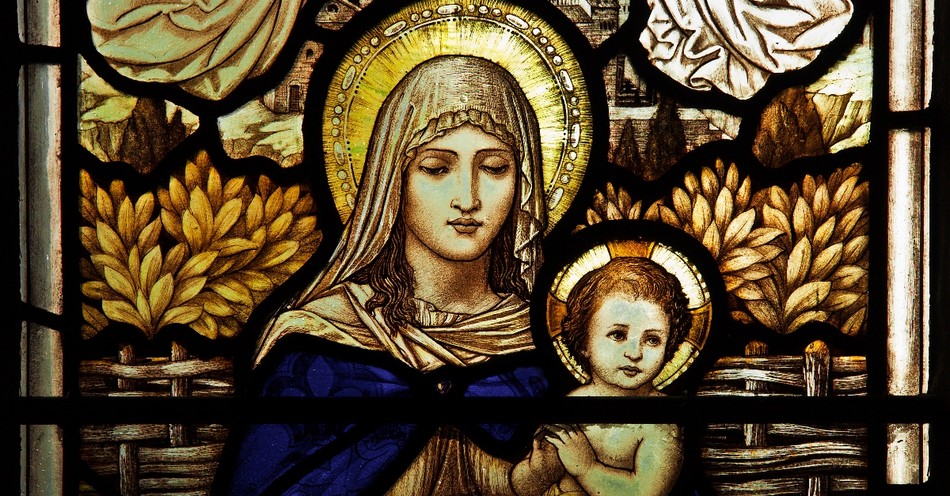
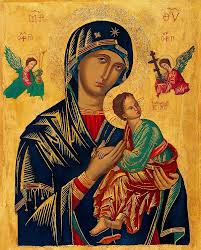
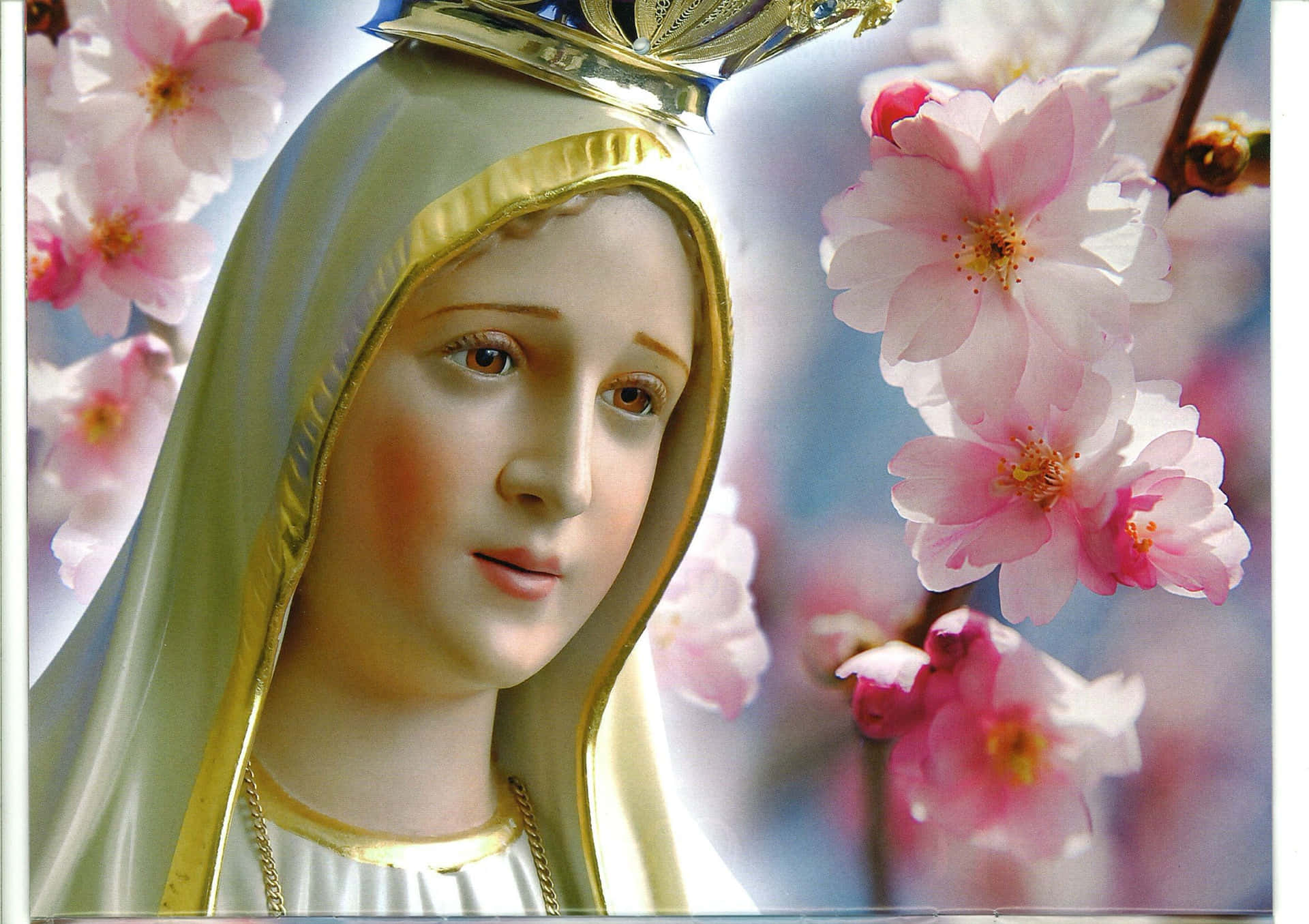
Mary's Maternal Care for All God's Children
Updated at: 2023-08-05 13:19:58 (2 years ago by Melkisedeck Leon Shine)
Mary's Maternal Care for All God's Children ๐
Mary, the revered Mother of God, holds a special place in the hearts of Christians around the world. ๐
As a devout Catholic, I've always been inspired by Mary's maternal care for all of God's children. ๐น
It is important to understand that according to the Christian perspective, Mary was a perpetual virgin, meaning she did not have any other children except Jesus. This belief is rooted in biblical evidence and the teachings of the Catholic Church. ๐
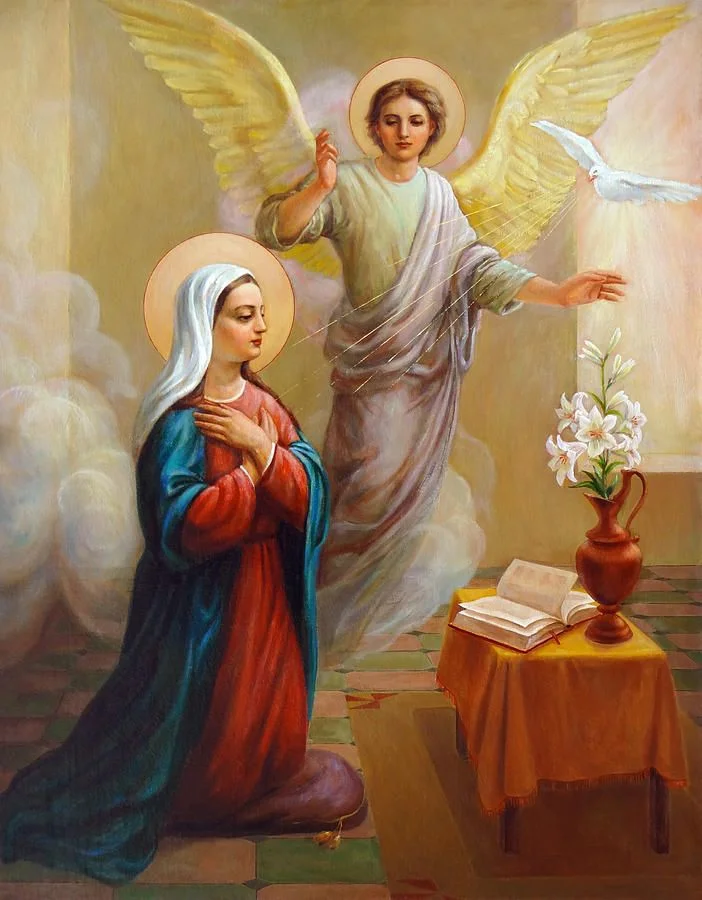
In the Gospel of Luke, when the angel Gabriel appeared to Mary to announce that she would conceive and give birth to Jesus, Mary herself questioned how this would happen since she had no relations with a man. The angel reassured her, stating, "The Holy Spirit will come upon you, and the power of the Most High will overshadow you" (Luke 1:35). This reaffirms the Catholic belief that Mary remained a virgin even after giving birth to Jesus. ๐
Mary's maternal care extends not only to Jesus but to all of God's children. Just as she nurtured and protected Jesus, she continues to intercede for us and offer her motherly love and care. ๐บ
In the Gospel of John, we witness Mary's concern for others when she accompanies Jesus to the wedding at Cana. When the wine runs out, she turns to Jesus and says, "They have no wine." Despite Jesus initially responding, "Woman, what does this have to do with me?" Mary's faith and trust in her son lead her to tell the servants, "Do whatever he tells you" (John 2:3-5). This demonstrates her unwavering love and concern for those in need. ๐ง
According to the Catholic Catechism, Mary's maternal role is not limited to her earthly life but continues in heaven. She is described as the "Mother of the Church" and the "Mother of all the living." This highlights her role as our spiritual mother, who intercedes for us and helps us grow in our relationship with God. ๐
Throughout history, numerous saints and spiritual leaders have looked to Mary as a source of inspiration and guidance. St. Louis de Montfort, a French priest, wrote extensively about Mary's role in our spiritual lives. He said, "Mary is the safest, easiest, shortest, and most perfect way of approaching Jesus." ๐น
Mary's maternal care can be seen in various Marian apparitions, where she has appeared to individuals, offering them comfort, guidance, and messages of hope. Examples include Our Lady of Lourdes, Our Lady of Guadalupe, and Our Lady of Fatima. These apparitions serve as a reminder of Mary's love and concern for all of humanity. ๐
Mary's maternal care is not limited to Catholics alone. Christians from various denominations also hold her in high esteem, acknowledging her unique role as the Mother of God. ๐
The Catholic Church teaches that Mary is our advocate and mediator before God. Just as a child may turn to their mother for support and help, we can turn to Mary with our prayers and seek her intercession. Her love and care for us are boundless. ๐
In the Book of Revelation, Mary is depicted as the "woman clothed with the sun," representing her role as the Queen of Heaven. This image signifies her exalted position in the heavenly realm as she reigns alongside her divine Son. โจ
It is important to emphasize that Mary's intercession does not replace our direct relationship with Jesus. Instead, she leads us closer to Him, guiding us in our spiritual journey. As the Catechism of the Catholic Church states, "Mary's role in the Church is inseparable from her union with Christ and flows directly from it" (CCC 964). ๐น
Mary's maternal care is a gift to all of God's children. Just as a loving mother cares for and protects her children, Mary does the same for us. We can turn to her with confidence and trust, knowing that she will intercede for us before her Son, Jesus. ๐
In conclusion, Mary's maternal care for all of God's children is a beautiful aspect of our faith. Her love, compassion, and intercession are truly remarkable. As a Christian Catholic, I encourage you to embrace Mary as your spiritual mother and seek her guidance and protection. How do you personally relate to Mary's maternal care? Share your thoughts and opinions below! ๐
Updated at: 2025-06-19 15:28:54 (7 months ago by Melkisedeck Leon Shine)
Mary as the New Eve: Restoring Humanity's Relationship with God
Introduction: This essay examines the pivotal role of Mary, the Mother of God, in Catholic theology, specifically her function as the "New Eve" in restoring humanity's fractured relationship with the divine. Key concepts, including the theological framework of the "New Eve" paradigm, the doctrine of the Immaculate Conception, and the Marian dogmas, will be explored. We will analyze how these concepts interact within a broader understanding of salvation history, applying relevant theological models and principles to illustrate their practical significance in the lives of believers. The essay will consider Mary's role not merely as a historical figure but as a living presence in the spiritual journey of humanity. This analysis employs a hermeneutical approach, examining scriptural accounts, liturgical practices, and theological traditions to unveil the multifaceted nature of Mary's significance.
The Immaculate Conception and Original Sin: The doctrine of the Immaculate Conception posits that Mary was conceived without original sin. This theological concept, distinct from the conception of Jesus, is crucial. It establishes Mary as a uniquely pure vessel, untouched by the inherited human condition of sin that separated humanity from God. This purity, understood within the framework of Augustinian theology on original sin, enabled her to become the Theotokos, the God-bearer. Applying this concept, we see Mary not merely as free from sin, but as representing a counterpoint to Eve's disobedience, highlighting the possibility of perfect obedience to God's will.
Mary's Fiat: A Paradigm of Obedience: Mary's "fiat," her affirmative response to the angel Gabriel's announcement (Luke 1:38), stands in stark contrast to Eve's disobedience in the Garden of Eden. This act of complete surrender to God's plan, interpreted through the lens of covenantal theology, is considered a pivotal moment in salvation history. Her willing acceptance embodies perfect obedience, directly addressing the consequences of Adam and Eve's transgression. This perfect obedience becomes a model for believers, demonstrating how complete trust and submission to divine will can counteract the effects of human disobedience.
The Annunciation: A Counterpoint to the Fall: The Annunciation, the event where the angel Gabriel announces Mary's role in the Incarnation, can be understood as a parallel, yet contrasting event to the Fall in Genesis. While Eve's disobedience resulted in humanity's separation from God, Mary's obedience initiated the process of reconciliation. This narrative reversal, analyzed using a typological approach, showcases Mary's role as the "New Eve," reversing the consequences of the original sin and restoring the broken covenant between God and humanity.
Mary as the New Ark of the Covenant: Similar to the Ark of the Covenant in the Old Testament, which housed God's presence amongst his people, Mary carries within her the Word made flesh, Jesus Christ. This allegorical interpretation highlights Mary's unique role as the vessel of God's grace. She becomes the sacred repository of divine presence, reflecting the concept of the divine immanenceโGod's presence within the worldโand serves as a focal point for divine grace flowing into humanity.
The Visitation and the Spreading of Grace: The Visitation, Mary's visit to Elizabeth, exemplifies Mary's role as the bearer of grace and sanctifier of souls. Elizabeth's recognition of Mary's blessedness (Luke 1:42) underscores the transformative power of Mary's acceptance of God's will. This event can be interpreted through the lens of the sacramental theology, suggesting Mary as a conduit of divine grace, anticipating the sacramental life of the Church.
Mary's Intercession and Maternal Care: Mary's intercession, her advocacy on behalf of humanity before her Son, reflects her maternal love and concern. The Wedding at Cana (John 2:1-11) serves as a prime example of this intercession, where Mary's request leads to Jesus's first miracle. This concept aligns with the theological understanding of Mary's role as mediator, not in the sense of replacing Christ's unique mediatorship, but in a secondary sense of interceding for humanity, acting as a powerful advocate before God.
Mary as Mother of the Church and Humanity: Jesus' entrusting of Mary to John at the crucifixion (John 19:27) establishes her as the Mother of the Church and, symbolically, the mother of all believers. This maternal role extends beyond mere biological relationship, encapsulating spiritual guidance, protection, and intercessory power. This can be viewed through a relational theology perspective, highlighting the profound connection between Mary, Jesus, and humanity.
Mary, Queen of Heaven and Earth: Her Exalted Role: The title "Queen of Heaven and Earth" signifies Mary's exalted position within the theological framework of the Catholic Church, reflecting her union with Christ and participation in his divine reign. This title, analyzed from a christological perspective, highlights Mary's integral role within God's plan of salvation. It emphasizes her ongoing authority and influence in the spiritual realm.
The Assumption and the Promise of Eternal Life: The dogma of the Assumption celebrates Mary's bodily assumption into Heaven, a testament to her unique relationship with God. This event signifies the hope of resurrection and eternal life for believers, providing a powerful example of the ultimate reward promised to those who follow Christ. The Assumption, understood in eschatological terms, offers a powerful vision of the future, a hope that transcends earthly limitations.
The Rosary and Marian Devotion: The Rosary, a form of Marian devotion, facilitates a deeper connection with God through Mary's intercession. The meditative practice engages the believer in the mysteries of Christ's life, fostering a deeper understanding of Mary's role and strengthening the relationship with both Mary and God. This devotional practice, analyzed through the lens of spiritual formation, underscores the transformative potential of Marian devotion in nurturing one's faith.
The Catechism of the Catholic Church: Authoritative Affirmation: The Catechism of the Catholic Church explicitly affirms Mary's unique and central role in salvation history. Its teaching establishes a doctrinal foundation for the understanding of her significance within the context of the larger narrative of salvation. The Catechism serves as a touchstone for Catholic theology concerning Mary's position and emphasizes the importance of its consistent teaching.
Saints' Testimonies: A Chorus of Witness: The consistent testimony of numerous saints throughout history regarding Mary's role reinforces the theological understanding of her importance. Their expressions of devotion corroborate the deep-seated beliefs of the Church, demonstrating the enduring influence of Mary's example on the lives of believers. These testimonies highlight the lived experience of faith as evidence for the theological claims.
Personal Connection and Contemporary Significance: Mary's role is not confined to historical events; her maternal love, guidance, and intercession remain profoundly relevant to contemporary believers. By embracing Mary's example, individuals can foster a deeper relationship with God, accessing divine grace and guidance in their lives. The practicality of this theological framework lies in its offer of solace, hope, and spiritual support, providing a tangible application in the daily lives of believers.
Conclusions and Recommendations: This essay demonstrates that Mary's role as the "New Eve" is a central tenet of Catholic theology, offering a powerful narrative of redemption and reconciliation. Her obedience, purity, and intercession provide a compelling example for believers. Understanding Mary's role necessitates a careful examination of scripture, theological tradition, and lived experience. Further research should investigate the cross-cultural expressions of Marian devotion and their implications for ecumenical dialogue. The enduring significance of Maryโs role calls for continued reflection on her multifaceted dimensions, emphasizing her ongoing relevance in the spiritual lives of individuals and the Church.
Reader Pool: What are the potential implications of reinterpreting Mary's role within contemporary interfaith dialogue, considering her diverse portrayals in different religious traditions?
Updated at: 2023-08-05 13:19:50 (2 years ago by Melkisedeck Leon Shine)
Mary's Patronage of Mothers and Families ๐นโจ
Mary, the beloved Mother of Jesus, holds a special place in the hearts of mothers and families around the world. She is not only the Mother of God, but also a powerful intercessor, protector, and patroness for those seeking guidance, strength, and grace in their roles as parents and caregivers. ๐๐
As a devout Christian, I firmly believe in Mary's unique and important role in our spiritual lives. Just as she cared for and nurtured her own son, Jesus, Mary continues to watch over and guide all mothers and families, offering her loving support and intercession. ๐๐คฑ
The Bible provides us with numerous examples of Mary's maternal and protective nature. One such example can be found in the Gospel of Luke when Mary rushes to assist her cousin Elizabeth, who is also expecting a child. This beautiful encounter, known as the Visitation, showcases Mary's deep love and concern for her family members. ๐โค๏ธ
Another powerful moment is when Mary stands at the foot of the cross, witnessing her son's crucifixion. In that painful moment, Jesus entrusts her to the care of the beloved disciple, John, symbolizing her role as the spiritual mother of all believers. Mary's strength and faithfulness during this heartbreaking event highlight her unwavering support for all mothers who face difficult and challenging circumstances. ๐๐น
The Catechism of the Catholic Church teaches us that Mary's role as mother extends beyond her earthly life. In paragraph 975, it states, "This motherhood of Mary in the order of grace continues uninterruptedly from the consent which she faithfully gave at the Annunciation and which she sustained without wavering beneath the cross, until the eternal fulfillment of all the elect." This reinforces the belief that Mary's love and intercession for mothers and families is ongoing and everlasting. ๐๐ซ
Throughout history, the Catholic Church has recognized Mary's patronage of mothers and families. Saints such as St. Gianna Beretta Molla, who was both a mother and a physician, looked to Mary as their example and sought her intercession in their daily lives. Their stories serve as a reminder of Mary's powerful presence in the lives of those who turn to her for assistance. ๐๐ฉโโ๏ธ
In our own lives, we can also turn to Mary as our spiritual mother and seek her guidance in our roles as mothers and caregivers. Just as she cared for Jesus, Mary understands the joys and struggles of motherhood, and she is always ready to intercede on our behalf before her Son. ๐๐บ
Mary's patronage is not limited to mothers alone but extends to all families. She desires to bring unity, love, and peace into our homes, just as she did with the Holy Family. When faced with challenges, we can turn to Mary for strength, knowing that she will intercede for us and guide us on our journey of faith. ๐กโจ
Let us not forget the power of the Rosary, a beautiful prayer that honors Mary and allows us to reflect on the life of Jesus. Praying the Rosary as a family not only strengthens our bond with one another but also invites Mary to intercede for our intentions and protect our families from harm. ๐ฟ๐
The book of Revelation (12:1) presents a vision of Mary as a woman "clothed with the sun, with the moon under her feet, and on her head a crown of twelve stars." This imagery emphasizes her unique and powerful intercession for humanity. We can confidently turn to Mary, knowing that she will always listen to our prayers and assist us in our needs. ๐๐๐
As we reflect on Mary's patronage of mothers and families, let us turn to her in prayer and ask for her guidance and protection. Let us entrust our joys, sorrows, and challenges to her maternal care, knowing that she will always be there for us, just as she was for Jesus and the early disciples. ๐๐
In closing, I would like to ask you, dear reader, how has Mary's intercession and patronage impacted your life as a mother or a member of a family? Do you have any personal experiences or stories to share? I would love to hear your thoughts and insights on this beautiful aspect of our faith. Let us continue to grow in our devotion to Mary and seek her guidance and intercession in our daily lives. ๐นโจ
May God bless you and your family abundantly. ๐๐
Updated at: 2025-06-27 10:09:23 (7 months ago by Melkisedeck Leon Shine)
Mary as the New Eve: Restoring Humanity's Relationship with God
Introduction: A Theological Exploration of Marian Theology
This essay explores the pivotal role of Mary, the mother of Jesus, within Catholic theology, specifically examining her significance as the "New Eve." This concept rests on the juxtaposition of Eve's actions in the Garden of Eden, leading to humanity's estrangement from God, and Mary's actions, which facilitate humanity's reconciliation with the divine. Key concepts central to this analysis include the Immaculate Conception, Mary's fiat, and her role as intercessor, all viewed through the lens of theological anthropology and soteriology (the study of salvation). We will analyze these through the application of relevant theological principles and models, demonstrating their practical impact on the believer's spiritual journey.
The Immaculate Conception: A Foundation of Purity
The doctrine of the Immaculate Conception posits that Mary was conceived without original sin. This unique state of grace, absent in all other humans except Jesus, is crucial. It establishes Mary as a fitting vessel for the Incarnation โ the embodiment of God in human form. This concept aligns with the theological principle of prevenient grace, suggesting a divine preparation paving the way for Christ's arrival. The Immaculate Conception, therefore, isn't merely a historical event but a theological necessity, highlighting God's proactive role in initiating humanity's redemption.
Mary's Fiat: Obedience as the Counterpoint to Disobedience
Mary's "fiat" โ "Let it be to me according to your word" (Luke 1:38) โ stands in stark contrast to Eve's disobedience. This act of complete surrender to God's will, exemplified in her acceptance of the Annunciation, represents a pivotal moment in salvation history. This can be analyzed through the lens of virtue ethics, emphasizing the significance of obedience as a cardinal virtue, crucial for the success of God's plan. Mary's obedience reverses the course of human history, initiating a new covenant based on faith and love, rather than on rebellion and self-will.
The Annunciation and the Incarnation: Reversal of the Fall
The Annunciation, the moment Gabriel announces Mary's role in bearing the Son of God, is presented theologically as a direct counterpoint to the Fall in the Garden of Eden. While Eve's disobedience brought sin and death, Mary's obedience initiates the triumph over sin and death through the Incarnation. This signifies a powerful reversal of the narrative of humanity's relationship with God, from separation to reconciliation. This parallels the concept of "kenosis," the self-emptying of God in becoming human, mirroring Maryโs self-giving in her fiat.
Mary as Intercessor: Advocate for Humanity
Throughout scripture and tradition, Mary is depicted as an intercessor, advocating for humanity before God. Her role at the wedding at Cana (John 2:1-11), where she prompts Jesus' first miracle, illustrates her compassionate concern for humanityโs needs. This resonates with the concept of mediatorship within Christian theology, where Mary acts as a bridge, facilitating communication and petitioning for grace and mercy on behalf of humanity. This mediating role is not meant to replace Christ's role as sole mediator, but it complements and amplifies His saving work.
Mary as Mother of the Church: Spiritual Motherhood
Jesus' entrusting of Mary to John, and by extension to the whole of humanity ("Woman, behold your son" John 19:26-27), establishes Mary as the spiritual Mother of the Church. This concept of spiritual motherhood reflects Maryโs role as nurturing and guiding the faithful on their journey toward God. This spiritual maternity is not a biological one but a spiritual bond, emphasizing her continuous guidance, protection, and intercession for believers in their spiritual lives.
Marian Titles: Reflecting Diverse Aspects of Her Role
Various titles attributed to Mary, such as "Queen of Heaven and Earth," "Blessed Virgin Mary," and others, each highlight a different facet of her role within the theological framework of the Catholic Church. These titles reveal a layered understanding of Maryโs significance, expressing her unique relationship with God and her crucial role in the redemptive work of Christ. They serve as theological affirmations reflecting the richness and depth of Marian devotion across centuries and theological traditions.
Mary's Assumption: A Glimpse of Eternal Life
The dogma of the Assumption, stating that Mary was taken body and soul into Heaven, signifies the ultimate reward for her faith and obedience. It stands as a powerful symbol of the hope of eternal life for all believers and exemplifies the triumph of grace over death, further demonstrating that the promise of salvation is ultimately victorious.
Devotions such as the Rosary: A Path to Spiritual Growth
Devotions like the Rosary, which involve meditating on the mysteries of Christ's life through the lens of Mary's experience, provide structured opportunities for spiritual growth and prayer. This highlights the importance of contemplative practices in nurturing the relationship between God and humanity, and underscores Mary's role as a model of faith and contemplation.
The Catechism and Sainthood: Affirmations of Theological Understanding
Both the Catechism of the Catholic Church and the testimonies of numerous saints reaffirm the significance of Mary's role in salvation history. These provide consistent theological articulation and personal witness, solidifying the doctrinal position within the larger context of Catholic belief and practice.
Conclusion and Recommendations: Implications and Future Research
Mary's role as the New Eve provides a powerful theological framework for understanding humanity's restoration with God. Her example of complete obedience, coupled with her compassionate intercession, offers a model of faith and devotion for believers today. Further research could explore the comparative analysis of Mary's role across different Christian denominations and traditions, offering a broader interfaith perspective on her significance. Additionally, investigating the impact of Marian devotion on various aspects of Christian life, such as social justice and ethical decision-making, would prove insightful. Finally, examining the psychological and spiritual benefits of Marian devotion and prayer on personal well-being could open new avenues of interdisciplinary research.
Reader Pool: What are the potential limitations or challenges in applying the โNew Eveโ paradigm to contemporary understandings of gender and equality within theological discussions?
Updated at: 2023-08-05 13:19:25 (2 years ago by Melkisedeck Leon Shine)
Mary's Fiat: A Model of Surrender and Obedience
๐ Introduction ๐ In the story of Christianity, the Blessed Virgin Mary holds a special place as the Mother of God. Her unwavering faith, surrender, and obedience have made her a model for all believers to follow. Mary's "fiat," or her "yes" to God's plan, demonstrates the utmost trust in the divine will. Let us explore the beauty of Mary's surrender and obedience, and how we can apply these virtues in our own lives.
1๏ธโฃ A Humble Heart ๐ Mary's fiat was rooted in her deep humility. Despite being chosen to be the Mother of God, she never sought recognition or power. Instead, she embraced her role with grace and humility, recognizing that she was simply an instrument in God's divine plan. Her humility serves as a reminder to us all to be humble in our own lives and to trust in God's plan for us.
2๏ธโฃ Surrendering to God's Will ๐ Mary's fiat exemplifies her complete surrender to God's will. When the angel Gabriel appeared to her, announcing that she would bear a child, Mary's response was, "Behold, I am the handmaid of the Lord; let it be to me according to your word" (Luke 1:38). This profound act of surrender teaches us the importance of aligning our will with God's and trusting in His plan, even when it may be difficult or unknown to us.
3๏ธโฃ Obedience in Action ๐ Mary's obedience to God's will was unwavering. She willingly accepted the challenges and uncertainties that lay ahead, knowing that God was guiding her every step of the way. Her obedience allowed her to fulfill her role as the Mother of God and participate in the salvation of humanity. Just as Mary embraced obedience, we too are called to faithfully follow God's commandments and live in accordance with His teachings.
4๏ธโฃ Biblical Examples โ๏ธ Throughout the Bible, we can find numerous examples of Mary's surrender and obedience. One such example can be seen at the Wedding at Cana (John 2:1-11). When the wine ran out, Mary turned to Jesus and said, "They have no wine." Even though Jesus initially responded, "Woman, what does this have to do with me?" Mary remained steadfast in her faith and obedience, telling the servants, "Do whatever he tells you." By trusting in Jesus and following His instructions, Mary played a pivotal role in the first public miracle performed by Jesus.
5๏ธโฃ The Catechism's Wisdom ๐ The Catechism of the Catholic Church beautifully articulates Mary's fiat and its significance: "By her complete adherence to the Father's will, to his Son's redemptive work, and to every prompting of the Holy Spirit, the Virgin Mary is the Church's model of faith and charity" (CCC 967). Mary's surrender and obedience serve as an inspiration for all believers, reminding us to align our lives with God's will and to trust in His guidance.
6๏ธโฃ Saints and Mary's Fiat ๐ผ Throughout the history of the Catholic Church, many saints have looked to Mary as a model of surrender and obedience. Saint Therese of Lisieux, for example, had a deep devotion to the Blessed Virgin Mary and often prayed to her for guidance in her own spiritual journey. Saint Maximilian Kolbe also found inspiration in Mary's fiat, choosing to surrender his life in the place of a fellow prisoner in Auschwitz. These saints and many others have recognized the powerful example set by Mary and sought to emulate her virtues in their own lives.
7๏ธโฃ Finding Strength in Surrender ๐ช Surrendering to God's will does not mean giving up or losing control. On the contrary, it is an act of trust and a recognition that God's plan is far greater than our own. When we surrender to God, we find strength in knowing that He is in control and that He will guide us through any challenges we may face.
8๏ธโฃ Embracing Obedience as Love โค๏ธ Obedience is often seen as a restrictive concept, limiting our freedom and desires. However, Mary's obedience shows us that true obedience is an act of love. By following God's commandments and living according to His teachings, we show our love and gratitude for all that He has done for us. Obedience is not a burden, but rather a path to true freedom and fulfillment in our lives.
9๏ธโฃ Mary, Our Loving Mother ๐ฉโ๐งโ๐ฆ As Catholics, we have a special devotion to the Blessed Virgin Mary. She is not only the Mother of God but also our loving mother who intercedes for us and guides us along our spiritual journey. Just as a loving mother looks after her children, Mary watches over us and offers us her support and prayers. We can turn to her in times of need, seeking her intercession and following her example of surrender and obedience.
๐ค Conclusion ๐ค Mary's fiat serves as a model of surrender and obedience for all believers. Her humility, surrender, and obedience are virtues that we can strive to emulate in our own lives. By trusting in God's plan, aligning our will with His, and obediently following His commandments, we can grow in faith and deepen our relationship with Him. Let us reflect on Mary's example and ask ourselves, are we willing to say "yes" to God's will in our own lives? ๐
What are your thoughts on Mary's surrender and obedience? How can you apply these virtues in your own life? Share your reflections and experiences below.
Updated at: 2023-08-05 13:19:24 (2 years ago by Melkisedeck Leon Shine)
Mary's Perpetual Virginity: A Sign of God's Presence
๐๐
In the Christian faith, the Virgin Mary holds a special place of reverence and admiration. She is known as the Mother of God, the woman chosen by God to give birth to His Son, Jesus Christ. However, it is not only her role as a mother that sets her apart, but also her perpetual virginity. Mary, unlike any other woman in history, remained a virgin before, during, and after the birth of Jesus. This unique aspect of her life is not only a testament to her purity and holiness, but also a sign of God's abiding presence in her life.
The Gospel of Matthew tells us that Mary was a virgin when she conceived Jesus by the Holy Spirit. This miraculous event was foretold by the prophet Isaiah: "Behold, a virgin shall conceive and bear a son, and his name shall be called Emmanuel" (Matthew 1:23). Mary's virginity before the birth of Jesus fulfilled this prophecy.
The Gospel of Luke narrates the Annunciation, when the angel Gabriel appeared to Mary and said, "Hail, full of grace, the Lord is with you" (Luke 1:28). Mary's response to the angel reflects her commitment to God's plan: "How can this be, since I have no relations with a man?" (Luke 1:34). Her question affirms her virginity and her dedication to remaining pure.
The Catechism of the Catholic Church teaches that Mary's perpetual virginity is a sign of her total consecration to God. It states, "The deepening of faith in the virginal motherhood led the Church to confess Mary's real and perpetual virginity even in the act of giving birth to the Son of God" (CCC 499).
Mary's perpetual virginity is also affirmed in the early Christian writings. The Protoevangelium of James, a second-century apocryphal Gospel, describes Mary as a consecrated virgin who dedicated her life to God from a young age. This text was widely accepted by the early Church as a source of inspiration and devotion.
The veneration of Mary's perpetual virginity is not only a Catholic belief but is also shared by other Eastern Orthodox and Oriental Orthodox churches. This unity in belief speaks to the universal understanding of Mary's unique role in salvation history.
Some may question why Mary's perpetual virginity is significant. To fully understand its importance, we must look beyond the physical aspect and focus on its spiritual symbolism. Mary's perpetual virginity represents her undivided and exclusive devotion to God. She remained pure in body, mind, and spirit, fully dedicated to fulfilling God's will in her life.
Mary's perpetual virginity is a sign of her exceptional holiness. She was chosen by God to give birth to the Savior of the world, and her virginity serves as a testament to her purity and righteousness. Just as the Ark of the Covenant housed the presence of God in the Old Testament, Mary, as the Ark of the New Covenant, carried within her womb the Son of God Himself.
The perpetuity of Mary's virginity is also a reflection of the unchanging nature of God. Just as God is eternal and unchangeable, so too is Mary's virginity. It is a sign of the divine presence and a reminder of God's faithfulness and constancy.
The early Church Fathers, such as St. Augustine and St. Jerome, upheld and defended Mary's perpetual virginity. They saw it as a sign of her unique and unparalleled role in salvation history. St. Augustine, in particular, wrote, "Mary is the only one who has merited to be called both virgin and mother" (Sermon 186).
The perpetual virginity of Mary also points to the sacredness of marital intimacy. By remaining a virgin, Mary shows us the sanctity of preserving one's purity and the importance of embracing the gift of sexuality within the boundaries of marriage.
The perpetual virginity of Mary deepens our understanding of her as the Mother of God. It emphasizes her spiritual motherhood, which extends beyond the physical act of giving birth. Mary's virginity is a sign of her complete surrender to God's will and her role as the spiritual mother of all believers.
Mary's perpetual virginity is a sign of her total consecration to God. She presents herself as a model of discipleship and an example of living a life of faith, obedience, and selflessness. Her virginity serves as an invitation for us to deepen our own commitment to God and to embrace the call to holiness in our lives.
The perpetual virginity of Mary also highlights the importance of purity of heart and soul. It reminds us of the need to guard our thoughts, desires, and actions, and to keep our hearts focused on God. Just as Mary's virginity signified her undivided devotion to God, so too should we strive for purity in all areas of our lives.
Mary's perpetual virginity is a sign of God's abiding presence in her life. It is a reminder that God chooses to dwell among us and work through us, transforming our lives and using us as instruments of His grace and mercy. Mary's virginity serves as a beacon of hope and a symbol of God's unwavering love for humanity.
As we reflect on the perpetual virginity of Mary, let us ponder the significance of this divine mystery in our own lives. How does it challenge us to embrace purity and holiness? How does it inspire us to deepen our relationship with God? And how does it remind us of God's constant presence in our journey of faith? Share your thoughts and insights below. ๐๐
What is your opinion on the perpetual virginity of Mary? How does it impact your understanding of her role in salvation history?
Updated at: 2023-08-05 13:20:31 (2 years ago by Melkisedeck Leon Shine)
๐Mary, Mother of God: Our Guide to Eternal Joy๐
๐น Introduction: The significance of Virgin Mary in Christian Catholicism cannot be overstated. Throughout history, she has been venerated as the Mother of God and the perfect model of faith and virtue. Let us explore how Mary, our beloved guide, can lead us to eternal joy.
๐๐ผ Mary's Immaculate Conception: Unlike any other human being, Mary was conceived without the stain of original sin, making her the perfect vessel for carrying and nurturing the Son of God. Her purity and holiness set her apart.
๐ Mary as the Mother of God: Mary's divine motherhood is a cornerstone of the Christian faith. The Bible clearly states in Luke 1:43, "And why is this granted me, that the mother of my Lord should come to me?" Mary's unique role as the Mother of Jesus emphasizes her closeness to God and her intercessory power.
๐ Mary's Fiat: In Luke 1:38, Mary humbly accepts God's plan for her life, saying, "Behold, I am the handmaid of the Lord; let it be to me according to your word." Her complete surrender to God's will teaches us the importance of trust, obedience, and humility in our own lives.
๐น Mary as Our Intercessor: Just as Mary interceded on behalf of the couple at the wedding in Cana, she continues to intercede for us before her Son, Jesus. The Catechism of the Catholic Church beautifully states in paragraph 2677, "By asking Mary to pray for us, we acknowledge ourselves to be poor sinners and we address ourselves to the 'Mother of Mercy', the All-Holy One."
๐๏ธ Mary's Role in Salvation: Mary's "yes" to God's plan brought salvation to the world. Through her cooperation, Jesus Christ, our Savior, was born. She is truly the Mother of our redemption, and her unwavering faith inspires us to draw closer to Christ.
๐ A Life of Virtue: Mary's life was a shining example of holiness and virtue. She exhibited qualities such as purity, humility, compassion, and obedience. As we strive to live a Christ-centered life, we can turn to Mary as a guide in cultivating these virtues.
๐บ Mary and the Rosary: The Rosary is a powerful prayer that allows us to meditate on the life of Jesus through the eyes of Mary. By praying the Rosary, we deepen our relationship with Christ and draw closer to our Heavenly Mother.
โช Mary and the Church: Mary has a special place in the heart of the Church. She is the perfect model of discipleship and an example of faithfulness to God's mission. As we navigate our spiritual journey, we look to Mary as a guide and advocate.
๐ Marian Apparitions: Throughout history, Mary has appeared to various individuals, delivering messages of hope, repentance, and conversion. These apparitions serve as a reminder of Mary's maternal love for us and her desire to lead us to eternal joy.
๐ Saints' Devotion to Mary: Numerous Catholic saints have expressed their deep devotion to Mary. St. Louis de Montfort, for example, wrote extensively about consecration to Mary and the benefits of entrusting oneself to her care.
๐น Mary as Our Mother: Jesus, while on the cross, entrusted Mary to the care of the beloved disciple, saying, "Behold, your mother" (John 19:27). In that moment, Mary became our spiritual mother, guiding and nurturing us in our journey towards Heaven.
๐๐ผ The Prayers of Mary: Mary's prayers are powerful and efficacious. Just as she interceded for the wedding couple at Cana, she intercedes for us in our time of need. Let us turn to her with confidence, knowing that she will bring our petitions before her Son.
๐ Mary's Love for All: Mary's love extends to all of humanity, regardless of our shortcomings or sins. She invites us to approach her with childlike trust, knowing that she will lead us to her Son, who is the source of eternal joy.
๐ Conclusion: Mary, Mother of God, is a guiding light in our journey towards eternal joy. Through her example, intercession, and love, she leads us closer to Jesus. Let us embrace her motherly care and seek her guidance as we strive to live a life pleasing to God.
๐น What are your thoughts on the immense love and guidance that Mary, Mother of God, provides for us? How has she influenced your spiritual journey? Share your thoughts and experiences below! ๐๐ผ
Updated at: 2023-08-05 13:19:30 (2 years ago by Melkisedeck Leon Shine)
Mary, Queen of Angels: Protector and Guide ๐
๐ Introduction: As a Christian Roman Catholic, I hold a deep reverence for the Virgin Mary, the Mother of God. She is not only the mother of Jesus, but also a powerful intercessor and guide in our spiritual journey. Let us explore the role of Mary as the Queen of Angels, who lovingly protects and guides us.
๐น Mary's Unique Role: Mary holds a special place in Christianity, as she was chosen by God to bear His Son, Jesus Christ. The Bible tells us in Luke 1:28, "Hail, full of grace, the Lord is with you!" Her unique role as the Mother of God sets her apart and gives her a special influence over the heavenly realm.
๐๏ธ Protectress of Souls: Mary, as the Queen of Angels, is entrusted by God with the task of protecting our souls from the snares of the enemy. Just as a loving mother shields her children from harm, Mary intercedes for us before the heavenly hosts, defending us against spiritual attacks.
๐ Guiding Light: In times of confusion and darkness, Mary serves as a guiding light, leading us towards her Son, Jesus. She always points us to Him, saying as she did at the wedding feast of Cana, "Do whatever He tells you" (John 2:5). Her wisdom and guidance help us navigate the challenges of life with faith and hope.
โจ Mary's Heavenly Court: Mary, as the Queen of Angels, presides over a heavenly court of angels who are ready to assist us in our spiritual journey. Just as earthly queens have a retinue of attendants, Mary's angelic court is at her command, ready to provide guidance, protection, and comfort to those who seek her intercession.
๐ฟ Holy Rosary: One of the most powerful devotions to Mary is the Holy Rosary. When we pray the Rosary, we join Mary in meditating upon the mysteries of her Son's life. It is a beautiful way to honor her and seek her intercession in our lives. As Pope St. John Paul II said, "Through the Rosary, the faithful receive abundant grace, as though from the very hands of the Mother of the Redeemer."
๐ Miracles and Apparitions: Throughout history, Mary has appeared to various individuals and communities, bringing messages of love, hope, and conversion. These apparitions, such as Our Lady of Guadalupe or Lourdes, testify to her role as the Queen of Angels and her desire to lead us closer to God. These miracles and apparitions offer us a glimpse of Mary's love and concern for humanity.
๐ซ Immaculate Conception: The dogma of the Immaculate Conception, proclaimed by Pope Pius IX in 1854, affirms that Mary was conceived without the stain of original sin. This unique privilege bestowed upon her by God reflects her purity and holiness, making her an ideal intercessor and guide for us as we strive for sanctity in our own lives.
๐บ Catholic Saints' Devotion: Numerous Catholic saints have had a deep devotion to Mary, recognizing her as their mother, advocate, and Queen. St. Maximilian Kolbe, known for his heroic sacrifice in the Auschwitz concentration camp, considered Mary to be the perfect instrument of the Holy Spirit and encouraged others to consecrate themselves to her.
๐ฅ The Flame of Love: The Flame of Love Movement, approved by the Catholic Church, emphasizes the role of Mary as the Queen of Angels and the Mediatrix of all graces. This movement encourages us to unite ourselves with Mary's intentions and to allow her to guide and transform our lives through her motherly love.
๐ Catechism of the Catholic Church: The Catechism affirms Mary's unique role in salvation history, stating, "By her complete adherence to the Father's will, to his Son's redemptive work, and to every prompting of the Holy Spirit, the Virgin Mary is the Church's model of faith and charity" (CCC 967). Her obedience and faithfulness serve as an example for us all.
๐ Biblical Examples: The Bible provides us with several instances where Mary, as the Queen of Angels, plays a significant role. In Revelation 12:1, she is depicted as a woman clothed with the sun and crowned with twelve stars, symbolizing her exalted status in Heaven. Additionally, Mary's presence at the foot of the cross (John 19:25-27) demonstrates her enduring love and compassion for humanity.
๐น Devotion to Mary: Devotion to Mary is not worship but a special veneration given to her as the Mother of God. Through our devotion, we honor her, seek her intercession, and strive to imitate her virtues. As we draw closer to Mary, we inevitably draw closer to Jesus.
๐ฃ๏ธ Follow-up questions: How has your relationship with Mary influenced your spiritual journey? Have you experienced the guidance and protection of Mary in your life? How do you incorporate devotion to Mary into your daily prayers?
๐ Conclusion: Mary, Queen of Angels, holds a significant place in the hearts of Christians. As a loving mother, protectress, and guide, she intercedes for us before the heavenly court. Let us embrace her maternal love, seek her guidance, and honor her as we journey towards our ultimate goal of eternal life with God. May Mary, the Queen of Angels, bless and protect us always!
Updated at: 2023-08-05 13:20:00 (2 years ago by Melkisedeck Leon Shine)
The Power of Consecrating Our Lives to Mary
๐ Introduction: The Virgin Mary holds a special place in the heart of every Christian Catholic. She is the Mother of God, chosen by God Himself to give birth to our Savior, Jesus Christ. Consecrating our lives to Mary means dedicating ourselves entirely to her, seeking her intercession and guidance in our daily struggles and triumphs.
๐ The Example of the Saints: Throughout history, numerous Catholic saints have consecrated their lives to Mary. They recognized her as a powerful intercessor and relied on her maternal love. Saint Louis de Montfort, for example, spoke of total consecration to Mary as a way to become a "slave of love" to Jesus through her. By imitating the saints, we can learn the transformative power of consecrating our lives to Mary.
๐ Our Spiritual Mother: Consecrating our lives to Mary means acknowledging her as our spiritual mother. Just as Jesus entrusted His beloved disciple John to Mary at the foot of the cross (John 19:26-27), we too can entrust ourselves to her loving care. The Catechism of the Catholic Church teaches that Mary's motherhood extends to all disciples of her Son, making her a universal spiritual mother to all believers (CCC 963).
๐น Mary as Our Intercessor: Mary's role as our heavenly advocate is a powerful reason to consecrate our lives to her. In the wedding at Cana, she interceded on behalf of the newlyweds when they ran out of wine (John 2:1-11). Just as she brought their need to Jesus, she brings our petitions to Him as well. By consecrating ourselves to Mary, we open ourselves to her powerful intercession in our lives.
๐ Biblical Examples: The Bible gives us various examples of individuals consecrating their lives to God through Mary's intercession. In Luke 1:38, Mary responds to the angel Gabriel's message by saying, "Behold, I am the handmaid of the Lord; let it be done to me according to your word." Her complete surrender to God's will serves as an inspiration for us to consecrate our lives to her, allowing her to guide us closer to Jesus.
๐ The Rosary: Consecrating our lives to Mary often involves a deep devotion to the Rosary. This powerful prayer allows us to meditate on the significant moments of Jesus' life as seen through Mary's eyes. Through the Rosary, we can unite ourselves with Mary's heart, drawing closer to Jesus and experiencing His love and mercy in a profound way.
๐ The Graces of Consecration: When we consecrate our lives to Mary, we open ourselves to a multitude of graces. Saint Maximilian Kolbe, a Franciscan friar and martyr, believed that by entrusting ourselves to Mary, we become instruments in her hands to bring about the conversion and sanctification of souls. Mary desires to lead us to her Son and shower us with His grace.
๐ The Influence of Mary: Consecrating our lives to Mary allows her to have a profound impact on our spiritual journey. Saint Teresa of Calcutta, also known as Mother Teresa, once said, "If you ever feel distressed during your day, call upon our Lady, just say this simple prayer: 'Mary, Mother of Jesus, please be a mother to me now.'" By inviting Mary into our lives, we allow her to guide us through both the joys and challenges we face.
๐ Mary's Assumption: The dogma of the Assumption of Mary teaches us that she was taken body and soul into heaven at the end of her earthly life. As Catholics, we believe that Mary's Assumption shows us the destiny that awaits all those who faithfully follow Christ. By consecrating our lives to Mary, we align ourselves with her example and hope for the ultimate union with God in heaven.
๐ The Joy of Consecration: Consecrating our lives to Mary brings immense joy and peace. Saint John Paul II once said, "Do not be afraid of loving Mary too much. You can never love her more than Jesus did." When we consecrate our lives to Mary, we experience the love of a mother who points us towards her Son, leading us to a deeper relationship with Him.
๐น Through Mary to Jesus: Consecrating our lives to Mary does not mean worshiping her, as some misunderstand. Rather, it is an acknowledgment of her unique role in salvation history and a way to draw closer to Jesus. Just as Mary pointed others to Jesus during His earthly life, she continues to do so today. By consecrating ourselves to her, we allow her to guide us to an intimate relationship with her Son.
๐ Mary's Fiat: Mary's "yes" to God's plan is a profound example of trust and surrender. By consecrating our lives to Mary, we follow in her footsteps and imitate her complete submission to God's will. Like Mary, we can say "yes" to God's plan for our lives, trusting that He will guide us and fulfill His promises.
๐ Consecration Prayer: One of the most popular prayers for consecrating our lives to Mary is the "Act of Consecration to Mary" composed by Saint Louis de Montfort. This beautiful prayer acknowledges Mary as our Queen and asks for her guidance and protection. By praying this prayer daily, we deepen our consecration and open ourselves to Mary's loving care.
๐ Life Transformed: Consecrating our lives to Mary is a transformative journey. Just as Mary's life was completely changed when she received the message of the angel Gabriel, our lives too can be transformed by her intercession and guidance. By consecrating ourselves to her, we invite her into every aspect of our lives, allowing her to mold us into the image of her Son.
๐ Conclusion: The power of consecrating our lives to Mary is immeasurable. She is our advocate, our guide, and our loving mother. By entrusting ourselves to her, we experience a deep and intimate union with Jesus. As we reflect on the examples of the saints, the teachings of the Church, and the words of Scripture, let us consider consecrating our lives to Mary and invite her to journey with us towards holiness. What are your thoughts on consecrating our lives to Mary? How has she impacted your spiritual journey?
Updated at: 2025-06-23 05:55:08 (7 months ago by Melkisedeck Leon Shine)
This essay examines the pivotal role of the Virgin Mary within the framework of Christian soteriology, employing theological concepts and principles to illuminate her significance in God's plan of salvation. Key terms will be defined to ensure clarity and precision. "Soteriology" refers to the study of salvation, encompassing the doctrines of Christ's atoning death and resurrection, and the application of this salvation to humanity. "Immaculate Conception" signifies Mary's conception free from original sin. "Perpetual Virginity" highlights Mary's virginity before, during, and after the birth of Jesus. These concepts underpin the theological analysis presented here.
Conclusions and Recommendations: This analysis demonstrates that Mary's role in salvation history is multifaceted and profoundly significant. Her unique position as the Theotokos, her unwavering faith, and her intercessory role are integral to Christian theology and devotion. Further research could explore comparative theological analyses of Marian doctrines across different Christian traditions, examining variations and commonalities in understanding Mary's significance. The application of these principles to contemporary pastoral care and spiritual formation could enhance a deeper understanding of Maryโs role as a model of faith for believers.
Reader Pool: Considering the multifaceted theological perspectives presented in this essay, what implications might a nuanced understanding of Mary's role hold for contemporary theological discourse and spiritual practices?