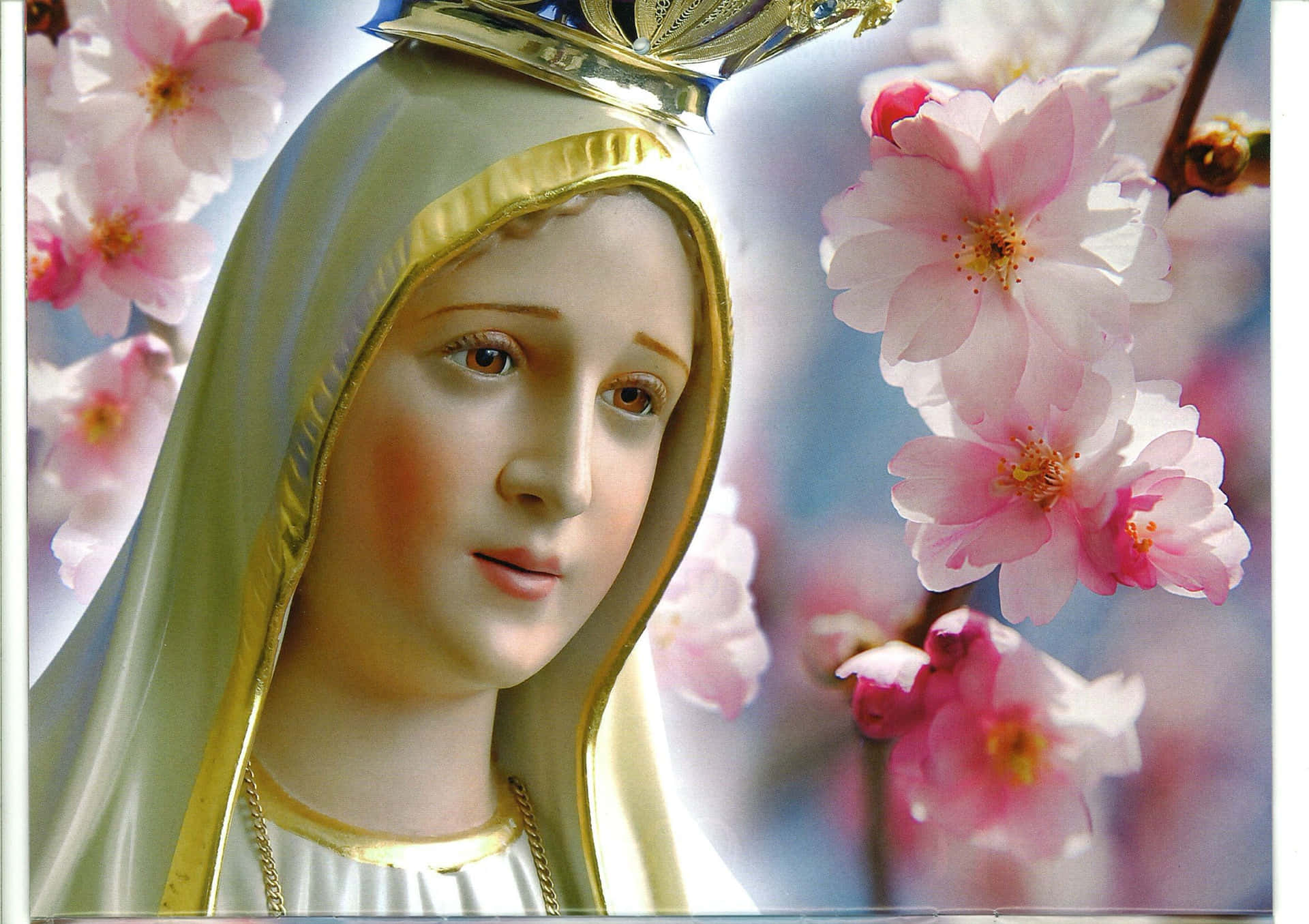
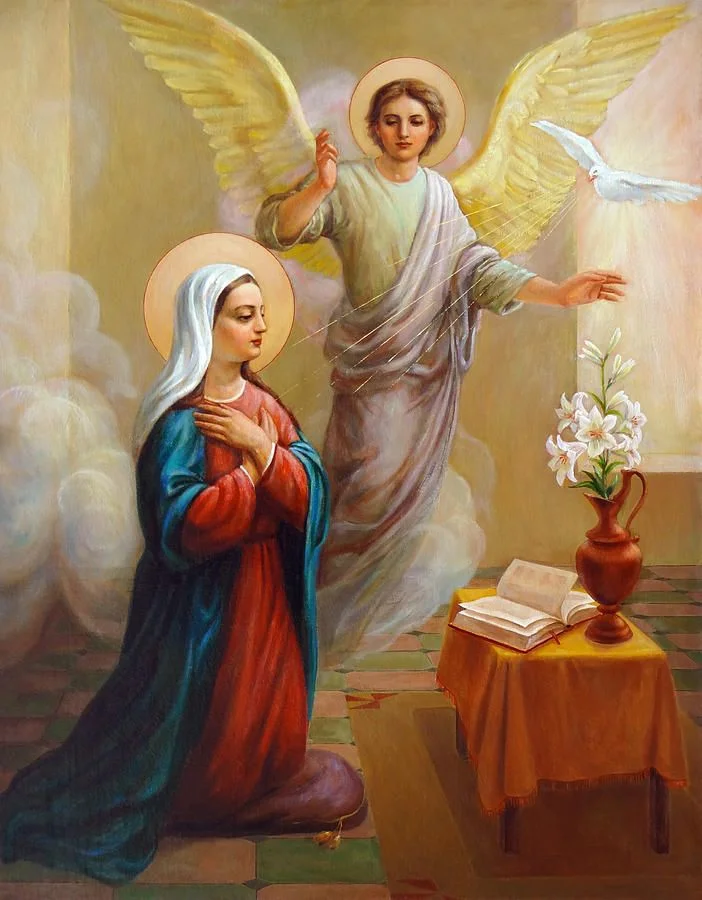
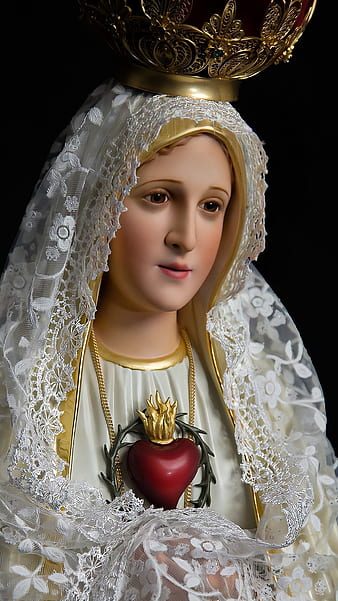
The Assumption of Mary: A Triumph of God's Love
Updated at: 2023-08-05 13:20:05 (2 years ago by Melkisedeck Leon Shine)
The Assumption of Mary: A Triumph of God's Love ✨
Introduction: 🌟 The Assumption of Mary is a significant event that embodies the triumph of God's love. It is a celebration of the belief that after her earthly life, the Virgin Mary was taken body and soul into heavenly glory. This article will delve into the depth of this beautiful doctrine and explore the profound impact it has on our faith and devotion.
Mary, the Mother of God: 🙏 Mary holds a unique and cherished place in the hearts of Catholics worldwide. She is the Mother of God, chosen by God to bring His Son into the world. Just as Mary played an integral role in the Incarnation, her Assumption serves as a testament to her extraordinary role in salvation history.
No other children except Jesus: 🚫 Contrary to some misunderstandings, the Catholic Church teaches that Mary remained a perpetual virgin throughout her life. She dedicated herself entirely to God and His plans, forsaking any other earthly relationships. This commitment to purity further highlights the significance of her Assumption.
Biblical Examples: 📖 The assumption of Mary is not explicitly mentioned in the Bible, but there are passages that allude to this glorious event. In Psalm 132:8, we read, "Arise, O Lord, and go to your resting place, you and the ark of your might." The Ark of the Covenant, a symbol of God's presence, prefigures Mary's Assumption as she carried the Son of God within her.
A Heavenly Reward: 🌈 The Assumption is a divine reward for Mary's unwavering faith and her unique role in salvation. She was chosen among all women to be the Mother of God, and her Assumption demonstrates God's immense love and honor for her. It is a testament to the infinite value of a life lived in total surrender to God's will.
Catholic Teaching: 📚 The Catechism of the Catholic Church affirms Mary's Assumption, stating, "The Immaculate Virgin, when the course of her earthly life was finished, was taken up body and soul into heavenly glory." (CCC 966) This official teaching reaffirms the truth and significance of this blessed event.
Immaculate Conception: ❄️ To fully comprehend the Assumption, we must also understand the Immaculate Conception. Mary was conceived without original sin, an exceptional privilege granted by God. Her sinless nature allowed her to be an immaculate vessel for the Incarnation and serves as a vital preparation for her Assumption.
A Glimpse of Heaven: 👼 The Assumption of Mary provides us with a glimpse of the glory that awaits us in heaven. It reminds us that our ultimate destiny is to be united with God, body, and soul. Mary's Assumption offers hope and encouragement that we too can attain eternal life through our faith and love for God.
Testimony of the Saints: 🙌 Throughout history, numerous saints have attested to the Assumption of Mary. St. John Damascene beautifully proclaimed, "It was fitting...that the most holy body of Mary, God-bearing body, receptacle of God, divinized, incorruptible, illuminated by divine grace and full glory...should be entrusted to the earth." The testimony of the saints strengthens our belief in this wondrous event.
The Assumption in Art: 🎨 The Assumption has been a recurring theme in Christian art, with countless masterpieces depicting Mary's heavenly ascent. These works of art invite us to contemplate the beauty and joy that surrounded this extraordinary event, fostering a sense of awe and reverence in our hearts.
Mary's Intercession: 🙏 As the beloved Mother of God, Mary continues to intercede for us and guide us on our spiritual journey. Her Assumption affirms her role as the Queen of Heaven, who intercedes for our needs and brings our intentions before the throne of God. Entrusting ourselves to her loving care can lead us closer to Jesus.
Purity and Holiness: 🌷 Mary's Assumption calls us to embrace purity and holiness in our own lives. Just as she remained faithful and dedicated to God's will, we too are called to live lives of virtue, seeking to conform ourselves more fully to Christ. Mary's Assumption serves as a reminder of the transformative power of God's love in our lives.
A Sign of Hope: 🌟 The Assumption of Mary offers us hope in the midst of life's challenges and uncertainties. It reminds us that God's love and grace can transform our lives and lead us to eternal glory. Mary's assumption is a beacon of hope that encourages us to persevere in faith and trust in God's providence.
Conclusion and Your Opinion: 🌻 The Assumption of Mary is a celebration of God's love and the extraordinary role Mary played in salvation history. It is a beautiful reminder that our ultimate destination is heaven, and that through our faith and love for God, we too can attain eternal life. What are your thoughts on this glorious event? Share your opinion below!
Updated at: 2025-06-22 00:57:53 (11 months ago by Melkisedeck Leon Shine)
```htmlThis article presents a comprehensive analysis of reported miracles associated with Marian shrines, integrating theological and sociological perspectives. We will define key concepts to establish a robust analytical framework. A miracle, in this context, is defined as an event defying natural laws, attributed to divine intervention. A Marian shrine is a sacred site linked to apparitions or significant events related to the Virgin Mary. Intercession refers to Mary's role as a mediator between humanity and God within Catholic theology. The analysis utilizes sociological theories, such as Durkheim's concept of collective effervescence, and psychological perspectives on faith healing and the placebo effect, alongside theological interpretations of Marian apparitions and their place within Catholic doctrine. This interdisciplinary approach facilitates a nuanced understanding of the complex phenomena surrounding Marian shrines.
Marian shrines function as powerful centers of Catholic faith, attracting millions of pilgrims annually. This enduring appeal can be explained through Durkheim's theory of collective effervescence, which describes the heightened social energy generated by shared religious experiences. The collective belief in Mary's intercession and the potential for miraculous healings fosters a strong sense of community and shared purpose among pilgrims. This shared experience amplifies individual faith, creating an emotionally charged environment conducive to reported miraculous healings and spiritual transformations. Empirical evidence, such as numerous testimonials of healing and spiritual renewal, supports this observation. Furthermore, the well-documented placebo effect plays a significant role; the fervent belief and expectation of healing can trigger the body's innate restorative mechanisms, potentially contributing to perceived miraculous recoveries. This interaction between faith, social context, and physiological response is a crucial aspect of understanding the phenomena observed at these sites.
Several prominent Marian shrines provide compelling case studies illustrating these dynamics. Our Lady of Guadalupe in Mexico City, with its iconic image, serves as a powerful symbol of faith and national identity, attracting vast numbers of pilgrims. The reported healing waters of Lourdes, France, highlight the interplay between faith, expectation, and potential psychosomatic effects in reported physical cures. The apparition at Fatima, Portugal, and its associated "Miracle of the Sun," exemplify the impact of mass-witnessed events on faith and belief systems. Similar collective experiences are documented in Medjugorje, Bosnia and Herzegovina (with its ongoing apparitions), and Knock, Ireland (known for its silent apparition), demonstrating the transcultural nature of these phenomena and the diverse ways in which faith manifests itself.
The recitation of the rosary, a central devotional practice at many Marian shrines, plays a significant role. This repetitive prayer fosters a meditative state, potentially contributing to spiritual experiences and feelings of peace and comfort. The Rosary of the Seven Sorrows, in particular, offers a framework for connecting personal struggles with Mary's suffering, providing solace and strength. The intense prayer and devotion at these sites are often interpreted as strengthening the potential for divine intervention, contributing to reported miracles of healing and spiritual conversion. The ritualistic aspects of these practices should not be overlooked, as they contribute significantly to the overall experience and psychological impact on pilgrims.
Reported miracles at Marian shrines encompass not only physical healing but also profound emotional and spiritual transformations. The theological concept of Mary's intercession, central to Catholic doctrine, positions her as a powerful advocate mediating between humanity and God. This belief significantly influences experiences at these shrines, offering hope for healing and restoration to those suffering emotionally, physically, or spiritually. Reported conversions further highlight the transformative power of faith and the pivotal role of Mary's intercession in these spiritual journeys. The combination of spiritual and physical aspects creates a complex healing process that extends beyond mere physiological improvement.
The pilgrimage itself is a crucial aspect of the transformative experience. The journey to a Marian shrine provides a period of introspection, prayer, and detachment from daily stressors. This focused devotion contributes to spiritual growth, strengthening one's relationship with God and deepening faith. Social interaction among fellow pilgrims further enhances this transformative impact, fostering a sense of community and shared purpose that extends beyond the immediate pilgrimage experience. The psychological and social benefits of pilgrimage should not be understated in understanding the reported occurrences at Marian shrines.
The reported miracles associated with Marian shrines represent a complex interplay of faith, collective belief, psychological factors, and theological interpretations. While scientific explanations may account for some reported healings, the enduring power of these sites stems from their capacity to foster strong community, shared experiences, and profound spiritual transformations. Future research should utilize mixed-methods approaches, integrating quantitative analyses of reported healings with qualitative studies exploring the subjective experiences of pilgrims. This would provide a more comprehensive understanding of these multifaceted phenomena. Furthermore, incorporating a cross-cultural perspective, analyzing socio-economic factors influencing the popularity and perceived efficacy of Marian shrines across diverse contexts, is crucial for a holistic understanding.
This analysis suggests that the significance of Marian shrines extends beyond literal interpretations of miracles. The spiritual and social benefits—including strengthened faith, community building, and emotional healing—highlight their crucial role in religious practice. These findings underscore the need for ongoing theological reflection on Mary's role within the Church and continued psychological and sociological study of faith-based healing and community formation. A more integrated approach, combining theological, psychological, and sociological perspectives, is vital for comprehending the depth and complexity of these phenomena.
Reader Pool: Considering the interplay of faith, social dynamics, and potential psychological effects at Marian shrines, how can future research refine methodologies to more accurately assess the impact of these sites on individuals and communities?
```
Updated at: 2025-06-21 19:12:52 (11 months ago by Melkisedeck Leon Shine)
```htmlMary's Intercession: A Conduit to Divine Grace
Introduction
Within the Catholic theological framework, the Virgin Mary, Mother of God, occupies a position of profound reverence and significance. This stems not only from her unique relationship with Jesus Christ but also from the widely held belief in her capacity to intercede on behalf of humanity, acting as a mediator between God and humankind. This exploration delves into the multifaceted concept of Marian intercession, examining its theological underpinnings, scriptural examples, devotional practices, and implications for spiritual growth, utilizing relevant theological concepts such as substitutionary atonement and the communicatio idiomatum.
1. Christological Foundation: The Theotokos and Communicatio Idiomatum
The cornerstone of Marian intercession rests on the Christological doctrine of the Theotokos—God-bearer. This title, formally affirmed by the Church, emphasizes Mary's unique ontological relationship with Jesus Christ. The concept of communicatio idiomatum, or the communication of properties, suggests that, due to the hypostatic union of divinity and humanity in Christ, certain attributes, though strictly belonging to one nature, can be attributed to the other. While not possessing divine nature herself, Mary's intimate connection with the divine Son allows for a unique form of intercession, a petitionary conduit facilitated by her maternal bond.
2. Exemplary Humility and Surrender to Divine Will
Mary's unwavering humility, exemplified by her Fiat ("Let it be to me according to your word," Luke 1:38), serves as a powerful model for faithful response to God's grace. Her complete surrender to the divine plan demonstrates the virtue of obedience and trust necessary for effective spiritual collaboration. This humble acceptance illustrates the theological principle of kenosis (self-emptying), mirroring Christ's own self-sacrifice, and highlighting the importance of human receptivity to divine action.
3. Scriptural Manifestations of Intercession: The Wedding at Cana
The Wedding at Cana (John 2:1-11) provides a compelling scriptural example of Mary's intercession. Her appeal to Jesus, "They have no wine," highlights her awareness of human need and her willingness to advocate for others before her Son. This act underscores the efficacy of prayerful petition, illustrating how intercessory prayer, rooted in faith and empathy, can unlock divine intervention and bring about miraculous results. This event can be understood through the lens of substitutionary atonement, where Mary acts as an advocate, representing the needs of others before the divine Judge.
4. The Rosary: A Structured Framework for Marian Contemplation
The Rosary, a traditional Catholic devotion, provides a structured framework for meditating on the life of Christ through the lens of Mary's experience. This devotional practice embodies a principle of participatory prayer where the believer actively engages with the narrative of salvation, enhancing their understanding and deepening their relationship with both Christ and Mary. The repetitive nature of the prayer fosters contemplative union, facilitating a more profound connection to the divine and promoting spiritual transformation through the lens of intercessory prayer.
5. Marian Apparitions and Messages: Ongoing Manifestation of Divine Will
Numerous Marian apparitions, such as Lourdes and Fatima, serve as further affirmation of Mary's ongoing role in guiding humanity. These events, while not universally accepted as divinely sanctioned, are nevertheless significant within the Catholic tradition, illustrating the ongoing engagement of Mary within the divine economy of salvation. The messages often emphasize prayer, repentance, and devotion to the Sacred Heart of Jesus, reinforcing the core tenets of the faith and highlighting the importance of personal spiritual growth and transformation.
6. Mary as a Model for the Church: The New Ark of the Covenant
Mary's unwavering faith, obedience, and love serve as an ideal model for the Church. Her role as the "new Ark of the Covenant" symbolizes her safeguarding and nurturing role regarding the presence of God within the faithful. This analogy highlights her crucial role in the Church's mission of proclaiming the Gospel and leading humanity toward spiritual fulfillment.
7. Mary's Role in the Mystical Body of Christ: A Mother's Loving Intercession
The concept of the Mystical Body of Christ emphasizes the interconnectedness of all believers within the Church. Mary's role as a spiritual mother within this body signifies her ongoing concern for and involvement in the lives of all her spiritual children. Her intercession becomes a powerful force, acting as a conduit of divine grace, fostering spiritual growth, and providing comfort and guidance in times of trial.
8. The Assumption of Mary: Glorification of a Faithful Servant
The dogma of the Assumption, which celebrates Mary's bodily and spiritual ascension into heaven, emphasizes her unique sanctity and her ultimate union with God. This glorification underscores the power of unwavering faith and obedience, highlighting the rewards that await those who faithfully follow God’s will. It also strengthens the belief in her continuous intercession on behalf of humanity from her position in heavenly glory.
9. The Efficacy of Marian Intercession: A Theological Perspective
The theological understanding of Marian intercession does not imply that Mary possesses independent power to influence God, but rather that her prayers, fueled by her perfect union with God, are particularly effective due to her unique relationship with Jesus Christ. It is a petitionary act, an embodiment of faith and reliance on the divine grace available through Christ's sacrifice and mediation.
Conclusion and Recommendations
The concept of Mary's intercession presents a rich theological landscape, grounded in scriptural narratives, devotional practices, and theological reflection. Understanding her role necessitates a careful consideration of Christological principles, highlighting the intimate connection between Mary and Jesus. Further research should explore the interrelationship between Marian devotion and lived experiences of grace, perhaps through qualitative studies examining personal testimonies and spiritual journeys. This may shed light on the psychological and sociological dimensions of Marian piety, thereby enriching our understanding of its impact on faith formation and spiritual development. The practical application of these theological insights lies in fostering a deep personal devotion, coupled with a commitment to living a life of faith and obedience. This involves actively engaging in prayer, particularly the Rosary, and seeking to emulate Mary's humility, faith, and unwavering commitment to God's will. Furthermore, recognizing Mary's role as a model within the Mystical Body of Christ can strengthen communal bonds, fostering a spirit of intercessory prayer within the Church.
Reader Pool: Considering the multifaceted theological arguments presented, how might a nuanced understanding of Marian intercession inform contemporary approaches to interfaith dialogue and ecumenical engagement?
```
Updated at: 2023-08-05 13:20:19 (2 years ago by Melkisedeck Leon Shine)
Mary's Assumed Role as Queen of All Creation
🌟 Introduction 🌟
In the world of Christianity, there is arguably no figure more revered and beloved than the Virgin Mary, the Mother of God. Her importance and significance within the Roman Catholic faith cannot be overstated. While many Christians recognize her as the mother of Jesus Christ, there is a belief among Catholics that she holds a special place as the Queen of All Creation. Let us delve deeper into this fascinating aspect of Mary's role and explore the reasons behind this belief.
1️⃣ Mary, the Mother of God 🙏
The Catholic Church strongly believes that Mary is the Mother of God, as the Bible clearly states in Luke 1:43, "And why has this happened to me, that the mother of my Lord comes to me?" The term "Mother of God" emphasizes the divine nature of Jesus, and by extension, Mary's unique role in salvation history.
2️⃣ Mary's Perpetual Virginity 🌹
Contrary to popular belief, the Catholic Church teaches that Mary remained a virgin throughout her life, even after the birth of Jesus. This is supported by biblical passages such as Matthew 1:25, which states, "But he had no marital relations with her until she had borne a son; and he named him Jesus." This perpetual virginity highlights Mary's purity and her exceptional status as the chosen vessel through which God entered the world.
3️⃣ Mary, the New Eve 🍎
The Catholic Church draws a parallel between Mary and Eve, the first woman mentioned in the Bible. While Eve's disobedience brought sin and death into the world, Mary's obedience and submission to God's will brought forth salvation through Jesus Christ. As Saint Irenaeus beautifully described it, "the knot of Eve's disobedience was untied by the obedience of Mary." This further emphasizes the role of Mary as a pivotal figure in God's plan for humanity.
4️⃣ The Assumption of Mary 🌺
One of the key beliefs within Catholicism is the Assumption of Mary. This doctrine asserts that at the end of her earthly life, Mary was taken body and soul into heaven. This belief is not explicitly mentioned in the Bible but is rooted in the early Christian tradition. Pope Pius XII declared this dogma in 1950, stating, "The Immaculate Mother of God, the ever-virgin Mary, having completed the course of her earthly life, was assumed body and soul into heavenly glory." This assumption further solidifies Mary's unique role in salvation history and her queenship over all creation.
5️⃣ Mary, Queen of Heaven and Earth 👑
The Catholic Church believes that Mary's assumption into heaven elevated her to the position of Queen of Heaven and Earth. Just as the queens of old were given a special place of honor and authority, Mary is seen as the Queen who intercedes for humanity before her Son, Jesus. This belief is beautifully expressed in the words of Saint Bernard of Clairvaux, "Mary has merited to be the Queen of all things, because she consented to be the Mother of the Creator."
6️⃣ The Queenship of Mary in the Catechism 📖
The Catechism of the Catholic Church, in paragraph 966, states, "Finally, the Immaculate Virgin, preserved free from all stain of original sin, when the course of her earthly life was finished, was taken up body and soul into heavenly glory, and exalted by the Lord as Queen over all things." This clearly affirms the belief in Mary's queenship and her exalted role in the spiritual realm.
7️⃣ Devotion to Mary among the Saints 🙌
Countless Catholic saints have expressed their deep devotion and veneration for Mary, acknowledging her as the Queen of All Creation. Saint Louis de Montfort, known for his profound Marian devotion, once said, "Devotion to our Lady is necessary for salvation, and that (devotion) is an infallible mark of eternal predestination." This demonstrates the strong spiritual connection and love that many saints have had for Mary throughout history.
8️⃣ Mary, Our Spiritual Mother 💞
Just as Mary is the mother of Jesus, Catholics believe that she is also our spiritual mother. In John 19:26-27, Jesus tells the beloved disciple, "Woman, behold, your son!" and to the disciple, "Behold, your mother!" By giving Mary to the disciple, Jesus symbolically gave her to all of us, entrusting her with our spiritual well-being. This deepens our connection to Mary and solidifies her role as the Queen of All Creation.
9️⃣ The Intercessory Power of Mary 🙏
Catholics believe that Mary, as the Queen of All Creation, has a special intercessory role. Just as a queen intercedes on behalf of her people, Mary intercedes for us before her Son, Jesus. This belief is rooted in the Wedding at Cana, where Mary, recognizing the needs of the people, asked Jesus to perform his first miracle. This powerful intercession continues to this day, as we turn to Mary in times of need, confident that she will bring our petitions before her Son.
🤔 Opinion 🤔
As we reflect on Mary's assumed role as Queen of All Creation, it is essential to approach this belief with an open heart and a willingness to deepen our understanding of our Catholic faith. Do you find comfort and inspiration in Mary's exalted position? How does it strengthen your connection to God? Share your thoughts and opinions.
Updated at: 2025-06-05 12:22:06 (12 months ago by Melkisedeck Leon Shine)
```htmlIntroduction: Defining Key Concepts
Within the theological landscape of Christianity, the Virgin Mary occupies a pivotal position as the Theotokos (Mother of God). Her unwavering faith, demonstrated through her "fiat" (her "yes" to God's plan), serves as a profound example of surrender and obedience. This exploration delves into the theological implications of Mary's actions, examining them through the lens of key concepts: kenosis (self-emptying), theosis (deification), and the principle of divine initiative. We will analyze how these concepts illuminate Mary's example and their application in contemporary Christian life. We will further investigate the implications of Marian devotion within the context of ecclesiology (the study of the Church).
1. Humility as Foundational Virtue: A Kenotic Act
Mary's "fiat" is inextricably linked to her profound humility. This humility, a characteristic often highlighted in theological discourse, represents a kenotic act. By embracing her role without seeking personal aggrandizement, Mary exemplifies the self-emptying described in Philippians 2:7. This self-emptying allows for the fullness of God’s grace to operate within her, preparing the way for the incarnation. This parallels the concept of kenosis, a critical element in Christology (the study of Christ). Applying this to contemporary life requires recognizing our limitations and surrendering to God's plan, even when it contradicts our personal desires.
2. Total Surrender to the Divine Will: Embracing the Divine Initiative
Mary's response to the angel Gabriel, "Behold, I am the handmaid of the Lord; let it be to me according to your word" (Luke 1:38), epitomizes complete surrender. This act of faith highlights the principle of divine initiative—God’s active involvement in human history and individual lives. By accepting God’s plan, Mary models a posture of receptivity to the divine will, acknowledging God’s sovereignty and active participation in her life. This directly contrasts with an anthropocentric worldview (human-centered). In practical terms, this means actively seeking God's guidance through prayer and discernment, trusting that His plan, even amidst uncertainty, is ultimately for our good.
3. Obedience as a Manifestation of Faith: Theosis Through Obedience
Mary's unwavering obedience reflects a deep faith that transcends human understanding. Her obedience, which manifested in the challenges of bearing the Christ child and nurturing him, is not merely passive compliance, but active participation in God’s redemptive plan. This active obedience contributes to the process of theosis – the process of becoming more like God – as she actively participates in the divine plan, mirroring Christ's own obedient submission to the Father’s will. In contemporary life, this calls us to active obedience, not simply following rules, but aligning our lives with Christ’s teachings and seeking to embody His love and compassion in our daily actions.
4. Marian Piety and Scriptural Exegesis: Case Study: The Wedding at Cana
The Wedding at Cana (John 2:1-11) provides a compelling example of Mary's continued faith and obedience. Her intercession illustrates her role as intercessor and her profound understanding of her Son's ministry. This episode underscores the importance of prayerful intercession and trusting in God's ability to work miracles, even in seemingly mundane circumstances. This narrative illustrates the active role of faith and prayer in transforming life circumstances. Understanding this from an exegetical perspective reinforces the concept of prayer and intercession in actively engaging with God’s will.
5. Ecclesiological Implications: Mary as Model for the Church
The Catechism of the Catholic Church accurately reflects Mary's role as the model of faith and charity for the Church (CCC 967). Her "fiat" demonstrates a total commitment to God’s will, embodying the Church’s mission to proclaim the Gospel. Mary, therefore, serves as a foundational figure in ecclesiology, representing the Church's ideal posture of obedience, faith, and service to God and humanity. This model is applicable to modern Christians and their communities, challenging them to emulate Mary’s dedication to God’s plan within the context of a global Church.
6. Marian Devotion and the Lives of the Saints: A Historical Perspective
Numerous saints throughout history have emulated Mary's virtues of surrender and obedience. Saints like Therese of Lisieux and Maximilian Kolbe demonstrate the enduring influence of Mary's example on Christian spirituality. Their lives provide practical examples of how Mary's "fiat" can inspire personal holiness and sacrificial service to others. Analyzing the lives of these saints provides valuable insights into the practical application of Marian spirituality and its impact on shaping the lives of believers.
7. Strength in Surrender: Paradox of Control and Trust
Surrender to God's will is not an abdication of responsibility but rather a profound act of trust in His providential care. It involves relinquishing control of outcomes while actively participating in God's plan. This paradox highlights the importance of embracing uncertainty, trusting that God works within and through our circumstances, ultimately guiding us towards His purposes. This understanding combats the contemporary obsession with control, encouraging faith and trust in the face of uncertainty.
8. Obedience as an Act of Love: Reframing Obedience
Obedience, often perceived negatively, reveals itself as an act of love when viewed within the context of Mary's example. Her obedience stems from a deep love for God and a desire to fulfill His will. Therefore, obedience becomes a pathway to freedom and fulfillment, liberating us from the constraints of self-will and directing us toward a life of purpose and meaning. This re-evaluation of obedience counters a potentially legalistic perspective and emphasizes obedience as a loving response to God’s invitation.
9. Mary as Intercessor and Loving Mother: The Role of Intercession
The Catholic tradition venerates Mary not only as the Mother of God, but also as our loving mother who intercedes for us. Her intercession underscores the importance of seeking God’s help through prayer and reflecting Mary’s maternal care and protective love for her children. This reinforces the importance of community and spiritual support, demonstrating that our faith journey is not a solitary endeavor.
Conclusion and Recommendations
Mary's "fiat" offers a potent model of faith, humility, and obedience for contemporary Christians. Her example challenges us to embrace kenosis, surrender to divine initiative, and seek theosis through active obedience to God's will. Further research should explore the intersection of Marian devotion and contemporary social justice issues, examining how Mary's example can inspire social action and compassionate service. The implications of Mary's example extend beyond personal spirituality, informing ecclesiology, Christology, and ethical decision-making. The practical application of these principles demands a continuous reflection on our own lives and a commitment to aligning our actions with the divine plan. The transformative power of surrender and obedience, as demonstrated by Mary, remains relevant and essential for navigating the complexities of the modern world.
Reader Pool:
Considering the multifaceted nature of Mary's "fiat" and its implications for contemporary Christian life, how can we effectively communicate its significance and relevance to a diverse audience in the 21st century?
```
Updated at: 2023-08-05 13:19:42 (2 years ago by Melkisedeck Leon Shine)
Mary, Star of the Sea: Guiding Us to Christ 🌟
🌹 Mary, the Blessed Virgin, holds a special place in the heart of every Catholic. As the Mother of God and the epitome of virtue, she is a guiding light for all Christians on their journey to Christ.
🌊 Just as sailors look to the stars to navigate their way across the vast ocean, we too can look to Mary, Star of the Sea, to guide us through the stormy seas of life towards our ultimate destination: eternal union with Christ.
💖 Throughout the Bible, we see Mary's unwavering faith and her deep love for God. From the Annunciation, where she humbly accepted her role as the mother of Jesus (Luke 1:38), to her presence at the foot of the Cross (John 19:25-27), Mary's life is a testament to her complete surrender to God's will.
📖 In Luke 1:48, Mary herself proclaims, "For he has regarded the low estate of his handmaiden. For behold, henceforth all generations shall call me blessed." It is through her humility and obedience that Mary became the vessel through which God chose to bring His Son into the world.
📜 The Catechism of the Catholic Church teaches us that Mary's role as the Mother of God goes beyond her physical motherhood. She is also the spiritual mother of all believers: "In fact, by her maternal charity, Mary cares for the brethren of her Son, who still journey on earth, surrounded by dangers and difficulties, until they are led into their blessed home" (CCC 975).
🙏 Through her intercession, Mary constantly intercedes for us before her Son. Just as at the wedding at Cana, when she asked Jesus to perform His first miracle (John 2:1-11), Mary continues to bring our needs and petitions before Him.
🕊️ In times of darkness and doubt, Mary provides us with a beacon of hope. She reminds us of God's unfailing love and mercy, encouraging us to trust in His divine plan for our lives. Like a guiding star in the night sky, Mary leads us closer to Christ, who is the light of the world.
🌟 The saints throughout history have turned to Mary as their spiritual mother and guide. Saint Maximilian Kolbe, a martyr of the Holocaust, once said, "Never be afraid of loving the Blessed Virgin too much. You can never love her more than Jesus did."
💒 The rosary, a powerful prayer that leads us to contemplate the mysteries of Christ's life, is a beautiful way to honor Mary. In this meditative prayer, we unite ourselves with Mary as we reflect on the joys, sorrows, and glory of her Son.
🌹 The Hail Mary, a prayer deeply rooted in Scripture, reminds us of Mary's role in our spiritual journey: "Hail Mary, full of grace, the Lord is with thee; blessed art thou among women, and blessed is the fruit of thy womb, Jesus" (Luke 1:28, 42).
💫 As we call upon Mary's intercession, she leads us to Christ, just as she led the shepherds and wise men to the manger where Jesus was born. She is the shining star that points us towards the One who is the Way, the Truth, and the Life (John 14:6).
🌈 Mary's guidance is not limited to moments of joy and celebration; she also walks with us in times of suffering and sorrow. Just as she stood at the foot of the Cross, Mary stands by our side, offering us comfort and strength in our trials.
📚 The saints, too, found solace in Mary's loving presence. Saint Louis de Montfort wrote, "The more the Holy Spirit finds Mary, His dear and inseparable spouse, in any soul, the more active and mighty He becomes in producing Jesus Christ in that soul."
🌺 In our devotion to Mary, we are not worshipping her, but rather honoring her as the Mother of God and acknowledging her unique role in our salvation. She is the Star of the Sea, guiding us to Christ and drawing us closer to His love and mercy.
🙏 What are your thoughts on Mary, Star of the Sea? How has she guided you to Christ in your own spiritual journey? Share your experiences and reflections in the comments below. May Mary, our loving Mother, continue to intercede for us and lead us to her Son, now and forever. Amen. 🌟
Updated at: 2023-08-05 13:19:54 (2 years ago by Melkisedeck Leon Shine)
🌟 Mary's Guidance in Finding God's Will for Our Lives 🌟
In the realm of spirituality, seeking guidance and understanding God's will for our lives is a natural and important quest. As Christians, we turn to the Virgin Mary, the Mother of God, for her divine intercession and guidance in our journey. Let us explore how Mary can enlighten and lead us to discover God's purpose for our lives.
1️⃣ Mary, the chosen vessel of God's grace, received a unique calling to be the Mother of Jesus, our Savior. Her life serves as a beautiful example of obedience and trust in God's plan.
2️⃣ Biblical examples, such as the Annunciation, reveal Mary's unwavering faith and willingness to surrender to God's will. When the angel Gabriel visited her and announced that she would conceive Jesus through the Holy Spirit, she humbly responded, "Behold, I am the handmaid of the Lord; let it be to me according to your word" (Luke 1:38).
3️⃣ Mary's guidance is also found in the Catechism of the Catholic Church, which states, "Mary's prayer is revealed to us at the dawning of the fullness of time" (CCC 2617). Her prayers and intercession can help us discern God's will and align ourselves with His divine plan.
4️⃣ Just as Mary journeyed to Bethlehem to give birth to Jesus, she accompanies us on our own journey of faith. She understands our struggles, fears, and joys, and her loving guidance can lead us closer to God.
5️⃣ One of the most powerful ways to seek Mary's guidance is through the Rosary. This beautiful prayer allows us to meditate on the mysteries of Christ's life while seeking Mary's intercession. As we contemplate the mysteries, we can ask for her guidance in discerning God's will for our lives.
6️⃣ The Rosary offers us a direct connection to Mary's heart, enabling us to share our deepest desires, questions, and concerns with her. Through this prayer, we can entrust our lives to her loving care and seek her guidance in finding God's will.
7️⃣ The saints of the Catholic Church also recognized Mary's role in guiding them to discover God's will. Saint Teresa of Avila, a Doctor of the Church, famously said, "To other Saints, Our Lord seems to have given power to help us in some special necessity—but to this Saint, I know by experience, He has given the power to help us in all."
8️⃣ The example of Mary's guidance can be seen in the Wedding at Cana, where she interceded on behalf of the couple who ran out of wine. She turned to Jesus and said, "They have no wine" (John 2:3). Her words prompted Jesus to perform His first miracle, demonstrating her intercession and influence in finding solutions to our needs.
9️⃣ The Catholic Church teaches that Mary, as the "Mother of the Church," continues to guide and intercede for all believers. The Second Vatican Council declared, "The Mother of Jesus in the glory which she possesses in body and soul in heaven is the image and beginning of the Church as it is to be perfected in the world to come" (Lumen Gentium 68).
🔟 Mary's guidance is not limited to specific situations, but encompasses every aspect of our lives. Whether it be discerning our vocation, making important decisions, or seeking peace and comfort, Mary is there to lead us towards God's will.
1️⃣1️⃣ As we open our hearts to Mary's guidance, it is essential to remember that she always leads us to Jesus. Just as she instructed the servants at the Wedding at Cana to "Do whatever He tells you" (John 2:5), she encourages us to trust in Jesus and follow His teachings.
1️⃣2️⃣ The bond between Mary and her Son is inseparable, and by seeking her guidance, we are ultimately seeking a deeper connection with Jesus. She desires to bring us closer to Him and to help us discover our true purpose in life.
1️⃣3️⃣ Through prayer, we can invite Mary into our lives and ask for her guidance in finding God's will. As we develop a personal relationship with her, we can experience the joy and peace that come from aligning our lives with God's plan.
1️⃣4️⃣ The path to discovering God's will may not always be clear or easy, but with Mary's guidance, we can navigate through the uncertainties and challenges. Her steadfast love and intercession provide us with the strength and courage to seek and embrace God's plan for our lives.
1️⃣5️⃣ In conclusion, the Virgin Mary, Mother of God, offers us indispensable guidance in finding God's will for our lives. Through her example of faith, her intercession, and her presence in our lives, she helps us align ourselves with God's divine purpose. Let us humbly and wholeheartedly turn to Mary, seeking her guidance and entrusting our lives to her care. How have you experienced Mary's guidance in your own life? What are your thoughts on her role in helping us discover God's will?
Updated at: 2023-08-05 13:19:30 (2 years ago by Melkisedeck Leon Shine)
The power of the Holy Rosary and Mary's mediation is a beautiful and profound aspect of the Catholic faith. 🙏✨ It is through the Rosary, a prayer that centers on the life of Jesus and Mary, that we can experience the intercession of the Blessed Virgin Mary and the immense power it holds in our spiritual lives. Let us delve into the significance of the Holy Rosary and how Mary's mediation can transform our relationship with God and bring us closer to His divine grace.
The Holy Rosary is a powerful weapon against evil. 🌹🛡️ In the Gospels, we see Jesus being tempted by the devil in the desert, and He overcomes these temptations through the power of prayer. By praying the Rosary, we can follow in Jesus' footsteps and seek protection from the snares of the evil one.
Mary, as the Mother of God, holds a unique place in our faith. In Luke 1:28, the angel Gabriel greets Mary with the words, "Hail, full of grace, the Lord is with you!" This shows us that Mary was chosen by God for a special purpose and was filled with divine grace from the moment of her conception.
The Rosary allows us to meditate on the life of Jesus and Mary. Each set of mysteries - Joyful, Sorrowful, Glorious, and Luminous - helps us to reflect on different aspects of their lives and the profound mysteries of our faith. This meditation brings us closer to the heart of Jesus and the love of Mary.
When we pray the Rosary, Mary becomes our loving advocate and intercessor. She takes our prayers and presents them to Jesus on our behalf. Just as she interceded for the couple at the wedding in Cana (John 2:1-11) and asked Jesus to perform His first miracle, she intercedes for us in our needs.
Mary's mediation is not a distraction from Jesus, but rather a means of drawing closer to Him. She always points us to her Son and encourages us to follow His teachings. She is like a loving mother who guides and supports us on our journey towards heaven.
The Rosary is a form of contemplative prayer. As we recite the prayers and meditate on the mysteries, we enter into a state of quiet reflection and allow the Holy Spirit to speak to our hearts. It is during these moments that we can receive spiritual insights and experience God's presence in a profound way.
The Catechism of the Catholic Church teaches us about Mary's role as mediator and intercessor. In paragraph 2677, it states, "By asking Mary to pray for us, we acknowledge ourselves to be poor sinners and we address ourselves to the 'Mother of Mercy,' the All-Holy One." We can have full confidence that Mary will bring our prayers before the throne of God's mercy.
Throughout history, countless saints have attested to the power of the Rosary and Mary's intercession. Saint Padre Pio once said, "The Rosary is the weapon for these times." Saints such as Saint Louis de Montfort, Saint Dominic, and many others have encouraged devotion to the Rosary as a means of deepening our faith and encountering the love of God.
Mary's mediation is not limited by time or distance. She is present to all who call upon her, regardless of where they may be. Just as she appeared to the children at Fatima and Lourdes, she continues to manifest her motherly care for us today.
The Rosary is a prayer that can be said by anyone, at any time, and in any place. Whether we are alone or in a group, the Rosary has the power to unite us as a community of believers and strengthen our bond with God and one another.
The repetition of the Hail Marys in the Rosary helps us to enter into a state of contemplation. It allows us to focus our minds and hearts on the mysteries of Jesus' life and the love of Mary.
Mary's mediation extends to all aspects of our lives, including our physical, emotional, and spiritual well-being. Just as she cared for Jesus throughout His life, she cares for each one of us as her children.
The Rosary is a source of comfort and solace in times of difficulty or sorrow. When we are faced with challenges and struggles, turning to Mary and praying the Rosary can bring us peace and consolation.
Mary's role as the New Eve is beautifully described in the Catechism of the Catholic Church (CCC 968): "In her, the 'wonders of God' that the Spirit was to fulfill in Christ and the Church began to be manifested." Through her obedience and faithfulness, Mary cooperated with God's plan for the redemption of humanity.
Ultimately, the power of the Holy Rosary and Mary's mediation lies in the love and grace of God. It is through His infinite mercy that He has given us Mary as a mother and advocate. By embracing devotion to the Rosary and seeking Mary's intercession, we open ourselves to the abundant blessings and graces that flow from the heart of God.
In conclusion, the Holy Rosary and Mary's mediation are powerful tools in our spiritual journey. 🌹🙏 Let us embrace this gift from God and allow Mary, our loving mother, to guide us closer to Jesus. Have you experienced the power of the Rosary and Mary's intercession in your own life? What are your thoughts on this profound aspect of our faith?
Updated at: 2025-06-05 10:44:09 (12 months ago by Melkisedeck Leon Shine)
This article explores the theological underpinnings and practical applications of Marian intercession within the Catholic faith. Key concepts, such as intercession, maternal piety, and sacramental theology, will be defined and examined within the context of Catholic doctrine and lived experience. Intercession, in this context, refers to the act of one person praying on behalf of another, invoking divine grace. Maternal piety signifies the devotional relationship between the faithful and Mary, seen as a loving mother figure. Sacramental theology explores the efficacy of divinely instituted means of grace, including prayer and the sacraments.
Theological Foundation of Marian Intercession: The Catholic Church affirms Mary's unique role in salvation history. Her fiat at the Annunciation (Luke 1:38), signifying her complete surrender to God's will, is a foundational element of this understanding. This event, within the framework of divine economy, establishes Mary's pivotal role in the Incarnation and Redemption. Her perpetual virginity and her presence at the foot of the cross (John 19:26-27) further emphasize her unwavering faith and compassion. These biblical narratives support the theological understanding of her ongoing intercession for humanity.
Mary's Intercession as a Manifestation of Divine Mercy: The concept of Mary's intercession is deeply rooted in the understanding of God's mercy. Through her prayers, God's grace is mediated, demonstrating His compassion and accessibility. The wedding at Cana (John 2:1-11), where Mary's intercession leads to Jesus's first miracle, exemplifies this mediation. This event can be interpreted through the lens of the "communicatio idiomatum," a theological concept highlighting the interconnectedness of the divine and human natures of Christ, suggesting that Mary's influence is an expression of Christ's own mercy.
Ecclesiological Implications: The Catechism of the Catholic Church explicitly addresses Mary's role as intercessor, highlighting her status as a member of the Church and a model for believers. Her intercession is not a replacement for personal prayer but rather an augmentation of it. This understanding is consistent with the ecclesiological principle of the communion of saints, where the faithful on earth, in purgatory, and in heaven are united in prayer and mutual support.
Historical and Contemporary Evidence: The veneration of Mary and the practice of seeking her intercession have a rich history, as evidenced by the writings of saints and theologians throughout the centuries. The devotion of the Rosary, a form of Marian prayer, demonstrates the enduring significance of her intercession within Catholic piety. Contemporary anecdotal accounts and personal testimonies also attest to the perceived efficacy of this form of prayer. While empirical validation is not possible, these accounts contribute to the lived experience and understanding of Marian intercession within Catholic communities.
Marian Intercession and Personal Spiritual Growth: Embracing Mary's intercession involves a deeper understanding of the complexities of grace and human agency. It encourages a spirit of humility and reliance on God's grace, fostering spiritual growth through a strengthened relationship with Christ. This process aligns with various models of spiritual development, emphasizing the importance of prayer, mentorship, and imitation of virtuous examples.
The Role of Mary in Salvation: Mary's role is not limited to personal blessings but extends to the salvation of souls. Her intercession is viewed as an aid to conversion and growth in faith, drawing individuals closer to Christ. The concept of co-redemption, though debated theologically, underscores Mary's participation in the redemptive work of Christ, offering a compelling context for understanding her supportive role in the salvation of humanity.
Conclusion and Recommendations: The practice of Marian intercession, firmly rooted in Catholic theology and tradition, offers a path to experiencing God's mercy and grace. It fosters a deeper relationship with Christ and encourages spiritual growth. Future research could explore the psychological and sociological aspects of Marian devotion, investigating its impact on the well-being of believers and the dynamics of faith communities. Further investigation into the intersection of Marian piety and contemporary challenges facing the Church is also warranted. The study of historical accounts of Marian apparitions and their impact on individual lives and communities might provide additional insight into the nature of Marian intercession. The efficacy of Marian intercession remains a matter of faith, yet its role in fostering spiritual growth and deepening the connection with God is significant. The continued study of this devotion is important for a comprehensive understanding of Catholic spirituality.
Reader Pool: Considering the theological arguments presented, how might the concept of Marian intercession be further articulated to resonate with contemporary audiences while upholding its traditional significance within the Catholic faith?
Updated at: 2025-06-05 15:34:31 (12 months ago by Melkisedeck Leon Shine)
Introduction: This discourse examines the multifaceted role of Mary, Mother of God, within the Catholic faith, exploring her significance as a source of comfort and hope for believers. Key concepts central to this analysis include Marian theology, the concept of intercession, and the application of religious symbolism in fostering spiritual well-being. We will analyze Mary's role through established theological frameworks and explore real-world manifestations of Marian devotion.
Divine Motherhood and Theological Significance: The Annunciation, as described in Luke 1:26-38, establishes Mary's unique position as Theotokos, "God-bearer." This theological concept, developed by early Church Fathers, signifies not only her biological role in the Incarnation but also her spiritual significance as a mediator between humanity and God. This divine motherhood serves as a cornerstone of Marian piety, offering believers comfort in the knowledge of a compassionate, divine maternal figure. This concept resonates with attachment theory, which highlights the importance of secure attachment figures in human development, suggesting a parallel between the maternal comfort provided by Mary and the need for secure attachment in spiritual life.
Mary as Intercessor and Advocate: The concept of Mary's intercession is central to Catholic theology. Her role as advocate before God draws upon the principle of "spiritual kinship," suggesting that through her intimate relationship with Christ, she possesses a unique capacity to intercede on behalf of humanity. This is illustrated in scriptural passages such as John 2:1-11 (the wedding at Cana), where Mary's intercession leads to a miracle. This model can be compared to the sociological concept of patronage, where influential figures act as intermediaries for those seeking assistance within a system. In this spiritual application, Mary is understood as the patron saint of humanity.
Motherly Compassion and the Symbolism of Sacrifice: Mary's unwavering presence at the foot of the cross, as depicted in John 19:25-27, exemplifies her profound compassion and love. This resonates with the psychological concept of empathy and highlights her capacity for deep suffering and unwavering support. Her role as "spiritual mother" to humanity reflects the powerful bond between mother and child, offering solace and understanding amidst suffering. This resonates with the psychodynamic perspective in understanding the significance of maternal figures in human development and coping mechanisms.
The Rosary and its Meditative Function: The Rosary, a traditional Catholic devotion, provides a structured pathway to reflection on the life of Christ through Marian contemplation. Repetitive prayer, a key component of the Rosary, serves a meditative function, allowing believers to focus on spiritual themes and experience a sense of peace and tranquility. This aligns with mindfulness practices, suggesting the Rosary as a form of structured meditation fostering emotional regulation and spiritual connection. This practice uses the principle of repetition and memory to strengthen faith and promote mental well-being.
Marian Apparitions and their Psychological Impact: Reported Marian apparitions, such as those at Lourdes and Fatima, have had profound psychological impacts on individuals and communities. These events can be examined through the lens of social psychology, exploring how shared belief systems and collective experiences can shape individual faith and provide a sense of community and hope. Such experiences, whether interpreted as genuine or psychologically induced, can provide profound comfort and spiritual solace.
Historical Context of Marian Devotion: Devotion to Mary has deep roots in the early Church, evidenced by writings of early Church Fathers and the development of Marian doctrines throughout history. Understanding the historical development of Marian theology provides insight into the evolution of religious practices and beliefs. This historical analysis illustrates how Mary's role within the Catholic faith has been consistently shaped and reinforced over centuries, demonstrating its enduring significance.
Mary's Intercession Through the Lives of Saints: The lives of numerous saints demonstrate the enduring belief in Mary's powerful intercession. Examining these hagiographies reveals how Mary's role as an intercessor has provided comfort, guidance, and spiritual inspiration to individuals throughout history. These accounts offer qualitative data on the experienced effects of faith and the role of Mary's intercession within the larger theological framework.
The Perpetual Virginity of Mary: The doctrine of Mary's perpetual virginity, as described in Matthew 1:25, holds theological significance, emphasizing her unique status and commitment to God. This doctrine, while sometimes debated, forms an integral part of Catholic understanding of Mary and her role in the divine plan. This aspect underscores Mary's complete dedication to God, highlighting the ideal of consecrated life and unwavering faith.
Mary as a Role Model of Faith and Obedience: Mary's unwavering obedience to God's will, as exemplified by her response to the Annunciation, serves as a powerful example of faith and trust. Her acceptance of God's plan, even in the face of uncertainty, offers a model for believers to emulate in their own lives. This resonates with virtue ethics, emphasizing the importance of character development and the pursuit of moral excellence. Mary serves as a paragon of faith and trust in God.
Conclusion and Recommendations: This analysis demonstrates the significant role of Mary, Mother of God, in providing comfort and hope to believers within the Catholic faith. Her influence is evident across theological, psychological, and sociological perspectives. Further research could investigate the correlation between Marian devotion and mental well-being, exploring the potential therapeutic effects of Marian practices. A comparative study of Marian devotion across different Christian denominations could also provide valuable insights. Understanding Mary's role is crucial not only for theological understanding but also for appreciating the complex psychological and social aspects of faith and spirituality. Her enduring influence underscores the power of faith and hope in navigating life's challenges.
Reader Pool: How might a deeper understanding of the theological and psychological dimensions of Marian devotion contribute to a more nuanced approach to pastoral care and spiritual guidance?