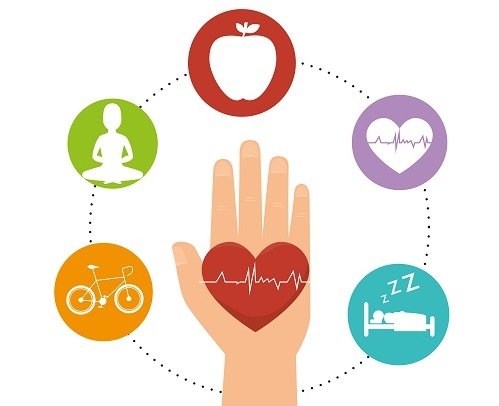
Longevity and Yoga: Cultivating Balance and Flexibility
Updated at: 2023-08-06 00:27:04 (2 years ago by Melkisedeck Leon Shine)
Longevity and Yoga: Cultivating Balance and Flexibility
In today's fast-paced world, where stress and sedentary lifestyles have become the norm, finding ways to maintain longevity and overall well-being is crucial. One practice that has gained immense popularity in recent years is yoga. As AckySHINE, a self-proclaimed yoga enthusiast and advocate for a healthy lifestyle, I would like to share my thoughts on how yoga can help cultivate balance and flexibility for a longer and more fulfilling life.
๐งโโ๏ธ Yoga is a holistic practice that combines physical poses, breathing exercises, and meditation techniques. This combination helps to promote overall well-being and longevity.
๐ฟ Regular yoga practice can help improve flexibility and joint mobility, making everyday movements easier and reducing the risk of injury.
๐ช By strengthening the muscles, tendons, and ligaments, yoga helps to support the body's structure and improves overall balance. This can prevent falls and accidents, especially as we age.
๐ Yoga encourages mindful movement and deep breathing, which can reduce stress and promote relaxation. High levels of stress have been linked to various diseases and can have a negative impact on our overall health and longevity.
๐ฌ๏ธ Deep breathing exercises in yoga help to increase lung capacity and oxygenate the body's cells. This can improve cardiovascular health and enhance longevity.
๐ง Yoga incorporates meditation and mindfulness, which can improve mental health and cognitive function. Regular practice has been shown to reduce symptoms of anxiety and depression, enhancing overall well-being and promoting longevity.
๐๏ธ Yoga teaches us to listen to our bodies and respect their boundaries. This self-awareness and self-care can lead to a more balanced and fulfilling life.
๐ The relaxation techniques practiced in yoga can improve sleep quality and promote better rest. Quality sleep is essential for maintaining overall health and longevity.
๐ Yoga promotes a healthy lifestyle, encouraging practitioners to make mindful choices when it comes to nutrition, hydration, and self-care.
๐๏ธโโ๏ธ Yoga can be adapted to suit people of all ages and fitness levels. Whether you are a beginner or an advanced practitioner, there is a style of yoga that can benefit you in your journey towards longevity.
๐ Yoga builds resilience and fosters a positive mindset. By practicing mindfulness and gratitude, we can cultivate a more optimistic outlook on life, which is beneficial for our overall well-being.
๐ Practicing yoga outdoors, such as in a park or on the beach, can have additional benefits. Breathing in fresh air, connecting with nature, and enjoying the sunshine can enhance the overall experience and promote a sense of well-being.
๐ There are various styles of yoga to choose from, including Hatha, Vinyasa, Ashtanga, and Restorative. Each style offers unique benefits and caters to different needs and preferences.
๐ Practicing yoga in a supportive community or attending group classes can provide a sense of belonging and motivation. Surrounding yourself with like-minded individuals can enhance your yoga journey and make it more enjoyable.
๐ As AckySHINE, I recommend incorporating yoga into your daily routine to cultivate balance and flexibility. Start with just a few minutes each day and gradually increase the duration and intensity of your practice. Remember, consistency is key!
In conclusion, yoga is not just a physical exercise but a way of life that promotes balance, flexibility, and overall well-being. By incorporating yoga into your daily routine, you can cultivate longevity and enjoy a healthier and more fulfilling life. So why wait? Roll out your mat, take a deep breath, and embark on your journey towards a better you!
What are your thoughts on yoga and its impact on longevity? Have you tried practicing yoga? Share your experiences and opinions in the comments below.
Updated at: 2025-05-22 10:09:30 (8 months ago by Melkisedeck Leon Shine)
Maintaining optimal vision throughout life requires a proactive, multidimensional strategy addressing both modifiable and non-modifiable risk factors. This article presents fifteen evidence-based recommendations for mitigating age-related vision impairment, integrating lifestyle choices with preventative healthcare. Our framework utilizes the biopsychosocial modelโwhich posits that health outcomes arise from the intricate interplay of biological, psychological, and social factorsโand the Health Belief Modelโwhich explains how individual perceptions of susceptibility, severity, benefits, and barriers influence health behaviors and the adoption of preventive measures. These models are crucial for designing effective interventions and fostering sustained positive health behaviors. The biopsychosocial model emphasizes the interconnectedness of physical, mental, and social well-being, significantly impacting health outcomes. Conversely, the Health Belief Model highlights an individual's perceptions of risk and benefits, shaping their engagement with preventative health strategies. This integrated approach is fundamental to creating comprehensive strategies for preserving visual acuity.
Conclusions and Recommendations: Preserving visual function demands a holistic approach integrating preventative healthcare, lifestyle modifications, and proactive management of underlying conditions. The recommendations presented are evidence-based, emphasizing regular eye examinations, a balanced diet, environmental hazard protection, and systemic risk factor management. Future research using large-scale, longitudinal studies and advanced imaging techniques should investigate the interplay between nutritional interventions, lifestyle choices, and the progression of age-related eye diseases. A comprehensive strategy significantly improves quality of life and reduces visual impairment in aging populations. The projected impact is substantial, leading to earlier disease detection, improved management of existing conditions, and a reduction in the incidence of severe vision loss. Future research should focus on personalized interventions for specific at-risk populations, utilizing mixed-methods research designs (combining quantitative and qualitative data) to understand the factors influencing age-related vision loss. These findings will inform the development of effective, equitable, and accessible healthcare programs. A cost-effectiveness analysis of various interventions could also inform healthcare resource allocation.
Reader Pool: Considering the multifaceted nature of age-related vision impairment and the necessity for preventative strategies, how can we effectively integrate comprehensive eye care and preventative services into existing healthcare systems to ensure equitable access for all populations?
Updated at: 2025-03-01 20:29:44 (11 months ago by Melkisedeck Leon Shine)
```Our world is rapidly evolving, driven by unprecedented technological advancements. From the ubiquitous smartphone to sophisticated smart homes, digital innovations permeate every aspect of modern life, simplifying tasks and enhancing experiences. But the influence of technology extends far beyond mere convenience; it's profoundly impacting our health and longevity. This article explores the multifaceted ways technology contributes to a longer, healthier, and more fulfilling life.
Revolutionizing Healthcare Access and Management: The digital revolution has fundamentally transformed how we approach healthcare. Wearable technology, such as fitness trackers and smartwatches, provides continuous real-time monitoring of vital health metrics like heart rate, sleep patterns, and activity levels. This data empowers individuals to make informed lifestyle choices, promoting proactive health management and potentially extending lifespan. Telemedicine has further democratized access to healthcare, bridging geographical barriers and offering convenient virtual consultations, saving time and money while ensuring timely access to medical expertise.
Personalized Approaches to Wellness: Technology personalizes our approach to wellness. Numerous apps and platforms provide customized nutrition plans based on individual needs and preferences, optimizing dietary intake for optimal health. Cognitive training apps offer engaging brain exercises to sharpen memory, improve concentration, and potentially mitigate age-related cognitive decline. These personalized tools empower individuals to take control of their physical and mental well-being.
Strengthening Social Connections and Reducing Isolation: Loneliness significantly impacts health and well-being. Technology acts as a powerful antidote, connecting individuals across geographical boundaries. Social media, video calls, and messaging apps facilitate ongoing communication with loved ones, fostering a sense of belonging and social support, crucial elements for a long and happy life. This enhanced connectivity is especially vital for older adults, helping combat isolation and maintaining active social lives.
Enhancing Work-Life Balance and Reducing Stress: The rise of remote work has revolutionized professional life, offering increased flexibility and reduced stress. Eliminating daily commutes minimizes exposure to traffic-related risks and improves work-life balance, contributing to a healthier and more fulfilling professional experience. This shift towards remote work models can positively impact overall well-being and longevity.
Boosting Safety and Security: Technology enhances personal safety through innovative solutions. GPS tracking, home security systems, and emergency alert services provide peace of mind and contribute to a safer environment. This heightened sense of security can significantly reduce stress and improve overall well-being, ultimately impacting longevity.
Addressing Mental Health Concerns: Mental well-being is intrinsically linked to longevity. Technology offers valuable support through online therapy platforms, mental health apps, and online support groups. These digital tools provide accessible and convenient access to mental healthcare, fostering better coping mechanisms and improved emotional resilience.
Leveraging Technology for Active Aging: Aging gracefully doesn't mean slowing down. Numerous apps and online communities cater specifically to active aging, providing exercise routines, social activities, and resources to maintain a healthy and engaged lifestyle in later years. These platforms empower older adults to remain active, socially connected, and independent.
The Power of Information and Assistive Technologies: The internet provides readily accessible health information, empowering individuals to make informed decisions about their healthcare. This increased access to knowledge promotes proactive health management and leads to better health outcomes. Furthermore, assistive technologies, such as voice-controlled devices and smart home automation, enhance independence and improve quality of life for older adults, enabling them to maintain their autonomy for longer.
Beyond the Basics: Exploring Innovative Applications: The applications of technology in extending healthspan continue to expand. Virtual reality (VR) offers therapeutic benefits for pain management and relaxation, providing immersive experiences that promote well-being. Sophisticated health tracking wearables offer increasingly detailed health metrics, providing valuable insights into overall health and allowing for targeted lifestyle adjustments.
Conclusion: A Future Shaped by Technology and Wellness: The integration of technology into our lives offers unprecedented opportunities to enhance longevity and well-being. From proactive health monitoring and personalized wellness plans to strengthened social connections and improved access to healthcare, technology is revolutionizing how we approach health and aging. By embracing these advancements responsibly and mindfully, we can pave the way for a longer, healthier, and more fulfilling future. The ongoing evolution of technology promises even greater advancements in health and longevity in the years to come.
What are your experiences with technology's impact on your health and well-being? Share your insights and perspectives in the comments below!
```
Updated at: 2025-05-20 20:18:00 (8 months ago by Melkisedeck Leon Shine)
A growing body of research illuminates the powerful correlation between a positive outlook and increased longevity. While genetic predispositions undoubtedly play a role in lifespan, the influence of optimism on overall well-being and lifespan is undeniable. This article will explore fifteen key mechanisms through which optimism contributes to extended lifespan, showcasing how cultivating this mindset can serve as a potent tool for achieving a more fulfilling and longer life. We will examine these mechanisms through the lens of established psychological and physiological models, emphasizing the practical application of these principles.
1. Stress Buffering and Allostatic Load: According to the allostatic load model, chronic stress, characterized by prolonged activation of the body's stress response system, accelerates physiological deterioration. Optimism, by acting as an effective coping mechanism, mitigates the deleterious effects of chronic stress, reducing allostatic load and protecting against its detrimental consequences, such as cardiovascular disease and immunosuppression. This translates to a reduced risk of age-related morbidity and mortality.
2. Psychoneuroimmunology and Immune Function: Psychoneuroimmunology (PNI) studies the intricate interplay between psychological processes, the nervous system, and the immune system. Research suggests that optimism exerts a positive influence on immune function. A positive mindset may modulate the activity of immune cells, enhancing the body's ability to fight off infections and diseases, thus contributing to better health outcomes and potentially increased lifespan.
3. Resilience and the Cognitive Appraisal Model: Lazarus's cognitive appraisal model emphasizes the role of individual perception in shaping stress responses. Optimists, through a more adaptive cognitive appraisal process, view setbacks as challenges rather than insurmountable obstacles. This fosters resilience, enabling them to effectively cope with adversity, thereby preventing the cumulative negative impact of stress on both mental and physical health.
4. Mental Health and the Biopsychosocial Model: The biopsychosocial model integrates biological, psychological, and social factors in understanding health and illness. Optimism serves as a protective factor against mental health challenges like anxiety and depression. A positive focus promotes mental well-being, which, in turn, influences physiological processes, including immune function and cardiovascular health, thereby contributing to longevity.
5. Social Support and the Social Convoy Model: The social convoy model highlights the importance of social relationships throughout the lifespan. Optimism enhances social interactions, leading to stronger, more supportive relationships. This robust social network provides emotional buffering, practical assistance, and a sense of belonging, which are all linked to increased life satisfaction and longevity.
6. Health Behaviors and the Health Belief Model: The Health Belief Model emphasizes perceived susceptibility, severity, benefits, and barriers in influencing health behaviors. Optimism increases perceived self-efficacy, leading to proactive health behaviors, including regular exercise, balanced nutrition, and preventative screenings. These actions reduce the risk of chronic diseases and contribute to overall well-being.
7. Decision-Making and Cognitive Flexibility: Optimism is linked to increased cognitive flexibility, enabling more creative problem-solving and more effective decision-making. This ability to navigate life's complexities efficiently promotes better health outcomes and contributes to a greater sense of control over one's life.
8. Cardiovascular Health and the Inflammation Hypothesis: Chronic inflammation is a major contributor to cardiovascular disease. Research suggests that optimism is associated with lower levels of inflammation markers, contributing to better cardiovascular health, reducing the risk of heart disease, stroke, and related mortality.
9. Hedonic Well-being and the Set-Point Theory: While the set-point theory suggests a genetic predisposition to happiness, optimism can significantly influence an individual's hedonic well-being (the experience of pleasure and positive emotions). Sustained happiness, driven by optimism, positively impacts both physical and mental health, leading to increased longevity.
10. Cognitive Reserve and Neuroplasticity: Optimism may contribute to cognitive reserve, a concept referring to the brain's capacity to withstand age-related cognitive decline. A positive outlook promotes neural plasticity, facilitating the formation of new neural connections and enhancing cognitive function, preserving cognitive abilities throughout the lifespan.
11. Purpose and Meaning in Life and Self-Determination Theory: Self-determination theory emphasizes autonomy, competence, and relatedness as fundamental human needs. Optimism fosters a sense of purpose and meaning, motivating individuals to pursue goals, develop skills, and build meaningful connections, all contributing to greater life satisfaction and a potential increase in lifespan.
12. Social Contagion and Positive Psychology: Positive psychology emphasizes the study of human flourishing. Optimism, being contagious, can spread through social networks, fostering a collective sense of well-being. This positive social influence creates a supportive environment that promotes both individual and community health.
13. Self-Efficacy and Goal-Oriented Behavior: Optimism enhances self-efficacy, the belief in one's ability to succeed. This belief empowers individuals to set and achieve personal goals, leading to a sense of accomplishment and fulfillment, which enhances overall well-being and potentially increases lifespan.
14. Balanced Optimism and the Reality Principle: While a positive outlook is beneficial, maintaining a balanced perspective grounded in reality is vital. Realistic expectations mitigate disappointment and promote a sustainable approach to positivity, preventing unrealistic expectations and subsequent disillusionment.
15. Seeking Support and the Importance of Social Networks: Cultivating and maintaining optimism requires conscious effort and resilience. Seeking support from trusted individuals or mental health professionals when facing challenges is a crucial aspect of self-care and contributes to maintaining a positive outlook.
Conclusion and Recommendations: The presented evidence strongly suggests a powerful relationship between optimism and longevity, operating through multiple physiological and psychological pathways. Cultivating optimism is not merely a matter of positive thinking but a proactive strategy for enhancing well-being and potentially extending lifespan. Future research should focus on the development of targeted interventions to foster optimism, particularly in vulnerable populations. These interventions might include mindfulness-based techniques, cognitive behavioral therapy, and social support programs. Furthermore, exploring the genetic and epigenetic underpinnings of optimism and its relationship with longevity could open doors for novel therapeutic approaches and lifestyle modifications that further enhance healthspan and lifespan. The impact of these findings extends far beyond individual well-being; cultivating optimism on a societal level could lead to a healthier and more resilient population. This is not just about extending life, but about enriching its quality and purpose.
Reader Pool: How might integrating the concepts of allostatic load and cognitive appraisal into public health initiatives enhance the promotion of optimism and contribute to a healthier population?
Updated at: 2023-08-06 00:26:55 (2 years ago by Melkisedeck Leon Shine)
Managing Chronic Conditions in Old Age: Quality of Life Matters
As AckySHINE, a seasoned expert in managing chronic conditions in old age, I am here to share my insights and provide valuable advice on how to improve the quality of life for seniors living with chronic illnesses. It is a topic close to my heart, as I have witnessed firsthand the challenges and struggles faced by older adults with chronic conditions. With the right strategies and support, it is possible to enhance their well-being and ensure they enjoy their golden years to the fullest. Let's dive into the 15 points I have prepared for you, accompanied by some delightful emojis!
Understand the condition: Whether it's diabetes, arthritis, heart disease, or any other chronic condition, it's crucial to have a thorough understanding of the ailment. ๐ This knowledge will empower both caregivers and seniors to make informed decisions regarding treatment options and lifestyle modifications.
Build a support network: Seniors need a strong support system to navigate the challenges of managing their condition. Encourage them to join support groups or connect with others facing similar health issues. ๐ค The companionship and shared experiences can provide immense comfort and motivation.
Promote physical activity: Regular exercise, tailored to their abilities, can significantly improve the physical and mental well-being of seniors with chronic conditions. Whether it's a simple walk in the park or gentle yoga sessions, staying active is essential. ๐ถโโ๏ธ๐งโโ๏ธ
Focus on nutrition: A well-balanced diet plays a vital role in managing chronic conditions. Encourage seniors to consume plenty of fruits, vegetables, and whole grains, while limiting unhealthy fats and sugars. ๐๐ฅฆ
Medication management: Proper adherence to prescribed medications is essential. As AckySHINE, I recommend setting up a daily pill organizer or using smartphone apps to remind seniors to take their medications on time. ๐โฐ
Regular check-ups: Routine medical check-ups allow healthcare professionals to monitor the progress of chronic conditions and make necessary adjustments to treatment plans. Schedule regular appointments and accompany seniors to provide support. ๐ฉบ๐
Mental health support: Chronic conditions can take a toll on seniors' mental well-being. Encourage them to seek professional help if needed and engage in activities that promote relaxation and stress reduction, such as meditation or hobbies. ๐๐
Fall prevention: With age, the risk of falls increases, especially for those with chronic conditions. Ensure the home environment is safe, free from tripping hazards, and consider installing grab bars or ramps to minimize the risk. ๐ ๐ซ๐
Assistive devices: Depending on the condition, seniors might benefit from assistive devices such as walkers, canes, or hearing aids. These devices can significantly improve their mobility and overall quality of life. ๐ฆป๐ถโโ๏ธ
Pain management: Chronic pain can be a significant challenge for seniors, affecting their quality of life. Consult with healthcare professionals to develop a comprehensive pain management plan that incorporates medication, physical therapy, and alternative treatments if appropriate. ๐๐โโ๏ธ
Plan for emergencies: It is crucial to have an emergency plan in place, especially for seniors managing chronic conditions. Ensure they have a list of emergency contacts readily available and consider investing in a medical alert system for added peace of mind. ๐๐
Age-friendly environments: When possible, consider transitioning to age-friendly communities or assisted living facilities that provide specialized care for seniors with chronic conditions. These environments offer a range of services and amenities tailored to their needs. ๐๏ธ๐ต
Engage in social activities: Isolation can have detrimental effects on seniors' mental and physical health. Encourage them to participate in social activities, such as joining clubs or volunteering, to foster a sense of belonging and social connection. ๐ญ๐
Palliative care and end-of-life planning: Acknowledging the possibility of declining health is essential. As AckySHINE, I recommend discussing palliative care and end-of-life wishes with seniors and their loved ones, ensuring their comfort and dignity are respected at all times. ๐ทโ
Advocate for yourself or your loved ones: It is of utmost importance to advocate for seniors with chronic conditions. Whether it's requesting additional support from healthcare providers or seeking accommodations for their specific needs, speaking up can make a significant difference in their quality of life. ๐ฃ๐คฒ
In conclusion, managing chronic conditions in old age requires a holistic and proactive approach. By understanding the condition, building a support network, promoting physical activity, focusing on nutrition, and following the remaining points shared above, seniors can lead fulfilling lives despite their health challenges. As AckySHINE, I urge you to implement these strategies and be the catalyst for positive change in the lives of seniors with chronic conditions. Let's work together to ensure their golden years are truly golden! ๐โจ
What are your thoughts on managing chronic conditions in old age? What strategies have you found effective in improving the quality of life for seniors? Share your opinions and experiences below! ๐ฃ๏ธ๐ฌ
Updated at: 2025-06-05 19:11:56 (8 months ago by Melkisedeck Leon Shine)
Technological advancements are revolutionizing senior care, significantly impacting the quality of life for older adults. This article examines key innovations designed to foster safety, independence, and well-being in later life, analyzing their application through established theoretical frameworks. Key concepts explored include ubiquitous computing, assistive technology, remote patient monitoring, telemedicine, the social determinants of health, neuroplasticity, cognitive rehabilitation, human-computer interaction, human-robot interaction, precision medicine, and person-centered care. These concepts are fundamental to understanding the effectiveness and ethical implications of the technologies discussed.
Smart home technologies substantially improve the safety and convenience of senior living. Ubiquitous computing facilitates seamless device integration, creating personalized, responsive environments. Voice-activated assistants (e.g., Amazon Alexa, Google Home) exemplify this, providing hands-free control of lighting, appliances, and communication, enhancing accessibility for individuals with mobility limitations. Automated systems, leveraging automation and control theory principles, manage medication reminders and thermostat adjustments, creating safer, more comfortable living. This aligns with the assistive technology model, promoting self-sufficiency and reducing caregiver reliance for daily tasks. The impact on residents' independence is demonstrably positive, measurable through reduced dependence on external assistance.
Assistive technologies address age-related challenges, supporting independent living. Advanced hearing aids exemplify sensory augmentation principles, while electric wheelchairs and mobility scooters enhance mobility and autonomy. Their design adheres to human-computer interaction principles, prioritizing usability for older adults. These tools enable active lifestyles and community participation, reducing reliance on external assistance and fostering self-efficacy. The successful integration of these technologies requires careful consideration of user needs and preferences during design and implementation.
Wearable technology (smartwatches, fitness trackers) enables continuous health monitoring, employing remote patient monitoring principles. These devices track vital signs (heart rate, activity levels, sleep patterns), providing valuable data for individuals and healthcare providers. Fall detection and emergency SOS features enhance safety and reduce anxiety. This proactive health management aligns with preventative healthcare principles, empowering individuals to actively participate in their well-being. Early detection of health deterioration enables timely intervention, a crucial principle in geriatric care management.
Telehealth services, leveraging telecommunication technology, overcome geographical healthcare access barriers, particularly relevant for rural seniors and those with limited mobility. Video conferencing enables remote consultations, reducing travel and inconvenience. Telemedicine principles ensure consultation quality and efficacy while improving accessibility and affordability. This aligns with universal healthcare access principles and is especially relevant given an aging population and rising healthcare costs. Effective integration of telehealth into existing healthcare systems enhances efficiency and effectiveness. The success of telehealth implementation hinges on robust infrastructure, reliable technology, and adequate training for both patients and healthcare providers.
While cognitive decline is a natural part of aging, technology can mitigate its effects. Cognitive training apps apply neuroplasticity and cognitive rehabilitation principles, offering engaging brain exercises to improve memory, attention, and problem-solving. The gamified nature of many apps enhances engagement and adherence. Regular use promotes cognitive reserve, contributing to a more fulfilling and mentally active lifestyle and potentially delaying cognitive decline. The design of these apps needs to consider the specific cognitive abilities and needs of the target user population to maximize effectiveness and engagement.
Combating social isolation is crucial. Social media and communication apps facilitate communication regardless of distance, addressing social determinants of health. Strong social connections are vital for mental and emotional well-being. These technologies mitigate the negative impacts of social isolation, a significant risk factor for various health problems. From a social psychology perspective, they reinforce social identity and belonging, improving quality of life. However, the digital divide and unequal access to technology must be addressed to ensure equitable benefits for all senior citizens.
Remote monitoring systems provide valuable caregiver support, using sensor technology and data analytics to track activity levels, medication adherence, and routine changes. This aligns with remote health monitoring principles, providing early warnings of potential health problems. Timely interventions reduce caregiver burden and improve both the senior's safety and caregiver's quality of life. Reduced stress and improved well-being for both the patient and family are key benefits. The ethical considerations regarding data privacy and the potential for surveillance need careful attention when deploying these systems.
Robotic companions (Paro, Pepper) offer companionship and emotional support, particularly beneficial for those experiencing loneliness. While not replacing human interaction, they provide engaging interaction and reduce isolation. Their application draws upon therapeutic robotics principles to improve mental health outcomes. The design considers human-robot interaction principles, ensuring intuitive and safe usage. The acceptance and effectiveness of robotic companions depend on careful consideration of user preferences, cultural factors, and the overall integration within a holistic care plan.
Virtual reality (VR) expands seniors' horizons, offering immersive experiences without physical limitations. VR can be used for exploration, social interaction, cognitive stimulation, and reducing confinement. Its application aligns with entertainment therapy principles to improve mental stimulation and emotional well-being. The potential of VR in senior care is vast, but further research is needed to explore its effectiveness for various cognitive and emotional conditions.
Medication management apps simplify complex schedules, reducing errors and improving adherence. Online shopping and delivery services enhance convenience and safety. These leverage human-factors engineering principles to make daily tasks simpler and less error-prone. The usability and accessibility of these services are crucial for their successful adoption by older adults with varying levels of technological literacy.
Personal emergency response systems (PERS) and smart home security systems provide immediate access to help and enhance safety. These systems leverage risk management and emergency response principles for rapid assistance in emergencies. A comprehensive safety plan integrating these systems offers essential protection and promotes independent living with reduced risks. The reliability and responsiveness of these systems are paramount to ensure their effectiveness in critical situations.
Artificial intelligence (AI) transforms healthcare through data analysis and predictive modeling. AI-powered systems analyze medical data, predict potential health problems, and provide personalized treatment recommendations. This application of AI adheres to precision medicine principles to improve diagnostic accuracy and optimize treatment plans. The ethical and societal implications of using AI in healthcare, including data privacy, algorithmic bias, and potential job displacement, require careful consideration.
Technology plays a crucial role in dementia care, addressing challenges such as wandering and cognitive decline. GPS trackers and location sensors enhance safety, while interactive memory aids and reminiscence therapy apps provide cognitive stimulation and support memory recall. These technologies align with person-centered care principles, improving the quality of life for individuals with dementia and their caregivers. The design and implementation of these technologies need to consider the unique needs and challenges of individuals living with dementia and their families.
Technological innovations significantly enhance the quality of life for seniors, promoting safety, independence, and well-being. These advancements address age-related challenges, improve healthcare access, and combat social isolation. Future research should prioritize ethical considerations, particularly regarding data privacy, algorithmic bias, and equitable access. User-friendly interfaces tailored to the needs of older adults are crucial. Long-term effects on cognitive function, social engagement, and overall health outcomes should be investigated. Collaborative efforts between technology developers, healthcare professionals, and policymakers are essential for successful integration into healthcare systems and senior living communities to maximize the positive impact on the lives of older adults. Furthermore, a comprehensive evaluation framework is needed to assess the effectiveness and cost-benefit of these technologies in diverse senior populations and care settings.
Reader Pool: Considering the ethical implications discussed, what further safeguards or regulatory frameworks are necessary to ensure responsible and equitable deployment of technology in senior living?
Updated at: 2025-06-11 11:46:20 (7 months ago by Melkisedeck Leon Shine)
The aging process inevitably brings physiological and cognitive changes. However, these alterations do not automatically necessitate a decline in independence. A proactive and holistic approach, integrating adaptive living strategies and a positive mindset, empowers individuals to maintain autonomy and vitality throughout their later years. This article explores practical strategies, grounded in established theoretical frameworks, to support successful aging and independent living, focusing on the application of these concepts in real-world scenarios.
Successful aging involves a multifaceted approach that considers physical, cognitive, social, and emotional well-being. This section will explore strategies for optimizing each domain, illustrating how theoretical models guide practical applications.
Maintaining physical health is paramount in successful aging. Regular physical activity, tailored to individual capabilities and adhering to exercise physiology principles, is crucial for preserving musculoskeletal strength, balance, and flexibility, mitigating age-related decline. The Health Belief Model is central here, emphasizing perceived susceptibility and perceived benefits in motivating behavior change. For example, understanding an individualโs fear of falling (perceived susceptibility) and highlighting how strength training reduces fall risk (perceived benefit) can significantly improve exercise adherence. Even incremental increases in physical activity, such as incorporating short walks throughout the day, can yield substantial positive health outcomes.
Environmental modifications are essential for promoting safety and independence. Applying universal design principles ensures environments are accessible to all, regardless of age or ability. Installing grab bars, ramps, and adequate lighting minimizes fall risks โ a major concern in older adults. Rearranging furniture to create wider walkways enhances maneuverability. These modifications, informed by occupational therapy principles, directly enhance safety and independence, reducing injury risk and dependence on external assistance. A real-world example would be modifying a bathroom to include a walk-in shower and grab bars, allowing an elderly individual to maintain their independence with bathing.
Assistive technologies are crucial for fostering self-sufficiency. Reachers, shower chairs, walkers, and canes improve functional abilities. The Unified Theory of Acceptance and Use of Technology (UTAUT) model helps explain technology adoption. It highlights the interplay between user characteristics (e.g., age, technology literacy), device attributes (e.g., ease of use, perceived usefulness), and environmental factors (e.g., social support, availability of training) in determining successful assistive technology adoption. Understanding these factors aids in selecting and implementing appropriate technologies and providing necessary support to ensure effective usage.
Cognitive engagement is vital for maintaining mental acuity. Activities like puzzles, reading, learning new languages, and creative pursuits stimulate cognitive function and combat age-related cognitive decline. The cognitive reserve theory suggests that engaging in mentally stimulating activities builds a buffer against cognitive impairment, much like a savings account for brain health. This helps maintain memory, attention, and executive function, enhancing overall cognitive performance. For example, joining a book club or taking a painting class provides both social interaction and cognitive stimulation.
Strong social connections are crucial for emotional well-being. Social support theory emphasizes the protective effect of strong social ties on physical and mental health. Participation in social activities combats loneliness and isolation, which are linked to numerous adverse health outcomes. Joining clubs, volunteering, or attending community events helps individuals maintain a sense of belonging and purpose, directly impacting their overall health and happiness. A practical example is a senior center providing opportunities for social interaction through games, group activities, and shared meals.
Proactive healthcare planning is essential. Developing advance directives, including living wills and durable powers of attorney, ensures that individuals' wishes regarding medical care are respected. This approach, grounded in principles of patient autonomy, reduces family burden and conflict during times of declining health. Open communication with family members and healthcare providers is vital for effective implementation. This ensures that preferences are understood and respected when the individual may be unable to express them.
A balanced diet rich in fruits, vegetables, whole grains, and lean protein is crucial for maintaining overall health. Nutritional science emphasizes the essential role of adequate nutrition in healthy aging. Focusing on nutrient-dense foods supports bodily functions and energy levels. Dietary guidelines and personalized nutritional plans, informed by healthcare professionals, can help optimize nutritional intake for improved physical and cognitive function.
Effective medication management is crucial, especially as the number of medications increases. Maintaining detailed medication records, using pill organizers or medication management apps, and engaging in open communication with pharmacists and healthcare providers ensures safe and effective medication use. This adherence is crucial for maximizing therapeutic benefits and minimizing adverse effects. For example, using a pill organizer with daily compartments can help ensure that medications are taken correctly and consistently.
Technology can significantly enhance independence. Learning to use smartphones, tablets, and computers allows individuals to stay connected, access information, and manage daily tasks. Digital literacy programs and accessible technology resources are vital for empowering older adults to utilize these tools effectively. This can improve access to healthcare information, enhance social connection, and overall improve quality of life.
Stress management techniques, such as meditation, deep breathing exercises, and yoga, are crucial for promoting emotional well-being and resilience. These practices reduce stress hormones and improve cardiovascular health, contributing to better overall health outcomes. The stress-buffering hypothesis suggests that effective coping mechanisms mitigate the negative effects of stress on both physical and mental health. Regular engagement in these practices can significantly improve the quality of life for older adults.
Understanding and utilizing community resources, such as transportation services, home care options, and support groups, is essential. These resources provide valuable assistance and enhance the quality of life, allowing individuals to remain independent for longer periods. Community-based programs play a crucial role in supporting healthy aging in place, optimizing independence and minimizing the need for institutional care.
Regularly assessing one's abilities and needs and adjusting lifestyle accordingly is essential. Seeking additional support, modifying routines, or making environmental changes as needed promotes adaptability and enhances longevity of independence. This iterative process, based on self-assessment and professional guidance, is crucial for navigating the dynamic challenges of aging successfully and maintaining independence.
Continuing to learn and grow throughout life enhances cognitive function, promotes personal growth, and enhances overall well-being. Participating in courses, workshops, or online classes fosters intellectual stimulation and a sense of purpose. This aligns with the principles of lifelong learning and active aging, demonstrating that intellectual curiosity and continuous engagement are vital for maintaining a vibrant and fulfilling life.
Self-care practicesโsuch as pursuing hobbies, spending time in nature, or engaging in relaxing activitiesโcontribute to emotional and physical well-being. Prioritizing self-care reduces stress, promotes relaxation, and enhances overall health and quality of life. This concept is supported by self-determination theory, which emphasizes the importance of intrinsic motivation and autonomy in maintaining well-being.
A positive outlook promotes resilience and enhances overall well-being. Focusing on the joys and opportunities of this life stage fosters adaptability and enhances quality of life. Positive psychology research underscores the significant impact of a positive mindset on health and longevity. Maintaining optimism and focusing on strengths and accomplishments contributes to a more fulfilling and successful aging experience.
Maintaining independence during aging is achievable through a comprehensive, holistic approach that integrates physical, cognitive, social, and emotional well-being. This necessitates a multi-faceted strategy encompassing lifestyle modifications, environmental adaptations, effective utilization of assistive technologies, access to community resources, and proactive healthcare planning. Future research should prioritize the development of personalized interventions tailored to individual needs and preferences, considering factors such as socio-economic status, cultural background, and pre-existing health conditions. A rigorous evaluation of the cost-effectiveness and long-term impact of these interventions is crucial for informing policy and resource allocation. Interdisciplinary collaboration among healthcare professionals, social workers, and community organizations is essential for creating comprehensive support systems that maximize the independence and quality of life for older adults.
Further research should explore the development of predictive models to identify individuals at risk of losing independence earlier and develop timely interventions. This proactive approach will improve the efficiency of resource utilization and positively influence the overall well-being of aging populations. Comparative effectiveness research comparing different strategies for maintaining independence can also help to guide best practices. Finally, exploring the role of technology and artificial intelligence in personalizing and scaling up successful interventions is a promising avenue for future research.
Reader Pool: What are the most significant barriers to implementing the strategies outlined in this article, and how might these barriers be effectively overcome?
Updated at: 2025-06-05 19:50:18 (8 months ago by Melkisedeck Leon Shine)
Chronic pain significantly diminishes the quality of life for older adults, necessitating comprehensive management strategies that transcend purely pharmacological interventions. This article proposes a biopsychosocial model for geriatric pain management, emphasizing a patient-centric, holistic approach to mitigate discomfort and enhance overall well-being. The biopsychosocial model integrates biological, psychological, and social factors to explain the experience and management of pain, acknowledging the multifaceted nature of chronic pain and advocating for individualized care. This model's application allows for a comprehensive understanding of the patient's experience, paving the way for targeted interventions.
1. Establishing a Personalized Baseline: Comprehensive Geriatric Assessment Prior to intervention, a thorough geriatric assessment is crucial. This involves a detailed pain history, encompassing intensity (using validated tools like the Visual Analog Scale or Numerical Rating Scale), location, character, duration, and aggravating/alleviating factors. The assessment should also comprehensively evaluate the patient's physical, cognitive, emotional, and social functioning, aligning with the principles of the Comprehensive Geriatric Assessment (CGA) model. This structured approach lays the foundation for creating a tailored pain management plan that addresses the patient's unique needs and limitations, maximizing the effectiveness of interventions.
2. Optimizing Pharmacological Interventions: A Multimodal Approach While pharmacological interventions are frequently necessary, their application should be cautious and integrated within a multimodal framework. The World Health Organization's analgesic ladder serves as a guideline for escalating treatment based on pain severity, starting with non-opioids and progressing to opioids only when indicated. In geriatric populations, especially, vigilant monitoring for adverse effects like cognitive decline and falls is imperative, given increased susceptibility to medication-related complications. Regular review of treatment efficacy and potential drug interactions is crucial. A multidisciplinary team, involving geriatricians and pharmacists, ensures optimized medication management, minimizing risks and maximizing benefits through collaborative decision-making.
3. Therapeutic Exercise and Physical Therapy: Restoring Function and Mobility Tailored therapeutic exercise, considering individual capabilities and limitations, is essential for improving physical function and reducing pain. Low-impact activities such as aquatic therapy, tai chi, and chair yoga enhance strength, flexibility, and balance, thus mitigating fall risks. A qualified physical therapist designs personalized programs, factoring in comorbidities and functional limitations. Gradual progression, proper form, and avoidance of pain-exacerbating activities are emphasized, with regular monitoring and adjustments to optimize outcomes, leading to improved functional capacity and reduced reliance on assistive devices.
4. Nutritional Optimization: Addressing Inflammation and Deficiencies Nutrition significantly influences pain management. An anti-inflammatory diet, rich in fruits, vegetables, and omega-3 fatty acids, reduces inflammation, a common pain contributor. Addressing prevalent nutritional deficiencies (e.g., vitamin D, calcium) in older adults, affecting bone health and overall well-being, is also crucial. A registered dietitian provides personalized dietary guidance, addressing specific nutritional needs and promoting optimal physiological function.
5. Addressing Psychosocial Factors: Cognitive Behavioral Therapy and Social Support Chronic pain's psychological and social consequencesโanxiety, depression, and social isolationโmust be addressed. Cognitive behavioral therapy (CBT) modifies negative pain-related thoughts and behaviors, while mindfulness-based interventions improve pain management skills. Social support groups and engaging activities combat isolation and improve well-being. Psychologists and social workers offer vital support in managing the emotional and social dimensions of chronic pain, promoting psychological resilience and improving social engagement.
6. Integrating Complementary and Integrative Medicine: Adjunctive Therapies Complementary therapies, such as acupuncture and massage, may offer supplementary pain relief. However, their efficacy varies, requiring qualified and licensed practitioners. These therapies should augment, not replace, evidence-based approaches. A cautious and integrative approach ensures patient safety and maximizes the potential benefits of complementary and alternative medicine.
7. Environmental Modifications and Assistive Devices: Enhancing Safety and Independence Modifying the home environment to enhance safety and independence significantly impacts pain management. This includes installing grab bars, improving lighting, removing hazards, and employing assistive devices (canes, walkers) as needed. An occupational therapist assesses the home environment and recommends appropriate modifications and assistive devices, promoting autonomy and reducing fall risks.
8. Empowering Self-Management: Patient Education and Control Patient empowerment is critical. Educating patients about their condition, teaching self-management techniques (e.g., activity pacing, pain diaries), and fostering a sense of control improve outcomes. Patient education materials and support groups provide crucial resources, fostering active patient participation in their care and empowering self-management strategies.
Conclusion and Recommendations: Advancing Geriatric Pain Management
Effective geriatric pain management demands a comprehensive, multidisciplinary approach integrating biological, psychological, and social interventions. The biopsychosocial model offers a framework for understanding pain's complexity and developing personalized care. Using validated assessment tools, judicious pharmacological interventions within a multimodal framework, therapeutic exercise, nutritional optimization, psychosocial interventions, complementary therapies (when appropriate and with qualified practitioners), environmental modifications, self-management strategies, and strong patient education significantly improve outcomes, functional capacity, and quality of life. Future research should focus on developing and testing effective interventions tailored to older adults, including evaluating various treatment modalities, optimizing multidisciplinary care, and developing effective self-management strategies. Exploring technological advancements like telemedicine and wearable sensor technology can enhance access to and delivery of quality care. Continuous plan evaluation and refinement are essential to adapt to the patient's evolving needs and ensure ongoing effectiveness. The successful integration of these strategies will significantly improve the quality of life for seniors living with chronic pain.
Reader Pool: Considering the biopsychosocial model, what are the potential limitations and challenges in implementing holistic pain management strategies in diverse geriatric populations?
Updated at: 2023-08-06 00:27:48 (2 years ago by Melkisedeck Leon Shine)
Healthy Aging: The Benefits of Mindful Eating
As AckySHINE, a passionate advocate for healthy aging and mindful living, I am here to shed light on the incredible benefits of mindful eating. In today's fast-paced world, where stress and unhealthy eating habits have become the norm, it is essential to take a step back and reevaluate our relationship with food. By embracing mindful eating, we can not only nourish our bodies but also enhance our overall well-being, both physically and mentally. Let's dive into the amazing advantages of this practice!
๐ Boosts Digestion: Mindful eating encourages us to slow down and savor each bite, allowing our bodies to properly digest the food we consume. By focusing on the present moment and enjoying the flavors, textures, and aromas of our meals, we can improve our digestion and prevent discomfort such as bloating or indigestion.
๐ง Enhances Cognitive Function: Engaging in mindful eating can sharpen our cognitive abilities. By paying attention to our meals, we become more aware of the nutritional value of the food we consume and make better choices. This awareness translates into improved mental clarity, memory, and concentration.
๐ช Supports Weight Management: Mindful eating helps us develop a healthier relationship with food by encouraging us to listen to our body's hunger and fullness cues. As AckySHINE, I recommend practicing mindful eating to avoid mindless snacking and overeating, which can lead to weight gain and various health issues.
๐ฟ Promotes Nutrient Absorption: When we eat mindfully, we tend to choose whole, nutrient-dense foods that are beneficial for our bodies. By focusing on the quality and composition of our meals, we optimize nutrient absorption and provide our bodies with the vitamins, minerals, and antioxidants they need to thrive.
๐ Boosts Mood and Emotional Well-being: Mindful eating helps us establish a positive and joyful relationship with food. By savoring each bite and cultivating gratitude for the nourishment it provides, we can enhance our mood and overall emotional well-being. This practice can be particularly beneficial for individuals struggling with emotional eating or disordered eating patterns.
๐ฝ๏ธ Enhances the Pleasure of Eating: Mindful eating allows us to fully enjoy and appreciate the experience of eating. By slowing down and engaging our senses, we can savor the flavors, textures, and aromas of our meals, turning every bite into a delightful moment of self-care and indulgence.
๐ Reduces Stress: In our busy lives, stress can often lead to mindless eating or emotional cravings. Mindful eating provides a powerful tool to combat stress by creating a peaceful and present moment during meal times. By focusing on our food and the act of eating, we can alleviate stress and cultivate mindfulness.
๐ Supports Heart Health: As AckySHINE, I recommend mindful eating as a way to support heart health. By choosing heart-healthy foods and being mindful of portion sizes, we can reduce the risk of cardiovascular diseases, such as high blood pressure or cholesterol levels.
๐ Improves Sleep Quality: When we practice mindful eating, we become more attuned to our body's needs, including its need for restful sleep. By nourishing our bodies with nutrient-dense foods and avoiding heavy meals close to bedtime, we can improve our sleep quality and wake up feeling refreshed.
๐ฅ Enhances Immune Function: A balanced and nutrient-rich diet is crucial for a strong immune system. Mindful eating helps us make conscious choices that support our immune function, such as incorporating a variety of fruits, vegetables, and whole grains into our meals.
๐ค Strengthens Social Connections: Mindful eating can be a wonderful way to connect with others. By engaging in mindful eating practices during shared meals, we can foster deeper connections and create a sense of togetherness and enjoyment.
๐ฅ Encourages Variety and Creativity: Mindful eating encourages us to explore new flavors, textures, and culinary creations. By being present and curious during our meals, we can expand our culinary horizons and discover new and exciting dishes that nourish our bodies and delight our taste buds.
๐โโ๏ธ Supports Mental Health: Mindful eating is closely linked to mental well-being. By taking the time to savor our meals and cultivate gratitude for the nourishment they provide, we can reduce anxiety, stress, and promote a positive outlook on life.
๐งโโ๏ธ Enhances Mindfulness Practice: Mindful eating is a gateway to mindfulness in all aspects of our lives. By practicing mindfulness during meal times, we can cultivate greater awareness and presence throughout our day, leading to a more fulfilling and balanced life.
๐โโ๏ธ๐โโ๏ธ Challenges You: Lastly, mindful eating challenges us to break free from old habits and embrace a healthier and more conscious approach to food. It urges us to question our relationship with food and make choices that align with our long-term well-being.
In conclusion, as AckySHINE, I recommend embracing mindful eating as a powerful tool for healthy aging. By nourishing our bodies with intention and being present in the moment, we can enhance our overall well-being, promote longevity, and truly enjoy the pleasure of eating. So why not start incorporating mindful eating into your daily routine and experience the incredible benefits for yourself?
What are your thoughts on mindful eating? Have you tried it before? Share your opinions and experiences in the comments below!
Updated at: 2025-06-18 12:49:02 (7 months ago by Melkisedeck Leon Shine)
Retirement planning necessitates a proactive and multifaceted approach to ensure financial security and a fulfilling post-employment life. This guide provides a strategic framework for constructing a robust retirement plan, incorporating established financial theories and models to demonstrate practical application in real-world scenarios. We will explore key concepts including goal setting, needs analysis, portfolio management, risk mitigation, and the crucial role of professional financial advice. The principles of behavioral economics, modern portfolio theory (MPT), and the capital asset pricing model (CAPM) will be central to our discussion.
Before developing a financial plan, a clear vision of one's desired retirement lifestyle is paramount. This involves articulating Specific, Measurable, Achievable, Relevant, and Time-bound (SMART) goals, a cornerstone of effective goal setting within behavioral economics. These goalsโwhether focused on travel, hobbies, or family timeโdirectly influence financial requirements and investment choices. For example, instead of a vague aspiration for "more travel," a SMART goal might be "to undertake a two-week European tour within three years." This precision ensures focused planning and attainable objectives, aligning actions with aspirations and reducing cognitive biases that hinder long-term planning.
Accurately estimating retirement income needs is critical. This involves projecting future expenses, including housing, healthcare (accounting for age-related cost increases), and leisure activities. While the "Rule of 72" provides a simplified estimation of investment growth, illustrating the power of compounding, personalized projections require sophisticated financial modeling. Monte Carlo simulations, commonly employed by financial advisors, generate probabilistic forecasts of future income streams, providing a far more comprehensive and nuanced picture than rule-of-thumb calculations, accounting for individual risk tolerance and market volatility. This approach aligns with the principles of dynamic financial planning, recognizing the inherent uncertainty of the future.
Effective budgeting is essential for successful retirement planning. This involves a detailed analysis of current income and expenses, identifying areas for prudent cost reduction without compromising quality of life. This process directly addresses principles of behavioral finance, mitigating impulsive spending and encouraging disciplined saving habits. Budgeting apps and financial software facilitate progress tracking and adherence to financial goals. Regular budget reviews, consistent with dynamic financial planning principles, allow for timely adjustments to address unexpected events or changing financial circumstances. Consistent monitoring helps maintain financial discipline and reduces the likelihood of deviation from planned savings targets.
Diversification across asset classes (stocks, bonds, real estate) is fundamental. Modern Portfolio Theory (MPT) emphasizes diversification to minimize risk while maximizing returns, reducing portfolio volatility and protecting savings from market fluctuations. Asset allocation, a core tenet of MPT, dictates the proportion of assets in each class, customized to risk tolerance and time horizon. The Capital Asset Pricing Model (CAPM) further helps assess the risk and return of individual assets and the overall portfolio, informing investment decisions. Regular portfolio rebalancing ensures alignment with the intended asset allocation, mitigating the impact of market swings.
Long-term care planning is crucial due to substantial associated costs. Rising healthcare expenses globally necessitate proactive strategies. Long-term care insurance can mitigate financial risks, supplemented by dedicated savings accounts or government-sponsored programs, depending on individual circumstances and national healthcare systems. This contingency planning safeguards financial stability during potential health crises, recognizing that healthcare costs represent a significant and often unpredictable expense in later life.
Active participation in employer-sponsored plans (401(k)s, pension plans) significantly boosts retirement savings. Maximizing contributions, especially when employer matching is available, represents a guaranteed return on investment. Understanding plan features, including vesting schedules and contribution limits, is essential for optimizing benefits. This aligns with the principle of maximizing returns with minimal risk, leveraging employer contributions to enhance savings growth.
Supplementing employer-sponsored plans with IRAs expands savings options. Traditional and Roth IRAs offer different tax advantages, demanding careful consideration based on individual circumstances and long-term financial goals. The choice between these options depends on projected tax brackets in retirement. This diversification of savings vehicles complements overall financial diversification strategies for risk mitigation, providing flexibility and optimizing tax efficiency.
Social Security benefits frequently represent a substantial portion of retirement income. Understanding eligibility requirements and projected benefits is vital for accurate retirement planning. Integrating these benefits into the overall financial plan ensures a realistic assessment of future income streams. Considering potential future changes to Social Security benefits and adapting the plan accordingly is essential for its long-term viability and sustainability.
Regular review and adjustment of the retirement plan is crucial given life's unpredictability. Changes in employment, unexpected expenses, or shifts in financial goals necessitate plan modifications. This dynamic approach, consistent with the principles of dynamic financial planning, ensures the plan remains relevant and effective. Annual reviews are recommended to maintain alignment with evolving personal and financial circumstances, fostering adaptability and resilience to unforeseen events.
The complexities of retirement planning strongly suggest seeking guidance from a qualified financial planner. Financial advisors provide personalized strategies tailored to individual needs, promoting informed decision-making. Their expertise helps navigate market fluctuations, optimize investment strategies, and build a comprehensive, personalized retirement plan. This is particularly crucial for navigating the complexities of investment options and regulatory changes.
Phased retirement offers a gradual transition from full-time employment. This approach, involving reduced work hours or adjusted schedules, facilitates a smoother adjustment to retirement. Phased retirement can mitigate financial risks associated with immediate retirement, offering a buffer period for adapting to a new lifestyle and financial circumstances.
Retirement planning should encompass physical and mental well-being. Maintaining a healthy lifestyle enhances retirement enjoyment and potentially reduces healthcare costs. Prioritizing health and wellness maximizes quality of life and contributes to the long-term financial sustainability of the retirement plan.
Inflation erodes purchasing power; accounting for inflation is crucial for maintaining one's desired standard of living. Adjusting investment strategies and savings targets to account for inflation ensures the plan's long-term effectiveness and preserves the real value of retirement income, safeguarding against the erosive effects of inflation.
Retirement planning is a multifaceted process requiring a strategic and adaptive approach. Success depends on clearly defined goals, thorough needs assessments, diversified investment strategies, and consistent plan reviews. Seeking professional financial advice is highly beneficial. Further research could explore the relative effectiveness of different asset allocation models and the impact of varying healthcare systems on long-term care planning. These findings could refine retirement planning methodologies and provide more tailored guidance to diverse populations. The recommendations presented are widely applicable across diverse backgrounds and financial situations. The dynamic and adaptable nature of this framework allows for its continual refinement and improvement as individual circumstances evolve.
Reader Pool: How might advancements in technology and artificial intelligence influence future retirement planning strategies and the role of financial advisors, potentially creating new opportunities for personalized and optimized retirement planning?