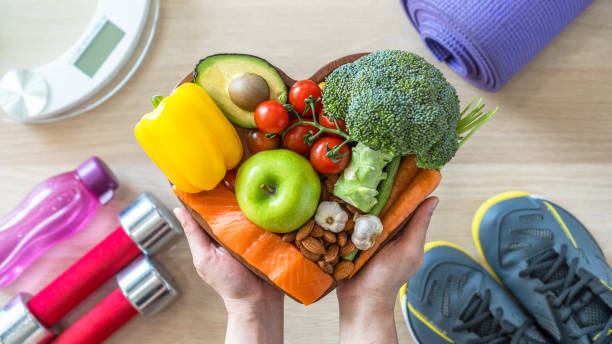
Diet and Chronic Disease: A Guide to Prevention
Updated at: 2025-02-23 18:53:21 (1 year ago by Melkisedeck Leon Shine)
The relationship between diet and chronic diseases is undeniable. What we consume significantly impacts our overall health and well-being, influencing our susceptibility to a range of debilitating conditions. This article explores this crucial connection, offering insights into how dietary choices can either mitigate or exacerbate the risk of chronic illnesses.
The Impact of Dietary Habits on Chronic Disease Risk
Countless studies have irrefutably linked poor dietary habits to the development of chronic diseases like heart disease, type 2 diabetes, and obesity. These conditions, often characterized by long durations and progressive deterioration, place a significant burden on individuals and healthcare systems worldwide. The good news is that through conscious and informed dietary choices, we can significantly reduce our risk.
Nourishing Your Body: The Power of a Balanced Diet
A diet abundant in fruits, vegetables, whole grains, lean proteins, and healthy fats provides the essential nutrients necessary for optimal bodily function. These nutrient-rich foods offer a wealth of vitamins, minerals, and antioxidants that combat inflammation, support cellular repair, and bolster the immune system. Incorporating a variety of these foods ensures a diverse intake of essential nutrients, minimizing deficiencies and promoting overall health.
Harmful Habits: The Dangers of Processed Foods and Unhealthy Fats
Conversely, excessive consumption of processed foods, sugary drinks, and unhealthy fats fuels inflammation, contributes to weight gain, and elevates the risk of various health problems. These foods often lack essential nutrients while being high in calories, unhealthy fats, added sugars, and sodium. Regular indulgence in such diets creates an environment conducive to chronic disease development.
Specific Dietary Risks and Their Consequences
High saturated fat intake significantly elevates cholesterol levels, increasing the risk of heart disease. Similarly, excessive sugar consumption leads to insulin resistance, a major precursor to type 2 diabetes. Understanding these specific links empowers us to make informed choices that prioritize long-term health.
Practical Steps Towards a Healthier Diet
Embarking on a healthier eating journey doesn't require drastic overhauls. Small, incremental changes can yield significant results. Swapping sugary snacks for fresh fruits, choosing baked alternatives over fried foods, and prioritizing water over sugary beverages are simple yet impactful adjustments. Practicing mindful portion control helps prevent overeating and weight gain, contributing to a healthier weight management strategy. Regular physical activity complements a healthy diet, further reducing the risk of chronic diseases.
The Importance of Professional Guidance
While dietary changes form a cornerstone of disease prevention, individual needs vary. Consulting a healthcare professional or registered dietitian is crucial for personalized advice tailored to your specific health status, medical history, and dietary requirements. They can provide guidance on creating a sustainable and effective dietary plan that aligns with your individual needs and goals.
Taking Control of Your Health: A Proactive Approach
Prevention is paramount when it comes to chronic diseases. By proactively nurturing our bodies through a nutritious diet, we invest in our long-term health and well-being, significantly reducing the likelihood of developing chronic conditions. Making informed choices today safeguards our future health and allows us to live longer, healthier, and more fulfilling lives.
Your Journey to Better Health Begins Now
We encourage you to reflect on your current dietary habits and identify areas for improvement. What steps can you take today to enhance your nutritional intake and reduce your risk of chronic diseases? Share your thoughts and experiences in the comments below β let's inspire each other on this journey towards better health!
Updated at: 2023-08-05 22:31:13 (3 years ago by Melkisedeck Leon Shine)
Nourishing Your Skin with Nutrient-Rich Foods π₯π
Hello there, lovely readers! As AckySHINE, I am here to share my expert advice on how to nourish your skin with nutrient-rich foods. We all desire radiant and healthy skin, don't we? Well, the secret lies not only in the products we use but also in the food we consume. Yes, you heard it right! What we eat plays a vital role in enhancing our skin's natural glow. So, let's dive into the world of nutrition and discover how we can achieve that enviable glow from within. Are you ready? Let's get started! πβ¨
Load up on antioxidant-rich fruits and vegetables: These natural powerhouses, such as berries, spinach, and kale, are packed with antioxidants that fight off free radicals and protect our skin cells from damage. ππ₯¬
Don't forget healthy fats: Incorporate foods like avocados, nuts, and seeds into your diet. These contain essential fatty acids, which help maintain the skin's moisture barrier, keeping it soft and supple. π₯π°
Hydrate, hydrate, hydrate: Water is our skin's best friend. Aim to drink at least 8 glasses of water a day to keep your skin hydrated and plump. π¦
Say hello to omega-3 fatty acids: Foods like salmon, chia seeds, and walnuts are rich in omega-3 fatty acids, which help reduce inflammation and keep our skin healthy and clear. ππ°
Include collagen-boosting foods: Collagen is the building block of our skin's structure. Incorporate foods like bone broth, citrus fruits, and dark leafy greens into your diet to promote collagen production. ππ₯¬
Don't skimp on vitamin C: This powerful vitamin helps brighten our complexion and promote an even skin tone. Load up on foods like strawberries, citrus fruits, and bell peppers to boost your vitamin C intake. πππΆοΈ
Go nuts for vitamin E: Almonds, sunflower seeds, and spinach are excellent sources of vitamin E, which helps protect our skin from damage caused by environmental stressors. π°π±
Indulge in antioxidant-rich dark chocolate: Yes, you read it right! Dark chocolate with at least 70% cocoa contains antioxidants that can help improve blood flow to the skin and protect it from UV damage. π«π
Say no to processed foods: Packaged and processed foods often contain additives and preservatives that can wreak havoc on our skin. Opt for whole, unprocessed foods instead to nourish your skin from within. π«π
Spice up your life with turmeric: This golden spice has incredible anti-inflammatory properties, which can help soothe skin conditions like acne and eczema. Sprinkle some in your curries or try a comforting turmeric latte. πΏπ
Don't forget about zinc: Foods rich in zinc, such as oysters, lean meats, and pumpkin seeds, can help regulate oil production, reduce acne breakouts, and promote skin healing. π¦ͺπ₯©π
Embrace the power of green tea: Sip on some green tea daily to benefit from its high antioxidant content. It can help slow down signs of aging, reduce inflammation, and promote a healthy complexion. π΅πΏ
Go for the rainbow: Incorporate a variety of colorful fruits and vegetables into your meals to ensure a wide range of nutrients and antioxidants for your skin. Think vibrant salads, smoothies, and stir-fries! ππ₯π²
Be mindful of your sugar intake: Excess sugar consumption can lead to skin issues like acne and premature aging. Opt for natural sweeteners like honey or fruit instead and limit your intake of sugary treats. π―π¬
Listen to your body: Every individual is unique, and what works for one person may not work for another. Pay attention to how different foods make you feel and how your skin reacts. Experiment and find what works best for you. Your body knows best! ππ«
So there you have it, my friends! My expert advice on nourishing your skin with nutrient-rich foods. Remember, beauty truly does come from within, and by incorporating these foods into your diet, you can achieve that radiant and healthy glow that you've always desired. Stay beautiful and keep shining! β¨π
What are your favorite skin-nourishing foods? Share your thoughts and opinions in the comments below!
Updated at: 2025-04-25 17:26:33 (1 year ago by Melkisedeck Leon Shine)
For centuries, fermentation has been a cornerstone of culinary traditions, prized not only for its flavor-enhancing properties but also for its remarkable health benefits. Beyond the delicious tang and unique textures, fermented foods offer a wealth of advantages, particularly for digestive health and overall well-being. This exploration delves into fifteen compelling reasons to integrate these powerhouse foods into your diet.
1. Cultivating a Thriving Gut Microbiome: Fermented foods are exceptional sources of probiotics β beneficial bacteria that are essential for a balanced and healthy gut microbiome. This improved gut flora directly impacts digestion, nutrient absorption, and overall health, laying the foundation for optimal wellness.
2. Alleviating Digestive Discomfort: Experiencing bloating and gas? Fermented foods, including sauerkraut, kimchi, and kefir, can provide significant relief. Their probiotic content aids in efficient food breakdown and absorption, leading to a more comfortable digestive experience.
3. Optimizing Nutrient Absorption: Fermentation enhances the bioavailability of vital nutrients. Your body more readily absorbs essential vitamins and minerals, such as vitamin K2 found in fermented vegetables, contributing to bone health and overall well-being.
4. Strengthening the Immune System: A healthy gut microbiome is intrinsically linked to a robust immune response. The probiotics in fermented foods bolster the body's natural defenses, creating a stronger shield against illness and infection.
5. Fostering Gut Microbiome Diversity: These foods introduce a wide array of beneficial bacterial strains, fostering a diverse and balanced gut ecosystem. This diversity is crucial for optimal digestive function and overall health, supporting a resilient microbiome.
6. Easing Digestive Distress: Individuals with digestive conditions like irritable bowel syndrome (IBS) or lactose intolerance may find substantial relief through regular consumption of fermented foods. Probiotics can reduce inflammation and improve gut function, easing discomfort and promoting regularity.
7. Promoting Regular Bowel Movements: Fermented foods contribute to healthy digestion, facilitating regular and comfortable bowel movements. They prevent constipation and promote a balanced digestive rhythm, relieving associated discomfort.
8. Supporting Healthy Weight Management: As part of a balanced diet, fermented foods can play a role in weight management. Studies suggest that probiotics can improve metabolic function, potentially contributing to healthy weight maintenance.
9. Nurturing Mental Well-being: The gut-brain axis highlights the strong connection between gut health and mental well-being. Fermented foods may positively influence mental health by supporting this vital connection, contributing to emotional balance and resilience.
10. Enhancing Nutrient Synthesis: Fermented foods such as tempeh and miso contain beneficial enzymes that break down complex nutrients, improving their bioavailability. This process maximizes the nutritional value of your meals, ensuring optimal absorption of essential elements.
11. Reducing Chronic Disease Risk: Research suggests a correlation between regular consumption of fermented foods and a reduced risk of chronic diseases, including heart disease, type 2 diabetes, and certain cancers. Their nutrient-rich profile and probiotic content may offer a protective effect.
12. Achieving Radiant Skin: The health of your gut significantly impacts skin condition. Introducing probiotics through fermented foods may alleviate skin issues such as acne, eczema, and rosacea, contributing to a clear and radiant complexion.
13. Increasing Feelings of Satiety: Many fermented foods are rich in fiber and protein, promoting feelings of fullness and satiety. This can be particularly helpful in managing appetite and controlling calorie intake for healthy weight management.
14. Preserving Nutritional Integrity: Fermentation not only enhances flavor and texture but also helps preserve the nutritional value of foods. This extends the shelf life of perishable ingredients and reduces food waste.
15. A World of Delicious Choices: From the tangy zest of kefir to the spicy kick of kimchi, the diverse world of fermented foods offers a plethora of flavors and textures to suit every palate. Making healthy eating a delightful and enjoyable experience.
Incorporating fermented foods into your daily diet offers a multitude of benefits for digestive health and overall well-being. From enhancing nutrient absorption and boosting immunity to improving mood and reducing disease risk, the advantages are clear. Explore the exciting variety of fermented foods and discover your favorites β your gut will thank you!
Share your experiences with fermented foods and any favorite recipes in the comments below!
Updated at: 2025-02-20 04:40:35 (1 year ago by Melkisedeck Leon Shine)
Herbs and spices: culinary delights that transcend mere taste enhancement. These potent additions to our meals offer a treasure trove of health benefits, impacting everything from immunity to cognitive function. Let's explore the compelling reasons to integrate these natural powerhouses into your daily diet.
A Shield Against Illness: Boosting Your Immunity
Many herbs and spices are rich in antioxidants, nature's defense against cell damage. Turmeric, for example, boasts curcumin, a potent antioxidant with anti-inflammatory and immune-boosting properties. Regular consumption can strengthen your body's natural defenses, making you more resilient to illness.
Digestive Harmony: Soothing Your Gut
Suffering from bloating, indigestion, or nausea? Ginger and peppermint, with their soothing properties, can help alleviate these digestive woes. These spices stimulate digestive enzyme production, facilitating efficient food breakdown and promoting a healthy gut microbiome.
Combating Inflammation: A Foundation for Long-Term Health
Chronic inflammation is a silent contributor to numerous health problems, including heart disease and certain cancers. Fortunately, herbs and spices like cinnamon, garlic, and rosemary possess remarkable anti-inflammatory properties, helping to mitigate this underlying risk factor.
Nutrient Absorption Enhancement: Maximizing Nutritional Value
Did you know that some herbs and spices can actually improve nutrient absorption? Black pepper, containing piperine, enhances the absorption of essential vitamins and minerals such as vitamin B and selenium, maximizing the nutritional value of your meals.
Blood Sugar Regulation: A Natural Approach to Diabetes Management
Cinnamon and fenugreek have demonstrated potential in regulating blood sugar levels. This is particularly beneficial for individuals with diabetes or those at risk of developing the condition, offering a natural pathway to better blood sugar control.
Natural Food Preservation: Reducing Foodborne Illness Risk
For centuries, herbs and spices have been employed as natural preservatives due to their antimicrobial properties. Adding them to your meals can inhibit the growth of harmful bacteria, reducing the risk of foodborne illnesses and keeping your food fresher for longer.
Cancer Prevention: Exploring the Anticancer Potential
Research suggests that certain herbs and spices, including garlic, ginger, and turmeric, may exhibit anticancer properties. These ingredients contain compounds that can potentially inhibit the growth of cancer cells, contributing to a reduced risk of certain cancers. Further research is ongoing in this promising area.
Weight Management Support: Aiding Your Weight Loss Journey
Incorporating herbs and spices can support weight management efforts. Cayenne pepper, with its capsaicin content, can boost metabolism and reduce appetite, contributing to more efficient calorie burning. This can be a valuable addition to a holistic weight loss strategy.
Cognitive Enhancement: Sharpening Your Mind
Certain herbs and spices, such as sage and turmeric, have shown promise in enhancing cognitive function. They may improve memory, concentration, and overall brain performance, potentially offering natural support for brain health.
Metabolic Boost: Accelerating Your Metabolism
Spices like chili peppers and ginger can temporarily increase your metabolic rate, resulting in higher calorie expenditure. This can be a beneficial component of a weight management plan, contributing to a greater calorie burn throughout the day.
Mood Elevation: Enhancing Your Emotional Well-being
The aromatic and flavorful profiles of herbs and spices can positively influence your mood and overall well-being. The calming scent of lavender, for instance, is known for its stress-reducing and relaxation-promoting effects.
Cardiovascular Health: Protecting Your Heart
Herbs and spices such as garlic, cayenne pepper, and cinnamon have been linked to cardiovascular benefits, potentially contributing to lower blood pressure, reduced cholesterol levels, and improved overall heart health. These effects are often attributed to their antioxidant and anti-inflammatory properties.
Pain Relief: Natural Pain Management
Certain spices, like cayenne pepper and ginger, possess natural pain-relieving properties. They may reduce inflammation and provide temporary relief from conditions like arthritis and muscle soreness, offering a natural alternative for pain management.
Culinary Creativity: Adding Flavor and Variety
Beyond their health benefits, herbs and spices are culinary game-changers. They add zest and complexity to meals, transforming ordinary dishes into extraordinary culinary experiences. Experimenting with various combinations unlocks a world of flavor possibilities.
A Path to Longevity: Cultivating a Healthier Life
The cumulative impact of the health benefits offered by herbs and spices contributes to a healthier and potentially longer life. Incorporating them into your diet is a proactive step towards enhancing your overall well-being and optimizing your healthspan.
In conclusion, the incorporation of herbs and spices into your culinary routine offers a multitude of health benefits and adds a vibrant dimension to your meals. Embrace the power of these natural ingredients and discover the transformative impact they can have on your health and happiness.
What are your favorite herbs and spices? Share your culinary creations and experiences in the comments below!
Updated at: 2025-06-11 10:52:04 (1 year ago by Melkisedeck Leon Shine)
Navigating the complexities of modern food processing necessitates a clear understanding of food additives and preservatives. This guide provides a comprehensive overview, enabling informed consumer choices and promoting dietary literacy.
We begin by defining key concepts. Food additives are substances intentionally incorporated into food during processing or preparation to modify or enhance its characteristics, encompassing attributes like taste, texture, appearance, and shelf-life. A subset of additives, preservatives, specifically function to inhibit microbial growth and oxidation, thereby extending the food's lifespan and ensuring safety. This discussion will draw upon principles of food chemistry, microbiology, and regulatory science to illustrate the roles and implications of these substances.
The application of additives and preservatives extends beyond mere shelf-life extension; they are integral to maintaining food safety and quality. From a public health perspective, these substances are critical in preventing foodborne illnesses. By inhibiting the growth of spoilage microorganisms (bacteria, yeasts, molds), and slowing down oxidation processes, these additives ensure the safe transportation, storage, and distribution of food products globally. This, in turn, supports food security by expanding access to a wider variety of foods and maintaining their nutritional value over extended periods. The application of these concepts aligns with established food safety standards and frameworks such as Hazard Analysis and Critical Control Points (HACCP) principles. HACCP principles, focusing on hazard prevention, are essential in the design of food production processes and ensure food safety throughout the supply chain.
The food industry utilizes a diverse range of additives and preservatives, each with a specific function. These can be classified based on their functional properties. For example:
Addressing consumer concerns regarding safety, the use of food additives and preservatives is subject to stringent regulations by national and international food safety agencies (e.g., FDA in the US, EFSA in Europe). These agencies perform thorough risk assessments, employing toxicological studies and establishing acceptable daily intakes (ADIs) before approving additives for use. This regulatory process leverages risk assessment models and integrates scientific evidence to ensure consumer protection while supporting the legitimate role of additives in food production and safety.
The potential health effects of food additives are continually evaluated through extensive scientific research. Current evidence suggests that moderate consumption of additives approved by regulatory bodies generally poses minimal risk to human health. However, the principle of moderation remains crucial. A balanced diet rich in whole, unprocessed foods should form the cornerstone of a healthy eating pattern. Understanding the concept of the ADI is crucial to this discussion, providing a framework for safe additive consumption.
Food additives originate from two main sources: natural and synthetic. Natural additives are derived from plants, animals, or minerals. Synthetic additives are produced through chemical processes. Both categories undergo rigorous safety assessments, emphasizing that safety standards and regulatory approval do not inherently differentiate between natural and synthetic sources, but rather focus on toxicological properties and potential risk assessment.
Food labels serve as crucial information sources. Additives are listed by their specific names or E-numbers (European Union coding system). Understanding these designations empowers consumers to make choices informed by individual dietary preferences, needs, and sensitivities. This reflects the growing emphasis on consumer transparency and the right to informed decision-making.
While generally safe within established limits, minimizing additive intake is achievable by prioritizing fresh, whole foods and home cooking. This approach reduces reliance on processed foods and enhances dietary control. The focus here shifts to promoting practical changes in dietary behavior.
Processed foods often contain higher concentrations of additives. A balanced approach involves integrating fresh, minimally processed foods with processed items, aiming for a diverse and well-rounded nutritional intake. This perspective considers the practical realities of modern diets and advocates for a holistic view of food choices rather than simple avoidance of processed foods.
Preservatives play a critical role in extending the shelf life of foods, thereby reducing food waste and maintaining product quality throughout the supply chain. This underscores the economic and environmental benefits of using appropriate preservatives, contributing to sustainable food systems.
Traditional food preservation techniques, such as fermentation, drying, salting, and the use of herbs and spices, offer alternatives to synthetic additives. These methods, deeply rooted in cultural practices, often enhance flavor and provide additional health benefits. Applying these techniques contributes to the development of sustainable and culturally relevant food systems.
A holistic view emphasizes the importance of a balanced diet that includes a variety of foods. While food additives are generally safe, excessive consumption of heavily processed foods containing high levels of additives can negatively impact overall health. The principle of moderation and the prioritization of whole foods should guide dietary choices. This aligns with current dietary guidelines advocating for a variety of nutrients and minimizing the consumption of heavily processed items.
Cultures worldwide have developed diverse preservation and flavor enhancement methods often utilizing naturally occurring substances. Examples include fermentation techniques in Asian cuisines and the Mediterranean diet's emphasis on herbs and olive oil. This highlights the interplay between culture, food, and traditional knowledge.
The food industry is responding to increasing consumer demand for cleaner labels and healthier alternatives, driving innovation in preservation techniques and the development of more natural additives. This signifies a shift towards a more transparent and consumer-centric approach to food production and formulation.
Reader Pool: What are your perspectives on the balance between utilizing food additives to enhance food safety and quality and minimizing the intake of processed foods to maintain a balanced diet?
Updated at: 2025-02-23 13:35:46 (1 year ago by Melkisedeck Leon Shine)
Maintaining a healthy lifestyle is a journey, and a crucial element of that journey is nourishing your body with nutrient-rich foods. With the sheer variety of food choices available, itβs easy to feel overwhelmed. This comprehensive guide will illuminate the power of nutrient-dense foods and how they contribute to overall well-being. Let's explore the essential foods that fuel a vibrant and healthy you.
Beyond simply eating, we need to focus on the quality of our food. Nutrient-rich foods provide the essential vitamins, minerals, and antioxidants our bodies crave, supporting everything from immune function to energy levels. Making informed food choices empowers you to take control of your health and unlock your full potential.
By incorporating these nutrient-rich foods into your daily diet, you invest in your health and well-being. Remember, it's a holistic approach β focusing on both the quality and variety of your food choices. Embrace the power of nutrient-dense eating and unlock a healthier, more vibrant you!
What are your favorite nutrient-rich foods? Share your tips and experiences in the comments below. Let's inspire each other to create a healthier lifestyle!
Updated at: 2025-02-20 04:49:50 (1 year ago by Melkisedeck Leon Shine)
Food additives and preservatives are ubiquitous in our modern food supply, impacting taste, texture, appearance, and shelf life. This comprehensive guide delves into their roles, safety, and impact on our health, empowering you to make informed choices about the food you consume.
What are Food Additives and Preservatives?
Food additives encompass a broad range of substances added during processing or preparation to enhance various qualities. These enhancements can include improving taste, texture, appearance, or extending shelf life. Preservatives, a subset of food additives, specifically target the prevention of spoilage, significantly extending a food product's lifespan and minimizing the risk of foodborne illnesses.
The Essential Role of Additives and Preservatives
The incorporation of food additives and preservatives is crucial for maintaining food quality and safety. They act as a bulwark against bacterial growth, oxidation, and spoilage, thus ensuring food remains fresh and safe for consumption over extended periods. This is particularly important for maintaining a stable food supply and reducing the risk of foodborne illnesses.
Common Types of Food Additives and Preservatives
The food industry utilizes a vast array of additives and preservatives, each serving a specific function. Some common examples include:
Safety and Health Considerations
The use of food additives and preservatives is rigorously regulated by government agencies worldwide to ensure their safety for consumption. Extensive testing and evaluation are undertaken before approval for use in food products. While generally recognized as safe (GRAS), individual sensitivities and allergies do exist. Always check food labels if you have specific concerns or known allergies.
Concerns regarding the potential negative health impacts of these substances have been raised. However, extensive scientific research consistently demonstrates that when consumed within recommended limits, the risks to health are minimal. Moderation remains key in any aspect of diet and nutrition.
Natural vs. Synthetic Additives
Additives are derived from both natural and synthetic sources. Natural additives are sourced from plants, animals, or minerals, whereas synthetic additives are created through chemical synthesis. Both types can be safely used, provided they adhere to established safety standards and regulations.
Understanding Food Labels
Identifying food additives and preservatives on labels is crucial for informed consumer choices. Additives are typically listed by their specific names or assigned E-numbers, a coding system used within the European Union to identify approved additives.
Minimizing Additive Intake
While generally safe, individuals seeking to minimize their intake of food additives and preservatives can prioritize fresh, whole foods and home cooking. Preparing meals from scratch allows for complete control over ingredients, minimizing exposure to unnecessary additives.
Additives in Processed Foods
Processed foods, such as canned goods, frozen meals, and many snack foods, often contain higher levels of additives and preservatives than fresh, whole foods. Maintaining a balanced diet that incorporates a variety of fresh, unprocessed foods alongside processed options is a recommended approach to nutritional well-being.
The Role of Preservatives in Food Preservation
Preservatives are instrumental in extending the shelf life of food products. By inhibiting the growth of microorganisms such as bacteria, yeasts, and molds, they prevent spoilage, maintaining food quality and safety over time. This is especially significant in reducing food waste and ensuring food security.
Exploring Alternatives
Consumers seeking alternatives to certain additives and preservatives can explore natural options, such as employing natural herbs and spices for flavor enhancement or selecting organic products that are typically free from synthetic additives.
Balance and Moderation
Maintaining a balanced and moderate approach to food consumption is paramount. While food additives and preservatives are generally safe, excessive consumption of highly processed foods rich in these substances may not be conducive to optimal health. A varied and balanced diet is always recommended.
Cultural Perspectives
Different cultures and cuisines utilize food additives and preservatives in unique ways, often reflecting traditional practices and readily available ingredients. For instance, Asian cuisines may incorporate natural preservatives like soy sauce or fermented products, while Mediterranean diets may leverage the antioxidant properties of olive oil and herbs.
The Future of Food Additives and Preservatives
The food industry is continuously evolving, responding to growing consumer demand for cleaner labels and healthier options. Future trends suggest an increased focus on developing cleaner-label additives and innovative preservation methods that prioritize both food safety and consumer preferences for more natural products.
Conclusion: Informed Choices for a Healthier Diet
Understanding food additives and preservatives empowers informed decision-making about our food choices. While these substances play significant roles in our food supply, their safety and regulation ensure they can be consumed without undue health risks. Prioritizing fresh, minimally processed foods whenever possible, alongside mindful consumption of processed items, contributes to a balanced and healthy diet. By remaining informed and making conscious choices, we can enjoy a varied and nutritious diet, appreciating the benefits of both traditional and modern food production techniques.
Updated at: 2023-08-05 22:32:20 (3 years ago by Melkisedeck Leon Shine)
π½οΈ 15 Tips for Eating Mindfully and Enjoying Your Food π½οΈ
As AckySHINE, a specialist in mindful eating, I am here to guide you on a journey towards a healthier relationship with food. Mindful eating is the practice of paying attention to the present moment while eating, without judgment. By incorporating these 15 tips into your daily routine, you can transform your eating experience and truly savor every bite.
1οΈβ£ Slow Down: Take your time to chew each mouthful thoroughly. This allows your body to properly digest the food and helps you to appreciate the flavors and textures.
2οΈβ£ Engage Your Senses: Before taking your first bite, take a moment to observe the colors, shapes, and aromas of your food. As you eat, pay attention to the flavors and textures that are dancing on your taste buds.
3οΈβ£ Eliminate Distractions: Turn off the TV, put away your phone, and create a peaceful environment for your meals. Focusing solely on your food will enhance the pleasure and satisfaction you derive from it.
4οΈβ£ Portion Control: Be aware of the quantity of food you are consuming. Use smaller plates and bowls to help control portions and prevent overeating.
5οΈβ£ Mindful Shopping: When grocery shopping, choose fresh and whole foods that nourish your body. Avoid impulse buying and stick to a shopping list to ensure you make healthier choices.
6οΈβ£ Listen to Your Body: Pay attention to your body's hunger and fullness cues. Eat when you are truly hungry, and stop when you feel satisfied, not stuffed.
7οΈβ£ Practice Gratitude: Before digging into your meal, take a moment to express gratitude for the food in front of you. This simple act can bring a sense of appreciation and mindfulness to your eating experience.
8οΈβ£ Chew Mindfully: Be mindful of each bite by chewing slowly and thoroughly. This allows your digestive system to work efficiently, and it also helps to prevent overeating.
9οΈβ£ Eat with Intention: Ask yourself why you are eating. Are you hungry, bored, or stressed? By understanding your emotional state, you can make conscious choices about whether eating is the right decision at that moment.
π Include a Variety of Foods: Incorporate a wide range of colors, flavors, and textures into your meals. This not only makes your meals more exciting, but it also ensures you are getting a diverse array of nutrients.
1οΈβ£1οΈβ£ Practice Mindful Cooking: Engage in the process of cooking with mindfulness. Appreciate the ingredients, focus on the smells and flavors as you prepare your meals, and take pride in nourishing yourself.
1οΈβ£2οΈβ£ Eat in Silence: Occasionally, try eating a meal in silence. This allows you to fully concentrate on the taste and sensations of the food, heightening your overall eating experience.
1οΈβ£3οΈβ£ Mindful Snacking: Apply the principles of mindful eating to snacking as well. Avoid mindlessly munching on snacks while watching TV or working. Instead, savor each bite and truly enjoy the flavors.
1οΈβ£4οΈβ£ Cultivate Mindful Habits: As AckySHINE, I recommend incorporating mindfulness into other aspects of your life. For example, taking a walk in nature, meditating, or practicing yoga can help to cultivate a mindful mindset that extends to your eating habits.
1οΈβ£5οΈβ£ Reflect and Learn: After each meal, take a moment to reflect on your eating experience. Ask yourself if you felt satisfied, if you ate mindfully, and what you can do differently in the future to improve your relationship with food.
By incorporating these 15 tips into your daily routine, you can transform your relationship with food and develop a healthier and more enjoyable way of eating. Remember, mindful eating is a journey, so be patient and kind to yourself as you embark on this path. Now, I would love to hear your thoughts. How do you practice mindful eating in your daily life? Share your experiences and insights in the comments below!
Updated at: 2025-02-28 11:53:42 (1 year ago by Melkisedeck Leon Shine)
Juggling work, family, and social life leaves little time for elaborate cooking. The constant struggle to find healthy, convenient meals is a familiar challenge for many. But what if you could reclaim your evenings and weekends, all while ensuring your family enjoys nutritious food? The answer lies in the art of meal prepping.
This guide provides a step-by-step approach to simplifying your weeknight dinners and ensuring you always have healthy options readily available. Whether you're a single professional or part of a bustling family, these strategies will revolutionize your approach to cooking and eating.
Effective meal prepping starts with a well-defined plan. Dedicate some time each week β perhaps Sunday afternoon β to plan your meals. Involve your family in this process; considering everyone's preferences ensures everyone enjoys the prepared meals. Think about upcoming events or busy days, adjusting your plan to accommodate them. This initial investment in planning pays dividends throughout the week.
With your meal plan in place, create a comprehensive grocery list. This detailed list minimizes impulse purchases at the supermarket, keeping you on track and within budget. Categorizing your list by grocery store sections can make shopping more efficient. Sticking to your list is crucial for maximizing your time and minimizing food waste.
Smart ingredient selection is key to efficient meal prepping. Choose versatile ingredients that can be used in multiple dishes. For example, a large batch of roasted chicken can be used in salads, sandwiches, tacos, or even added to pasta dishes throughout the week. This reduces preparation time and minimizes food waste.
High-quality storage containers are essential for preserving the freshness and flavor of your prepared meals. Invest in leak-proof, microwave-safe, and BPA-free containers in a variety of sizes. Properly storing your meals ensures they remain safe and palatable throughout the week.
Cooking in bulk is the heart of efficient meal prepping. Prepare large batches of your favorite recipes, dividing them into individual portions for easy grab-and-go meals. This significantly reduces the time spent cooking throughout the week, leaving you more time for other activities.
Soups, stews, casseroles, and even individual portions of chili are ideal for freezing. Preparing a large batch and freezing individual portions allows you to pull out a meal whenever you need it, offering a convenient and healthy solution on busy days.
Turn meal prepping into a family affair! Assign age-appropriate tasks to each family member β chopping vegetables, washing dishes, or assembling meals. This not only lightens the workload but also fosters teamwork and bonding, making the process enjoyable for everyone.
Consider investing in time-saving kitchen gadgets such as slow cookers, pressure cookers, or food processors. These tools significantly reduce preparation and cooking time, making meal prepping a more manageable task. Explore various options to find what best suits your needs and cooking style.
Prepping healthy snacks is as important as prepping meals. Chop vegetables, portion out nuts and seeds, and prepare homemade energy bars to avoid unhealthy snacking throughout the week. Having readily available snacks reduces the temptation of less healthy options.
Utilize different sizes and shapes of containers to efficiently store your prepped meals. This ensures you have appropriate containers for various food types and portion sizes, improving organization and minimizing waste.
Label each container clearly with the name of the dish and the date it was prepared. This prevents confusion, ensures you eat the oldest meals first, and minimizes food waste by helping you track your prepared meals effectively.
Embrace your leftovers! Don't let leftover ingredients go to waste. Get creative and use them in new dishes. Leftover chicken can become a salad or a flavorful pasta addition, minimizing waste and maximizing flavor.
Consistency is crucial for successful meal prepping. Designate a specific day each week for meal preparation. This consistent scheduling ensures that you always have prepared meals available, preventing last-minute rushed decisions about dinner.
While meal prepping may seem time-consuming initially, remember the long-term benefits. It saves you significant time and money throughout the week, promotes healthier eating habits, and reduces stress related to nightly meal planning.
Approach meal prepping as a form of self-care. Put on your favorite music, involve your family, and create a positive and enjoyable experience. Transforming your approach to cooking can make a significant difference in your overall well-being.
In conclusion, meal prepping is more than just a time-saving strategy; it's a lifestyle choice that promotes healthy eating, reduces stress, and frees up valuable time. Embrace the process, experiment with different recipes and techniques, and enjoy the delicious and convenient results. Start your meal prepping journey today and experience the transformative benefits for yourself!
Updated at: 2025-03-01 15:57:06 (1 year ago by Melkisedeck Leon Shine)
Peak athletic performance hinges on more than just training; it requires meticulous attention to detail, including optimal hydration. This comprehensive guide, developed by fitness expert AckySHINE, explores the vital role hydration plays in athletic success, offering actionable steps to elevate your workout and prevent dehydration.
Water is the cornerstone of bodily function. During physical activity, sweat leads to significant fluid loss. Maintaining adequate hydration is not merely beneficial, but essential for preventing fatigue, muscle cramps, and performance plateaus. Understanding and proactively managing your individual hydration requirements is paramount to maximizing your fitness potential.
Hydration needs are highly individual, influenced by a complex interplay of factors. These include your body weight, the intensity and duration of your workout, environmental conditions like temperature and humidity, and your personal metabolic rate. While AckySHINE emphasizes listening to your body's signals, consistent monitoring and proactive hydration strategies are crucial for achieving peak performance.
Optimal hydration is non-negotiable for achieving peak athletic performance and overall health. AckySHINE's recommendations highlight the importance of a proactive, comprehensive approach to hydration, encompassing pre-, intra-, and post-workout strategies. By adhering to these guidelines, you'll maintain optimal hydration, boosting energy levels, improving workout performance, and fostering overall well-being. Prioritize hydrationβit's a transformative element in your fitness journey.
Share your favorite hydration strategies for maximizing workout effectiveness!