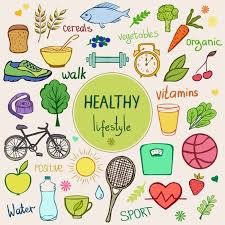
15 Tips for Establishing Healthy Eating Habits for Kids
Updated at: 2023-07-04 19:50:00 (2 years ago by Melkisedeck Leon Shine)
15 Tips for Establishing Healthy Eating Habits for Kids 🥦🍎
As parents, it is our responsibility to guide our children towards a lifetime of healthy eating habits. Instilling these habits from an early age can have a profound impact on their overall well-being. Here are 15 practical tips to help you establish healthy eating habits for your kids, backed by professional advice and real-life experiences.
1️⃣ Make meals a family affair: Eating together as a family not only encourages healthy eating habits but also strengthens family bonds. Create a positive, interactive environment around the dining table.
2️⃣ Lead by example: Children learn and mimic their parents' behavior. By consciously adopting healthy eating habits ourselves, we can inspire our little ones to follow suit.
3️⃣ Introduce a variety of foods: Encourage your child to try different fruits, vegetables, whole grains, and lean proteins. This will expand their palate and provide a range of essential nutrients.
4️⃣ Make healthy food fun: Transform ordinary meals into exciting creations. Use cookie cutters to shape fruits and vegetables or create colorful food art on their plates.
5️⃣ Get them involved: Engage your kids in meal planning, grocery shopping, and cooking. This not only educates them about healthy food choices but also empowers them to make better decisions.
6️⃣ Limit sugary drinks: Swap sugary beverages with healthier alternatives like water, flavored water, or homemade juices. Avoid sugary drinks that contribute to excessive calorie intake.
7️⃣ Set screen time limits: Excessive screen time often leads to mindless snacking. Establish rules that limit their exposure to screens during meal times to encourage mindful eating.
8️⃣ Teach portion control: Help your child understand appropriate portion sizes by using visual aids, such as comparing food portions to familiar objects like a deck of cards or a tennis ball.
9️⃣ Make healthy snacks easily accessible: Keep a bowl of fresh fruits or cut-up vegetables readily available for your kids to snack on. This encourages them to reach for nutritious options instead of unhealthy treats.
🔟 Encourage mindful eating: Teach your child to eat slowly, chew their food thoroughly, and savor the flavors. This fosters a sense of satisfaction and prevents overeating.
1️⃣1️⃣ Avoid using food as a reward: Instead of offering unhealthy treats as rewards, consider non-food alternatives like a trip to the park, a movie night, or extra playtime.
1️⃣2️⃣ Be patient with picky eaters: It takes time for children to develop a liking to certain foods. Continue offering a variety of healthy options and be patient, as taste preferences evolve over time.
1️⃣3️⃣ Limit processed foods: Processed snacks and meals are often high in unhealthy fats, sodium, and added sugars. Opt for homemade alternatives and limit the intake of packaged snacks.
1️⃣4️⃣ Make hydration exciting: Encourage your child to drink water by infusing it with fresh fruits or herbs or by using fun and colorful water bottles.
1️⃣5️⃣ Celebrate occasional indulgences: While it's important to establish healthy eating habits, occasional treats can be a part of a balanced lifestyle. Teach your child the importance of moderation and enjoying special treats in moderation.
By implementing these 15 tips, you can lay the foundation for a lifetime of healthy eating habits for your kids. Remember, it's never too early to start, and the benefits will last a lifetime. So, let's embark on this journey together and nourish our little ones with the gift of health! 🌱💪👨👩👧👦
Updated at: 2025-07-15 14:47:17 (10 months ago by Melkisedeck Leon Shine)
```htmlThe cardiovascular system, encompassing the heart and blood vessels, is fundamental to overall health, acting as the body's central transportation network. Its primary function is to deliver oxygen, nutrients, hormones, and immune cells to every tissue and organ while removing metabolic waste products. Optimizing cardiovascular health is paramount for enhanced longevity, vitality, and a reduced risk of developing chronic diseases. This article delves into 15 evidence-based strategies designed to fortify your cardiovascular system, promoting a healthier and more resilient you. Embracing these practices can significantly mitigate the risk factors associated with heart disease, the leading cause of mortality worldwide.
1. Embrace Consistent Aerobic Exercise: The benefits of regular aerobic exercise on cardiovascular health are well-documented. Engaging in activities that elevate your heart rate, such as brisk walking, jogging, swimming, or cycling, enhances cardiac output and improves the efficiency of oxygen utilization. Guidelines from organizations like the American Heart Association recommend at least 150 minutes of moderate-intensity or 75 minutes of vigorous-intensity aerobic exercise per week. From a physiological perspective, aerobic exercise promotes angiogenesis (the formation of new blood vessels) and improves endothelial function, thereby enhancing blood flow and reducing arterial stiffness. You can also relate it with Portion Control Mastery, so that way you can maintain a healthy lifestyle and get better results.
2. Adopt a Heart-Conscious Dietary Pattern: Diet plays a pivotal role in cardiovascular health. A heart-healthy dietary pattern should prioritize the consumption of fruits, vegetables, whole grains, lean proteins (such as fish and poultry), and healthy fats (such as those found in avocados, nuts, and olive oil). These foods are rich in essential nutrients, antioxidants, and fiber, which collectively contribute to lowering blood pressure, reducing cholesterol levels, and maintaining a healthy weight. Conversely, minimizing the intake of processed foods, saturated and trans fats, excessive sodium, and added sugars is crucial, as these dietary components are associated with increased cardiovascular risk. The concept is similar to the eating strategies on Portion Control Mastery, it helps you regulate how you consume.
3. Elevate Daily Movement and Reduce Sedentary Time: In addition to structured exercise, increasing daily movement and reducing sedentary time are important strategies for cardiovascular health. Prolonged periods of sitting have been linked to an increased risk of cardiovascular disease, independent of other risk factors. Incorporating movement into your daily routine, such as taking short walking breaks, using a standing desk, or opting for the stairs instead of the elevator, can help counteract the negative effects of sedentary behavior. This aligns with the principles of behavioral economics, which suggests that small, incremental changes in our environment can have a significant impact on our behavior and health outcomes.
4. Prioritize Restorative Sleep Hygiene: Adequate sleep is essential for overall health and well-being, including cardiovascular health. During sleep, the body undergoes critical repair and restoration processes, which are vital for maintaining optimal cardiovascular function. Aim for 7-9 hours of uninterrupted sleep each night to allow your body to recover and rejuvenate. Poor sleep quality and insufficient sleep duration have been associated with increased blood pressure, inflammation, and insulin resistance, all of which are risk factors for heart disease. Establishing a consistent sleep schedule, creating a relaxing bedtime routine, and optimizing your sleep environment can promote better sleep hygiene.
5. Achieve Smoking Cessation: Smoking is a leading modifiable risk factor for cardiovascular disease. The harmful chemicals in cigarette smoke damage blood vessels, increase blood pressure, and promote the formation of blood clots, significantly increasing the risk of heart attack and stroke. Quitting smoking is one of the most effective strategies for improving cardiovascular health and reducing the risk of premature death. Several resources are available to support smoking cessation, including nicotine replacement therapy, counseling, and support groups. You can ask for help and support from close people and relatives as mentioned in Building a United Church.
6. Moderate Alcohol Consumption Judiciously: While some studies have suggested that moderate alcohol consumption may have some cardiovascular benefits, excessive alcohol intake is detrimental to heart health. Excessive alcohol consumption can raise blood pressure, increase triglyceride levels, and contribute to heart failure and arrhythmias. If you choose to drink alcohol, do so in moderation, which is defined as up to one drink per day for women and up to two drinks per day for men. Having good company will help you on moderating alcohol as stated on Building a United Church.
7. Maintain Optimal Hydration: Adequate hydration is crucial for maintaining optimal blood volume and preventing dehydration, which can put extra strain on the heart. Dehydration can lead to decreased blood flow, increased heart rate, and impaired cardiovascular function. Aim to drink plenty of water throughout the day, especially during exercise or in hot weather. The recommended daily fluid intake varies depending on individual factors such as activity level, climate, and overall health, but a general guideline is to drink at least eight glasses of water per day.
8. Implement Effective Stress Management Techniques: Chronic stress can significantly impact cardiovascular health. When stressed, the body releases stress hormones such as cortisol and adrenaline, which can raise blood pressure, increase heart rate, and promote inflammation. Implementing effective stress management techniques, such as yoga, meditation, deep breathing exercises, or spending time in nature, can help lower blood pressure, reduce stress hormone levels, and promote relaxation. Mindfulness-based stress reduction (MBSR) is a particularly effective approach for managing stress and improving cardiovascular health.
9. Strategically Incorporate Omega-3 Fatty Acids: Omega-3 fatty acids are essential polyunsaturated fats that have been shown to have numerous cardiovascular benefits. These healthy fats, found in fatty fish (such as salmon, tuna, and mackerel), flaxseeds, chia seeds, and walnuts, can help lower triglyceride levels, reduce blood pressure, and decrease the risk of blood clots. Aim to include sources of omega-3 fatty acids in your diet regularly, or consider taking a high-quality omega-3 supplement.
10. Enjoy Dark Chocolate (in Moderation and with Discernment): Dark chocolate, particularly with a high cocoa content (70% or greater), contains flavonoids, which are antioxidants that may offer cardiovascular benefits. Flavonoids can help improve blood vessel function, lower blood pressure, and reduce inflammation. However, it's essential to enjoy dark chocolate in moderation, as it is also high in calories and sugar. A small square (about 1 ounce) of dark chocolate per day is generally considered a reasonable amount.
11. Integrate Strength Training for Holistic Cardiovascular Fitness: While aerobic exercise is crucial for cardiovascular health, strength training also plays an important role. Building muscle mass boosts metabolism, improves insulin sensitivity, and lowers blood pressure. Aim to incorporate strength training exercises into your fitness routine at least two to three times per week, focusing on major muscle groups such as the legs, back, chest, and arms. And maintain the patience as indicated on Bible Verses for Caregivers.
12. Undertake Regular Blood Pressure Monitoring and Management: Hypertension, or high blood pressure, is a major risk factor for heart disease, stroke, and kidney disease. Regular blood pressure monitoring is essential for detecting and managing hypertension. Aim to have your blood pressure checked regularly by a healthcare professional, or monitor it at home using a home blood pressure monitor. If your blood pressure is elevated, work with your doctor to develop a plan to lower it, which may include lifestyle changes such as diet and exercise, as well as medication.
13. Utilize High-Intensity Interval Training (HIIT) for Efficiency: HIIT workouts, involving short bursts of intense exercise followed by brief recovery periods, are a highly effective way to improve cardiovascular fitness and efficiency. HIIT workouts can be more time-efficient than traditional aerobic exercise, making them a convenient option for busy individuals. Studies have shown that HIIT can improve VO2 max (a measure of cardiovascular fitness), lower blood pressure, and improve insulin sensitivity.
14. Curtail Added Sugars in Your Diet: Excessive consumption of added sugars is linked to weight gain, obesity, insulin resistance, and an increased risk of heart disease. Sugary drinks, processed foods, and desserts are major sources of added sugars in the diet. Minimize your intake of these foods and beverages, and opt for whole, unprocessed foods whenever possible. Pay attention to food labels and choose products with lower added sugar content.
15. Amplify Daily Movement Through Small Changes: Even small changes in your daily routine can significantly increase your activity levels and improve cardiovascular health. Taking the stairs instead of the elevator, parking further away from your destination, walking during your lunch break, or doing household chores can all contribute to increased daily movement. These small changes can add up over time and have a positive impact on your cardiovascular health. Having a God-Given Purpose will help you on doing the movement and be positive.
Optimizing cardiovascular health requires a multifaceted approach that integrates regular exercise, a balanced diet, effective stress management, and mindful lifestyle choices. Consistently implementing these 15 evidence-based strategies can fortify your heart, mitigate the risk of heart disease, and promote a noticeable improvement in overall well-being. These strategies are broadly applicable across diverse populations, although individual needs and preferences may vary. For instance, individuals with pre-existing medical conditions should consult their healthcare provider before making significant changes to their diet or exercise routine. Furthermore, the principles of behavioral change, such as setting realistic goals, tracking progress, and seeking social support, can enhance adherence to these strategies. Future research should focus on identifying personalized approaches to cardiovascular health promotion, taking into account individual genetic profiles, lifestyle factors, and environmental influences.
General recommendations include public health campaigns to raise awareness about the importance of cardiovascular health and to promote the adoption of these evidence-based strategies. Healthcare providers should routinely assess cardiovascular risk factors in their patients and provide individualized counseling on lifestyle modifications. Policy interventions, such as taxes on sugary drinks and subsidies for healthy foods, can also play a role in promoting cardiovascular health at the population level. The impacts of these strategies extend beyond individual health outcomes, encompassing economic benefits such as reduced healthcare costs and increased productivity. Further research is warranted to evaluate the long-term effectiveness and cost-effectiveness of these interventions.
What lifestyle changes, beyond diet and exercise, do you believe have the most significant impact on cardiovascular health and why?
Updated at: 2025-05-12 13:53:00 (1 year ago by Melkisedeck Leon Shine)
Maintaining adequate hydration is paramount for optimal physiological function and overall well-being. Water, the fundamental solvent of life, is crucial for numerous bodily processes, including thermoregulation, nutrient transport, and waste elimination. However, modern lifestyles often hinder consistent hydration. This article presents a comprehensive strategy for optimizing daily fluid intake, grounded in established principles of behavioral change and physiological needs.
Defining Key Concepts: Before proceeding, it's crucial to define key concepts. Hydration refers to the process of maintaining adequate fluid balance within the body. Fluid balance is the equilibrium between fluid intake and fluid loss. Dehydration occurs when fluid loss exceeds intake, leading to a deficit in total body water. Electrolyte balance is the equilibrium of essential minerals (sodium, potassium, etc.) which are crucial for fluid regulation and cellular function. This article will address strategies to prevent dehydration and maintain optimal fluid and electrolyte balance.
Conclusions and Recommendations: This comprehensive approach to hydration management emphasizes a holistic strategy incorporating behavioral modification, technological support, and physiological awareness. Effective hydration strategies should be individualized, considering personal factors and environmental influences. Future research should explore the efficacy of various hydration interventions, focusing on their impact on physiological markers and subjective well-being. The integration of hydration strategies into broader wellness programs can significantly improve overall health outcomes. These strategies are applicable across diverse populations and settings, contributing to a healthier and more productive lifestyle.
Reader Pool: What additional strategies or interventions could further enhance the effectiveness of hydration management within diverse populations and settings?
Updated at: 2023-07-04 19:50:45 (2 years ago by Melkisedeck Leon Shine)
How to Stay Hydrated Throughout the Day: 15 Simple Strategies
Staying hydrated is crucial for overall well-being and maintaining optimal bodily functions. It is easy to overlook the importance of hydration in our daily lives, but it is a habit that we should all prioritize. In this article, we will share 15 simple strategies to help you stay hydrated throughout the day, ensuring your body receives the water it needs to function at its best.
Start your day with a glass of water 🌅: Kickstart your hydration journey by drinking a glass of water as soon as you wake up. This will replenish the fluids lost during sleep and jumpstart your day on a hydrated note.
Set reminders on your phone ⏰: In our busy lives, it's easy to forget to drink water regularly. Set reminders on your phone throughout the day to prompt yourself to hydrate. A simple notification can go a long way in establishing a healthy habit.
Carry a reusable water bottle with you 🚰: Invest in a high-quality, BPA-free reusable water bottle and take it with you wherever you go. Having water readily available will encourage you to drink more frequently.
Infuse your water with fruits and herbs 🍋🌿: Enhance the flavor of your water by adding slices of lemon, cucumber, or sprigs of fresh mint. This not only adds a refreshing twist but also makes drinking water more enjoyable.
Keep track of your water intake with an app 📱: Use a hydration tracking app to monitor your daily water consumption. These apps provide valuable insights and reminders to help you stay on track.
Make it a habit to drink water before meals 🍽️: Drinking a glass of water before each meal not only aids digestion but also ensures that you are consuming water regularly throughout the day.
Snack on hydrating foods 🥕🍉: Incorporate fruits and vegetables with high water content into your diet. Foods like watermelon, cucumbers, and strawberries are not only delicious but also contribute to your daily hydration needs.
Avoid excessive caffeine and alcohol intake ☕🍷: Both caffeine and alcohol have diuretic properties that can dehydrate your body. Limit your consumption of these beverages and increase your water intake accordingly.
Keep a water bottle at your desk 💻: If you have a desk job, having a water bottle within reach will remind you to sip water throughout the day. Take short breaks to hydrate yourself and stretch your legs.
Drink water during workouts 💪: Hydration during exercise is vital. Drink water before, during, and after your workout to replenish the fluids lost through sweat.
Spice up your water with electrolytes 🥥⚡: If you engage in intense physical activities or sweat excessively, consider adding electrolyte tablets or natural coconut water to your water bottle. This will help restore electrolyte balance in your body.
Set hydration goals 🎯: Establish daily hydration goals and challenge yourself to meet them. Start with small increments and gradually increase your water intake until it becomes a natural part of your routine.
Opt for herbal tea or water-based beverages ☕🍵: Swap sugary drinks for herbal tea or water-based beverages to keep your hydration levels up. Be mindful of the choices you make and opt for healthier alternatives.
Monitor your urine color 💦: Keep an eye on the color of your urine. If it is pale yellow, you are adequately hydrated. Darker urine indicates dehydration, so drink more water until your urine is a lighter shade.
Create a bedtime routine 🌙: Finally, establish a bedtime routine that includes drinking a glass of water before sleep. This will ensure that you are hydrated throughout the night and ready to start the next day afresh.
In conclusion, staying hydrated is not only vital for our overall health but also helps us perform at our best. By incorporating these 15 simple strategies into your daily routine, you can ensure that you stay hydrated throughout the day. Remember, hydration is key to a healthy and vibrant life! 🌊💧
Updated at: 2025-06-08 11:19:09 (12 months ago by Melkisedeck Leon Shine)
Insufficient sleep significantly impacts overall well-being, hindering cognitive function, emotional regulation, and physical health. In contemporary society, characterized by heightened stress and technological immersion, achieving optimal sleep hygiene is often challenging. This article presents a structured approach to establishing a personalized bedtime routine, leveraging principles of chronobiology, environmental psychology, and stress management to promote restorative sleep.
1. Chronobiological Regulation: Establishing a Consistent Sleep-Wake Cycle. Maintaining a regular sleep schedule, aligning with the body's natural circadian rhythm, is paramount. This involves adhering to consistent sleep and wake times, even on weekends, to regulate the body's internal clock and optimize melatonin production. This principle aligns with the chronobiological concept of entrainment, where external cues synchronize internal biological processes. Irregular sleep schedules disrupt this delicate balance, leading to sleep disturbances.
2. Environmental Optimization: Creating a Conducive Sleep Sanctuary. The bedroom's physical environment profoundly impacts sleep quality. Employing principles of environmental psychology, creating a dark, quiet, and temperature-controlled space is crucial. Darkness suppresses melatonin production, while excessive noise and temperature fluctuations disrupt sleep architecture. Minimizing light exposure, utilizing earplugs or white noise machines, and maintaining a comfortable room temperature optimize sleep conditions.
3. Pre-Sleep Relaxation Techniques: Reducing Arousal and Promoting Physiological Calmness. Incorporating relaxation techniques is essential for preparing the body for sleep. This involves reducing exposure to blue light emitted from electronic devices at least 30 minutes before bedtime, as this inhibits melatonin secretion. Engaging in calming activities such as reading, listening to relaxing music, or practicing mindfulness meditation facilitates parasympathetic nervous system activation, promoting physiological relaxation. These activities decrease cortisol levels, reducing stress and anxiety that interfere with sleep onset.
4. Dietary and Behavioral Modifications: Minimizing Sleep Disruptors. Dietary choices significantly influence sleep quality. Avoiding heavy meals, caffeine, and alcohol close to bedtime is critical. Heavy meals can disrupt digestion, leading to discomfort and insomnia, while caffeine and alcohol interfere with sleep architecture. Additionally, engaging in light stretching or yoga before bed can help relax muscles and alleviate tension, further promoting sleep.
5. Cognitive Behavioral Interventions: Managing Pre-Sleep Thoughts and Emotions. Addressing pre-sleep rumination and anxiety is crucial. Journaling allows for emotional processing, reducing mental clutter before sleep. Mindfulness practices help cultivate present moment awareness, reducing the impact of anxious thoughts. Cognitive restructuring techniques can help challenge negative thought patterns contributing to insomnia. The application of cognitive behavioral therapy for insomnia (CBT-I) demonstrates the effectiveness of these interventions in promoting sleep.
6. Sensory Enhancement: Utilizing Aromatherapy and Auditory Stimulation. Sensory experiences significantly impact sleep. Utilizing aromatherapy with calming scents like lavender or chamomile can promote relaxation and induce sleepiness. These essential oils interact with olfactory receptors, influencing the limbic system, impacting mood and relaxation. Similarly, utilizing white noise machines or playing soft, soothing music can mask disruptive sounds, creating a more conducive sleep environment.
7. Investing in Ergonomically Sound Sleep Environment: Optimizing Physical Comfort. Investing in comfortable bedding, including a supportive mattress, pillows, and temperature-regulating sheets, is crucial. This ensures proper spinal alignment, reducing physical discomfort that can disrupt sleep. The utilization of blackout curtains eliminates light exposure, optimizing melatonin production and sleep quality.
8. Addressing Underlying Medical Conditions: Consulting Healthcare Professionals. If persistent sleep problems persist, it is vital to consult a healthcare professional to rule out any underlying medical conditions that may be contributing to sleep difficulties. This ensures appropriate medical intervention and addresses potential health issues.
Conclusions and Recommendations: Establishing an effective bedtime routine requires a holistic and personalized approach, integrating principles from various fields. Consistent application of the strategies outlined above—incorporating chronobiological principles, environmental optimizations, relaxation techniques, and addressing cognitive and physiological factors—can significantly enhance sleep hygiene. Further research could explore the comparative effectiveness of different relaxation techniques, the optimal timing of these interventions, and the role of individual differences in response to various sleep-promoting strategies. Implementing these recommendations could improve public health by promoting better sleep, leading to enhanced cognitive function, reduced stress levels, and overall improved well-being. The integration of these principles into public health initiatives and educational programs could significantly impact sleep health across populations.
Reader Pool: What additional strategies, beyond those discussed, might further enhance the effectiveness of a personalized bedtime routine for individuals struggling with insomnia?
Updated at: 2025-05-23 13:13:16 (1 year ago by Melkisedeck Leon Shine)
The gastrointestinal tract harbors a complex ecosystem, the gut microbiome, comprising diverse microorganisms significantly impacting human health. A balanced gut microbiome is essential for optimal digestion, immune function, and even mental well-being. This article elucidates fifteen evidence-based strategies to foster a flourishing gut microbiome and improve digestive health, grounded in established concepts from nutritional science and gastroenterology. Key concepts include the impact of diet on microbial diversity (the "diversity hypothesis"), the role of prebiotics and probiotics in shaping the gut microbiota, the gut-brain axis, and the influence of lifestyle factors on gut health.
1. Optimizing Dietary Diversity for Microbial Abundance: Dietary diversity, a cornerstone of gut health, is supported by the "diversity hypothesis," which posits that a wider range of dietary components provides substrates for a more diverse and resilient gut microbiota. Consuming a varied diet rich in fruits, vegetables, whole grains, lean proteins, and healthy fats fosters the growth of beneficial bacteria, thereby enhancing digestive function and overall well-being. This approach directly applies the ecological principles of resource partitioning and niche construction within the gut ecosystem.
2. Prebiotic Enrichment Through Fiber Intake: Fiber, a non-digestible carbohydrate, functions as a prebiotic, providing nourishment for beneficial gut bacteria. Foods rich in fiber, including legumes, whole grains, and fruits, promote regular bowel movements, improve satiety, and contribute to a balanced gut microbiome. This strategy aligns with the concept of manipulating the gut microbiota through targeted dietary interventions, enhancing its composition and activity.
3. Hydration: Maintaining Gastrointestinal Integrity: Adequate hydration is critical for optimal digestive processes, including nutrient absorption and waste elimination. Water facilitates the movement of chyme through the digestive tract and contributes to overall digestive efficiency. Dehydration can lead to constipation and other digestive discomforts, highlighting the importance of consistent hydration.
4. Minimizing the Impact of Ultra-Processed Foods: Ultra-processed foods, characterized by high levels of added sugars, unhealthy fats, and artificial additives, often lack essential nutrients and fiber, potentially disrupting gut microbiota homeostasis. These foods can promote dysbiosis (microbial imbalance), leading to inflammation and associated health issues. Choosing whole, unprocessed foods minimizes this risk, aligning with the principles of a nutrient-dense diet.
5. Stress Mitigation: Impact on the Gut-Brain Axis: The gut-brain axis, a bidirectional communication pathway between the gut and the central nervous system, is significantly impacted by stress. Chronic stress can disrupt gut motility, increase intestinal permeability ("leaky gut"), and negatively influence the composition of the gut microbiota. Stress-reduction techniques, including meditation, yoga, and exercise, promote a healthy gut-brain axis and contribute to overall well-being.
6. Moderation in Alcohol Consumption: Avoiding Gastrointestinal Irritation: Excessive alcohol consumption can directly irritate the gastrointestinal lining, potentially leading to inflammation and disruption of the gut microbiome. Moderate alcohol intake, if any, minimizes these negative effects, aligning with responsible health practices.
7. Limiting Sugar and Artificial Sweeteners: Preventing Microbial Dysbiosis: High sugar consumption can fuel the growth of harmful bacteria, leading to dysbiosis and subsequent digestive issues. Artificial sweeteners, while calorie-free, may also have adverse effects on the gut microbiota. Limiting both sugar and artificial sweeteners maintains microbial balance.
8. Probiotic Supplementation: Enhancing Beneficial Microbial Populations: Probiotics, live microorganisms with health benefits, can enhance the diversity and function of the gut microbiota. Incorporating probiotic-rich foods like yogurt and fermented vegetables or using high-quality probiotic supplements can replenish beneficial bacteria lost due to illness or antibiotic use. This approach supports the concept of microbiota transplantation, albeit on a smaller scale.
9. Chewing: Enhancing Digestive Efficiency: Thorough chewing mechanically breaks down food, increasing surface area for enzymatic digestion and nutrient absorption. This process improves the efficiency of digestion, benefiting the gut microbiota by providing readily available substrates for microbial metabolism.
10. Physical Activity: Promoting Gut Motility and Microbial Diversity: Regular physical activity promotes healthy gut motility and may influence the composition of the gut microbiota. Exercise enhances blood flow to the gastrointestinal tract, contributing to overall digestive health. This aligns with the broader benefits of physical activity on systemic health.
11. Prioritizing Sleep Quality: Maintaining Homeostasis: Sleep deprivation disrupts the body's natural circadian rhythms, which can significantly impact the gut microbiome. Adequate sleep supports the maintenance of a healthy gut microbiota and overall well-being.
12. Judicious Antibiotic Use: Minimizing Disruption of Microbial Balance: While antibiotics are essential in treating bacterial infections, their non-specific action can disrupt the gut microbiota, leading to potential adverse effects. Using antibiotics only when medically necessary and considering probiotic supplementation during and after treatment can mitigate these negative consequences.
13. Incorporating Fermented Foods: Introducing Diverse Microbial Strains: Fermented foods, such as kefir, kombucha, and kimchi, are naturally rich in diverse microbial strains, enriching the gut microbiota and potentially enhancing digestive health. This approach leverages the power of traditional food preservation methods to enhance microbial diversity.
14. Prebiotic Intake: Supporting Beneficial Bacterial Growth: Prebiotics, indigestible fibers that nourish beneficial gut bacteria, promote the growth and activity of specific microbial populations. Foods like garlic, onions, and bananas serve as excellent sources of prebiotics, directly impacting the gut microbial ecosystem.
15. Personalized Nutrition: Tailoring to Individual Gut Microbiota: Every individual possesses a unique gut microbiota influenced by genetics, lifestyle, and diet. Observing individual responses to different foods and adjusting dietary choices accordingly allows for personalized nutrition strategies, enhancing gut health tailored to specific needs.
Conclusions and Recommendations: Optimizing gut health requires a holistic approach encompassing dietary choices, lifestyle modifications, and mindful attention to individual needs. The fifteen strategies outlined above provide a framework for improving gut microbiome composition and function. Future research should focus on further elucidating the intricate interplay between diet, lifestyle, and the gut microbiota in various populations. Developing personalized dietary recommendations based on individual gut microbiome profiles holds significant promise for improving overall health and well-being. The impact of these strategies extends beyond digestive health, influencing immune function, mental health, and overall quality of life. This knowledge can be applied across various healthcare settings, including primary care, gastroenterology, and nutrition counseling, emphasizing the importance of integrating these strategies into routine clinical practice.
Reader Pool: Considering the multifaceted nature of gut health, how might the integration of personalized microbiome analysis enhance the efficacy of the strategies discussed in promoting individual digestive well-being?
Updated at: 2023-07-04 19:51:12 (2 years ago by Melkisedeck Leon Shine)
How to Prioritize Self-Care: 15 Strategies for a Healthier You 😌💪
In our fast-paced and demanding world, it's essential to prioritize self-care to maintain a healthy mind, body, and soul. Neglecting self-care can lead to burnout, decreased productivity, and even physical illness. So, let's explore 15 strategies that can help you make self-care a top priority in your life and achieve a healthier and more fulfilling existence.
1️⃣ Establish Boundaries: Setting boundaries is crucial to protect your time, energy, and emotional well-being. Learn to say no when necessary and allocate time for activities that nourish your soul.
2️⃣ Practice Mindfulness: Embrace the present moment and engage in mindfulness exercises such as meditation or deep breathing. This practice helps reduce stress, increase self-awareness, and enhance overall well-being.
3️⃣ Get Enough Sleep: A good night's sleep is essential for optimal physical and mental health. Prioritize a consistent sleep schedule and create a relaxing bedtime routine to improve the quality of your sleep.
4️⃣ Exercise Regularly: Engaging in physical activity not only benefits your physical health but also releases endorphins that boost your mood. Find an exercise routine that you enjoy and make it a part of your self-care regimen.
5️⃣ Nourish Your Body: Fuel your body with nutritious foods that provide the energy and nutrients it needs to function at its best. Prioritize a balanced diet that includes fruits, vegetables, whole grains, and lean proteins.
6️⃣ Disconnect from Technology: Constant exposure to screens and notifications can be overwhelming. Take regular breaks from technology and engage in activities that promote relaxation and human connection.
7️⃣ Cultivate Meaningful Relationships: Surround yourself with supportive and uplifting individuals who contribute positively to your life. Nurturing healthy relationships is crucial for your mental and emotional well-being.
8️⃣ Engage in Hobbies: Dedicate time to activities that bring you joy and allow you to express your creativity. Whether it's painting, playing an instrument, or gardening, hobbies provide an outlet for self-expression and relaxation.
9️⃣ Prioritize "Me Time": Carve out time each day for yourself, whether it's reading a book, taking a bubble bath, or going for a walk in nature. This intentional time allows you to recharge and focus on your own needs.
🔟 Practice Gratitude: Cultivating an attitude of gratitude can significantly impact your overall well-being. Take a few minutes each day to reflect on the things you're thankful for and appreciate the positive aspects of your life.
1️⃣1️⃣ Set Realistic Goals: Avoid overwhelming yourself with an extensive to-do list. Set realistic goals and prioritize tasks that align with your values and well-being, allowing you to maintain balance and avoid burnout.
1️⃣2️⃣ Seek Support: Don't hesitate to reach out for support when needed. Whether it's talking to a friend, family member, or seeking professional help, reaching out can provide valuable insights and guidance.
1️⃣3️⃣ Practice Self-Compassion: Be kind to yourself and treat yourself with the same level of compassion you would extend to a loved one. Acknowledge your achievements and forgive yourself for any mistakes or setbacks.
1️⃣4️⃣ Learn to Say Yes to Yourself: Prioritizing self-care sometimes means putting yourself first. Don't be afraid to say yes to opportunities that bring you joy, growth, and a sense of fulfillment.
1️⃣5️⃣ Reflect and Evaluate: Regularly reflect on your self-care practices and evaluate what's working and what needs adjustment. Self-care is a journey, and by continuously adapting and fine-tuning your strategies, you can create a sustainable self-care routine that truly nourishes you.
Remember, self-care is not selfish; it is a vital component of a healthy and fulfilling life. By implementing these 15 strategies, you can prioritize self-care and cultivate a happier, healthier, and more balanced version of yourself. So, take the first step today and embark on your self-care journey! 🌟💖
Updated at: 2023-07-04 19:50:14 (2 years ago by Melkisedeck Leon Shine)
15 Ways to Find Joy and Happiness in Everyday Life
In today's fast-paced and often stressful world, finding joy and happiness in our daily lives can sometimes feel like an elusive goal. However, with a mindful approach and a few simple adjustments, you can enhance your overall well-being and experience happiness on a regular basis. Here are 15 practical ways to find joy and happiness in everyday life:
Practice gratitude 🙏: Take a moment each day to reflect on the things you are grateful for. Whether it's a delicious cup of coffee or a supportive friend, expressing gratitude can shift your focus towards positivity.
Engage in acts of kindness 😊: Small acts of kindness, such as holding the door for someone or sending a thoughtful message, not only brighten someone else's day but also give you a sense of fulfillment and joy.
Connect with loved ones ❤️: Spend quality time with family and friends, engaging in activities that bring you joy. Social connections are essential for happiness and provide a sense of belonging.
Enjoy nature 🌿: Take a walk in a nearby park, go for a hike, or simply sit outside and appreciate the beauty of nature. Connecting with the natural world can help you find peace and happiness.
Pursue hobbies and passions 🎨: Dedicate time to activities that bring you joy, whether it's painting, playing an instrument, or reading. Engaging in hobbies allows you to tap into your creativity and find fulfillment.
Practice mindfulness and meditation 🧘♀️: Take a few minutes each day to quiet your mind, focus on your breath, and be fully present in the moment. Mindfulness and meditation can help reduce stress and increase happiness.
Exercise regularly 💪: Engaging in physical activity releases endorphins, which are known as the "feel-good" hormones. Find an exercise routine that suits you and make it a regular part of your life.
Laugh often 😄: Surround yourself with humor and laughter. Watch a comedy movie, spend time with funny friends, or even engage in laughter yoga. Laughter is a powerful tool for happiness.
Practice self-care and self-love 💆♀️: Take care of yourself physically, mentally, and emotionally. This can include activities such as taking a relaxing bath, reading a book, or practicing positive affirmations.
Set achievable goals 🎯: Break your larger goals into smaller, manageable steps and celebrate each milestone along the way. Accomplishing goals gives a sense of purpose and joy.
Learn something new 📚: Engage in lifelong learning by taking up a new skill or hobby. This not only keeps your mind active but also brings a sense of accomplishment and joy.
Disconnect from technology 📵: Set aside dedicated time each day to disconnect from screens and be fully present in the real world. Engage in activities that don't involve technology and allow you to connect with yourself and others.
Volunteer and help others 🤝: Giving back to your community or supporting a cause you care about can bring immense joy and fulfillment. Helping others not only benefits them but also boosts your own happiness.
Practice self-reflection 🌟: Take time to reflect on your experiences, thoughts, and emotions. Journaling or engaging in introspection can help you gain clarity, find gratitude, and ultimately experience more joy.
Embrace the power of positive thinking 🌈: Cultivate a mindset focused on positivity and resilience. Practice reframing negative thoughts into positive ones and surround yourself with uplifting influences. Developing a positive outlook can significantly enhance your happiness and overall well-being.
By incorporating these 15 strategies into your daily life, you can create a foundation for finding joy and happiness. Remember, happiness is not a destination but a journey, and it's within your reach every day. So, embrace these practices, stay open to new experiences, and make a conscious effort to prioritize your happiness.
Updated at: 2025-05-19 12:59:31 (1 year ago by Melkisedeck Leon Shine)
Optimal dietary intake is paramount to holistic well-being. A balanced nutritional plan provides sustained energy, essential micronutrients, and bolsters the immune system. While developing a palatable and efficacious meal plan may appear challenging, this structured 15-step framework facilitates the creation of a program that aligns with both gustatory preferences and health objectives.
Phase 1: Needs Assessment and Goal Setting
Comprehensive Dietary Analysis: Initiate with a thorough evaluation of current eating habits. Identify areas requiring modification and unhealthy patterns to be addressed. This self-assessment forms the foundation for personalized intervention. This step leverages the principles of Self-Monitoring, a core tenet of behavior change theories, enabling individuals to gain awareness of their dietary habits.
SMART Goal Formulation: Define specific, measurable, achievable, relevant, and time-bound (SMART) goals for the nutritional plan. Are the objectives centered on weight regulation, enhanced energy levels, improved digestive function, or a combination thereof? Establishing quantifiable targets facilitates progress tracking and reinforces motivation. This adheres to the principles of Goal-Setting Theory, which posits that clear, challenging goals enhance performance and commitment.
Phase 2: Constructing the Nutritional Plan
Prioritization of Whole Foods: Emphasize the incorporation of whole, minimally processed foods. Fruits, vegetables, lean protein sources (poultry, fish, legumes), whole grains (brown rice, quinoa, oats), and healthful fats (avocado, nuts, olive oil) should constitute the cornerstone of the diet. This approach aligns with the principles of nutritional epidemiology, which highlights the association between whole food consumption and reduced risk of chronic diseases.
Proactive Meal Planning: Strategic meal planning is crucial for preventing impulsive, unhealthy food choices and ensures ingredient availability. Batch cooking enhances efficiency. This methodology is consistent with the concept of behavioral economics, which recognizes the influence of environmental factors on food choices and demonstrates the value of preemptive planning to mitigate impulsive decisions.
Dietary Diversification: Strive for nutrient variety in each meal. Include diversely colored fruits and vegetables, varied protein sources, and a balanced ratio of carbohydrates and healthy fats for optimal nutritional intake. This resonates with the principle of bioavailability, highlighting the importance of consuming a wide array of nutrients to ensure optimal absorption and utilization by the body.
Portion Control and Mindful Eating: Maintain awareness of portion sizes to prevent overconsumption. Utilizing measuring tools, a food scale, or visual cues (e.g., hand size) aids in portion management. This concept aligns with cognitive behavioral therapy (CBT) principles, emphasizing the importance of mindful eating and attention to satiety cues to regulate food intake.
Flavor Enhancement: Experiment with herbs, spices, and marinades to enhance palatability without relying on excessive sodium, sugar, or unhealthy fats. This approach addresses the importance of sensory-specific satiety, a phenomenon where repeated consumption of the same food leads to reduced enjoyment, and underscores the role of diverse flavors in maintaining dietary adherence.
Macronutrient Optimization: Maintain a balanced intake of carbohydrates, proteins, and fats. This ensures sustained energy levels, promotes satiety, and supports physiological functions. This is informed by nutritional biochemistry, which underscores the vital roles of these macronutrients in various metabolic processes.
Phase 3: Implementation and Long-Term Adherence
Efficient Meal Preparation: Allocate dedicated time for meal preparation each week to streamline the process and minimize reliance on less healthy convenience foods. This is rooted in time management principles, illustrating that proactive meal planning saves time and reduces the likelihood of unhealthy food choices.
Body Awareness and Intuitive Eating: Pay attention to physiological hunger and fullness signals. Consume food when genuinely hungry and cease when comfortably full. Avoid emotional eating. This approach emphasizes interoceptive awareness, an understanding of internal bodily cues, and aligns with principles of mindful eating.
Hydration: Maintain adequate hydration throughout the day. Sufficient fluid intake supports digestion, metabolism, and overall health. This concept is supported by physiological principles regarding the role of water in bodily functions.
Strategic Snacking: Plan healthy snacks between meals to maintain stable energy levels and prevent overeating at mealtimes. Opt for options such as fruits, vegetables, or a small quantity of nuts. This reflects the concept of energy balance, ensuring consistent energy supply throughout the day.
Minimizing Processed Foods: Reduce processed food consumption, as they frequently contain excessive added sugars, unhealthy fats, and preservatives. Favor whole, natural alternatives whenever feasible. This is aligned with public health nutrition guidelines, which discourage the consumption of highly processed foods.
Seeking Professional Guidance: Consult a registered dietitian or nutritionist for tailored advice if specific dietary needs or health concerns exist. This recognizes the importance of personalized nutritional care and underscores the role of registered professionals in optimizing health outcomes.
Flexibility and Adherence: Incorporate flexibility and occasional indulgences into the plan. A rigid approach is less sustainable. Prioritize a balanced approach that promotes well-being without compromising enjoyment. This reflects the principles of behavior change which emphasize the need for sustainable and enjoyable strategies.
Developing a healthy meal plan is an iterative process. By adhering to this 15-step framework, individuals can establish a sustainable approach to healthy eating, fostering improved energy levels, enhanced well-being, and a more positive relationship with food.
Conclusions and Recommendations
This framework presents a comprehensive approach to designing a personalized nutritional wellness program. The integration of theoretical concepts from behavior change, nutritional science, and public health provides a robust foundation for creating sustainable dietary habits. Recommendations for future research include longitudinal studies to assess the long-term efficacy of this framework, and investigations into the impact of cultural factors on adherence. The framework's applicability extends to diverse populations, though tailoring interventions to specific cultural contexts and individual needs remains crucial. The impacts of successful implementation include improved metabolic health, enhanced energy levels, and reduced risk of chronic diseases, ultimately contributing to increased quality of life.
Reader Pool: What are your perspectives on the feasibility and effectiveness of this 15-step framework in promoting long-term dietary changes across diverse populations?
Updated at: 2025-05-22 12:01:29 (1 year ago by Melkisedeck Leon Shine)
Physical activity, often perceived as arduous and monotonous, can be re-framed as an enjoyable and integral part of a healthy lifestyle. This article presents fifteen evidence-based strategies to transform exercise from a chore into a rewarding experience, applicable to individuals across fitness levels. We will explore concepts such as the Theory of Planned Behavior, Self-Determination Theory, and the principles of operant conditioning to understand how these strategies can enhance motivation and adherence to exercise programs.
1. Optimizing Exercise through Auditory Stimulation: The utilization of music during exercise, a strategy consistent with the principles of operant conditioning (rewarding behavior with positive reinforcement), significantly enhances mood and energy levels, thereby increasing enjoyment and adherence. Creating personalized playlists with upbeat tempos can transform a routine workout into an engaging and motivating experience. The selection of music should align with individual preferences and the intensity of the exercise.
2. Harnessing the Benefits of Natural Environments: Engaging in outdoor physical activity leverages the restorative effects of nature, a concept explored in restorative environments theory. Activities such as hiking, jogging, or cycling in parks or natural settings offer a sensory experience that enhances enjoyment and reduces perceived exertion. The inclusion of natural elements can positively impact mood and decrease stress levels, promoting long-term adherence to exercise.
3. Integrating the Principles of Gamification: The transformation of exercise into a game, incorporating game mechanics and principles of gamification, increases intrinsic motivation. Participating in team sports or competitive activities, such as tennis or basketball, leverages social interaction and competition, making exercise a more engaging and less solitary experience. The competitive aspect enhances motivation and provides a sense of accomplishment.
4. Utilizing Expressive Movement as a Form of Exercise: Dance, a multifaceted physical activity that integrates movement and expression, provides a unique approach to fitness. Participation in dance classes or free-style dancing promotes both physical and emotional well-being. The creative and expressive nature of dance contributes to increased enjoyment and engagement, fostering continued participation.
5. Leveraging Social Support for Exercise Adherence: The social cognitive theory emphasizes the role of social support in behavior change. Exercising with a friend or pet introduces a social element, which enhances enjoyment and promotes accountability, increasing the likelihood of continued participation. The shared experience and mutual support boost motivation and combat feelings of isolation.
6. Implementing Exercise Variety to Combat Boredom: Exercise variety, supported by the principles of stimulus variation, reduces monotony and prevents boredom, factors that often lead to decreased adherence. Regularly introducing new activities, such as yoga, weightlifting, or martial arts, challenges the body in different ways and maintains interest. This variety promotes both physical and mental stimulation.
7. Goal Setting and Reinforcement of Positive Behaviors: Goal setting, a core component of many behavioral change models, involves the establishment of SMART (Specific, Measurable, Achievable, Relevant, and Time-bound) goals. Rewarding oneself upon achieving these goals, consistent with operant conditioning principles, provides positive reinforcement and enhances motivation. This process fosters a sense of accomplishment and reinforces the value of physical activity.
8. Promoting Skill Development and Mastery: Learning a new skill, whether it's a new fitness class or a new sporting activity, increases intrinsic motivation through mastery experiences. The sense of accomplishment associated with skill development keeps workouts engaging and exciting. This process fosters a feeling of competence and self-efficacy.
9. Environmental Diversification for Enhanced Motivation: Regular changes in exercise environments, moving from indoor to outdoor settings or vice-versa, provides novelty and prevents boredom. This change combats the potential for habituation and maintains motivation by stimulating different sensory inputs and offering fresh perspectives.
10. Utilizing Technology to Enhance Engagement: Fitness trackers and apps, utilizing principles of gamification, transform exercise into an interactive experience. Challenges, rewards, and virtual competitions foster engagement and provide a sense of accomplishment, increasing motivation and adherence.
11. Post-Workout Reward Strategies: Planning a healthy and enjoyable post-workout meal or activity serves as a positive reinforcement for completing exercise. This anticipated reward enhances motivation and makes exercise a more positive experience.
12. Prioritizing Exercise through Time Management: Scheduling workouts strategically, prioritizing exercise in one's daily routine like other important appointments, ensures consistent engagement. Treat exercise as a non-negotiable commitment, protecting this time from other competing demands.
13. Celebrating Milestones to Reinforce Achievements: Acknowledging and celebrating fitness milestones (e.g., completing a race, reaching a weightlifting goal) builds self-efficacy and reinforces positive behavior. Sharing these accomplishments with others provides social support and further enhances motivation.
14. Mindfulness and Exercise Integration: Incorporating mindfulness techniques during exercise allows for enhanced body awareness and present moment focus. This mindful approach increases enjoyment, reduces stress, and enhances the overall exercise experience.
15. Utilizing Self-Monitoring Techniques: Maintaining a workout journal serves as a tool for self-monitoring and tracking progress, providing tangible evidence of achievements and fostering a sense of accomplishment. This practice reinforces positive behavior and enhances motivation through self-reflection.
Conclusions and Recommendations: This article has presented fifteen strategies to enhance exercise enjoyment and adherence. These strategies draw upon several theoretical frameworks to illustrate the importance of incorporating enjoyment and intrinsic motivation into exercise programs. Future research could explore the comparative effectiveness of these strategies across diverse populations and settings. The integration of these approaches, focusing on both the psychological and environmental factors, can significantly improve long-term adherence to exercise programs, leading to enhanced physical and mental well-being. The applicability of these methods extends to various settings, from individual exercise programs to public health initiatives aimed at promoting physical activity within communities.
Reader Pool: Considering the presented strategies, how might the integration of these principles into workplace wellness programs contribute to improved employee health and productivity?