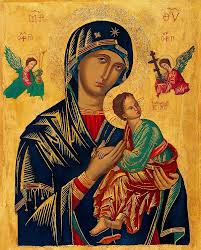
Tumeumbwa kwa mfano na sura ya Mungu maana yake tuna roho zenye akili na utashi yaani uwezo wa kutofautisha mema namabaya, na zitakazoishi milele.
Updated at: 2024-05-27 06:44:55 (2 years ago by DIN - Melkisedeck Leon Shine)
Mungu alisema nini alipotaka kumuumba mtu?
Mungu alipotaka kumwumba mtu alisema;
"Tumfanye mtu kwa mfano wetu na kwa sura yetu" (Mwa 1:26-27)
Mtu ni nani?
Mtu ni kiumbe chenye mwili na roho kilichoumbwa kwa sura na mfano wa Mungu. (Mwa 1:26)
Tumeumbwa kwa sura na mfano wa Mungu maana yake ni nini?
Tumeumbwa kwa mfano na sura ya Mungu maana yake tuna roho zenye akili na utashi yaani uwezo wa kutofautisha mema namabaya, na zitakazoishi milele.
Watu wa kwanza kuumbwa na Mungu ni akina nani?
Watu wa kwanza kuumbwa na Mungu ni Adamu na Hawa (Eva). (Mwa 1:27)
Mungu alimwumbaje Adamu?
Mungu aliufanya mwili wa Adamu kwa udongo, akaupulizia roho yenye uhai. (Mwa 2:7)
Mungu alimwumbaje Eva (Hawa)?
Mungu alimwumba Eva kwa mfupa wa ubavu kutoka kwa Adamu, akamtia roho. (Mwa 2:21-24)
Kwa nini Mungu alituumba? Kwa nini Mungu aliumba mtu?
Mungu ametuumba tumjue, tumpende, tumtumikie tulipo wazima hapa duniani, hata mwisho tukisha kufa tuende kwake Mbinguni katika katika makao ya raha milele. (Mwa 2:7; Mt. 19:17; Yoh 14:1-3 na Yoh 17:24)
Ni kipi cha kutunza kwa makini zaidi kati ya mwili na roho yako?
Yatupasa kutunza roho zetu zaidi kwni Yesu mwenyewe alisema:
"Itamfaa nini mtu ikiwa ataupata ulimwengu wote na kuupoteza ufalme wa Mungu." (Mk 8:38)
Mungu aliwapa watu wa kwanza mapaji gani?
Mungu aliwapa watu wa kwanza neema ya utakaso na neema nyingine nyingi, na kukaa paradisini wenye heri bila kufa. (Mwa 28-30; 3:7)
Mungu aliwaamuru nini watu wa kwanza?
Mungu aliwaamuru watu wa kwanza wasile matunda ya mti wa ujuzi wa mema na mabaya wasije wakafa. (Mw 2:16-17)
Je, Adamu na Eva walimtii Mungu?
Hapana, Adamu na Eva walitenda dhambi ya kutotii, wakataka kuwa kama Mungu lakini bila Mungu na pasipo kufuata maagizo ya Mungu. (Mwa 3:1-16)
Dhambi ya asili ndio nini?
Dhambi ya asili ambayo binadamu wote wanazaliwa nayo, ni hali ya kukosa utakatifu na hali ya asili ya urafiki na Mungu
Adhabu gani walipewa Adamu na Eva?
Adamu na Eva kwa ukubwa wa dhambi yao ya kiburi na ya uasi:
1. Walipoteza neema ya utakaso
2. Walifukuzwa paradisini
3. Walipungukiwa akili na kushikwa na tamaa ya kutenda dhambi
4. Walipitia mahangaiko na taabu nyingi
5. Kupaswa kufa. (Mwa 3:16-20: 5:5)
Kisha kosa la Adamu na Eva Mungu aliahidi nini?
Kisha kosa la Adamu na Eva Mungu aliahidi kuwaletea Mkombozi. (Mwa 3:15)
Alipokwisha umba watu Mungu aliwafundisha nini?
Alipokwisha umba watu Mungu aliwafundisha Dini (Mwa 2:15-17)
Dini ni nini?
Dini ndio mambo yatupasayo kwa Mungu Bwana wetu na Baba yetu. (Mk 16:15-16)
Mungu alinena na nani?
Alinena na;
1. Adamu na Mababu
2. Musa na Manabii
3. Mwishowe Mungu alimleta mwanawe atufumbulie kabisa dini. (Waebr 1:14-45)
Baada ya kifo cha mtu nini hutokea?
Baada ya kifo roho yake inafika mbele ya Mungu kwa hukumu ya mtu binafsi.
Matokeo ya hukumu hiyo ni nini?
Matokeo ya Hukumu hiyo ni roho kwenda Mbinguni, Toharani au Motoni. (Mt 25:34-46)
Ikiwa Mungu anatushughulikia, tunapaswa kufanya nini?
Ikiwa Mungu anatushughulikia, tunapaswa kujiachilia mikononi mwake kwa moyo wa kitoto, tukiwajibika bila ya mahangaiko yanayowapata watu wasiomjua.
“Waangalieni ndege wa angani, ya kwamba hawapandi, wala hawavuni, wala hawakusanyi ghalani; na Baba yenu wa mbinguni huwalisha hao. Ninyi je, si bora kupita hao?” (Math 6:26).
“Nawe una nini usichokipokea?” (1Kor 4:7).
“Nimrudishie Bwana nini kwa ukarimu wake wote alionitendea?” (Zab 116:12).
Kwa kuwa tumetoka kwa Mungu na tutarudi kwake, tunapaswa kuishi vipi?
Kwa kuwa tumetoka kwa Mungu na tutarudi kwake, tunapaswa kuishi kulingana na hakika hiyo, kwa kumpa daima nafasi ya kwanza katika mawazo na mapendo yetu, tusijali kiumbe chochote kuliko yeye wala badala yake.
“Bwana, Mungu wetu, Bwana ndiye mmoja. Nawe mpende Bwana, Mungu wako, kwa moyo wako wote, na kwa roho yako yote, na kwa nguvu zako zote” (Kumb 6:4-5).
Tusipoitikia upendo wake na kuambatana naye, basi, tumeshindikana kabisa.
Tunaanzaje kumjua Mungu?
Tunaanza kumjua Mungu kwa kuzingatia viumbe vyake, hasa dhamiri yetu.
“Kwa sababu mambo yake yasiyoonekana tangu kuumbwa ulimwengu yanaonekana, na kufahamika kwa kazi zake; yaani, uweza wake wa milele na Uungu wake” (Rom 1:20).
Je, Mungu amewasiliana nasi?
Ndiyo, Mungu amewasiliana nasi, akijitambulisha na kujitoa kwetu, tuweze kuishi katika urafiki naye na hatimaye tushiriki heri yake.
“Nikiziangalia mbingu zako, kazi ya vidole vyako, mwezi na nyota ulizoziratibisha; mtu ni kitu gani hata umkumbuke, na binadamu hata umwangalie? Umemfanya mdogo punde kuliko Mungu; umemvika taji ya utukufu na heshima” (Zab 8:3-5).
“Siwaiti tena watumwa; kwa maana mtumwa hajui atendalo bwana wake; lakini ninyi nimewaita rafiki, kwa kuwa yote niliyoyasikia kwa Baba yangu nimewaarifu” (Yoh 15:15).
Mungu ametufunulia nini?
Mungu ametufunulia pia ukweli juu yetu wenyewe akijibu kabisa maswali yanayotusumbua kuhusu maana na lengo la maisha yetu.
Amefanya hivyo kwa maneno na matendo yanayoshikamana sana kwa kuwa maneno yanafafanua matendo, nayo matendo yanathibitisha maneno.
“Mungu hutaka watu wote waokolewe, na kupata kujua yaliyo kweli” (1Tim 2:4).
“Mungu si mtu, aseme uongo” (Hes 23:19).
Yeye hadanganyiki wala hadanganyi.
Mungu akiwa wema mkuu na mwenye uwezo wote, mbona katika viumbe vyake kuna ubaya? Kwa nini Mungu anaruhusu mabaya na maovu?
Kwa nini dhambi zipo?
Mungu akiwa wema mkuu na mwenye uwezo wote, hakuumba ubaya wowote. Tena kila anapovumilia ule uliosababishwa na viumbe vyenye hiari anaufanya uzae mema makubwa zaidi kwa njia tusizoweza kuzifahamu vizuri hapa duniani.
“Mimi ni Yusufu, ndugu yenu, ambaye mliniuza kwenda Misri. Basi sasa, msihuzunike, wala msiudhike nafsi zenu, kwa kuniuza huku; maana Mungu alinipeleka mbele yenu kuhifadhi maisha ya watu… Nanyi kweli mlinikusudia mabaya, bali Mungu aliyakusudia kuwa mema, ili itokee kuokoa taifa kubwa, kama ilivyo leo” (Mwa 45:4-5; 50:20).
Viumbe vyenye hiari ni vipi?
Malaika na watu ndio viumbe pekee vyenye hiari ya kuchagua wenyewe wachangie mpango wa Mungu au la.
“Nazishuhudiza mbingu na nchi juu yenu hivi leo, kuwa nimekuwekea mbele yako uzima na mauti, baraka na laana; basi, chagua uzima, ili uwe hai, wewe na uzao wako; kumpenda Bwana, Mungu wako, kuitii sauti yake, na kushikamana naye; kwani hiyo ndiyo uzima wako” (Kumb 30:19-20).
Malaika na watu wanaweza kuchagua hata nini?
Malaika na watu wanaweza kuchagua hata wawe wema au wabaya milele.
“Kulikuwa na vita mbinguni: Mikaeli na malaika zake wakapigana na yule joka, yule joka naye akapigana nao pamoja na malaika zake; nao hawakushinda, wala mahali pao hapakuonekana tena mbinguni” (Ufu 12:7-8).
Chaguo letu binadamu linafanyika siku kwa siku kwa kuchukua misimamo mizuri au mipotovu kuhusu dini na maadili.
“Mwayachunguza Maandiko, kwa sababu mnadhani kwamba ninyi mna uzima wa milele ndani yake; na hayo ndiyo yanayonishuhudia. Wala hamtaki kuja kwangu mpate kuwa na uzima” (Yoh 5:39-40).
Sisi binadamu tukoje?
Sisi binadamu ni umoja wa mambo mawili: roho iliyoumbwa na Mungu moja kwa moja, na mwili ulioumbwa naye kwa njia ya wazazi.
Maumbile hayo yanatakiwa kukamilika kwa kupokea na kutimiza upendo wa Mungu aliyesema,
“’Na tufanye mtu kwa mfano wetu, kwa sura yetu; wakatawale samaki wa baharini, na ndege wa angani, na wanyama, na nchi yote pia, na kila chenye kutambaa kitambaacho juu ya nchi’. Mungu akaumba mtu kwa mfano wake, kwa mfano wa Mungu alimwumba, mwanamume na mwanamke aliwaumba” (Mwa 1:26-27).
Je, mwili wetu ni muhimu?
Ndiyo, mwili wetu ni muhimu, kwa sababu umeumbwa na Mungu, umetwaliwa na Mwanae ili atuokoe, umehuishwa na Roho Mtakatifu atakayeutukuza siku ya ufufuo kwa mfano wa Yesu.
“Mwili si kwa zinaa, bali ni kwa Bwana, naye Bwana ni kwa mwili. Naye Mungu alimfufua Bwana, na tena atatufufua sisi kwa uweza wake. Je, hamjui ya kuwa miili yenu ni viungo vya Kristo? Basi nivitwae viungo vya Kristo na kuvifanya viungo vya kahaba? Hasha! Au hamjui ya kuwa yeye aliyeungwa na kahaba ni mwili mmoja naye?… Au hamjui ya kuwa mwili wenu ni hekalu la Roho Mtakatifu aliye ndani yenu, mliyepewa na Mungu?” (1Kor 6:13-16,19).
Mungu aliwahi kujifunua kwa watu gani?
Mungu aliwahi kujifunua kwa wazazi wetu wa kwanza, akaendelea hasa kwa taifa la Israeli, hadi alipomtuma Mwanae ajifanye mtu wa taifa hilo teule.
“Mungu, ambaye alisema zamani na baba zetu katika manabii kwa sehemu nyingi na kwa njia nyingi, mwisho wa siku hizi amesema na sisi katika Mwana” (Eb 1:1-2).
Je, Mungu aliumba watu wa kwanza katika hali ya mateso na mauti tuliyonayo sasa?
Hapana, Mungu aliumba watu wa kwanza katika hali ya heri, wakiwa na upendo wake, utakatifu na uadilifu.
Mateso na mauti yametokana na uasi wetu ambao tangu mzazi wetu wa kwanza tunajaribu kuboresha maisha yetu mbali na Mungu.
“Mungu hakuifanyiza mauti, wala haimpendezi walio hai wakipotea… Ila ulimwengu uliingiwa na mauti kwa husuda yake Shetani” (Hek 1:13; 2:24).
“Dhambi iliingia ulimwenguni kwa mtu mmoja, na kwa dhambi hiyo mauti; na hivyo mauti ikawafikia watu wote kwa sababu wote wamefanya dhambi” (Rom 5:12).
Mungu angeweza kuzuia watu wasitende dhambi?
Ndiyo, Mungu angeweza kuzuia watu wasitende dhambi, lakini aliwaacha watende kwa hiari yao awaonyeshe ukuu wa huruma yake.
“Maana Mungu amewafunga wote pamoja katika kuasi ili awarehemu wote” (Rom 11:32).
Je, toka mwanzo sisi watu tunaasi mpango wa Mungu peke yetu?
Hapana, toka mwanzo sisi watu tunaasi mpango wa Mungu kwa kuvutwa na mashetani, yaani malaika waliokataa moja kwa moja kumtumikia; baada ya dhambi ya asili hao wanatutumia sisi pia tuangushane na wenzetu.
Lakini Mungu aliwahi kumuambia Shetani:
“Nitaweka uadui kati yako na huyo mwanamke, na kati ya uzao wako, na uzao wake; huo utakuponda kichwa, na wewe utamponda kisigino” (Mwa 3:15).
“Hata ulipowadia utimilifu wa wakati, Mungu alimtuma Mwanawe ambaye amezaliwa na mwanamke” (Gal 4:4).
Dhambi zimetuathiri vipi tena?
Dhambi zimetuathiri kwa ndani zaidi, zikitutia udhaifu katika mwili, ujinga katika akili na uovu katika utashi; madonda hayo yanatufanya tuzidi kushindwa.
“Kwa kuwa ile nia ya mwili ni uadui juu ya Mungu, kwa maana haitii sheria ya Mungu, wala haiwezi kuitii” (Rom 8:7).
Katika unyonge wetu tutumainie nini?
Katika unyonge wetu tutumainie huruma ya Mungu aliyetutumia Mkombozi hata “dhambi ilipozidi, neema ikawa kubwa zaidi” (Rom 5:20).
Ushindi wake juu ya dhambi umetupatia mema makubwa kuliko tuliyoyapoteza kwa dhambi.
“Mungu, kwa kuwa ni mwingi wa rehema, kwa mapenzi yake makuu aliyotupenda; hata wakati ule tulipokuwa wafu kwa ajili ya makosa yetu; alituuhisha pamoja na Kristo; yaani, mmeokolewa kwa neema” (Ef 2:4-5).
Yesu ni Mungu au mtu?
Yesu ni Mungu na mtu kwa pamoja, ndiyo sababu ni mshenga pekee kati ya Mungu na watu. “Kwa sababu Mungu ni mmoja, na mpatanishi kati ya Mungu na wanadamu ni mmoja, mwanadamu Kristo Yesu” (1Tim 2:5). “Katika yeye unakaa utimilifu wote wa Mungu, kwa jinsi ya kimwili” (Kol 2:9). Hivyo ni Mungu kweli na mtu kweli.
1 Hapo mwanzo, kabla ya kuwapo kitu kingine cho chote, aliku wapo Neno. Huyo Neno alikuwa pamoja na Mungu, naye alikuwa Mungu. 2 Tangu mwanzo Neno amekuwa na Mungu. 3 Vitu vyote viliumbwa na yeye, wala hakuna cho chote kilichoumbwa ambacho hakukiumba. 4 Uzima ulikuwa ndani yake na uzima huo ndio ulikuwa nuru ya watu. 5 Nuru hiyo huangaza gizani na giza haliwezi kamwe kuizima.
6 Mtu mmoja aitwaye Yohana alitumwa na Mungu 7 awaambie watu kuhusu hiyo nuru, ili kwa ushuhuda wake wapate kuamini. 8 Yohana mwenyewe hakuwa ile nuru. Yeye alitumwa kuishuhudia hiyo nuru. 9 Nuru halisi ambayo inawaangazia watu wote ilikuwa inakuja ulim wenguni. 10 Neno alikuwepo ulimwenguni, lakini japokuwa aliumba ulimwengu, watu wa ulimwengu hawakumtambua! 11 Alikuja nyumbani kwake, lakini watu wake hawakumpokea! 12 Bali wote waliompokea na kumwamini aliwapa haki ya kufanywa watoto wa Mungu. 13 Hawa hawakuwa watoto wa Mungu kwa kuzaliwa kwa njia ya asili, wala kwa mapenzi au mipango ya watu bali wamezaliwa na Mungu mwenyewe.
14 Neno akawa mwanadamu akaishi kati yetu akiwa amejaa utu kufu na kweli. Tuliona utukufu wake, utukufu wa Mwana pekee wa Baba. 15 Yohana alishuhudia habari zake, akatangaza: “Huyu ndiye yule niliyewaambia kuwa, ‘Yeye ajaye baada yangu ni mkuu kuliko mimi kwa kuwa alikuwapo kabla sijazaliwa.”’ 16 Na kutokana na ukamilifu wake, sisi sote tumepokea neema tele. 17 Musa alitule tea sheria kutoka kwa Mungu, lakini Yesu Kristo ametuletea neema na kweli. 18 Hakuna mtu aliyemwona Mungu wakati wo wote. Lakini Mwanae pekee, ambaye ana uhusiano wa karibu sana na Baba yake, amemdhihirisha Mungu kwetu. Yohana 1:1-6:37
5 Tomaso akamwuliza, “Bwana, hatujui unakokwenda; tutaijuaje njia?” 6 Yesu akawaam bia, “Mimi ndiye Njia na Kweli na Uzima; mtu hawezi kufika kwa Baba bila kupitia kwangu. 7 Kama mngekuwa mnajua mimi ni nani, mngemfahamu na Baba yangu. Tangu sasa mnamfahamu Baba yangu na mmemwona.”
8 Filipo akamwambia Yesu, “Bwana, tuonyeshe Baba yako nasi tutaridhika.” 9 Yesu akamjibu, “Filipo, imekuwaje hunifahamu baada ya mimi kuwa pamoja nanyi muda wote huu? Mtu ye yote ambaye ameniona mimi, amemwona Baba. Sasa inakuwaje unasema, ‘Tuonyeshe Baba’? 10 Je, huamini ya kuwa mimi niko ndani ya Baba yangu, na Baba yangu yuko ndani yangu? Mambo ninayowaambia siyasemi kwa mamlaka yangu mwenyewe, bali yanatoka kwa Baba yangu ambaye anaishi ndani yangu, na ndiye anayetenda haya yote. Yohane 14:5-10
29 Baba yangu ambaye amenipa hawa ni mkuu kuliko wote na hakuna awezaye kuwatoa hawa kutoka katika mikono yake. 30 Mimi na Baba yangu tu mmoja.”
31 Kwa mara nyingine wale Wayahudi wakainua mawe ili wampige nayo. 32 Yesu akawauliza, “Nimewaonyesha mambo mengi mazuri kutoka kwa Baba yangu. Kati ya hayo ni lipi linalosababisha mtake kunipiga mawe?” 33 Wao wakamjibu, “Tunataka kukupiga mawe si kwa sababu ya mambo mema uliyotenda bali ni kwa kuwa umekufuru. Wewe ni mtu tu lakini unajiita Mungu.” Yohane 10: 29-33
Yesu anapatikana wapi? Yesu anakaa wapi? Yesu Yupo wapi kwa sasa?
Yesu kama Mungu yupo kila mahali, hakuna mahali asipokuwepo. Yesu kama mwanadamu yupo Mbinguni kwa Baba na anakaa nasi duniani katika Maumbo ya Mkate na Divai Katika Ekaristi.
Je, Umungu na utu wa Yesu vinachanganyikana?
Hapana, Umungu na utu wa Yesu vimeunganika katika nafsi moja visichanganyikane, kwa kuwa ndani yake hali hizo mbili zinatenda kila moja ya kwake.
“Basi yule akida, aliyesimama hapo akimwelekea, alipoona ya kuwa alikata roho jinsi hii, akasema, ‘Hakika mtu huyu alikuwa Mwana wa Mungu’” (Mk 15:39).
Je, Mwana wa Mungu tangu atwae mwili ni mtu kamili mwenye akili na utashi wa kibinadamu?
Ndiyo, Mwana wa Mungu tangu atwae mwili ni mtu kamili mwenye akili na utashi wa kibinadamu. Katika umoja wa nafsi yake vipawa hivyo vinatenda kulingana na Umungu anaouchanga na Baba na Roho Mtakatifu milele.
“Hayo maneno niwaambiayo mimi siyasemi kwa shauri langu; lakini Baba akaaye ndani yangu huzifanya kazi zake” (Yoh 14:10).
Kwa nini Yesu alishawishiwa/alijaribiwa na Shetani?
Yesu alishawishiwa na Shetani kwa kuwa ni mtu kweli, akamshinda kwa niaba ya watu wote, akituonyesha namna ya kumtii Mungu moja kwa moja, “hata mauti, naam, mauti ya msalaba” (Fil 2:8).
“Kwa sababu kama kwa kuasi kwake mtu mmoja watu wengi waliingizwa katika hali ya wenye dhambi, kadhalika kwa kutii kwake mmoja watu wengi wameingizwa katika hali ya wenye haki” (Rom 5:19).
Tutakapofariki dunia itatutokea nini?
Tutakapofariki dunia roho yetu isiyokufa, mbali na mwili unaooza, itapewa tuzo au adhabu tuliyostahili kwa maisha yetu. “Ikawa yule maskini alikufa, akachukuliwa na malaika mpaka kifuani kwa Ibrahimu. Yule tajiri naye akafa, akazikwa. Basi, kule kuzimu aliyainua macho yake, alipokuwa katika mateso, akamwona Ibrahimu kwa mbali, na Lazaro kifuani mwake” (Lk 16:22-23). “Kwangu mimi kuishi ni Kristo, na kufa ni faida… ninatamani kwenda zangu nikae na Kristo, maana ni vizuri zaidi sana” (Fil 1:21,23). “Nasi tunaona ni afadhali kutokuwamo katika mwili na kukaa pamoja na Bwana” (2Kor 5:8). Kwa kuwa kifo ni “mavumbi kuirudia nchi kama yalivyokuwa, nayo roho kumrudia Mungu aliyeitoa” (Mhu 12:7). Siku ya ufufuo roho na mwili vitaungana tena kwa ajili ya uzima au moto wa milele. “Pumzi iliwaingia, wakaishi, wakasimama kwa miguu yao, jeshi kubwa mno” (Ez 37:10).
Je baada ya kufa ni hapo hapo roho inaenda motoni au mbinguni, Au ni mpaka Siku ya hukumu Yesu Atakaporudi?
Ni siku ile ile Roho ya mtu aliyekufa inaenda Mbinguni, toharani au Motoni. Yesu alimwahidi yule mtu waliyesulubiwa pamoja kuwa watakuwa peponi pamoja siku hiyo hiyo na sio siku ya hukumu.
"Kisha akasema, "Ee Yesu! Unikumbuke wakati utakapoingia katika ufalme wako." 43 Yesu akamwambia, "Nakwambia kwa hakika, leo utakuwa pamoja nami peponi." (Luka 23:42-43)
Sauli aliweza kuongea na Samweli hata baada ya kufa na Samweli alimbashiria mambo yatakayotokea kwa Sauli maanake ni kwamba Japokuwa alikuwa amekufa bado anayomuungano na Mungu ndio maana aliweza kumwambia Sauli mambo yatakayompata,
"7Basi Sauli akawaambia watumishi wake, “Nitafutieni mwanamke mwenye pepo wa utambuzi ili nimwendee nipate kuuliza kwake. Watumishi wake wakamwambia, “Yuko mwanamke mmoja huko Endori.” 8Hivyo Sauli akajigeuza kwa kuvaa mavazi mengine, naye usiku akiwa amefuatana na watu wawili wakaenda kwa huyo mwanamke. Akamwambia, “Nibashirie na unipandishie huyo nitakayekutajia,” 9Huyo mwanamke akamwambia, “Wewe unajua lile alilofanya mfalme Sauli. Amewakatilia mbali wapunga pepo, wapiga ramli wote na wachawi katika nchi. Mbona umenitegea maisha yangu ili wapate kuniua?” 10Sauli akamwapia huyo mwananmke kwa Jina la BWANA, akasema, “Kwa hakika kama BWANA aishivyo, hutaadhibiwa kwa ajili ya jambo hili.” 11Ndipo yule mwanamke akauliza, “Je unataka nikupandishie nani? Sauli akasema, “Nipandishie Samweli.” 12Yule mwanamke alipomwona Samweli alipiga yowe kwa sauti kuu, naye akamwuliza Sauli, “Mbona umenidanganya? Wewe ndiwe Sauli.” 13Mfalme akamwambia, “Usiogope. Unaona nini? Yule mwanamke akasema, “Naona Mungu anapanda kutoka ardhini.” 14Sauli akamwuliza, “Ni mfano wa nini?” Yule mwanamke akasema, “Ni mwanaume mzee amevaa joho anayepanda.” Ndipo Sauli akatambua kwamba ni Samweli. Sauli akasujudu kifudifudi uso wake hadi ardhini. 15Samweli akamwuliza Sauli, Kwa nini unanitaabisha, kunipandisha juu?” Sauli akasema, “Mimi ninasumbuka sana, kwa maana Wafilisti wanapigana vita dhidi yangu, naye Mungu ameniacha. Hanijibu tena wala kwa njia ya manabii wala kwa ndoto. Kwa hiyo nimekuita wewe ili unijulishe lakufanya.” 16Samweli akamwuliza, “Kwa nini uniulize mimi, maadam BWANA amekuacha na kuwa adui yako? 17BWANA ametenda lile alilotangulia kusema kwa kupitia kwangu. BWANA ameurarua ufalme kutoka mikononi mwako, naye amempa mmoja wa jirani zako, yaani, Daudi. 18Kwa sababu wewe hukumtii BWANA, wala hukumtimizia ghadhabu yake kali juu ya Waamaleki, BWANA amekutendea mambo haya leo. 19Zaidi ya hayo, BWANA atawatia Israeli pamoja na wewe mkononi mwa Wafilisti na kesho wewe na wanao mtakuwa pamoja nami. BWANA pia atalitia jeshi la Israeli mkononi mwa Wafilisti.
Mfano Wa Tajiri Na Maskini Lazaro Yesu alisimulia hivi
19 Akasema, “Palikuwa na tajiri mmoja aliyevaa nguo za rangi ya zambarau na kitani safi, nguo za gharama kubwa, kila siku. 20 Na maskini mmoja, jina lake Lazaro, mwenye vidonda mwili mzima, alikuwa akiletwa mlangoni kwa huyo tajiri kila siku. 21 Lazaro alikuwa akitamani kula makombo yaliyodondoka mezani kwa tajiri. Hata mbwa walikuwa wakiramba vidonda vyake. 22 “Hatimaye, yule maskini alikufa. Malaika wakamchukua akakae pamoja na Ibrahimu mbinguni. Yule tajiri naye pia akafa, akazikwa. 23 Alipokuwa kuzimuni ambapo alikuwa akiteseka, alita zama juu, akamwona Ibrahimu kwa mbali na Lazaro karibu yake. 24 Akaita, ‘Baba Ibrahimu, nionee huruma umtume Lazaro achovye japo ncha ya kidole chake katika maji aupoze ulimi wangu maana ninateseka kwenye moto huu.’ 25 Lakini Ibrahimu akamjibu, ‘Mwa nangu, kumbuka kwamba ulipokuwa hai ulipata kila kitu kizuri uli chotaka, ambapo Lazaro alipokea mabaya. Lakini sasa anafarijika hapa na wewe unateseka. 26 Isitoshe, kati yetu na ninyi huko, kumewekwa bonde kubwa lisilopitika ili wale wanaotaka kutoka huku kuja huko au kutoka huko kuja huku wasiweze.’ 27 Akasema, ‘Basi, baba, tafadhali umtume Lazaro aende nyumbani kwa baba yangu, 28 awaonye ndugu zangu, wasije wao pia wakaletwa mahali hapa pa mateso watakapokufa.’ 29 Ibrahimu akamjibu, ‘Ndugu zako wanazo sheria za Musa na maandiko ya Manabii. Itawapasa watii hayo.’ Lakini yule tajiri akazidi kumsihi, 30 ‘Hapana baba Ibrahimu, ndugu zangu hawatashawishiwa na hayo. Lakini mtu kutoka kuzimu akitumwa kwao watatubu na kuziacha dhambi zao.’ 31 “Ibrahimu akamwambia, ‘Wasiposikiliza na kutii sheria za Musa na Maandiko ya manabii, hawatashawishika kutubu hata kama mtu akifufuka kutoka kuzimu.”’ (Luka 16:19-31)
Wakati Yesu anabadilika Sura walitokea Musa na Eliya.
"Baada ya siku sita, Yesu aliwachukua Petro, Yakobo na Yohane nduguye, akaenda nao peke yao juu ya mlima mrefu. 2 Huko, wakiwa wanamtazama, akageuka sura, uso wake ukang'aa kama jua na mavazi yake yakawa meupe kama nuru. 3 Mose na Eliya wakawatokea, wakawa wanazungumza naye. 4 Hapo Petro akamwambia Yesu, "Bwana, ni vizuri sana kwamba tupo hapa! Ukipenda nitajenga vibanda vitatu: kimoja chako, kimoja cha Mose na kimoja cha Eliya." (Mathayo 17:1-5)
Yesu alituambia kuwa Mungu sio wa wafu bali wa walio hai ndio maana akaitwa Mungu wa Ibrahimu, Isaka na Yakobo kwa kuwa Wote wako hai kwake.
37Hata Mose alidhihirisha kuwa wafu wanafufuka, kwa habari ya kile kichaka kilichokuwa kikiwaka moto bila keteketea, alipomwita Bwana ‘Mungu wa Abrahamu, Mungu wa Isaki na Mungu wa Yakobo.’ 38Yeye Mungu si Mungu wa wafu bali wa walio hai, kwa kuwa Kwake wote ni hai.” (Luka 20:37-38)
Yesu alimwahidi yule mtu waliyesulubiwa pamoja kuwa watakuwa peponi pamoja siku hiyo hiyo na sio siku ya hukumu.
"Kisha akasema, "Ee Yesu! Unikumbuke wakati utakapoingia katika ufalme wako." 43 Yesu akamwambia, "Nakwambia kwa hakika, leo utakuwa pamoja nami peponi." (Luka 23:42-43)
Angalia pia wakati Stefano akipigwa Mawe aliikabidhi roho yake kwa Mungu baada ya kuona mbingu zimefunguka hii ni kama Yesu alivyokuwa pale msalabani aliikabidhi Roho yake kwa Baba yake.
55Lakini yeye Stefano akiwa amejazwa Roho Mtakatifu, alikaza macho mbinguni, akaona utukufu wa Mungu, naye Yesu akiwa amesimama mkono wa kuume wa Mungu. 56Akasema, “Tazameni! Naona mbingu zimefunguka na Mwana wa Adamu amesimama upande wa kuume wa Mungu.’’ 57Lakini wao wakapiga kelele kwa sauti kubwa, wakaziba masikio yao, wakamrukia kwa nia moja. 58Wakamtupa nje ya mji, wakampiga kwa mawe. Nao mashahidi wakaweka nguo zao miguuni mwa kijana mmoja aitwae Sauli. 59Walipokuwa wakimpiga mawe, Stefano aliomba, “Bwana Yesu, pokea roho yangu” 60Kisha akapiga magoti, akalia kwa sauti kubwa akasema, “Bwana usiwahesabie dhambi hii.’’ Baada ya kusema haya, akalala. (Mdo 7:55-60)
Kwenye Ufunuo tunasoma (Ufunuo 6:9-10) “Na alipoifungua muhuri ya tano, nikaona chini ya madhabahu roho zao waliochinjwa kwa ajili ya neno la Mungu, na kwa ajili ya ushuhuda waliokuwa nao. Wakalia kwa sauti kuu, wakisema, Ee Mola, Mtakatifu, Mwenye kweli, hata lini kutokuhukumu, wala kuipatia haki damu yetu kwa hao wakaao juu ya nchi? Nao wakapewa kila mmoja nguo ndefu, nyeupe, wakaambiwa wastarehe bado muda mchache, hata itakapotimia hesabu ya wajoli wao na ndugu zao, watakaouawa vile vile kama wao.”
Kwa hiyo mtu akifa anaenda mbinguni au motoni kulingana na alivyoishi.
“Nasi tunaona ni afadhali kutokuwamo katika mwili na kukaa pamoja na Bwana” (2Kor 5:8). Kwa kuwa kifo ni “mavumbi kuirudia nchi kama yalivyokuwa, nayo roho kumrudia Mungu aliyeitoa” (Mhu 12:7).
Siku ya ufufuo roho na mwili vitaungana tena kwa ajili ya uzima au moto wa milele.
“Kwangu mimi kuishi ni Kristo, na kufa ni faida… ninatamani kwenda zangu nikae na Kristo, maana ni vizuri zaidi sana” (Fil 1:21,23).
Mtume Petro ameandika hivi…
"18 Kwa maana Kristo naye aliteswa mara moja kwa ajili ya dhambi, mwenye haki kwa ajili yao wasio haki, ili atulete kwa Mungu; mwili wake akauawa, bali roho yake akahuishwa,19 ambayo kwa hiyo aliwaendea roho waliokaa kifungoni, akawahubiri; 20 watu wasiotii hapo zamani, uvumilivu wa Mungu ulipokuwa ukingoja, siku za Nuhu, safina ilipokuwa ikitengenezwa; ambamo ndani yake wachache, yaani, watu wanane, waliokoka kwa maji." (1Petro 3:18-20)
Je, mwili utakaofufuliwa ni huuhuu tulionao sasa?
Ndiyo, mwili utakaofufuliwa ni huuhuu tulionao sasa, lakini katika hali tofauti: > “hupandwa katika uharibifu; hufufuliwa katika kutokuharibika” (1Kor 15:42).
Siku ya ufufuo “ndipo watakapomwona Mwana wa Adamu akija katika wingu pamoja na nguvu na utukufu mwingi” (Lk 21:27).
“Saa yaja ambayo watu wote waliomo makaburini wataisikia sauti yake. Nao watatoka; wale waliofanya mema kwa ufufuko wa uzima, na waliotenda mabaya kwa ufufuo wa hukumu” (Yoh 5:28-29).
“Na hao watakwenda zao kuingia katika adhabu ya milele; bali wenye haki watakwenda katika uzima wa milele” (Math 25:46).
Haki gani ya Binadamu ni ya msingi kupita zote?
Haki ya binadamu iliyo ya msingi kupita zote ni uhai wake ambao ni lazima uheshimiwe na kulindwa tangu siku ya kutungwa mimba
Hamu kuu ya binadamu ni ipi?
Hamu kuu ya binadamu ni kumwona Mungu