Log in to access your menu with tools for managing 📝 tasks, 👥 clients, 💰 finances, 📖 learning, 🔍 personal growth, and 🌟 spirituality, all in one place!.
Welcome to AckySHINE, your go-to platform for personal growth, productivity, and well-being, offering tools tailored to organize your life, manage finances, and deepen your journey.
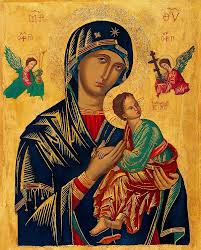
Siri za Bikira Maria: Mtetezi wa Wanaohitaji Huruma ya Mungu
Habari za asubuhi! 🌸 Je, unajua Siri za Bikira Maria? 🙏🌟 Katika makala hii, tutakwenda kujifunza zaidi kuhusu mtetezi wetu mwenye huruma. ❤️🌹 Hawakosi kushangaza! Kuna mengi ya kujifunza kutoka kwake! Jiunge nasi kwa safari hii ya kuvutia na tuimarishe imani yetu pamoja. 😇📖 #MamaWaMungu #MteteziWaWanaohitajiHuruma #MbinguYetu
Updated at: 2024-05-26 11:39:17 (2 years ago by DIN - Melkisedeck Leon Shine)
Siri za Bikira Maria: Mtetezi wa Wanaohitaji Huruma ya Mungu
🙏🏼 Karibu ndugu yangu katika makala hii ambapo tutajadili juu ya Bikira Maria, Mama wa Mungu na Mtetezi wa wale wanaohitaji huruma ya Mungu. 🌹
Bikira Maria ni mmoja wa watakatifu muhimu katika imani ya Kikristo. Imeandikwa katika Biblia kwamba Maria alikuwa mwanamke mcha Mungu ambaye alipata neema ya kuwa mama wa Yesu Kristo.
Katika kitabu cha Luka 1:28, Malaika Gabrieli alimwambia Maria, "Salamu, uliyejaa neema, Bwana yu pamoja nawe; umebarikiwa kuliko wanawake wote." Hii inaonyesha jinsi Bikira Maria alivyokuwa baraka kwa ulimwengu.
Katika Mathayo 1:23, tunaambiwa kwamba jina la mtoto ambaye Maria alimzaa ni Emmanuel, ambalo linamaanisha "Mungu pamoja nasi." Hii inathibitisha umuhimu mkubwa wa Maria katika mpango wa wokovu.
Katika Kanisa Katoliki, Mariamu anaheshimiwa na kutambuliwa kama Mama wa Mungu. Hii inaonyesha jinsi anavyoshiriki katika utume wa Mwanae, Yesu.
Kwa mujibu wa Katekisimu ya Kanisa Katoliki, Maria ni "mtu ambaye Mungu amemtukuza juu ya viumbe vyote." Hii inaonyesha heshima kubwa ambayo Kanisa Katoliki inampa Maria.
Watakatifu kadhaa wa Kanisa Katoliki, kama vile Mtakatifu Louis de Montfort na Mtakatifu Maximilian Kolbe, wameelezea upendo wao kwa Maria na jinsi wanavyoona uhusiano wake na wokovu wetu.
Bikira Maria anatambuliwa kama mtetezi wa wanaohitaji huruma ya Mungu. Tunaweza kumgeukia Maria kwa maombezi yake na kujua kwamba yupo tayari kutusaidia katika mahitaji yetu.
Maria alionyesha huruma kubwa wakati wa miujiza ya kwanza ya Yesu, wakati aligeuza maji kuwa divai katika arusi huko Kana. Hii inaonyesha jinsi anavyowajali watu na jinsi anavyoweza kutenda miujiza katika maisha yetu.
Kama Mama wa Mungu, Maria ana uwezo wa kuwasilisha mahitaji yetu kwa Mwanae. Tunaweza kumwomba Maria atusaidie na atuletee huruma ya Mungu katika maisha yetu.
Kadiri ya Injili ya Yohane 19:26-27, Yesu akiwa msalabani, alimwambia mwanafunzi wake, "Mwanangu, tazama mama yako." Hii inaonyesha jinsi Yesu alivyotupa Maria kuwa mama yetu wote, akionyesha umuhimu wake katika maisha yetu ya kiroho.
Tunaalikwa kumwomba Maria atusaidie kumpenda Mungu na jirani zetu, kwa kuwa yeye ni mfano mzuri wa utii na unyenyekevu kwa Mungu.
Katika Luka 1:46-55, tunapata wimbo wa shukrani wa Maria, maarufu kama Zaburi ya Maria au Magnificat. Hii inaonyesha jinsi Maria alivyokuwa mnyenyekevu na mchaji Mungu, na jinsi anavyowatukuza wanyenyekevu na kuwapa wanyonge.
Kupitia sala za Rosari, tunaweza kumwomba Maria atusaidie kufahamu na kuishi Injili ya Mwanaye, na kutuunganisha na huruma ya Mungu.
Tunaweza kumgeukia Maria katika nyakati za majaribu na shida, kwa kuwa yeye ni Mama yetu mwenye nguvu ambaye anatujali na anatuelekeza kwa Mwanae, Yesu.
Tuombe pamoja, tuombe Maria Mama yetu atuletee huruma ya Mungu katika maisha yetu, na atusaidie kumjua na kumpenda Mungu kwa moyo wote. 🙏🏼
✨ Tunakushukuru kwa kusoma makala hii. Je, unayo maoni gani kuhusu umuhimu wa Maria katika maisha ya Kikristo? Je, una sala unayotaka kuiomba Maria? Tuambie katika sehemu ya maoni hapa chini. ✨
Conserving Africa's Sacred Sites: A Pan-African Strategy for Cultural Heritage Preservation
Are you ready to uncover the secrets of 🌍Africa's sacred sites? 🏛️ Join us on a journey to preserve these cultural landmarks! 🌟✨🗺️ Dive in now and let the adventure begin! 🚀🔍📖 #PreserveAfrica #CulturalHeritage
Updated at: 2025-02-28 13:37:54 (1 year ago by Melkisedeck Leon Shine)
Safeguarding Africa's Cultural Legacy: A Pan-African Conservation Endeavor
Safeguarding Africa's Cultural Legacy: A Pan-African Conservation Endeavor
Africa's rich tapestry of traditions, beliefs, and history is deeply interwoven with its ancient landmarks. These sacred sites and spaces are not mere historical relics; they represent the vibrant core of our cultural identity, forging a powerful connection to our ancestors and shaping our collective future. As the custodians of this invaluable heritage, we, the people of Africa, bear the solemn responsibility of ensuring its preservation for generations to come. This necessitates a unified, Pan-African approach that acknowledges the intricate interconnectedness of our diverse cultures and leverages the immense power of collaborative action.
A Multifaceted Approach: Honoring Ancestors, Empowering Futures
The preservation of Africa's cultural landmarks is of paramount importance. It stands as a profound tribute to our ancestors, a vital educational resource for future generations, and a cornerstone in solidifying our uniquely rich African identity. A truly comprehensive strategy demands a multifaceted approach encompassing several key initiatives:
Comprehensive Site Inventory and Risk Assessment: A meticulous and thorough survey of all cultural sites and spaces is crucial. This involves identifying vulnerable areas and analyzing potential threats, such as neglect, rapid urbanization, and political instability. This detailed assessment will allow for the targeted implementation of effective interventions.
Strategic Preservation and Management Plans: The development of detailed, site-specific preservation plans is essential. These plans must include specific restoration procedures, ongoing maintenance strategies, and the establishment of robust legal frameworks to safeguard these priceless sites from damage or encroachment.
Meaningful Community Engagement: Local communities are indispensable partners in successful preservation efforts. Their active participation fosters a deep sense of ownership and pride, thus ensuring the long-term sustainability of these vital projects. Their traditional knowledge and practices are invaluable resources in the conservation process.
Sustainable Tourism Development: Responsible tourism offers a potent tool for preservation. By implementing sustainable tourism strategies, we can generate significant economic opportunities for local communities while simultaneously safeguarding the integrity of the cultural landmarks. This balance ensures that economic benefits directly support both the communities and the preservation efforts.
Integrating Cultural Heritage into Education Systems: Incorporating cultural heritage into educational curricula is crucial for cultivating a profound appreciation and understanding among young people. This will ensure that future generations continue to value and protect this irreplaceable legacy.
Strategic International Partnerships: Collaboration with international organizations and institutions provides access to crucial expertise, funding, and resources. These partnerships are essential for scaling up preservation efforts and for sharing best practices on a global scale, promoting knowledge exchange and mutual benefit.
Safeguarding Intangible Cultural Heritage: Preservation efforts must extend beyond physical sites to encompass the intangible aspects of African culture. This includes the safeguarding of traditions, languages, oral histories, and other forms of cultural expression that are equally vital to our shared heritage. These elements are often the very heart of a culture's identity and continuity.
Protecting the Symbiotic Relationship Between Nature and Culture: Many cultural sites are inextricably linked to their natural environments, such as sacred forests and mountains. Protecting these ecosystems is therefore crucial for the preservation of the cultural heritage they support, recognizing their interdependence.
Learning from Global Best Practices and Innovations: Studying successful preservation models from around the world enables us to adapt and implement effective strategies within the unique context of the African continent. This comparative approach allows for continuous improvement and innovation in conservation techniques, ensuring adaptability and relevance.
Inspiration from African Leaders: The visionary leadership of figures such as Kwame Nkrumah, Nelson Mandela, and Wangari Maathai serves as a beacon of inspiration. Their unwavering commitment to cultural preservation should guide our efforts and provide a robust framework for achieving our shared goals.
Embracing Pan-African Unity and Collaboration: A unified Pan-African approach is absolutely essential for successful preservation. By working together, we can leverage the continent's collective strength and resources, realizing a shared vision for the future. The ideal of a "United States of Africa" (Muungano wa Mataifa ya Afrika) embodies this collaborative spirit and underscores the importance of collective action.
Empowering Local Artisans and Craftspeople: Supporting local artisans and cultural practitioners is of utmost importance. They play a vital role in preserving traditional skills and knowledge, thereby ensuring the transmission of cultural heritage to future generations. Their expertise and skills are essential to the continuity of cultural practices.
Showcasing Successful Preservation Projects: Highlighting successful preservation projects, such as those in Egypt (Giza Pyramids), Ethiopia (Lalibela), and Mali (Timbuktu), demonstrates the tangible positive impact these initiatives have on communities and tourism. Sharing these success stories inspires further action and fosters a collective sense of accomplishment, motivating further engagement.
Individual Action and Capacity Building: Every individual has a role to play. Developing skills in heritage management, sustainable tourism, or community engagement empowers us to actively participate in the preservation of our shared African cultural heritage. This collective effort is vital for long-term success.
A Shared Responsibility, A Brighter Future
The preservation of Africa's sacred sites and spaces is not merely an aspiration; it is an achievable reality. Let us unite, inspired by our shared history and the rich diversity of our cultures, to build a future where the ideal of a "United States of Africa" (Muungano wa Mataifa ya Afrika) becomes a tangible expression of our collective strength and shared heritage. Together, we can safeguard our cultural legacy for generations to come, celebrating our roots while building a brighter and more sustainable tomorrow. Let's share this vision and ignite the flame of Pan-African unity!